Mednosis LogoMednosis

Oncology & AI

RSS

How AI is transforming cancer care: from early detection and diagnosis to treatment planning and response monitoring.

Why it matters: AI models are achieving radiologist-level accuracy in detecting certain cancers, potentially catching cases that might otherwise be missed.

207 research items

Get updates on this topic
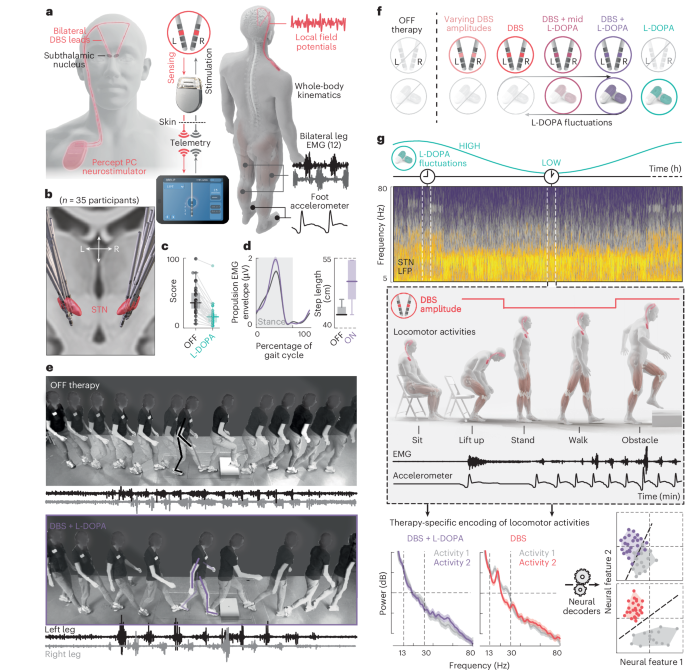
Activity-dependent adaptive deep brain stimulation improves gait in Parkinson’s disease
Nature Medicine - AI SectionExploratory2 min read

Smart Brain Implant Automatically Adjusts to Help Parkinson's Patients Walk

Key Takeaway:

A new smart brain implant uses real-time brain signals to adjust electrical stimulation, significantly improving walking difficulties for people with Parkinson's disease.

People with Parkinson's disease often experience severe walking difficulties, known as gait deficits. Traditional brain implants deliver a constant, unchanging stream of electricity to help control symptoms. In this study, researchers developed a smart brain implant that uses advanced computer algorithms to read the brain's natural movement signals. By understanding these signals in real time, the device automatically adjusts its electrical stimulation only when the person is trying to move. This personalized, active approach was shown to significantly improve walking and mobility. While this technology is still in the early stages of testing, it could eventually lead to much more effective, responsive treatments for Parkinson's symptoms.

What this means for you

Scientists are testing a smart brain stimulation system that adapts to your movement to help you walk better. This technology is in early testing and not yet widely available.

Citation:

Nature Medicine - AI Section, 2026. DOI: s41591-026-04432-4 Read article →
Guideline Update
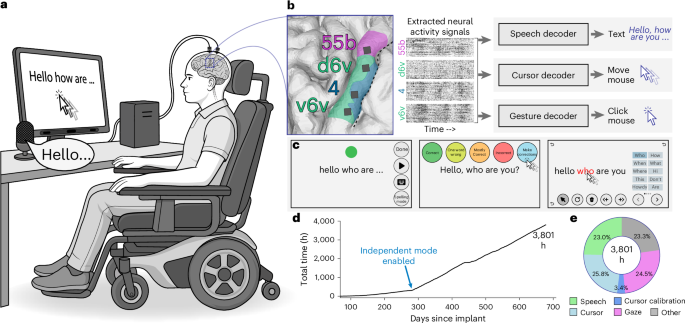
Long-term independent use of an intracortical brain–computer interface for speech and cursor control
Nature Medicine - AI SectionExploratory2 min read

Brain Implant Helps Paralyzed Patient Speak and Use Computers Independently

Key Takeaway:

An automated brain-computer implant allowed a patient with ALS to independently restore their speech and computer control at home without technical assistance.

Scientists tested a brain-computer implant designed to help people who have lost the ability to speak or move. A person with severe speech loss due to ALS used the device at home entirely on their own, without any researchers in the room. The system successfully translated their brain signals to restore both speech-based communication and computer cursor control over a long period. This is a major step forward because it shows that these advanced mind-controlled devices can work reliably in daily life without needing constant technical support, bringing us closer to restoring independence for paralyzed patients.

What this means for you

A brain implant helped a patient with ALS communicate and use a computer at home without expert help. This early-stage technology is not yet widely available.

Citation:

Nature Medicine - AI Section, 2026. DOI: s41591-026-04414-6 Read article →

ArXiv - AI in Healthcare (cs.AI + q-bio)Exploratory3 min read

Can AI Teach Itself to Have a Conscience?

Key Takeaway:

Researchers have developed a way for artificial intelligence models to self-correct and align with human ethics using their own internal reasoning rather than relying on external judge programs.

As artificial intelligence (AI) becomes more common, scientists worry about models generating harmful or unethical answers. In this study, researchers tested a new way to give an AI model a 'conscience.' Instead of using a second computer program to grade and correct the AI, they programmed the AI to double-check its own thinking using a frozen copy of itself. When tested on a scenario where AI was tempted to write malicious hacking code, a single self-reflective question successfully steered the AI to behave ethically. This is a major step toward building safer, self-correcting AI systems, though the technology is still in its early testing phases.

What this means for you

Scientists are testing ways to give AI a 'conscience' so it can block its own harmful answers. This technology is in early development and is not yet used in actual healthcare.

Citation:

ArXiv, 2026. arXiv: 2606.19527 Read article →

Four Scenarios of AI Scribe Adoption in Healthcare
The Medical FuturistPromising2 min read

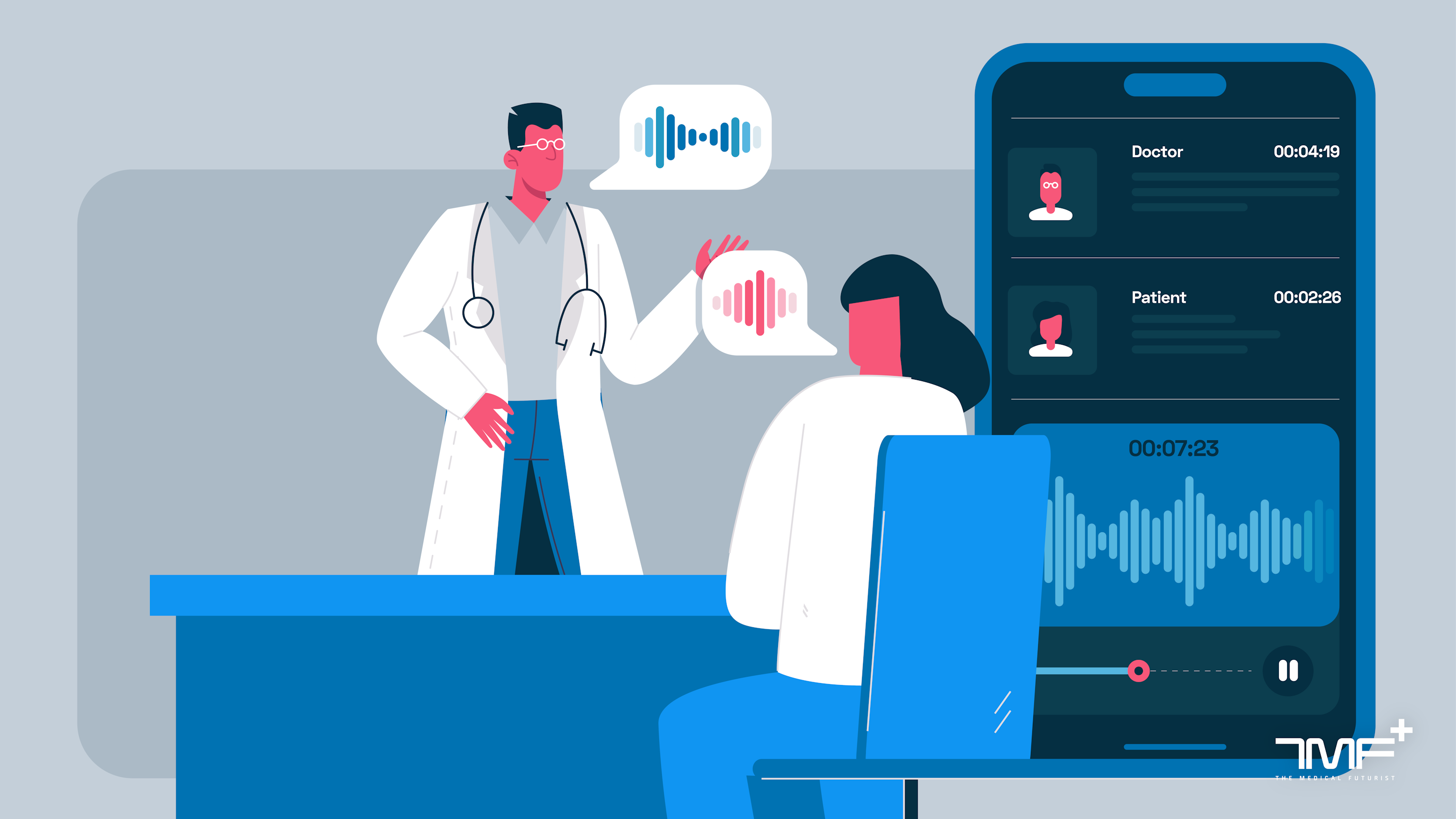
How AI Scribes Are Changing the Way Doctors Take Notes

Key Takeaway:

AI scribes can automatically translate patient-doctor conversations into electronic medical records, potentially reducing administrative burnout and improving face-to-face clinical interactions within the next few years.

Going to the doctor often means watching them type on a computer instead of looking at you. This article looks at 'AI scribes,' which are smart apps that listen to your conversation with your doctor and automatically write up the official medical chart. By taking over the tedious task of typing up notes, these tools aim to free up doctors so they can focus entirely on listening to and caring for their patients. While this technology is exciting and rolling out quickly, doctors must still double-check the AI's work to make sure every medical detail is completely accurate.

What this means for you

AI scribes are new tools that listen to your doctor's visit to write up medical notes automatically, letting your doctor focus on you instead of typing on a computer screen.

Citation:

The Medical Futurist, 2026. Read article →

Drug Watch
ArXiv - Quantitative BiologyPromising3 min read

New AI Tool Catches Hidden Contradictions in Radiology Reports

Key Takeaway:

RadSEM is a new AI evaluation tool that accurately catches critical medical report errors, like missed or contradicted findings, which standard text-matching software often overlooks.

When doctors use AI to help write radiology reports, even a tiny typo like writing 'no mass' instead of 'mass' can completely change a patient's diagnosis. Traditional computer programs often miss these critical errors because the overall text still looks almost identical. To solve this, researchers developed RadSEM, a smart evaluation tool that breaks reports down into individual medical findings. It carefully checks if the AI's report actually agrees with the expert's findings, successfully catching contradictions and subtle errors. In tests on over 2,400 reports, RadSEM vastly outperformed older methods, paving the way for safer, more reliable AI assistants in medical imaging.

What this means for you

Researchers created a smart tool to double-check AI-generated medical reports for critical errors. This technology is in early testing stages and does not yet affect your active medical care.

Citation:

ArXiv, 2026. arXiv: 2606.17062 Read article →

Guideline Update
Learning to lead in a hybrid human-AI enterprise
MIT Technology Review - AIExploratory2 min read

Smart AI Assistants Are About to Flood the Workplace

Key Takeaway:

As autonomous AI agents surge by 300% over the next two years, organizations must learn to manage a hybrid workforce where AI independently coordinates complex tasks.

Businesses are preparing for a massive shift as smart AI assistants, also known as AI agents, are expected to grow by 300% over the next two years. Unlike older software that needs constant human instructions, these new AI agents can plan, make decisions, and work across different computer programs all on their own to finish complicated tasks. While this technology sounds promising for cutting down on boring paperwork and scheduling, it is still very new. For regular people and patients, this means we will soon see more AI helping manage behind-the-scenes office work, but human professionals will still need to supervise these systems to ensure they make safe and accurate decisions.

What this means for you

A massive 300% increase in smart AI assistants is expected in workplaces over the next two years. These tools are still early-stage, so do not rely on them for medical advice.

Citation:

MIT Technology Review - AI, 2026. Read article →

Drug Watch
Defining Autonomy for Wellness Robots in Senior Care
IEEE Spectrum - BiomedicalExploratory2 min read

How Smart Robots Could Soon Help Care for Seniors

Key Takeaway:

A new six-level scale measures wellness robot autonomy, aiming to safely integrate socially assistive robots into senior care facilities by the early 2030s.

Senior care facilities are facing a major shortage of staff and daily activities for residents. To help, researchers are developing socially assistive wellness robots. This paper introduces a new six-level scale, modeled after self-driving car standards, to measure how independently these robots can operate across different care situations. Unlike simple toy companions or complex medical devices, these robots are designed to support overall senior well-being. Researchers have laid out a three-phase plan to safely bring these autonomous wellness robots into care facilities by the early 2030s, helping seniors stay active and engaged.

What this means for you

Researchers are designing wellness robots to help care for seniors by the early 2030s. This technology is still in development and cannot yet replace human caregivers.

Citation:

IEEE Spectrum - Biomedical, 2026. Read article →

General-purpose large language models outperform specialized clinical AI tools on medical benchmarks
Nature Medicine - AI SectionPromising2 min read

General AI Beats Specialized Software at Medical Tasks

Key Takeaway:

General-purpose artificial intelligence models now outperform specialized medical AI tools in clinical knowledge and reasoning, signaling a major shift toward versatile healthcare technology.

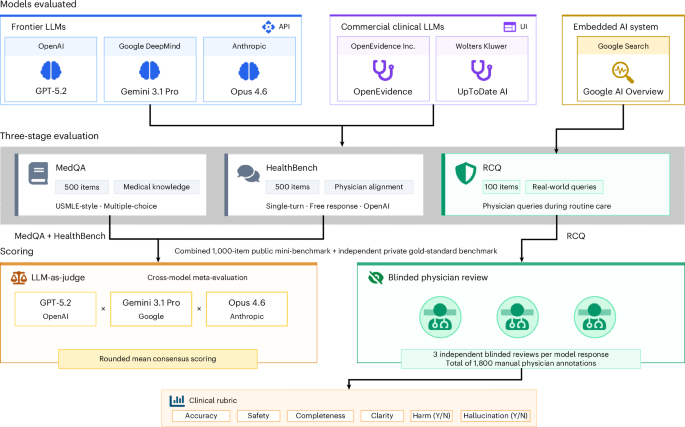
A new study compared general-purpose artificial intelligence (AI) models—similar to the broad AI tools used by the public—against specialized AI tools built specifically for medicine. Surprisingly, the general-purpose AI performed better at answering medical questions, thinking like doctors, and handling real-world clinic inquiries. This matters to everyday people because it means the future of digital healthcare might rely on highly adaptable, all-purpose AI assistants rather than many different, narrow tools. While this is an exciting step forward, these general AI systems are still being tested and should not be used to replace real doctors or change your personal medical care.

What this means for you

New research shows general computer AI programs are surprisingly better at medical questions than specialized medical software. However, patients should not use these tools to self-diagnose or replace professional medical advice.

Citation:

Nature Medicine - AI Section, 2026. DOI: s41591-026-04431-5 Read article →

Guideline Update
ArXiv - AI in Healthcare (cs.AI + q-bio)Exploratory3 min read

How Super-Smart AI Could Soon Transform Science and Medicine

Key Takeaway:

As AI potentially transitions from human-level intelligence to superintelligence over the next decade, it may drive continuous, transformative breakthroughs across global healthcare and science.

Researchers looked at how artificial intelligence might evolve after it reaches human-level smarts, a goal many tech companies hope to achieve within the next ten years. Instead of stopping there, AI could transition into 'superintelligence'—becoming far more capable than entire organizations of humans. The study outlines how this might happen, such as AI systems improving themselves or working together in large groups. Rather than one single, sudden change, we will likely see a fast-paced series of breakthroughs across science and medicine. While this technology is still in the early planning stages, preparing for these rapid changes will require global cooperation across many different fields.

What this means for you

This early research discusses how future super-smart AI might develop. It does not change your current medical care, and these technologies are still years away from reality.

Citation:

ArXiv, 2026. arXiv: 2606.12683 Read article →

Drug Watch
ArXiv - Quantitative BiologyPromising3 min read

New AI Tool Catches Dangerous Errors in Radiology Reports

Key Takeaway:

RadSEM is a new AI evaluation tool that accurately catches critical medical errors in AI-generated radiology reports by breaking text down into individual, clinical findings.

When artificial intelligence is used to write radiology reports, even a tiny mistake—like leaving out the word 'no' in 'no fluid in lungs'—can lead to a dangerous misdiagnosis. Traditional computer programs often miss these errors because the rest of the text looks correct. Researchers developed a new tool called RadSEM that breaks reports down into single, simple facts and checks them for direct contradictions. Tested on over 2,400 medical reports, RadSEM successfully caught critical errors and correctly matched medical synonyms 99.6% of the time. This ensures AI tools can be graded on actual medical accuracy rather than just matching words.

What this means for you

Scientists created a smart tool to double-check AI-generated medical scans for errors. While promising, this technology is still in development and not yet used in active patient care.

Citation:

ArXiv, 2026. arXiv: 2606.17062 Read article →

Guideline Update
Learning to lead in a hybrid human-AI enterprise
MIT Technology Review - AIExploratory2 min read

AI Coworkers Are Coming: Agent Adoption Set to Triple

Key Takeaway:

With enterprise AI agent adoption projected to surge by 300% over the next two years, leaders must prepare to manage hybrid workforces where autonomous software coordinates complex tasks.

Technology is moving from simple computer programs that need constant human instructions to smart 'AI agents' that can plan and complete complex tasks on their own. Experts predict that businesses using these independent AI assistants will jump by 300% over the next two years. For the average person, this means the administrative side of healthcare—like scheduling appointments and organizing records—could soon be handled by digital assistants working alongside human staff. While this could make medical offices run much faster and more smoothly, human doctors and managers will still need to carefully supervise these digital assistants to ensure everything is done safely and correctly.

What this means for you

AI assistants in healthcare offices are expected to grow by 300% in the next two years. This early technology aims to help with paperwork, but doctors will still make all medical decisions.

Citation:

MIT Technology Review - AI, 2026. Read article →

Drug Watch
Defining Autonomy for Wellness Robots in Senior Care
IEEE Spectrum - BiomedicalExploratory2 min read

How Robots Could Help Solve the Senior Care Crisis

Key Takeaway:

A new six-level autonomy scale for senior wellness robots could help address care workforce shortages by standardizing their development toward safe, independent operation by the early 2030s.

The senior care industry is facing a major crisis due to a growing aging population and a shortage of caregivers. To help, researchers are looking at 'wellness robots'—devices designed to support senior health and daily activities. This paper introduces a new six-level scale, inspired by self-driving car standards, to measure how independently these robots can operate across different care situations. By defining these standards now, developers hope to safely guide the technology toward full independence. If successful, these assistive robots could be ready to support seniors in living happier, healthier lives by the early 2030s.

What this means for you

Researchers are designing a new scale to measure how safely wellness robots can assist seniors. These robots are still in development, with full use expected around the early 2030s.

Citation:

IEEE Spectrum - Biomedical, 2026. Read article →

Post-adjuvant chemotherapy in ctDNA-positive patients with resected colorectal cancer: a randomized phase 3 trial
Nature Medicine - AI SectionPromising2 min read

New Drug Fails to Delay Colorectal Cancer Return

Key Takeaway:

Using a drug called trifluridine/tipiracil hydrochloride for colorectal cancer patients who test positive for tumor DNA after surgery does not successfully delay the return of the disease.

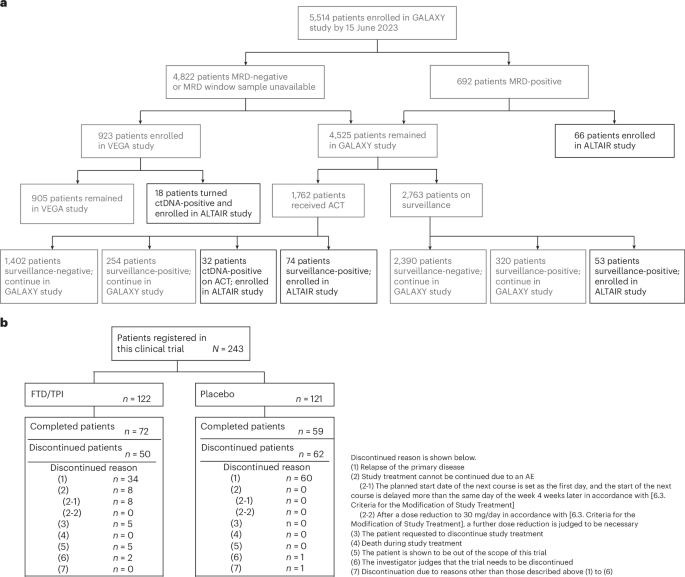
After colorectal cancer surgery, doctors often monitor patients by looking for tiny fragments of tumor DNA circulating in the blood. In this study, researchers wanted to see if giving a chemotherapy drug called trifluridine/tipiracil hydrochloride to patients who had these DNA fragments in their blood would help keep them cancer-free longer. They compared this drug to an inactive dummy pill, known as a placebo. Unfortunately, the study found that the drug did not successfully delay the return of the cancer compared to the placebo. This means that while we can detect cancer early through blood tests, we still need to find better treatments to actually stop it from coming back.

What this means for you

This study shows that a specific drug did not help delay cancer recurrence for patients with tumor DNA in their blood. Do not change your current treatment plan without discussing these findings with your doctor.

Citation:

Nature Medicine - AI Section, 2026. DOI: s41591-026-04428-0 Read article →

Safety Alert
Effects of SGLT2 inhibition on incident heart failure in carriers of cardiomyopathy-associated genetic variants
Nature Medicine - AI SectionPromising2 min read

Common Diabetes Drug Offers Extra Heart Protection for High-Risk Genes

Key Takeaway:

Genetic screening may help doctors identify patients with type 2 diabetes who will benefit most from the heart-protective drug dapagliflozin to prevent future heart failure.

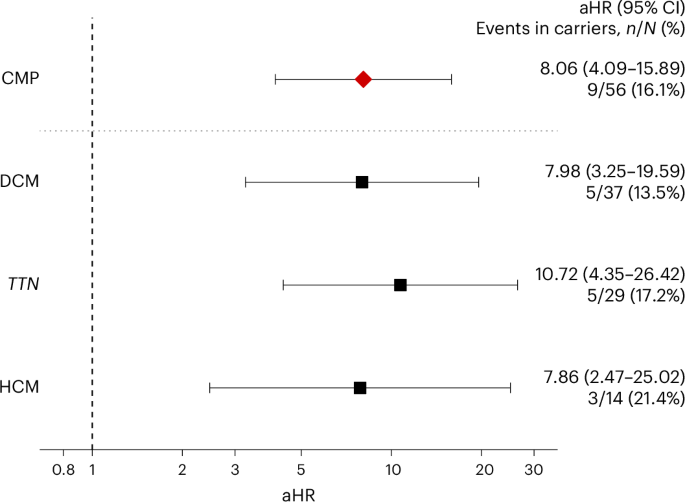
Researchers studied how a common diabetes medication called dapagliflozin helps prevent heart failure. By looking at patients' DNA, they discovered that the drug was significantly more effective at preventing heart failure hospitalizations in people who carried specific genetic mutations linked to heart muscle disease (cardiomyopathy). For patients without these genetic markers, the drug was still helpful, but the benefit was much smaller. This discovery is important because it suggests that a simple genetic test could help doctors prescribe the right preventative heart medications to the specific patients who need them most, ushering in a new era of personalized medicine.

What this means for you

If you have type 2 diabetes, a common medication called dapagliflozin may offer extra heart protection if you carry certain heart-disease genes. Do not alter your medication without consulting your doctor.

Citation:

Nature Medicine - AI Section, 2026. Read article →

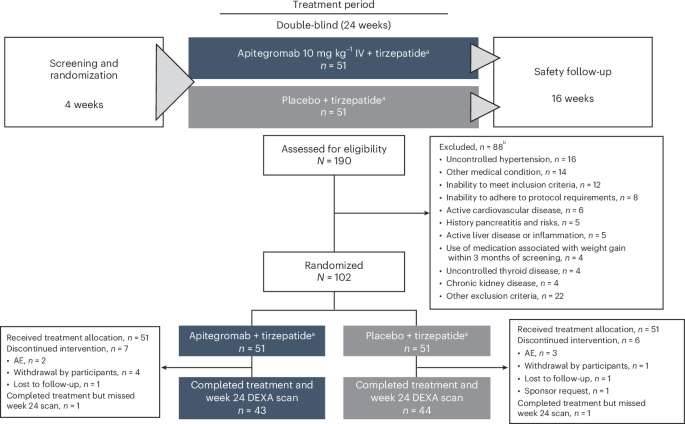
Apitegromab for lean mass preservation during tirzepatide-induced weight loss: a randomized, double-blind, placebo-controlled phase 2 trial
Nature Medicine - AI SectionPromising2 min read

New Drug Helps Protect Muscle Mass During Weight Loss

Key Takeaway:

Adding the drug apitegromab to tirzepatide weight-loss therapy helps patients preserve crucial muscle mass, which could improve physical strength and metabolic health within the next few years.

When people lose weight rapidly using popular new medications like tirzepatide, they do not just lose fat—they also lose valuable muscle, known as lean mass. This study looked at a new drug called apitegromab to see if it could protect muscle during weight loss. Researchers compared people taking both tirzepatide and apitegromab against those taking tirzepatide with a dummy treatment. They found that the group taking apitegromab lost much less muscle. This is important because keeping your muscle keeps you strong, active, and metabolically healthy as you lose weight.

What this means for you

This early-stage study shows that a new drug, apitegromab, helps protect muscle during weight loss. It is not yet available, and patients should not alter their current treatment plans based on these preliminary findings.

Citation:

Nature Medicine - AI Section, 2026. DOI: s41591-026-04440-4 Read article →
Safety Alert
ArXiv - AI in Healthcare (cs.AI + q-bio)Exploratory3 min read

When Does a Computer Program Legally Count as AI?

Key Takeaway:

This framework helps clarify when data-driven systems, including healthcare algorithms, possess the 'capability to infer' and must comply with strict European AI Act regulations.

The European Union recently passed the AI Act to regulate artificial intelligence, especially in high-risk areas. However, the law does not clearly define what makes a system 'AI' versus a simple calculator. It hinges on whether a system can 'infer' or make independent deductions from data. Researchers created a new framework to measure this capability. By testing it on credit scoring systems, they discovered that we must look at the entire data journey, including human involvement, to decide if a system qualifies as AI. For regular people, this research is a vital first step toward ensuring the algorithms used in healthcare and finance are properly regulated and safe.

What this means for you

Researchers are creating new guidelines to determine which computer programs count as regulated AI. This early-stage work does not currently affect your medical care or treatment options.

Citation:

ArXiv, 2026. arXiv: 2606.11769 Read article →

ArXiv - Quantitative BiologyExploratory2 min read

Virtual 'Digital Twins' Could Soon Map Your Entire Biology

Key Takeaway:

This new computer modeling framework connects different biological levels, from molecules to organs, to help doctors simulate personalized treatments for complex diseases like Alzheimer's.

Scientists have designed a new computer framework called OmniBioTwin to create highly detailed virtual replicas of human biology, known as health digital twins. Currently, virtual models are limited because they only look at one organ or one disease process at a time. This new system connects different levels of the body—from tiny molecules and cells up to whole organs—into one synchronized computer model. To show how it works, the researchers simulated how a specific gut-brain hormone pathway behaves in Alzheimer's disease. While this technology is still in its very early stages and not ready for clinics, it could one day help doctors safely test personalized treatments on a virtual version of you before prescribing them.

What this means for you

Scientists have designed a new blueprint for virtual patient models. This technology is in its earliest stages and is not yet ready for actual patient care.

Citation:

ArXiv, 2026. arXiv: 2606.11264 Read article →

Google News - AI in HealthcareExploratory3 min read

Doctors Demand Clear Rules and High Quality for Healthcare AI

Key Takeaway:

As AI becomes common in healthcare, the American Medical Association demands strict transparency and quality standards to ensure patient safety and clinical reliability.

Artificial intelligence, or AI, is quickly becoming a regular part of modern healthcare, helping doctors diagnose diseases and plan treatments. Because of this rapid growth, the American Medical Association is speaking out. They state that we must have strict rules for transparency and quality. This means developers must be completely honest about how their AI tools work, and these tools must be proven to be safe and accurate. For regular patients, this matters because it ensures that any computer program used in your medical care has been thoroughly checked and can be trusted to help keep you healthy.

What this means for you

The American Medical Association is pushing for strict quality and transparency rules for healthcare AI, ensuring these new tools are safe and reliable before they are used in your medical care.

Citation:

Google News - AI in Healthcare, 2026. Read article →

Guideline Update
Learning to lead in a hybrid human-AI enterprise
MIT Technology Review - AIExploratory2 min read

AI Coworkers Are Coming: Agent Adoption to Surge 300%

Key Takeaway:

As autonomous AI agents capable of independent task coordination surge by 300% over the next two years, organizations must prepare to lead hybrid human-AI workforces.

Technology is moving from simple computer programs that need constant human clicking to smart 'AI agents' that can do complex tasks on their own. Experts predict that the use of these independent AI agents will jump by 300% in the next two years. Unlike older software, these new AI tools can talk to different systems and coordinate complicated jobs without constant human supervision. For the average person, this means the businesses and healthcare offices you visit will soon rely heavily on a mix of human staff and independent digital assistants to manage your care and paperwork.

What this means for you

AI assistants in healthcare and workplaces are expected to grow by 300% in two years. These tools are still early in development, so always rely on your human doctor for medical decisions.

Citation:

MIT Technology Review - AI, 2026. Read article →
Drug Watch
Defining Autonomy for Wellness Robots in Senior Care
IEEE Spectrum - BiomedicalExploratory2 min read

How Smart Robots Could Soon Help Care for Seniors

Key Takeaway:

A new six-level autonomy scale helps safely guide the development of senior wellness robots to address care shortages by the early 2030s.

As the aging population grows, senior living facilities face severe staff shortages and struggle to provide daily activities. Researchers have developed a new framework to define a special class of 'wellness robots' designed to support senior health across seven areas, including social and physical well-being. To ensure these robots can operate safely, the researchers created a six-level rating scale to measure their independence, similar to how self-driving cars are graded. This framework maps out a path to bring fully independent helper robots into senior care facilities by the early 2030s, helping residents stay active and engaged when human staff are stretched thin.

What this means for you

Researchers are designing a safety scale for senior care robots to help with daily wellness. These helper robots are still in development and are expected around the early 2030s.

Citation:

IEEE Spectrum - Biomedical, 2026. Read article →

Post-adjuvant chemotherapy in ctDNA-positive patients with resected colorectal cancer: a randomized phase 3 trial
Nature Medicine - AI SectionPromising3 min read

DNA-Guided Cancer Drug Fails to Delay Colorectal Recurrence

Key Takeaway:

Using chemotherapy to treat colorectal cancer patients who test positive for tumor DNA during recovery does not significantly delay cancer recurrence compared to a placebo.

After colorectal cancer surgery, doctors can look for tiny pieces of tumor DNA (called ctDNA) floating in a patient's blood to see if the cancer might return. This study looked at whether giving a chemotherapy drug called trifluridine/tipiracil to patients with this trace DNA could help them stay cancer-free longer. Researchers compared the drug to a dummy pill (placebo) in a rigorous clinical trial. Surprisingly, they found that the chemotherapy did not significantly delay the return of the cancer. This means that while blood tests can find early warning signs of cancer, we still need to find better, more effective treatments to actually stop it from coming back.

What this means for you

This study shows that giving a specific chemotherapy drug to patients with trace cancer DNA in their blood did not delay cancer return. Do not alter your current treatment plan without consulting your oncologist.

Citation:

Nature Medicine - AI Section, 2026. DOI: s41591-026-04428-0 Read article →
Safety Alert
Effects of SGLT2 inhibition on incident heart failure in carriers of cardiomyopathy-associated genetic variants
Nature Medicine - AI SectionPromising3 min read

Common Diabetes Drug Offers Extra Heart Protection for High-Risk Genes

Key Takeaway:

Genetic testing may soon help doctors identify patients with type 2 diabetes who will benefit most from heart failure prevention drugs.

Researchers looked at the genetic data of people with type 2 diabetes to see how they responded to a common drug called dapagliflozin, which is known to help prevent heart failure. They discovered that the drug was significantly more effective at preventing heart failure hospitalizations in people who carried specific genetic mutations linked to heart muscle disease (cardiomyopathy). This means that in the future, a simple genetic test could help doctors pinpoint exactly which diabetes patients will get the absolute most heart-protecting benefit from this medication, moving us closer to truly personalized medicine.

What this means for you

This study shows a common diabetes drug may offer extra heart protection for people with specific genetic markers. Do not alter your medication without consulting your doctor.

Citation:

Nature Medicine - AI Section, 2026. Read article →
Safety Alert
ArXiv - AI in Healthcare (cs.AI + q-bio)Exploratory3 min read

When Does a Computer Program Count as Real AI?

Key Takeaway:

This framework helps clarify which data-driven systems possess the 'capability to infer,' determining if they must comply with strict European AI Act regulations.

The European Union recently passed the AI Act to regulate artificial intelligence, especially in high-risk areas. However, the law only applies to systems that have the 'capability to infer'—meaning they can make decisions or predictions on their own—and it does not clearly define what this means. Researchers created a new framework to measure different levels of this decision-making capability. By testing it on credit scoring systems, they found that we must look at the entire data process, including human involvement, to decide if a system counts as AI. This matters because it determines which computer programs must follow strict safety rules before being used on the public.

What this means for you

This study looks at how new European laws define artificial intelligence. It helps decide which computer systems face strict safety rules, though it does not immediately change your medical care.

Citation:

ArXiv, 2026. arXiv: 2606.11769 Read article →

Guideline Update
ArXiv - Quantitative BiologyExploratory2 min read

Scientists Map Out How the Human Brain Actually Learns

Key Takeaway:

Researchers have simulated a brain-inspired learning model using spiking neurons, showing how error-driven predictive learning in brain circuits can replicate complex, human-like learning processes.

Researchers have proposed a new way to explain how the outer layer of the brain, called the neocortex, learns. They developed a computer simulation using 'spiking neurons'—virtual brain cells that communicate like real ones do. This model successfully learned to complete difficult tasks by predicting outcomes and correcting its own mistakes, mimicking real brain chemistry and circuitry. By showing how biological brain cells actually adapt and process information, this study helps us understand human intelligence. In the future, these findings could help computer scientists build smarter artificial intelligence that thinks more like a human, and help doctors better understand brain-related health conditions.

What this means for you

Scientists have created a computer model that mimics how the human brain learns. This is early-stage basic research, so it will not affect your medical care or treatment options today.

Citation:

ArXiv, 2026. arXiv: 2606.08720 Read article →

Four Scenarios of AI Scribe Adoption in Healthcare
The Medical FuturistExploratory2 min read

How AI Scribes Are Changing the Way Doctors Take Notes

Key Takeaway:

AI scribes listen to patient-doctor conversations and automatically write medical records, potentially reducing administrative burnout for healthcare providers in the near future.

Going to the doctor often means watching them type on a computer instead of making eye contact. Researchers are looking at how new artificial intelligence, called AI scribes, can help. These smart apps securely listen to the conversation between you and your doctor. They then automatically turn that talk into accurate medical notes for your health record. This means your doctor can spend less time doing paperwork and more time focusing on your care. While this technology is still in the early stages of being adopted, it aims to make doctor visits feel more personal and less rushed for patients.

What this means for you

New AI tools can listen to your doctor's visit and write up the medical notes, allowing your doctor to focus more on you rather than a computer screen.

Citation:

The Medical Futurist, 2026. Read article →
Guideline Update
Rehumanizing global health care with agentic AI
MIT Technology Review - AIExploratory2 min read

Can Smart AI Rescue Our Overburdened Healthcare System?

Key Takeaway:

Agentic AI could help address global healthcare strain and clinician burnout caused by underinvestment, though concrete implementation timelines remain undefined.

The global healthcare system is in trouble. Years of underfunding and difficulties in hiring new staff have collided with a growing demand for care from an aging population. This has led to fragmented patient care and extremely high rates of stress and burnout among doctors and nurses. This article explores how 'agentic AI'—smart computer systems designed to take independent action on tasks—could help manage the heavy workload. By taking over administrative burdens, this technology aims to free up medical staff so they can focus more on treating patients, potentially making healthcare more human and accessible for everyone.

What this means for you

Healthcare systems worldwide are facing extreme stress and staff shortages. While new artificial intelligence tools are being explored to help doctors, these technologies are still in early stages and not yet ready to change your daily care.

Citation:

MIT Technology Review - AI, 2026. Read article →
Post-adjuvant chemotherapy in ctDNA-positive patients with resected colorectal cancer: a randomized phase 3 trial
Nature Medicine - AI SectionPromising2 min read

Early DNA Blood Test Fails to Help Direct Colon Cancer Treatment

Key Takeaway:

Using the drug trifluridine/tipiracil for colorectal cancer patients who test positive for residual tumor DNA during recovery does not successfully delay cancer recurrence.

After surgery for colon cancer, doctors can use advanced blood tests to look for tiny pieces of tumor DNA, which act as an early warning sign that the cancer might return. In this study, researchers wanted to see if giving a chemotherapy drug called trifluridine/tipiracil to patients with these positive DNA tests would help keep them cancer-free longer. Surprisingly, the study found that this chemotherapy did not delay the return of the cancer compared to a dummy pill (placebo). This matters to patients because it shows that while new DNA tests are great at spotting early warning signs, we still need to find better, more effective treatments to actually fight the cancer at this early stage.

What this means for you

This study shows that a specific chemotherapy drug did not help prevent colon cancer from returning, even when sensitive DNA blood tests showed early warning signs. Do not alter your current treatment plan.

Citation:

Nature Medicine - AI Section, 2026. DOI: s41591-026-04428-0 Read article →

Google News - AI in HealthcarePromising2 min read

New National Safety Certification Launched for Hospital AI Programs

Key Takeaway:

The Joint Commission's new AI certification program establishes a national standard to ensure hospitals use artificial intelligence safely and responsibly, starting immediately.

The Joint Commission, a major organization that rates hospital safety, has launched a new certification program for artificial intelligence in healthcare. As hospitals increasingly use AI to help diagnose illnesses and manage patient care, this program will officially review and certify that hospitals are using these powerful technologies safely and ethically. For patients, this means there is now a national watchdog checking to make sure that the AI tools used during your medical treatments are secure, reliable, and properly supervised by doctors. It is a major step toward making sure technology improves your care without compromising your safety.

What this means for you

A leading healthcare organization has launched a new safety certification to make sure hospitals use artificial intelligence tools safely. This program is available now to help protect your health data.

Citation:

Google News - AI in Healthcare, 2026. Read article →

Safety Alert
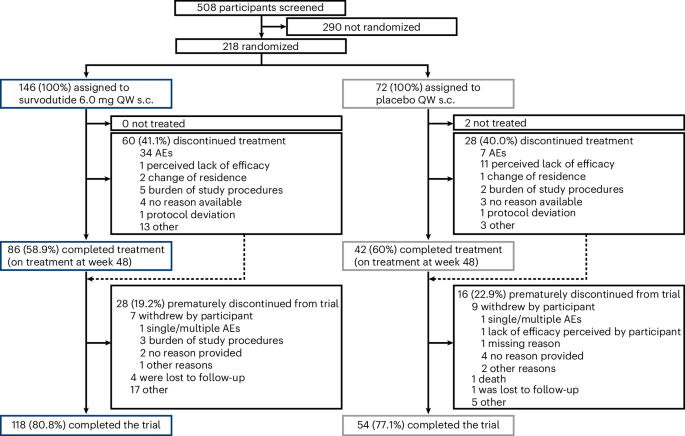
Survodutide in adults with obesity and metabolic dysfunction-associated steatotic liver disease: SYNCHRONIZE-MASLD, a randomized, double-blind, placebo-controlled phase 3 trial
Nature Medicine - AI SectionPractice-Changing3 min read

Weekly Injection Cuts Liver Fat and Weight in New Trial

Key Takeaway:

A weekly injection of the dual-action drug survodutide significantly reduces liver fat and body weight in adults with obesity and metabolic liver disease.

Researchers studied a new weekly injection called survodutide for adults struggling with obesity and a common liver condition called MASLD, which causes excess fat to build up in the liver. The study found that this drug, which mimics two natural gut hormones, successfully lowered both liver fat and overall body weight compared to a dummy treatment. This is important because excess liver fat can lead to permanent organ damage. While these results are highly encouraging, the drug is still being evaluated, meaning patients should continue to follow their current medical advice while scientists monitor its long-term safety and effectiveness.

What this means for you

A weekly injection called survodutide helps reduce liver fat and body weight. It is still being studied, so please consult your doctor before changing any current treatment plans.

Citation:

Nature Medicine - AI Section, 2026. DOI: s41591-026-04479-3 Read article →
Guideline Update
ArXiv - AI in Healthcare (cs.AI + q-bio)Promising3 min read

Smart AI Learns to Think Harder When Mistakes Are Costly

Key Takeaway:

A new AI scheduling method prioritizes computing power for high-stakes tasks, reducing costly errors by up to 33% and paving the way for safer healthcare AI.

When artificial intelligence models solve problems, they usually spend extra computing power on the hardest questions. However, this assumes all mistakes are equal. In reality, a minor typo is harmless, but a medical error can be catastrophic. Researchers developed a new system that estimates how damaging a mistake would be before the AI answers. It then routes high-stakes tasks to advanced "thinking" modes. Tested on 700 complex tasks, this risk-aware approach reduced severe, costly errors by 22% to 33%. While currently tested on software engineering, this method could eventually make healthcare AI much safer by ensuring the algorithm double-checks its work on critical patient decisions.

What this means for you

Researchers have designed a way for AI to think harder on high-stakes tasks to avoid costly mistakes. This early-stage technology is not yet ready for medical use.

Citation:

ArXiv, 2026. arXiv: 2606.04402 Read article →

Guideline Update
ArXiv - Quantitative BiologyExploratory2 min read

How the Brain Learns: Scientists Map Out Neocortex Secrets

Key Takeaway:

Researchers simulated how the brain learns using a computer model, showing that error-driven predictive learning in brain circuits can replicate human-like intelligence.

Scientists have created a computer model to explain how the outer layer of the brain, called the neocortex, actually learns. They proposed that the brain learns by constantly predicting what will happen next and correcting its own mistakes, a process called error-driven predictive learning. By testing this idea in a computer program with simulated brain cells, they showed it could successfully master difficult tasks. This research is exciting because it connects high-level computer science with actual brain chemistry. While it is still early-stage research and does not change medical care today, understanding this process could eventually help us design smarter artificial intelligence and find new ways to treat brain-related learning disorders.

What this means for you

Scientists used a computer model to show how brain cells might learn from mistakes. This is early-stage research and does not change current medical treatments or brain therapies.

Citation:

ArXiv, 2026. arXiv: 2606.08720 Read article →

Guideline Update
Rehumanizing global health care with agentic AI
MIT Technology Review - AIExploratory2 min read

Can Smart AI Save Our Strained Healthcare System?

Key Takeaway:

Integrating agentic AI into strained global healthcare systems could soon reduce clinician burnout and improve patient access by automating administrative tasks.

The global healthcare system is in trouble. Years of underfunding and difficulties in hiring new staff have collided with a growing demand for medical care from an aging population. This has led to fragmented care for patients and extremely high rates of stress and burnout for doctors and nurses. This article explores how a new wave of technology, called agentic AI, could help. By taking over time-consuming administrative tasks, these smart AI assistants could give medical staff their time back. Ultimately, this technology aims to make healthcare more human again by allowing doctors to focus on what they do best: caring for patients.

What this means for you

Global healthcare is facing major staff shortages. While new AI technology aims to help doctors spend more time with patients, these solutions are still in early development stages.

Citation:

MIT Technology Review - AI, 2026. Read article →
Drug Watch
Defining Autonomy for Wellness Robots in Senior Care
IEEE Spectrum - BiomedicalExploratory2 min read

How Self-Driving Tech Is Inspiring Future Senior Care Robots

Key Takeaway:

A new six-level scale adapted from self-driving car standards will help measure and guide the development of autonomous senior wellness robots by the early 2030s.

The senior care system is facing a major shortage of caregivers and daily activities for older adults. To help, researchers are developing socially assistive wellness robots. This paper introduces a new framework to define these robots and a six-level safety scale, inspired by self-driving car standards, to measure how independent they can be. By evaluating robots across four areas of care, this system aims to guide developers toward creating fully independent wellness robots by the early 2030s. For regular people, this means future senior living could feature safe, reliable robotic assistants to help loved ones stay active and socially engaged.

What this means for you

Researchers are designing a safety scale for senior wellness robots, aiming for safe use by the early 2030s. This is early-stage planning, so current care plans remain unchanged.

Citation:

IEEE Spectrum - Biomedical, 2026. Read article →

Post-adjuvant chemotherapy in ctDNA-positive patients with resected colorectal cancer: a randomized phase 3 trial
Nature Medicine - AI SectionPromising2 min read

DNA Blood Tests Fail to Guide Successful Colon Cancer Treatment

Key Takeaway:

For patients with resected colorectal cancer, using a specific chemotherapy drug after detecting tumor DNA in the blood during monitoring did not successfully delay cancer recurrence.

When patients have surgery for colon cancer, doctors monitor their blood for tiny fragments of tumor DNA, known as ctDNA, which can signal that the cancer is trying to return. In this study, researchers wanted to see if giving a chemotherapy pill called trifluridine/tipiracil to patients with these positive blood tests would help them stay cancer-free longer. Surprisingly, the study found that this chemotherapy did not delay the return of the cancer compared to a dummy pill, or placebo. For regular people, this means that while highly sensitive blood tests can spot early warning signs of cancer, doctors still need to find the right treatments to actually stop the disease at this early stage.

What this means for you

This study shows that a specific chemotherapy pill did not stop colon cancer from returning, even when blood tests caught early signs of tumor DNA. Patients should not change their current treatment plans.

Citation:

Nature Medicine - AI Section, 2026. DOI: s41591-026-04428-0 Read article →

Healthcare IT NewsPromising2 min read

How background AI is putting doctors' focus back on patients

Key Takeaway:

Implementing ambient AI in exam rooms aims to reduce the electronic documentation burden, allowing doctors to focus directly on patients rather than computer screens during visits.

For years, a major frustration in healthcare has been doctors spending more time typing on computers than looking at their patients. During appointments, doctors must constantly balance talking to patients with a massive amount of electronic paperwork, like writing referral letters and updating digital health records. To solve this, Beth Israel Lahey Health is introducing ambient artificial intelligence—a system that listens in the background to automatically handle clinical notes. By taking over the typing, this technology aims to reduce doctor burnout and, most importantly, allow your physician to look you in the eye and focus entirely on your care during your visit.

What this means for you

Doctors are testing new background AI technology to handle computer paperwork during visits, allowing them to focus entirely on you. This technology is currently being adopted to improve your face-to-face care.

Citation:

Healthcare IT News, 2026. Read article →

Guideline Update
Translating ‘food is medicine’ from concept to reality
Nature Medicine - AI SectionPromising2 min read

Can Prescribing Healthy Meals Lower Your Medical Bills?

Key Takeaway:

Medically tailored meals show promise in lowering healthcare costs and hospital use, but larger clinical studies are needed before this approach can be widely integrated into standard medical practice.

The ancient idea that 'food is medicine' is gaining modern scientific backing. Researchers are studying 'medically tailored meals'—healthy dishes customized for patients with specific medical conditions. Early evidence shows that providing these specialized meals can help keep patients healthier, leading to fewer hospital visits and lower overall healthcare costs. However, because most studies so far have been small, researchers need to conduct much larger trials to prove exactly how well these meal programs work. If successful, this research could pave the way for insurance companies and health systems to officially cover healthy food as a standard part of medical treatment.

What this means for you

Eating medically tailored meals may help lower healthcare costs, but larger studies are still needed. Please consult your doctor before making any major changes to your prescribed medical or dietary plans.

Citation:

Nature Medicine - AI Section, 2026. DOI: s41591-026-04420-8 Read article →

Guideline Update
ArXiv - AI in Healthcare (cs.AI + q-bio)Promising3 min read

How Casual AI Chats Quietly Replace Real Human Connections

Key Takeaway:

Routine, brief daily interactions with general-purpose AI can silently shift human preferences away from real-world support networks toward digital alternatives within just one month.

We often think people only bond with AI if they are lonely and looking for a virtual companion. However, new research shows that emotional attachment often happens by accident during everyday tasks on standard AI platforms. In a study conducted with OpenAI, people who chatted with an AI about personal topics for just five minutes a day over 28 days experienced a shift in their social habits. Their preference for seeking support from other humans dropped by 10.3%, while their preference for AI support rose by 11.6%. This matters because routine technology use can quietly steer us away from real-world relationships, meaning future safety policies must look beyond 'companion apps' to protect human connection.

What this means for you

Interacting with AI for just five minutes a day can quietly lower your desire to seek support from family and friends. Be mindful of relying on technology instead of human relationships for emotional comfort.

Citation:

ArXiv, 2026. arXiv: 2606.04150 Read article →

Guideline Update
ArXiv - Quantitative BiologyExploratory3 min read

A New Mathematical Theory Explains How Minds Think and Remember

Key Takeaway:

This new mathematical theory explains how biological and artificial minds organize memory and reasoning, which could eventually help researchers design better diagnostic tools for cognitive decline.

Researchers have developed a new mathematical theory, called cognitive field theory, to explain how both human brains and artificial intelligence learn and remember. Currently, scientists use different rules to describe computer learning versus human thinking. This new model unifies them by showing that memory and reasoning are created by slow-moving, organized patterns of activity. These patterns help the system hold onto information for long periods without forgetting. While this is highly technical math, understanding these basic rules of the mind could eventually help doctors better understand memory loss diseases or help engineers build more human-like medical AI.

What this means for you

Scientists have created a new mathematical theory to explain how the brain processes memory and learning. This is early research and does not change current medical care.

Citation:

ArXiv, 2026. arXiv: 2601.10221 Read article →

Guideline Update
Rehumanizing global health care with agentic AI
MIT Technology Review - AIExploratory2 min read

Can Smart AI Help Fix the Global Doctor Shortage?

Key Takeaway:

Agentic AI could help relieve severe global healthcare strain and clinician burnout by automating administrative tasks, though practical clinical timelines remain undefined.

The world's healthcare systems are under massive pressure. Years of underfunding and difficulties in hiring new staff have collided with a growing, aging population that needs more care than ever. This has led to fragmented medical services and extremely high rates of stress and burnout among doctors and nurses. This report looks at how 'agentic AI'—smart computer systems that can perform tasks independently—might help. By taking over time-consuming paperwork and administrative chores, these AI tools could free up medical professionals, allowing them to focus on what they do best: caring for patients.

What this means for you

Global healthcare is facing major staffing shortages and burnout. While new AI technologies are being explored to help doctors spend more time with patients, these solutions are still in early development.

Citation:

MIT Technology Review - AI, 2026. Read article →

Drug Watch
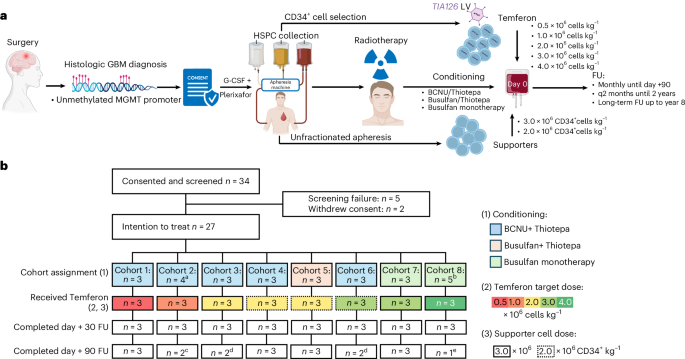
Tumor-targeted interferon-α gene therapy for glioblastoma: a phase 1 trial
Nature Medicine - AI SectionExploratory2 min read

Engineered Stem Cells Show Promise in Fighting Deadly Brain Tumors

Key Takeaway:

A novel stem cell gene therapy safely delivers localized immune-boosting interferon-α to glioblastoma tumors, showing promising immune changes in an early-phase trial of twenty-four patients.

Researchers are testing a new way to treat glioblastoma, a highly aggressive type of brain cancer. In an early-stage study of 24 patients, scientists used the patients' own stem cells, which were genetically modified in a lab, to deliver a powerful immune-boosting protein called interferon-α directly to the tumor. This targeted approach was safe, well-tolerated, and successfully triggered an immune response inside the tumor. While this is a promising step forward in brain cancer research, the treatment is still in the early testing phases and is not yet widely available for patients.

What this means for you

An early-stage study of 24 patients shows a new gene therapy safely targets brain tumors, but further research is needed before this treatment becomes widely available to the public.

Citation:

Nature Medicine - AI Section, 2026. DOI: s41591-026-04419-1 Read article →

Safety Alert
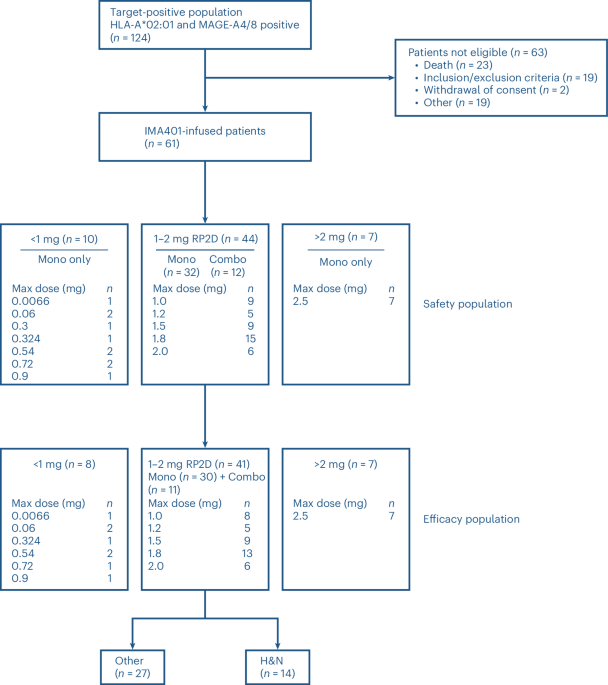
MAGE-A4/MAGE-A8-targeted TCR-based bispecific T cell engager in recurrent and/or refractory solid tumors: a phase 1 trial
Nature Medicine - AI SectionExploratory2 min read

New Immune-Boosting Drug Shows Early Promise Against Advanced Cancers

Key Takeaway:

An early-stage trial shows a new immune-boosting drug, IMA401, is safe and shows early promise against advanced head, neck, and skin cancers.

Researchers have tested a new type of immunotherapy drug called IMA401 in an early-stage clinical trial. This drug acts like a molecular bridge, helping the body's own immune cells find and destroy cancer cells by targeting specific proteins found in tumors. The study looked at patients with advanced head and neck cancers or melanoma (a severe skin cancer). The early results show that the treatment is safe and is starting to show signs of fighting the tumors, especially when combined with existing immune therapies. While this is an exciting step forward, the drug is still in the early stages of testing and is not yet widely available.

What this means for you

An early-stage study shows a new immunotherapy drug is safe and showing promising results against advanced cancers. It is still years away from general availability.

Citation:

Nature Medicine - AI Section, 2026. Read article →

Safety Alert
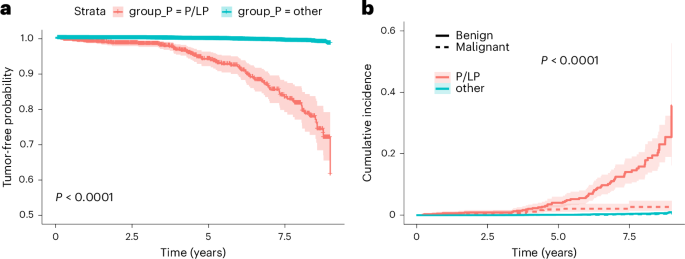
Pathogenic germline variants identify elevated cancer risk in pediatric patients referred for genetic testing
Nature Medicine - AI SectionPromising2 min read

Inherited Genes Help Predict Future Cancer Risk in Children

Key Takeaway:

Identifying inherited gene mutations in children helps doctors predict future tumor risks, allowing for early cancer screening and personalized monitoring plans.

Scientists studied the DNA of children who were sent for genetic testing to see if certain inherited gene changes, called germline variants, could predict future health issues. They discovered that children with these specific genetic changes have a much higher risk of developing tumors later on. This is important because knowing a child's genetic risk allows doctors to create personalized watchlists, catching potential cancers early when they are easiest to treat. For families, this means genetic testing could offer a vital roadmap for keeping their children safe and healthy.

What this means for you

Researchers found that certain inherited genes can show if a child has a higher risk of developing future tumors. This could help doctors catch cancers much earlier, though current treatment plans should not be changed without consulting your physician.

Citation:

Nature Medicine - AI Section, 2026. DOI: s41591-026-04451-1 Read article →

Google News - AI in HealthcarePromising3 min read

New Safety Guides Released for Using AI in Healthcare

Key Takeaway:

The Coalition for Health AI has launched new governance playbooks to help healthcare organizations safely, ethically, and responsibly adopt artificial intelligence technologies.

The Coalition for Health AI (CHAI) has released new instruction manuals, called governance playbooks, to help hospitals and doctors safely use artificial intelligence. As AI technology grows rapidly in medicine, there is a strong need for clear rules to protect patient privacy and ensure these tools work correctly. These new playbooks provide a step-by-step guide for healthcare systems to check, approve, and monitor AI tools before they are used in patient care. This matters to regular patients because it helps guarantee that any AI tool involved in their diagnosis or treatment has passed strict safety and ethical checks, making modern healthcare safer and more reliable for everyone.

What this means for you

A major health coalition has released new safety guides for hospitals using artificial intelligence. This aims to ensure AI tools are safe and secure before they affect your medical care.

Citation:

Google News - AI in Healthcare, 2026. Read article →

Healthcare IT NewsPromising3 min read

How smart technology is putting doctors' focus back on patients

Key Takeaway:

Implementing ambient AI in exam rooms reduces the administrative burden of electronic documentation, allowing clinicians to focus on building personal connections with patients during visits.

For years, patients have gone to the doctor only to watch them type on a computer screen. Doctors have had to balance listening to patients with a massive amount of paperwork, including typing up visit notes and referral letters. To solve this, Beth Israel Lahey Health introduced ambient artificial intelligence, a technology that listens in the background during your appointment. This smart system automatically writes up the medical notes, freeing the doctor from the keyboard. This means your doctor can look you in the eye, listen closely to your concerns, and focus entirely on your care instead of a computer screen.

What this means for you

A new ambient AI technology helps doctors spend less time typing on computers during appointments, allowing them to focus more on listening and talking directly to you.

Citation:

Healthcare IT News, 2026. Read article →

Safety Alert
ArXiv - AI in Healthcare (cs.AI + q-bio)Promising2 min read

Why Having AI Models Debate Each Other Makes Them Smarter

Key Takeaway:

This new protocol coordinates multiple cheap AI models to debate medical and scientific claims, successfully uncovering hidden biases and training blind spots at a fraction of the cost of larger systems.

When we ask a single AI for medical information, it might confidently give us an incorrect answer due to biases in its training. To solve this, researchers created the Consilium Protocol, a system where multiple cheap AI models are given different 'personalities' and forced to debate each other. Across 1,478 test debates, this collaborative arguing helped the AIs find 167 hidden blind spots and errors that they would have missed individually. Remarkably, this method allowed inexpensive AI models to perform just as well as giant, costly ones. This research could eventually lead to much more reliable, unbiased, and affordable AI assistants for doctors and patients.

What this means for you

Researchers created a system where multiple AI programs debate each other to find errors. While promising for making future medical AI safer, this technology is still in early testing and not ready for patient care.

Citation:

ArXiv, 2026. arXiv: 2606.00005 Read article →

Guideline Update
ArXiv - Quantitative BiologyExploratory3 min read

How Minds and Machines Remember: A New Mathematical Theory

Key Takeaway:

This new mathematical theory explains how biological and artificial minds organize memory and reasoning, which could eventually help researchers better understand human cognitive decline and design smarter medical AI.

Scientists have developed a new mathematical framework called Cognitive Field Theory to explain how both human brains and artificial intelligence learn, remember, and make decisions. Currently, researchers use different theories to describe these mental processes. This new model shows that learning and memory are controlled by organized, slow-moving patterns of activity that help the system hold onto information over long periods without forgetting. By mapping these patterns, the theory explains how complex reasoning naturally emerges in both biological minds and computer algorithms. While this is early-stage math research, it could eventually help us better understand memory loss in patients and build smarter medical software.

What this means for you

Scientists have created a new mathematical theory to explain how brains and AI learn and remember. This is early-stage basic science and does not change current medical treatments or health advice.

Citation:

ArXiv, 2026. arXiv: 2601.10221 Read article →

Guideline Update
Rehumanizing global health care with agentic AI
MIT Technology Review - AIExploratory2 min read

Can Smart AI Save Our Strained Global Healthcare System?

Key Takeaway:

Addressing global healthcare strain with agentic AI could soon help reduce widespread clinician burnout and improve fragmented patient access to essential medical services.

Our global healthcare system is under massive pressure. For decades, there has not been enough funding or staff recruitment, even as more people are growing older and needing care. This has left patients facing broken, hard-to-access services, while doctors and nurses are suffering from extreme stress and burnout. This article looks at how a new kind of smart technology, called agentic artificial intelligence, might help. By taking over administrative tasks and organizing care, these AI tools could give medical staff their time back. Ultimately, this could make healthcare feel more human and less rushed for patients everywhere.

What this means for you

Global healthcare is facing major strains and staff burnout. While new AI technology is being explored to help, these solutions are still in early stages and not yet ready to change your daily care.

Citation:

MIT Technology Review - AI, 2026. Read article →

Safety Alert
Pathogenic germline variants identify elevated cancer risk in pediatric patients referred for genetic testing
Nature Medicine - AI SectionPromising2 min read

Genetic testing predicts future tumor risks in children

Key Takeaway:

Identifying inherited genetic risk variants in children helps doctors predict future tumor risks, enabling personalized counseling and early cancer surveillance starting today.

A new study published in Nature Medicine analyzed large genomic datasets from children referred for genetic testing. Researchers discovered that identifying specific inherited genetic mutations, known as pathogenic germline variants, provides a highly reliable way to predict a child's future risk of developing tumors. By tracking these genetic markers alongside long-term patient outcomes, the study establishes a clear link between these specific genes and elevated cancer risks. This breakthrough provides doctors with a solid scientific foundation to design personalized cancer monitoring and early intervention plans, potentially catching tumors at their earliest, most treatable stages.

What this means for you

This study shows that genetic testing can identify children at higher risk for future tumors. If your child had genetic testing, discuss these findings with your doctor before changing any medical plans.

Citation:

Nature Medicine - AI Section, 2026. DOI: s41591-026-04451-1 Read article →

Drug Watch
Fibroblast growth factor receptor inhibition for succinate dehydrogenase-deficient gastrointestinal stromal tumors: a phase 2 trial
Nature Medicine - AI SectionPromising2 min read

New drug targets rare, drug-resistant stomach cancer

Key Takeaway:

A phase 2 trial shows the drug rogaratinib targets a specific genetic pathway to successfully treat a rare, drug-resistant form of gastrointestinal stomach cancer.

A multicenter phase 2 clinical trial evaluated a new drug called rogaratinib for patients with a rare subtype of gastrointestinal stromal tumor. This specific cancer is notoriously difficult to treat because it resists the standard drugs used for other stomach tumors. Rogaratinib works by blocking a specific cellular pathway to stop the cancer from growing. The trial results showed encouraging clinical effectiveness, proving that targeting this specific genetic pathway can successfully treat this stubborn form of cancer and offering patients a much-needed new treatment option.

What this means for you

This early-stage study shows a new drug, rogaratinib, may help treat a rare stomach cancer. It is not yet widely available, and patients should not change their current treatment plans.

Citation:

Nature Medicine - AI Section, 2026. DOI: s41591-026-04376-9 Read article →

Google News - AI in HealthcarePromising2 min read

New guidelines released for safe hospital AI adoption

Key Takeaway:

The Coalition for Health AI has released new governance playbooks to help healthcare organizations safely and responsibly adopt artificial intelligence technologies starting now.

The Coalition for Health AI has released new governance playbooks to help healthcare organizations safely and responsibly adopt artificial intelligence. As AI tools are rapidly integrated into both clinical care and administrative tasks, hospitals have lacked a unified framework to manage them. These new playbooks offer actionable best practices, risk mitigation strategies, and continuous monitoring guidelines. By establishing these industry-wide standards, the coalition aims to help medical institutions deploy AI technologies without compromising patient safety, data privacy, or treatment equity.

What this means for you

A health coalition has released new guidelines to help hospitals use artificial intelligence safely. These guidelines are available now to help ensure AI tools protect patient safety and privacy.

Citation:

Google News - AI in Healthcare, 2026. Read article →

Safety Alert
MAGE-A4/MAGE-A8-targeted TCR-based bispecific T cell engager in recurrent and/or refractory solid tumors: a phase 1 trial
Nature Medicine - AI SectionExploratory2 min read

Novel immunotherapy shows early promise for advanced cancers

Key Takeaway:

This early-stage trial shows that a novel T-cell-engaging immunotherapy, IMA401, is safe and shows early promise for treating advanced head and neck cancers and melanoma.

An early-stage clinical trial presented at the 2026 ASCO Annual Meeting evaluated a new immunotherapy drug called IMA401. This drug is a bispecific T-cell engager, designed to help the body's immune system recognize and attack specific proteins found on tumor cells. The trial tested the drug on patients with advanced solid tumors that had returned or resisted other treatments. Early results showed that the drug is safe and has already shown positive signs of shrinking tumors in patients with head and neck cancers as well as melanoma, whether used alone or with other therapies.

What this means for you

This early-stage study shows a new immune-boosting drug, IMA401, is safe and showing early promise against advanced melanoma and head and neck cancers. It is not yet widely available.

Citation:

Nature Medicine - AI Section, 2026. Read article →

Healthcare IT NewsPromising2 min read

Joint Commission launches voluntary ethical AI certification

Key Takeaway:

The Joint Commission's new voluntary certification helps healthcare organizations safely and ethically deploy artificial intelligence, focusing on institutional governance rather than certifying individual software tools.

The Joint Commission has introduced a new voluntary certification program called "Responsible Use of AI in Healthcare." Instead of testing and certifying individual AI algorithms or software products, this program evaluates the hospital's overall organizational governance and oversight. The goal is to help healthcare systems build safe, transparent, and ethical infrastructure around how they use AI. Because the certification is voluntary, hospitals are not required to participate, but it provides a clear framework for institutions looking to prove they use AI responsibly.

What this means for you

A new voluntary certification program encourages hospitals to use artificial intelligence safely and ethically. This program is available now, but patients should know it rates hospital management, not individual medical tools.

Citation:

Healthcare IT News, 2026. Read article →

Safety Alert
ArXiv - AI in Healthcare (cs.AI + q-bio)Promising3 min read

Debating AI models team up to expose medical biases

Key Takeaway:

This new protocol helps multiple AI models debate medical and scientific topics to uncover hidden biases and training blind spots, potentially lowering reasoning costs.

Researchers have introduced the Consilium Protocol, a system that allows multiple AI models to debate complex topics. Instead of treating disagreements between AI models as errors, this protocol uses those disagreements to find blind spots and biases in the models' training data. By assigning different "personas" to the models and using validation methods from finance, the system ran over 1,400 debates across various domains. The study found that structured debate, rather than the size of the AI model, drives better reasoning, meaning cheaper AI models can produce highly accurate analytical results.

What this means for you

Researchers are using a new debate method to make AI systems more reliable and less biased. This technology is in early development and should not be used for medical advice.

Citation:

ArXiv, 2026. arXiv: 2606.00005 Read article →

Guideline Update
ArXiv - Quantitative BiologyExploratory2 min read

New math theory explains how brains and AI learn

Key Takeaway:

This new mathematical framework explains how brain-like systems organize memory and reasoning, which could eventually help design more adaptive, human-like medical artificial intelligence.

A new theoretical study has introduced "cognitive field theory," a mathematical framework designed to unify how humans and machines learn, remember, and reason. Currently, different scientific fields use separate rules to describe biological brains and artificial intelligence. This new theory uses complex equations to show how memory and reasoning naturally organize themselves within a high-dimensional mental space. By explaining how minds adapt and retain information over time, this framework could eventually help engineers design advanced medical AI that thinks and learns more like a human doctor.

What this means for you

This early research proposes a new mathematical theory on how the brain and AI learn. It does not affect current medical treatments or patient care.

Citation:

ArXiv, 2026. arXiv: 2601.10221 Read article →

Guideline Update
Rehumanizing global health care with agentic AI
MIT Technology Review - AIExploratory2 min read

Can "agentic AI" save healthcare from global burnout?

Key Takeaway:

Agentic AI aims to reduce clinician burnout and improve global care access by automating administrative tasks, though widespread clinical implementation timelines remain undefined.

Global healthcare systems are facing severe strain from underfunding, staff shortages, and an aging population. This analysis looks at how "agentic AI"—AI systems designed to independently perform complex tasks—could help. The technology could ease the burden on stressed medical staff by automating tedious administrative work and improving patient access to care. However, while the potential to reduce clinician burnout is significant, the actual timeline for when these advanced AI agents will be widely used in real-world clinics remains undefined.

What this means for you

Global healthcare faces shortages, and researchers hope AI can help free up doctors' time. This technology is still in early development, so your current care remains unchanged.

Citation:

MIT Technology Review - AI, 2026. Read article →

Safety Alert
Pathogenic germline variants identify elevated cancer risk in pediatric patients referred for genetic testing
Nature Medicine - AI SectionPromising2 min read

Genetic testing spots future tumor risks in children

Key Takeaway:

Identifying inherited cancer-risk genes in pediatric patients helps doctors predict future tumor risks, allowing for personalized long-term monitoring and counseling starting today.

A peer-reviewed study published in Nature Medicine analyzed large-scale genomic data from pediatric patients referred for genetic testing. Researchers discovered a statistically significant link between inherited gene mutations and the subsequent development of tumors. By tracking these genetic markers over time, the study proves that inherited risk genes can reliably predict future cancer events in children. This finding is crucial because it gives pediatricians a clear roadmap to start personalized long-term monitoring and counseling early, potentially catching and treating tumors before they become life-threatening.

What this means for you

This study shows that genetic testing can identify children with a higher risk of developing future tumors. Talk to your doctor about genetic counseling, but do not alter current medical care.

Citation:

Nature Medicine - AI Section, 2026. DOI: s41591-026-04451-1 Read article →

Nature Medicine - AI SectionExploratory2 min read

Utah's AI sandbox reveals how to safely test medical algorithms

Key Takeaway:

Utah's clinical AI sandbox demonstrates how independent regulatory oversight can safely accelerate the validation of healthcare algorithms before widespread clinical adoption.

An analysis in Nature Medicine looked at Utah's clinical artificial intelligence sandbox, a state initiative where developers test AI tools using real patient data under strict regulatory supervision. The study highlights how this collaborative approach bridges the gap between developers' claims and independent clinical reality. By providing structured, independent oversight, the sandbox model ensures data privacy and safety while helping doctors verify that AI tools actually work as intended before they are adopted in mainstream medicine.

What this means for you

This study looks at a new government program in Utah designed to safely test medical AI. These tools are still being evaluated and are not yet widely available.

Citation:

Nature Medicine - AI Section, 2026. DOI: s41591-026-04418-2 Read article →

Drug Watch
Fibroblast growth factor receptor inhibition for succinate dehydrogenase-deficient gastrointestinal stromal tumors: a phase 2 trial
Nature Medicine - AI SectionPromising2 min read

New drug targets rare, drug-resistant stomach tumors

Key Takeaway:

A new phase 2 trial shows that the drug rogaratinib successfully targets a genetic switch to treat rare, drug-resistant gastrointestinal tumors.

A clinical trial published in Nature Medicine evaluated a drug called rogaratinib for patients with a specific, hard-to-treat subtype of gastrointestinal stromal tumors. These tumors lack a key enzyme, making them resistant to standard cancer drugs. Rogaratinib works by blocking a different cellular pathway, bypassing the tumor's natural resistance. The trial demonstrated encouraging clinical success, proving that targeting this alternative genetic switch is an effective way to treat patients who previously had very few therapeutic options.

What this means for you

This early-stage study shows a new drug, rogaratinib, may help treat a rare type of stomach tumor. It is not yet widely available, and patients should not change their current treatments.

Citation:

Nature Medicine - AI Section, 2026. DOI: s41591-026-04376-9 Read article →

Google News - AI in HealthcarePromising2 min read

New playbooks released to guide responsible healthcare AI adoption

Key Takeaway:

The Coalition for Health AI has released new governance playbooks to help healthcare organizations safely and responsibly adopt artificial intelligence technologies.

The Coalition for Health AI has released new governance playbooks to help healthcare organizations safely adopt and monitor artificial intelligence technologies. Created through a collaboration of healthcare, technology, and academic experts, these playbooks offer step-by-step guidance on how to evaluate, implement, and track AI tools in clinical settings. Rather than leaving hospitals to figure out AI safety on their own, these guidelines establish a unified standard for responsible, ethical, and effective AI deployment.

Citation:

Google News - AI in Healthcare, 2026. Read article →

Safety Alert
MAGE-A4/MAGE-A8-targeted TCR-based bispecific T cell engager in recurrent and/or refractory solid tumors: a phase 1 trial
Nature Medicine - AI SectionExploratory2 min read

Immune-boosting drug shows early promise against solid tumors

Key Takeaway:

An early-stage trial shows a new immune-boosting drug, IMA401, is safe and shows early promise against recurrent head, neck, and skin cancers.

Presented at the 2026 ASCO Annual Meeting, an early-stage clinical trial evaluated a new immunotherapy drug called IMA401. This drug is a bispecific T cell engager, designed to guide the body's own immune cells to target and destroy specific proteins found on solid tumors. Testing the drug both alone and alongside other therapies in patients with advanced, hard-to-treat cancers, researchers found that the treatment is safe, well-tolerated, and shows early signs of shrinking tumors, particularly in patients with head and neck cancers and melanoma.

What this means for you

This early-stage study shows a new immunotherapy is safe and showing early promise for advanced cancers. It is not yet widely available, and standard treatments should not be changed.

Citation:

Nature Medicine - AI Section, 2026. Read article →

Healthcare IT NewsPromising2 min read

The Joint Commission launches voluntary hospital AI certification

Key Takeaway:

The Joint Commission's new voluntary certification helps hospitals safely and ethically manage healthcare artificial intelligence, rather than certifying individual medical software tools.

The Joint Commission has introduced a voluntary certification called 'Responsible Use of AI in Healthcare.' Rather than testing individual software tools, this program evaluates the hospitals themselves. It reviews how healthcare organizations deploy, monitor, and manage AI technologies across their clinical and administrative systems. The goal is to ensure that hospitals have strong, ethical governance structures in place to keep AI use safe, transparent, and reliable for all patients.

What this means for you

A new voluntary hospital certification aims to ensure your healthcare provider uses artificial intelligence safely and ethically, though it does not directly test individual medical tools.

Citation:

Healthcare IT News, 2026. Read article →

Guideline Update
ArXiv - AI in Healthcare (cs.AI + q-bio)Exploratory2 min read

Teaching AI to recognize its own limitations prevents errors

Key Takeaway:

Teaching artificial intelligence to recognize its own limits and delegate difficult tasks prevents errors, making clinical AI tools safer and more reliable for future medical decision-making.

A new study addresses a major flaw in modern artificial intelligence: models often confidently guess answers to questions they do not actually understand. Researchers tested a method called Capability Self-Assessment to teach AI systems to recognize their own limits and delegate hard tasks. They found that training models using reinforcement learning—rewarding the AI for correctly identifying what it does not know—successfully taught the AI to step back without hurting its overall performance, making future clinical AI tools far more reliable.

What this means for you

Researchers are teaching medical AI to recognize when it does not know an answer and needs to ask a human. This technology is in early development and not ready for clinical use.

Citation:

ArXiv, 2026. arXiv: 2606.00251 Read article →

Guideline Update
ArXiv - Quantitative BiologyExploratory2 min read

Brain-mimicking AI learns faster and resists visual noise

Key Takeaway:

By mimicking brain cells, novel hybrid AI models can learn from very few examples and resist errors caused by visual noise or obstructions.

Standard artificial intelligence models struggle when they have very little data to learn from or when faced with visual noise and obstructions. To solve this, researchers built a hybrid AI model that embeds genuine brain-mimicking circuits into standard neural networks. These circuits copy biological structures, including spiking cells and helper cells. The resulting hybrid AI successfully learned from only a few examples and maintained high accuracy even when tested under noisy, highly distorted conditions that normally cause standard AI models to fail.

What this means for you

Researchers have designed a new AI inspired by real brain cells that learns quickly and handles messy data. This technology is in early development and not yet ready for medical use.

Citation:

ArXiv, 2026. arXiv: 2606.01841 Read article →

Guideline Update
Rehumanizing global health care with agentic AI
MIT Technology Review - AIExploratory2 min read

Can agentic AI rescue struggling global healthcare systems?

Key Takeaway:

Integrating agentic AI into strained global health systems could reduce clinician burnout and improve patient access to care within the next few years.

Global healthcare systems are facing severe crises due to underfunding, staff shortages, and an aging population, leading to extreme clinician burnout. This analysis explores how 'agentic' AI—systems that can independently plan and execute complex tasks—could help. By taking over heavy administrative burdens and streamlining chaotic clinical workflows, these advanced AI assistants could free up doctors and nurses to focus on direct patient care, helping to restore a human touch to medicine.

What this means for you

Global healthcare systems are facing severe strain, and researchers are exploring AI to help doctors spend more time with patients. This technology is still in early development stages.

Citation:

MIT Technology Review - AI, 2026. Read article →

Safety Alert
ArXiv - Quantitative BiologyPromising3 min read

Routine blood test trends can predict your future cancer risk

Key Takeaway:

Routine blood tests can help identify early signs of cancer and other diseases, improving early detection and personalized treatment strategies.

Using data from the UK Biobank, researchers analyzed long-term patterns in routine blood tests, like standard blood cell counts, across a highly diverse group of patients. Instead of looking at a single snapshot in time, the study tracked how these blood markers changed over years. The researchers discovered distinct, long-term patterns in blood cell trajectories that act as unique signatures for specific diseases, including various infections, heart conditions, and cancers. By recognizing these subtle trends early, doctors could soon use simple, inexpensive blood tests to predict a patient's overall cancer risk and catch serious illnesses years before traditional symptoms emerge.

What this means for you

Exciting early research suggests blood tests might predict cancer risk, but it's not ready for clinical use yet. Keep following your doctor's advice and don't change your care based on this study alone.

Citation:

ArXiv, 2026. arXiv: 2604.11824 Read article →

Drug Watch
ArXiv - Quantitative BiologyExploratory3 min read

Computational pipeline predicts how aggressive cancers evolve and resist treatment

Key Takeaway:

ECLIPSE is a new tool that predicts how certain aggressive cancers might develop and respond to treatment by analyzing extrachromosomal DNA, potentially improving targeted therapy strategies.

Roughly 30% of aggressive cancers are driven by small, circular loops of DNA that exist outside of our normal chromosomes. These loops make tumors grow rapidly and resist standard treatments. Researchers built a new digital pipeline called ECLIPSE to predict how these DNA loops form and change over time. Unlike older tools that suffered from circular logic, ECLIPSE uses a data-driven approach to identify the specific vulnerabilities of these tumors, helping doctors choose better, highly targeted therapies.

What this means for you

"Exciting early research on cancer DNA, but it's not yet ready for clinical use. It may take years to be available. Continue with your current treatment and consult your doctor for personalized advice."

Citation:

ArXiv, 2026. arXiv: 2604.06569 Read article →

AI uncovers significant misdiagnoses in carcinoma type, study shows
Healthcare IT NewsPromising3 min read

AI algorithm catches critical lung cancer misdiagnoses

Key Takeaway:

An AI tool significantly improves the accuracy of diagnosing lung cancer types, helping doctors choose better treatments, as shown in a recent study.

Distinguishing between primary lung cancer and cancer that has spread to the lungs from other parts of the body is incredibly difficult for human pathologists. A new study shows that an AI tool called GPSai significantly reduces these diagnostic errors. By analyzing tissue samples with machine learning, the AI accurately identified the true origin of the cancer. Because different cancer types require vastly different treatments, this AI intervention ensures patients get the correct therapy right away, saving lives and resources.

What this means for you

"Early research shows AI may improve cancer diagnosis accuracy, but it's not yet available in clinics. Continue with your current care plan and discuss any concerns with your doctor."

Citation:

Healthcare IT News, 2026. Read article →

Google News - AI in HealthcareExploratory3 min read

Bridging the rural health divide with AI governance guidelines

Key Takeaway:

Implementing AI governance in rural hospitals can significantly reduce healthcare technology gaps between rural and urban areas, improving patient care access and quality.

Rural hospitals often lag behind major urban medical centers in adopting helpful technologies. A study by the American Hospital Association looked at how structured AI rules and governance can help close this gap. By interviewing rural hospital leaders, researchers found that clear guidelines help these resource-strapped facilities implement AI safely and efficiently. This governance ensures that rural patients benefit from advanced diagnostic tools and automated scheduling, reducing the quality gap between city and country healthcare.

What this means for you

This research shows promise for improving rural healthcare with AI, but it's still early. It may take years before it's available. Continue following your doctor's current advice for your care.

Citation:

Google News - AI in Healthcare, 2026. Read article →

Enabling agent-first process redesign
MIT Technology Review - AIExploratory3 min read

Autonomous AI agents set to redesign healthcare workflows

Key Takeaway:

AI agents can autonomously improve healthcare processes in real-time, potentially enhancing patient care and operational efficiency within the next few years.

Instead of just plugging AI into old, slow software systems, researchers at MIT Technology Review argue we need to let AI agents run entire workflows from scratch. These advanced AI agents can observe, learn, and optimize administrative tasks in real-time. In a healthcare setting, this means autonomously managing patient scheduling, billing, and data entry. By redesigning processes to be AI-first, hospitals can drastically cut down on paperwork, reduce human error, and let medical staff spend more time at the bedside.

What this means for you

This research on AI in healthcare is promising but still in early stages. It may take years to be available. Continue following your doctor's current recommendations for your care.

Citation:

MIT Technology Review - AI, 2026. Read article →

Drug Watch
ArXiv - Quantitative BiologyExploratory3 min read

New computational pipeline ECLIPSE predicts how aggressive cancers evolve

Key Takeaway:

ECLIPSE is a new tool that predicts how certain aggressive cancers, involving extrachromosomal DNA, grow and respond to treatments, offering insights for future therapies.

Researchers have developed a new computational tool called ECLIPSE to study extrachromosomal DNA (ecDNA)—loops of DNA found outside our chromosomes that are present in about 30% of fast-growing, aggressive cancers. These ecDNA structures help tumors rapidly multiply and resist standard treatments. ECLIPSE uses machine learning, genomic data, and simulations to predict how ecDNA forms, evolves, and responds to different drugs. By mapping these dynamics, the tool helps scientists identify specific vulnerabilities in aggressive tumors, paving the way for personalized cancer therapies.

What this means for you

This early research on ecDNA in cancer is promising but not yet ready for clinical use. It may take years to develop. Continue following your doctor's advice for your current treatment and care.

Citation:

ArXiv, 2026. arXiv: 2604.06569 Read article →

Enabling agent-first process redesign
MIT Technology Review - AIExploratory3 min read

MIT research shows autonomous AI agents can streamline healthcare operations

Key Takeaway:

AI agents could soon streamline healthcare operations by autonomously managing workflows, improving efficiency and patient outcomes.

A study by MIT researchers suggests that autonomous AI agents could revolutionize healthcare administration by dynamically managing complex workflows. Unlike traditional software that follows rigid, pre-programmed rules, these advanced AI agents can learn, adapt, and optimize processes on the fly. The researchers analyzed how these agents interact in real-time with data, systems, and humans. In a healthcare setting, this technology could automate tedious administrative tasks, coordinate patient scheduling, and manage hospital resources autonomously, freeing up clinicians to focus more of their time on direct patient care.

What this means for you

This early research on AI in healthcare shows promise but is not yet available. It may take years to see in practice. Continue following your doctor's advice for your current care.

Citation:

MIT Technology Review - AI, 2026. Read article →

Safety Alert
Mount Sinai to integrate OpenEvidence AI enterprise-wide
Healthcare IT NewsGuideline-Level3 min read

Mount Sinai deploys clinical search AI across seven hospitals

Key Takeaway:

Mount Sinai is implementing an AI platform across its hospitals to improve clinical decision-making, marking the first widespread use of this technology in their system.

Mount Sinai Health System is launching OpenEvidence, an AI-powered search and clinical decision-support platform, across all seven of its hospitals. This marks the first time the health system is integrating an AI tool across multiple clinical roles, including physicians, registered nurses, and pharmacists. The platform is designed to quickly retrieve evidence-based medical literature and answer complex clinical questions in real time. By streamlining workflows, Mount Sinai aims to reduce the cognitive burden on busy healthcare workers, prevent burnout, and improve the overall quality of patient care.

What this means for you

Mount Sinai is using new AI technology to help doctors make better decisions. It's still early, so don't change your care yet. Always discuss any questions or concerns with your doctor.

Citation:

Healthcare IT News, 2026. Read article →

Quemliclustat and chemotherapy with or without zimberelimab in metastatic pancreatic adenocarcinoma: a randomized phase 1 trial
Nature Medicine - AI SectionExploratory3 min read

New drug combo shows promise against advanced pancreatic cancer

Key Takeaway:

Combining the new drug quemliclustat with standard chemotherapy shows promise in improving outcomes for patients with advanced pancreatic cancer, with ongoing trials exploring its full potential.

In a randomized phase 1b trial published in Nature Medicine, researchers tested a new drug called quemliclustat on patients with newly diagnosed, metastatic pancreatic adenocarcinoma. Patients received either standard chemotherapy combined with quemliclustat, or the same regimen with an additional immunotherapy drug. The combinations led to promising clinical response rates and survival benefits. Because pancreatic cancer is exceptionally difficult to treat and has a notoriously poor prognosis, these early positive results mark a significant step forward in developing effective therapies.

What this means for you

This early research shows promise for new pancreatic cancer treatments, but it's not yet available. Don't change your care plan now; discuss any questions with your doctor to understand what's best for you.

Citation:

Nature Medicine - AI Section, 2026. Read article →

Drug Watch
ArXiv - Quantitative BiologyExploratory3 min read

Engineering math could help control drug-resistant epilepsy seizures

Key Takeaway:

New research suggests that passivity-based control could improve treatment for drug-resistant epilepsy, offering hope for better seizure management where current methods succeed in only 18% of cases.

Over 15 million people worldwide suffer from drug-resistant epilepsy, and current brain implants only stop seizures in about 18% of these patients. To address this, researchers applied "passivity-based control"—a mathematical framework typically used in engineering to stabilize mechanical systems—to a computer model of the brain's electrical activity. By using this method to modulate simulated brain waves, the researchers successfully stabilized neural dynamics and reduced the frequency and intensity of simulated seizures, paving the way for more effective brain stimulation implants.

What this means for you

This is early research on a new seizure control method for epilepsy. It's not yet available for treatment. Please continue with your current care and consult your doctor for personalized advice.

Citation:

ArXiv, 2026. arXiv: 2603.25991 Read article →

Safety Alert
Mount Sinai to integrate OpenEvidence AI enterprise-wide
Healthcare IT NewsGuideline-Level3 min read

Mount Sinai deploys clinical AI search engine across all hospitals

Key Takeaway:

Mount Sinai Health System is implementing an AI platform across its hospitals to improve clinical decision-making, marking its first system-wide use of this technology.

Mount Sinai Health System has announced the enterprise-wide integration of OpenEvidence, an AI-powered medical search and clinical decision-support tool. This marks the health system's first system-wide AI deployment across all clinical roles, making the technology available to doctors, nurses, and pharmacists across its seven hospitals. The tool is designed to integrate seamlessly into existing digital workflows, providing clinicians with rapid, evidence-based medical insights to improve decision-making at the bedside and boost operational efficiency.

What this means for you

Mount Sinai is using AI to help doctors make better decisions. It's new and may not change your care right now. Always discuss any concerns or changes with your doctor.

Citation:

Healthcare IT News, 2026. Read article →

Guideline Update
Engineering in vivo CAR-T cells
Nature Medicine - AI SectionExploratory3 min read

New in-body CAR-T therapy could slash cancer treatment costs

Key Takeaway:

Researchers are developing a new in-body CAR-T cell therapy for multiple myeloma that could be more efficient and affordable than current methods.

Traditional CAR-T cell therapy is a highly effective but incredibly expensive cancer treatment. It requires harvesting a patient's immune cells, modifying them in a specialized laboratory to fight cancer, and infusing them back. In a new study of 30 patients with multiple myeloma, researchers at the University of California tested a way to bypass the lab entirely. By injecting a viral vector directly into the bloodstream, they successfully engineered the patient's immune cells to fight cancer inside their own bodies. This in-body technique could make advanced immunotherapy dramatically faster, cheaper, and more accessible.

What this means for you

"Exciting early research on CAR-T cell therapy for multiple myeloma, but it's not yet available in clinics. Many years from use. Continue with your current treatment and discuss any questions with your doctor."

Citation:

Nature Medicine - AI Section, 2026. DOI: s41591-026-04296-8 Read article →

Guideline Update
ArXiv - Quantitative BiologyExploratory3 min read

Mathematical models uncover new drug targets for rare melanomas

Key Takeaway:

Researchers have used mathematical models to find new treatment targets for rare melanomas, aiming to improve survival rates for these hard-to-treat cancers.

Rare forms of melanoma, such as acral, mucosal, and uveal melanomas, have much lower survival rates than common skin melanoma because they rarely respond to standard immunotherapies. To find a solution, researchers turned to math. By using quantitative biology and bioinformatics, they built mathematical models to analyze how these specific tumors interact with the immune system. The models successfully identified unique molecular targets on the cancer cells. Drug developers can now target these newly discovered sites to create therapies specifically tailored for these hard-to-treat cancers, potentially improving patient survival.

What this means for you

This research is promising but still in early stages. It may take years before it's available. Continue with your current care plan and consult your doctor for any concerns or updates specific to your condition.

Citation:

ArXiv, 2025. arXiv: 2509.08013 Read article →

Gotistobart or docetaxel in metastatic squamous non-small cell lung cancer: stage 1 of the randomized phase 3 PRESERVE-003 trial
Nature Medicine - AI SectionPromising3 min read

Next-generation drug shows promise in advanced lung cancer trial

Key Takeaway:

The PRESERVE-003 trial found that gotistobart, a new type of drug, may be more effective than docetaxel for treating certain advanced lung cancers resistant to standard therapies.

Patients with metastatic squamous non-small cell lung cancer who do not respond to standard immunochemotherapy have very few treatment options and poor survival rates. In stage 1 of the PRESERVE-003 clinical trial, researchers compared a next-generation, pH-sensitive drug called gotistobart against a standard chemotherapy drug called docetaxel. The trial focused on patients whose advanced cancers lacked specific genetic mutations. The researchers found that patients treated with gotistobart experienced encouraging overall survival outcomes, suggesting this new class of drug could become a vital tool for treating resistant lung cancers.

What this means for you

Early research suggests gotistobart may help some lung cancer patients, but it's not yet available. Don't wait to try it—stick with your current treatment and consult your doctor for guidance.

Citation:

Nature Medicine - AI Section, 2026. DOI: s41591-026-04323-8 Read article →

Guideline Update
Engineering in vivo CAR-T cells
Nature Medicine - AI SectionExploratory3 min read

Engineering cancer-fighting CAR-T cells directly inside the patient's body

Key Takeaway:

New in vivo CAR-T therapy for multiple myeloma promises faster, more efficient treatment options, potentially overcoming current therapy limitations, but is still in the research phase.

Researchers explored a new method to develop CAR-T cell therapy for multiple myeloma directly inside the patient's body. Instead of extracting, modifying, and re-infusing cells in a laboratory, this approach uses a targeted delivery system to introduce genetic material directly into T-cells while they are still in the patient. This in vivo technique aims to make the highly effective immunotherapy faster, more efficient, and far more accessible to patients by bypassing the costly and complex laboratory modification process entirely.

What this means for you

This early research on CAR-T therapy for multiple myeloma shows promise but is years away from being available. Continue with your current treatment plan and consult your doctor for personalized advice.

Citation:

Nature Medicine - AI Section, 2026. DOI: s41591-026-04296-8 Read article →

AI to power Singapore's next-gen cancer profiling test
Healthcare IT NewsExploratory3 min read

Singapore launches major AI initiative for precision cancer profiling

Key Takeaway:

Singapore is developing an AI-powered test to improve cancer treatment decisions by precisely profiling tumors, with significant advancements expected in the coming years.

The National Cancer Centre Singapore has partnered with local research and diagnostics hubs on a S$6 million initiative to build an AI-powered cancer profiling test. The system combines advanced genomic sequencing with artificial intelligence to analyze tumor samples. By generating a highly detailed molecular profile of a patient's cancer, the AI helps clinicians make better-informed, highly personalized decisions regarding targeted therapies, improving the precision of oncology care.

What this means for you

Exciting research in Singapore aims to improve cancer treatment with AI, but it's still in early stages. It may take years to be available. Continue following your doctor's current recommendations for your care.

Citation:

Healthcare IT News, 2026. Read article →

Safety Alert
Enhanced dynamic risk stratification of smoldering multiple myeloma
Nature Medicine - AI SectionPromising3 min read

New algorithm predicts when early-stage myeloma will turn active

Key Takeaway:

A new algorithm improves prediction of smoldering multiple myeloma progression, offering better guidance for clinicians to monitor and manage patients at risk of developing symptoms.

Researchers developed a machine learning algorithm using data from 2,344 patients to track how biomarkers change over time in patients with smoldering multiple myeloma. Unlike traditional models that rely on static, single-point measurements, this algorithm analyzes the ongoing, longitudinal dynamics of these biomarkers. The dynamic model demonstrated superior predictive accuracy for disease progression, giving doctors a much more precise tool to determine when to transition a patient from observation to active cancer treatment.

What this means for you

This promising research is still in early stages and not yet available in clinics. Continue following your doctor's current recommendations and discuss any concerns or questions you have about your care with them.

Citation:

Nature Medicine - AI Section, 2026. Read article →

Guideline Update
Five tenets for advancing evidence-based precision medicine
Nature Medicine - AI SectionExploratory3 min read

Scientists propose five rules to make precision medicine fair and reliable

Key Takeaway:

Researchers propose a new framework to improve precision medicine, aiming for more reliable and fair health outcomes in the coming years.

A new study published in Nature Medicine introduces five core tenets designed to guide the future of evidence-based precision medicine. Using a mix of qualitative reviews of current medical models and quantitative data on patient outcomes, the researchers identified major gaps in how personalized treatments are currently delivered. Their proposed framework outlines steps to make precision medicine more reproducible, scalable, and equitable, ensuring that cutting-edge, gene-tailored therapies actually deliver consistent clinical results and do not leave underserved patient populations behind.

What this means for you

This research is promising for future personalized treatments, but it's still early. It may take years before it's available. Continue with your current care and discuss any questions with your doctor.

Citation:

Nature Medicine - AI Section, 2026. DOI: s41591-026-04309-6 Read article →

AI to power Singapore's next-gen cancer profiling test
Healthcare IT NewsExploratory3 min read

Singapore launches S$6 million initiative for AI-powered cancer testing

Key Takeaway:

Singapore is developing an AI-powered cancer test to improve diagnostic accuracy, expected to enhance patient care within the next few years.

The National Cancer Centre Singapore, alongside biotech firm Lucence and government research agency A*STAR, has launched a S$6 million ($4.7 million) project to build an AI-powered cancer profiling test. The diagnostic tool will use advanced genomic sequencing to analyze tumor DNA. By applying AI to this complex genetic data, the test will give oncologists a highly detailed map of a patient's specific tumor characteristics. This deep understanding will help doctors select the most effective, targeted therapies right from the start, improving survival rates and reducing unnecessary treatment side effects.

What this means for you

"Exciting research in Singapore aims to improve cancer diagnosis using AI, but it's still in early stages. It may take years to become available. Continue following your doctor's current recommendations for your care."

Citation:

Healthcare IT News, 2026. Read article →

OpenAI is throwing everything into building a fully automated researcher
MIT Technology Review - AIExploratory3 min read

OpenAI is developing fully autonomous AI medical researchers

Key Takeaway:

AI systems being developed by OpenAI could soon transform healthcare research by significantly improving data analysis efficiency and expanding research capabilities.

OpenAI is focusing its development efforts on building a fully automated AI researcher designed to solve complex scientific problems independently. Using advanced machine learning, this agent-based system can autonomously navigate, organize, and analyze massive datasets, mimicking the decision-making processes of human scientists. In the medical field, this technology could revolutionize how clinical trials are analyzed and how new drug compounds are identified. By taking over time-consuming data analysis, the AI aims to help human researchers make medical breakthroughs much faster than currently possible.

What this means for you

"Exciting early research on AI in healthcare, but it's years away from use. Don't change your care based on this. Always consult your doctor for advice tailored to your needs."

Citation:

MIT Technology Review - AI, 2026. Read article →

First-line zolbetuximab plus mFOLFOX6 and nivolumab in unresectable CLDN18.2-positive gastric or gastroesophageal junction adenocarcinoma: a phase 2 trial
Nature Medicine - AI SectionPromising3 min read

New drug cocktail shows promise for advanced stomach cancers

Key Takeaway:

A new drug combination shows promise in treating certain advanced stomach cancers, encouraging further study in larger trials.

A phase 2 clinical trial published in Nature Medicine tested a new combination therapy for patients with a specific type of advanced stomach cancer. The treatment combined a targeted drug called zolbetuximab with standard chemotherapy and an immunotherapy drug called nivolumab. The study found encouraging clinical success in patients whose tumors expressed a specific protein but lacked a common genetic marker. These positive results pave the way for a larger phase 3 trial to confirm if this combination can become a standard treatment.

What this means for you

"Promising early research for certain stomach cancers, but not yet available in clinics. It may take years for approval. Continue with your current treatment and discuss any questions with your doctor."

Citation:

Nature Medicine - AI Section, 2026. DOI: s41591-026-04306-9 Read article →

Guideline Update
ArXiv - Quantitative BiologyExploratory3 min read

New computational atlas maps tumor shapes to genetic mutations

Key Takeaway:

HistoAtlas links tumor appearance to genetic and clinical outcomes across 21 cancer types, helping clinicians personalize cancer treatment using existing diagnostic slides.

Scientists have built HistoAtlas, a digital tool that connects physical tumor features seen under a microscope to genetic profiles and clinical outcomes. By analyzing over 6,700 diagnostic slides across 21 different cancer types, the team mapped 38 distinct visual features of tumors to specific genetic mutations and patient survival rates. This framework allows doctors to extract deep genetic insights from standard biopsy slides, potentially saving time and money while helping customize personalized cancer treatments.

What this means for you

This research is promising but still in early stages. It may take years before it's available in clinics. Continue following your doctor's current recommendations and discuss any concerns with them.

Citation:

ArXiv, 2026. arXiv: 2603.16587 Read article →

AI to power Singapore's next-gen cancer profiling test
Healthcare IT NewsExploratory3 min read

Singapore invests millions in AI-powered cancer profiling

Key Takeaway:

Researchers in Singapore are developing an AI-powered test to better profile cancer tumors and guide treatment decisions, potentially available within a few years.

Researchers in Singapore have secured a 4.7 million dollar investment to develop an AI-powered cancer profiling test called UNITED 2.0. The tool combines advanced genomic sequencing with artificial intelligence to analyze the genetic makeup of tumors. By creating a highly detailed profile of a cancer's mutations, the test aims to help doctors choose highly targeted therapies. The project represents a major step forward in precision medicine, with the goal of making the test available to clinicians within a few years.

What this means for you

This AI cancer test is in early research stages and not yet available. It may take years before it's ready. Continue following your doctor's advice and current treatment plan.

Citation:

Healthcare IT News, 2026. Read article →

Guideline Update
Pragmatic by design: Engineering AI for the real world
MIT Technology Review - AIExploratory3 min read

Engineers use AI to build safer medical devices

Key Takeaway:

AI tools are increasingly used to improve and streamline medical device design, significantly impacting healthcare practices and patient care.

A report by MIT Technology Review highlights how product engineers are increasingly using artificial intelligence to design and test everyday items, including critical medical devices. By using AI to process massive datasets and simulate real-world wear and tear, engineers can find flaws and optimize designs much faster than traditional methods. This pragmatic use of AI helps ensure that devices like pacemakers and diagnostic tools are highly accurate, reliable, and safe for patient use.

What this means for you

"Early research on AI in healthcare shows promise, but it's not yet available for patient care. Continue following your doctor's current recommendations and discuss any questions or concerns with them."

Citation:

MIT Technology Review - AI, 2026. Read article →

First-line zolbetuximab plus mFOLFOX6 and nivolumab in unresectable CLDN18.2-positive gastric or gastroesophageal junction adenocarcinoma: a phase 2 trial
Nature Medicine - AI SectionPromising3 min read

New drug combo shows promise for aggressive gastric cancers

Key Takeaway:

A new treatment combining zolbetuximab, mFOLFOX6, and nivolumab shows promise for patients with specific gastric cancers, potentially offering a more effective first-line therapy option.

Researchers investigated a new combination therapy as a first-line treatment for patients with advanced gastric or gastroesophageal junction cancers. Specifically, the trial targeted tumors that are CLDN18.2-positive and HER2-negative, which are typically aggressive and carry a poor prognosis. The treatment combines three drugs: zolbetuximab, a standard chemotherapy regimen called mFOLFOX6, and the immunotherapy drug nivolumab. In this phase 2 trial, the drug cocktail demonstrated promising clinical efficacy. Because of these positive results, researchers are planning to move the therapy into a larger phase 3 trial to further confirm its effectiveness and safety for these patients.

What this means for you

"Early research shows promise for a new treatment in certain stomach cancers, but it's not available yet. Don't change your current care. Discuss any questions with your doctor for personalized advice."

Citation:

Nature Medicine - AI Section, 2026. DOI: s41591-026-04306-9 Read article →

Safety Alert
Modifiable risk factors drive a large share of the global cancer burden
Nature Medicine - AI SectionPractice-Changing3 min read

Lifestyle factors drive nearly 40 percent of global cancers

Key Takeaway:

Approximately 40% of global cancer cases are linked to lifestyle factors, highlighting the urgent need for preventive measures to reduce cancer risk.

A comprehensive study analyzing data from 185 countries revealed that roughly 40% of cancer cases worldwide are linked to modifiable risk factors. These are lifestyle choices and environmental exposures that people can theoretically change, such as tobacco use, poor diet, physical inactivity, and alcohol consumption. The researchers used robust epidemiological data to show that many cancer diagnoses are preventable. By pinpointing these specific risks across different regions and sexes, the study provides a roadmap for governments and public health organizations to design targeted prevention campaigns that could drastically reduce global cancer rates.

What this means for you

Early research shows lifestyle changes could prevent many cancers. It's not yet ready for clinical use. Continue following your doctor's advice and discuss any concerns or preventive steps you can take.

Citation:

Nature Medicine - AI Section, 2026. Read article →

Guideline Update
Pragmatic by design: Engineering AI for the real world
MIT Technology Review - AIExploratory3 min read

Engineers leverage AI to design better medical devices

Key Takeaway:

AI is increasingly used by engineers to improve product design and performance, showing significant potential to enhance everyday consumer goods.

A study published in MIT Technology Review explored how product engineers are increasingly using artificial intelligence to design and optimize consumer goods and medical devices. Traditionally, designing complex products requires slow, iterative testing. By using AI to analyze massive datasets, engineers can quickly identify optimal patterns and structures. In the healthcare sector, this pragmatic approach to AI engineering allows for the creation of highly precise and cost-effective medical technologies. Ultimately, this shift in how devices are engineered can lead to better patient outcomes and lower overall healthcare manufacturing costs.

What this means for you

This AI research is promising but still in early stages. It may take years before it's used in healthcare. Continue following your doctor's advice and don't change your care based on this study.

Citation:

MIT Technology Review - AI, 2026. Read article →

Guideline Update
Clinical development of cancer vaccines
Nature Medicine - AI SectionExploratory3 min read

Cancer vaccines pivot to personalized targets and early intervention

Key Takeaway:

New strategies in cancer vaccine development, focusing on personalized targets and early use, show promise in boosting treatment effectiveness and improving patient outcomes.

A comprehensive review of recent clinical trials highlights a major shift in how scientists are developing cancer vaccines. Instead of a one-size-fits-all approach, researchers are focusing on selecting highly specific, patient-unique targets called neoantigens. They are also looking at modular vaccine platforms and administering these therapies much earlier in the treatment process. By analyzing data from various trials, the study identifies these strategies as the most effective ways to trigger a strong immune response and improve actual patient survival, paving the way for more successful cancer immunotherapies.

What this means for you

This promising cancer vaccine research is still in early stages and not yet available. It may take years before it's ready. Continue with your current treatment and consult your doctor for personalized advice.

Citation:

Nature Medicine - AI Section, 2026. DOI: s41591-026-04241-9 Read article →

First-line zolbetuximab plus mFOLFOX6 and nivolumab in unresectable CLDN18.2-positive gastric or gastroesophageal junction adenocarcinoma: a phase 2 trial
Nature Medicine - AI SectionPromising3 min read

Triple-drug therapy shows promise for advanced stomach cancer

Key Takeaway:

A new combination therapy using zolbetuximab, mFOLFOX6, and nivolumab shows promising results for treating certain advanced stomach cancers, offering hope for improved outcomes in ongoing trials.

A Phase 2 clinical trial evaluated a new combination treatment for patients with advanced, unresectable stomach and esophageal cancers that express a specific protein called CLDN18.2. The treatment combines a targeted drug called zolbetuximab with standard chemotherapy and an immunotherapy drug called nivolumab. The study found that this three-part combination therapy showed highly promising clinical efficacy as a first-line treatment. Because patients with these specific, aggressive tumors currently face a very poor prognosis, these positive results have cleared the way for a larger Phase 3 trial to confirm the treatment's success.

What this means for you

This study shows promise for a new treatment, but it's not yet available in clinics. Don't change your current care. Discuss any questions or concerns with your doctor to understand what's best for you.

Citation:

Nature Medicine - AI Section, 2026. DOI: s41591-026-04306-9 Read article →

Guideline Update
Pragmatic by design: Engineering AI for the real world
MIT Technology Review - AIExploratory3 min read

Pragmatic AI design boosts medical device efficiency

Key Takeaway:

AI integration in medical devices can significantly boost their effectiveness and efficiency, potentially improving patient outcomes in everyday healthcare settings.

A multidisciplinary study titled "Pragmatic by design: Engineering AI for the real world" examined how integrating artificial intelligence into everyday products affects their performance. Bringing together engineers, AI experts, and healthcare professionals, the researchers analyzed various consumer and medical technologies. They found that embedding AI directly into the design and functionality of medical devices significantly boosts their efficiency and effectiveness. By optimizing how these devices operate in real-time, pragmatic AI design can streamline hospital workflows and ultimately lead to better outcomes for patients.

What this means for you

This research shows AI could improve medical devices, but it's early. It may take years before it's available. Continue with your current care and consult your doctor for any health decisions.

Citation:

MIT Technology Review - AI, 2026. Read article →

Guideline Update
Clinical development of cancer vaccines
Nature Medicine - AI SectionExploratory3 min read

Cracking the code for personalized cancer vaccines

Key Takeaway:

Optimizing cancer vaccines involves selecting the right tumor markers and timing treatments early, which could improve patient outcomes in ongoing clinical trials.

A comprehensive review published in Nature Medicine outlines the critical steps needed to make cancer vaccines highly effective. Instead of a one-size-fits-all approach, these vaccines are designed to train a patient's own immune system to find and destroy specific tumor cells. By analyzing recent clinical trials, researchers identified that success relies heavily on choosing the right tumor markers, using modular vaccine platforms, and administering the treatment early in the disease progression. Getting these factors right could transform cancer from a fatal diagnosis into a manageable or curable condition.

What this means for you

"Exciting early research on cancer vaccines, but it's not yet available for patient care. It may take years to develop. Continue with your current treatment plan and discuss any questions with your doctor."

Citation:

Nature Medicine - AI Section, 2026. DOI: s41591-026-04241-9 Read article →

Microbiome modulation in cancer immunotherapy
Nature Medicine - AI SectionPromising3 min read

Fecal transplants boost advanced cancer immunotherapy

Key Takeaway:

Fecal microbiota transplantation shows promise in boosting the effectiveness of cancer immunotherapy for advanced solid tumors, offering a potential new treatment strategy currently under trial.

Immunotherapy has revolutionized cancer care, but many patients with advanced solid tumors do not respond to it. To solve this, researchers launched three landmark trials involving 600 patients to test if fecal microbiota transplantation—transferring healthy gut bacteria—could boost treatment. The participants were split into two groups: one receiving standard immunotherapy and the other receiving immunotherapy combined with a stool transplant. Early results show promising improvements in overall response rates, suggesting that altering gut bacteria can prime the immune system to fight aggressive tumors more effectively.

What this means for you

Early research shows potential for using gut bacteria to boost cancer treatment. It's not available yet, so continue with your current care plan and discuss any questions with your doctor.

Citation:

Nature Medicine - AI Section, 2026. Read article →

Google News - AI in HealthcareExploratory3 min read

New ethical framework guides AI use in mental health

Key Takeaway:

Researchers have created a new framework to ensure AI is used ethically and fairly in healthcare, promoting equity and transparency in patient care.

As artificial intelligence is rapidly adopted to diagnose and plan treatments for patients, experts worry that these algorithms could reinforce existing biases and treat marginalized groups unfairly. To combat this, researchers at the Huntsman Mental Health Institute collaborated on a new national framework. This guide provides actionable steps for developers and clinicians to ensure AI tools are transparent, equitable, and ethically sound, keeping patient fairness at the center of modern digital psychiatry.

What this means for you

This research aims to ensure AI is used fairly in healthcare. It's still early, so don't change your care yet. Keep following your doctor's advice and stay informed about future updates.

Citation:

Google News - AI in Healthcare, 2026. Read article →

Guideline Update
Isolated recovery environments emerge as a critical layer of cyber resilience
Healthcare IT NewsExploratory3 min read

Isolated digital vaults protect hospital records from ransomware

Key Takeaway:

Healthcare systems should adopt isolated recovery environments to protect electronic health records from cyber threats like ransomware, enhancing system security and data integrity.

Ransomware attacks on hospitals have surged, locking clinicians out of electronic health records and forcing emergency rooms to divert patients. Security experts have identified a critical defense strategy: Isolated Recovery Environments. Unlike standard backups that are connected to the main network, these environments are digitally isolated, meaning hackers cannot reach or encrypt them. By analyzing recent cyber incidents, researchers confirmed that hospitals using these isolated vaults could rapidly restore their core clinical systems and resume safe patient care shortly after an attack.

What this means for you

This research on isolated recovery environments is promising for protecting health records from cyber threats. It's still early, so don't change your care. Continue following your doctor's advice for your health needs.

Citation:

Healthcare IT News, 2026. Read article →

Guideline Update
Pragmatic by design: Engineering AI for the real world
MIT Technology Review - AIExploratory3 min read

MIT designs pragmatic AI for real-world medical devices

Key Takeaway:

MIT researchers highlight AI's ability to enhance medical devices, potentially improving patient outcomes and healthcare efficiency in real-world applications.

While AI shows immense promise in laboratory settings, translating those algorithms into reliable, everyday medical tools is incredibly difficult. Researchers at MIT explored how to engineer AI systems specifically for real-world clinical environments. By focusing on pragmatic design, engineers can build AI directly into medical hardware to optimize treatment plans and improve diagnostic accuracy on the spot. This approach helps reduce clinical errors, improves the precision of surgeries and monitors, and ultimately leads to safer, more efficient patient care.

What this means for you

"Exciting AI research may improve healthcare in the future, but it's still early. It could be years before it's available. Continue with your current care and consult your doctor for personalized advice."

Citation:

MIT Technology Review - AI, 2026. Read article →

Microbiome modulation in cancer immunotherapy
Nature Medicine - AI SectionExploratory3 min read

Fecal transplants boost cancer immunotherapy success

Key Takeaway:

Fecal microbiota transplantation significantly boosts the effectiveness of cancer immunotherapy in patients with advanced solid tumors, offering a promising approach to improve treatment outcomes.

Immunotherapy is a revolutionary cancer treatment, but it still fails to work for many patients with advanced solid tumors. To tackle this, researchers conducted three clinical trials with 600 patients suffering from cancers like melanoma, lung, and colorectal cancers. They gave some patients standard immunotherapy, while others received immunotherapy combined with fecal microbiota transplantation from healthy donors. The study revealed that transplanting healthy gut bacteria significantly boosted the effectiveness of the cancer treatment. This suggests that modifying the gut microbiome can prime the immune system to fight tumors more aggressively, offering a promising new strategy to improve survival rates.

What this means for you

This early research shows promise in boosting cancer treatment, but it's not yet available in clinics. It may take years to be ready. Continue with your current care and consult your doctor for advice.

Citation:

Nature Medicine - AI Section, 2026. Read article →

Google News - AI in HealthcareExploratory3 min read

New ethical guidelines created for healthcare AI

Key Takeaway:

Researchers have created a new framework to ensure AI is used ethically and fairly in healthcare, promoting better patient outcomes.

Artificial intelligence is quickly being adopted for medical diagnostics and treatment planning, raising concerns about bias, patient privacy, and informed consent. To address this, researchers at the Huntsman Mental Health Institute and University of Utah Health created a comprehensive framework to guide the ethical use of AI in medicine. Built by a multidisciplinary team of ethicists, doctors, and scientists, the framework outlines how to develop and deploy medical AI fairly and transparently. This framework aims to ensure that AI technologies help patients equally while maintaining trust between patients and their healthcare providers.

What this means for you

This research is in early stages. It aims to ensure AI in healthcare is used fairly and ethically. It may take years before it's available. Continue following your doctor's current recommendations for your care.

Citation:

Google News - AI in Healthcare, 2026. Read article →

Guideline Update
Isolated recovery environments emerge as a critical layer of cyber resilience
Healthcare IT NewsExploratory3 min read

Isolated data environments protect hospitals from ransomware

Key Takeaway:

Isolated recovery environments are becoming essential for protecting healthcare systems from ransomware attacks that can disrupt electronic health records.

Cyberattacks on healthcare organizations are rising, with ransomware frequently targeting electronic health records and disrupting hospital operations. To combat this, cybersecurity experts are highlighting the use of isolated recovery environments. These environments are physically disconnected, or air-gapped, from the main hospital computer networks. By analyzing current healthcare security measures, researchers confirmed that these isolated spaces are highly effective. If a hospital is hit by a cyberattack, these secure environments ensure that clean, uncorrupted patient data is safely preserved, allowing hospitals to recover quickly without disrupting patient care.

What this means for you

This research on isolated recovery environments is promising for protecting health records from cyber threats. It's still early, so don't change your care. Continue following your doctor's advice and stay informed.

Citation:

Healthcare IT News, 2026. Read article →

Guideline Update
Pragmatic by design: Engineering AI for the real world
MIT Technology Review - AIExploratory3 min read

MIT shows how AI designs safer medical devices

Key Takeaway:

MIT researchers show AI can significantly improve the design and safety of medical devices, potentially enhancing patient care across the healthcare industry.

Designing medical devices is a complex process where even tiny errors can impact patient safety. Researchers at MIT investigated how artificial intelligence can be integrated into the engineering design process to improve product development. By reviewing current AI applications in engineering, they demonstrated that AI can optimize and validate the design of medical hardware. The study highlights that using AI to refine these designs leads to more precise, reliable, and safer medical devices. This technology has the potential to improve patient care, boost diagnostic accuracy, and lower manufacturing costs across the healthcare industry.

What this means for you

This research shows AI's potential to improve medical device design, but it's still early. It may take years before it's available. Continue following your doctor's current recommendations for your care.

Citation:

MIT Technology Review - AI, 2026. Read article →

Microbiome modulation in cancer immunotherapy
Nature Medicine - AI SectionExploratory3 min read

Fecal transplants boost cancer immunotherapy success

Key Takeaway:

Fecal microbiota transplantation shows promise in boosting cancer immunotherapy effectiveness for advanced solid tumors, highlighting the gut microbiome's important role in immune response.

Immunotherapy has changed how we treat cancer, but it still fails to help many patients with advanced solid tumors. To improve success rates, researchers looked to the gut microbiome. In three clinical trials, patients with advanced tumors received fecal microbiota transplants from donors who had successfully responded to immunotherapy. By introducing these beneficial gut microbes, the researchers successfully altered the patients' immune environments. The results show that changing the gut microbiome can make immunotherapy much more effective, offering a new way to help patients fight advanced cancers.

What this means for you

Early research suggests gut health might boost cancer treatment. This isn't available yet, so continue with your current care. Always discuss any changes with your doctor.

Citation:

Nature Medicine - AI Section, 2026. Read article →

Google News - AI in HealthcareExploratory3 min read

New ethical guidelines created for healthcare AI

Key Takeaway:

A new framework from Huntsman Mental Health Institute aims to ensure ethical and unbiased use of AI in healthcare, addressing concerns about fairness and ethics.

As artificial intelligence is rapidly adopted to diagnose patients and personalize treatments, experts worry about hidden biases in the technology. If AI is trained on flawed data, it can make biased decisions that harm minority groups. To prevent this, the Huntsman Mental Health Institute and the University of Utah Health helped build a new framework for ethical AI use. The guidelines focus on ensuring fairness, transparency, and equity, helping hospitals adopt AI tools safely while maintaining patient trust.

What this means for you

This research is in early stages. It aims to make AI in healthcare fairer and more ethical. It's not yet in use, so continue with your current care and consult your doctor for advice.

Citation:

Google News - AI in Healthcare, 2026. Read article →

Guideline Update
Isolated recovery environments emerge as a critical layer of cyber resilience
Healthcare IT NewsExploratory3 min read

Isolated recovery zones protect hospitals from hackers

Key Takeaway:

Healthcare organizations should implement isolated recovery environments now to better protect electronic health records from ransomware and system disruptions.

Ransomware attacks on hospitals are rising, threatening patient safety by locking doctors out of electronic health records. Researchers have identified isolated recovery environments as a vital defense strategy. These environments keep a secure, separated copy of critical patient data away from the main hospital network. If a cyberattack strikes, hospital staff can quickly access these isolated records to keep treating patients without dangerous interruptions, building essential digital resilience.

What this means for you

This research highlights new ways to protect your health records from cyber threats. It's early, so no changes yet. Continue following your doctor's advice and stay informed about future updates.

Citation:

Healthcare IT News, 2026. Read article →

Guideline Update
Pragmatic by design: Engineering AI for the real world
MIT Technology Review - AIExploratory3 min read

AI integration improves medical device safety

Key Takeaway:

AI integration in medical device design can significantly improve safety and effectiveness, enhancing patient care and treatment outcomes in the healthcare sector.

Designing medical devices is a complex process where patient safety is paramount. Researchers at MIT explored how artificial intelligence can be integrated into the engineering and design of physical products, including medical equipment. By using AI to optimize designs, manufacturers can create devices that are more reliable, functional, and cost-effective. This shift not only improves patient care and treatment outcomes but also helps ease the financial pressures facing modern healthcare systems.

What this means for you

This research shows AI's potential to improve medical devices, but it's still early. It may take years before it's available. Continue following your doctor's current advice for your care and treatment.

Citation:

MIT Technology Review - AI, 2026. Read article →

Guideline Update
Ipilimumab and nivolumab followed by chemoradiotherapy as bladder-sparing treatment in muscle-invasive bladder cancer: a phase 2 trial
Nature Medicine - AI SectionPromising3 min read

Immunotherapy combo helps preserve bladder function

Key Takeaway:

A phase 2 trial shows that combining ipilimumab and nivolumab with chemoradiotherapy may effectively preserve bladder function in patients with stage II/III muscle-invasive bladder cancer.

A clinical trial evaluated a new treatment strategy for patients with advanced bladder cancer. Instead of undergoing a radical surgery to remove the bladder, patients received a combination of two immunotherapy drugs followed by standard chemotherapy and radiation. The results were highly encouraging, showing that this combination therapy successfully kept patients cancer-free while preserving their natural bladder. This represents a major step forward in offering effective, less disruptive treatment options for individuals facing aggressive bladder cancer.

What this means for you

This promising bladder cancer treatment is still in early research stages and not yet available. Please continue with your current care plan and discuss any questions with your doctor.

Citation:

Nature Medicine - AI Section, 2026. DOI: s41591-026-04271-3 Read article →

Safety Alert
Preventive vaccines for hereditary cancer syndromes
Nature Medicine - AI SectionExploratory3 min read

New preventive vaccine targets hereditary cancer

Key Takeaway:

Researchers have developed a promising preventive vaccine for Lynch syndrome, a hereditary cancer, showing safety and immune response in early trials, potentially transforming future cancer prevention.

Scientists have developed an off-the-shelf vaccine designed to prevent cancer in people with Lynch syndrome, a genetic condition that sharply increases the risk of developing various tumors. In an early-stage clinical trial, the vaccine proved to be safe and successfully triggered a strong immune response in participants. By training the immune system to recognize and attack early cancer-associated proteins, this vaccine could fundamentally change how we manage hereditary cancer risks, moving from early detection to active prevention.

What this means for you

Exciting early research on a vaccine for hereditary cancer, but it's not available yet. It may take years before it's ready. Continue with your current care plan and consult your doctor for advice.

Citation:

Nature Medicine - AI Section, 2026. DOI: s41591-026-04248-2 Read article →

With quantum transformation looming, no time to waste in maturing cryptography management
Healthcare IT NewsExploratory3 min read

Quantum computers threaten medical data security

Key Takeaway:

Quantum computers could soon break current data security systems, urging healthcare providers to update cryptographic methods to protect patient information.

A new study warns that rapid advancements in quantum computing pose an immediate threat to modern data security. Standard encryption methods currently used to protect sensitive medical records could be cracked in seconds by future quantum computers. Researchers are urging healthcare organizations to upgrade their digital security systems immediately. Transitioning to quantum-resistant encryption is essential to ensure that private patient data remains secure as computing technology advances.

What this means for you

This research is in early stages. Quantum computing may affect data security in healthcare, but changes are years away. Continue following your doctor's current recommendations and don't alter your care based on this study.

Citation:

Healthcare IT News, 2026. Read article →

Safety Alert
ArXiv - AI in Healthcare (cs.AI + q-bio)Exploratory3 min read

New framework secures AI drug discovery

Key Takeaway:

Researchers are developing a new AI framework, Mozi, to improve the reliability and safety of using AI in drug discovery, addressing current limitations in this high-stakes field.

Scientists have introduced a new framework called Mozi, designed to govern and control artificial intelligence agents used in pharmaceutical research. Drug discovery is a complex and expensive process, and while AI can help, standard models can be unpredictable. Mozi adds safety guardrails and structure to these AI systems, ensuring their virtual experiments are reliable, safe, and easy to replicate. This framework could help researchers identify promising new drug candidates much faster and with fewer errors.

What this means for you

"Early research on AI for drug discovery. Not yet ready for clinical use. It may take years to develop. Continue following your current treatment plan and consult your doctor for any concerns."

Citation:

ArXiv, 2026. arXiv: 2603.03655 Read article →

Guideline Update
Your Watch Will One Day Track Blood Pressure
IEEE Spectrum - BiomedicalExploratory3 min read

Smartwatches may soon track blood pressure

Key Takeaway:

Researchers are developing smartwatch technology that could estimate blood pressure non-invasively, offering continuous monitoring for early detection of health issues in the near future.

Engineers have developed a new method to measure blood pressure using radio signals reflected off the wrist. This technology detects how changes in blood volume alter the radio waves, allowing for accurate readings without the need for a traditional squeezing arm cuff. Researchers are currently working to shrink the electronic components so they can fit inside standard smartwatches, which could soon allow billions of people worldwide to monitor their blood pressure continuously and non-invasively.

What this means for you

This exciting research could lead to smartwatches measuring blood pressure, but it's still in early stages. It may take years to be available. Continue following your doctor's advice for blood pressure management.

Citation:

IEEE Spectrum - Biomedical, 2026. Read article →

Safety Alert
Preventive vaccines for hereditary cancer syndromes
Nature Medicine - AI SectionExploratory3 min read

Preventive vaccine shows promise for hereditary cancer syndrome

Key Takeaway:

A new preventive vaccine for Lynch syndrome, a hereditary cancer condition, shows promising safety and immune response in early research, potentially offering future cancer prevention options.

Lynch syndrome is a genetic condition that highly predisposes individuals to colorectal and other cancers. In a new phase 1 clinical trial, researchers tested an off-the-shelf vaccine designed to train the immune system to recognize cancer-associated proteins in 30 patients with Lynch syndrome. The vaccine proved safe and successfully triggered immune responses, marking a positive step toward preventive cancer vaccines.

What this means for you

This early research on a preventive cancer vaccine for Lynch syndrome looks promising, but it's not available yet. It may take years. Continue with your current care and consult your doctor for guidance.

Citation:

Nature Medicine - AI Section, 2026. DOI: s41591-026-04248-2 Read article →

Guideline Update
Ipilimumab and nivolumab followed by chemoradiotherapy as bladder-sparing treatment in muscle-invasive bladder cancer: a phase 2 trial
Nature Medicine - AI SectionPromising3 min read

Immunotherapy combo helps preserve bladder in cancer patients

Key Takeaway:

A phase 2 trial shows that using ipilimumab and nivolumab before chemoradiotherapy may effectively preserve bladder function in muscle-invasive bladder cancer patients by clearing tumor DNA from blood.

A phase 2 clinical trial evaluated a new treatment sequence for patients with stage II/III muscle-invasive bladder cancer. Patients received two immunotherapy drugs, ipilimumab and nivolumab, followed by standard chemoradiotherapy. This combination successfully cleared tumor DNA from the patients' blood and showed promising survival outcomes while allowing patients to safely keep their bladders intact.

What this means for you

This early research shows promise for bladder cancer treatment, but it's not yet available in clinics. Don't change your current care. Discuss your treatment options with your doctor for personalized advice.

Citation:

Nature Medicine - AI Section, 2026. DOI: s41591-026-04271-3 Read article →

Guideline Update
Your Watch Will One Day Track Blood Pressure
IEEE Spectrum - BiomedicalExploratory3 min read

Smartwatches may soon measure blood pressure using radar

Key Takeaway:

Researchers developed a method to measure blood pressure via wrist radio signals, potentially allowing smartwatches to monitor blood pressure continuously in the future.

Engineers have demonstrated a new way to track blood pressure without using a traditional squeezing arm cuff. By bouncing specialized radio signals off a person's wrist, a radar system can capture reflections that correlate with blood pressure. This technology could eventually be built into standard smartwatches, allowing for seamless, continuous cardiovascular monitoring throughout the day.

What this means for you

Exciting research shows smartwatches might one day track blood pressure. It's still early, so continue following your current care plan. Always consult your doctor before making any changes to your health routine.

Citation:

IEEE Spectrum - Biomedical, 2026. Read article →

Guideline Update
Clinically distinct genetic diseases converge on shared, druggable nodes
Nature Medicine - AI SectionExploratory3 min read

MIT AI finds common drug targets for different genetic diseases

Key Takeaway:

MIT researchers have developed an AI tool that finds common drug targets for different genetic diseases, potentially speeding up new treatments in the coming years.

Researchers at the Massachusetts Institute of Technology have built an artificial intelligence engine that identifies shared biological targets across different genetic diseases. Typically, drug discovery for genetic conditions is slow and expensive because each disease is treated as entirely unique. By analyzing complex biological data, this new computational framework reveals that clinically distinct diseases actually share common molecular pathways. This means a single therapy could potentially treat multiple different genetic disorders, drastically lowering the time and cost required to bring life-saving treatments to patients.

What this means for you

This promising research may speed up drug development for genetic diseases. It's still early, so don't change your care yet. Discuss any questions with your doctor and follow their current advice.

Citation:

Nature Medicine - AI Section, 2026. Read article →

Safety Alert
Preventive vaccines for hereditary cancer syndromes
Nature Medicine - AI SectionExploratory3 min read

A preventive vaccine shows promise for hereditary cancer

Key Takeaway:

A new vaccine shows promise in safely boosting the immune response to prevent cancer in people with Lynch syndrome, a hereditary condition, and is currently being studied.

Researchers at the University of California have developed an 'off-the-shelf' vaccine designed to prevent cancer in people with Lynch syndrome, a hereditary condition that significantly increases the risk of colon and other cancers. In a phase I clinical trial involving 30 participants, the vaccine proved to be safe and successfully triggered a strong immune response against cancer-associated proteins. While still in the early testing phases, this vaccine represents a massive milestone toward immunizing high-risk individuals against inherited cancers before they ever develop.

What this means for you

"Exciting early research on a preventive vaccine for Lynch syndrome. It's not yet available, so continue your current care. Always consult your doctor for personalized advice and updates on new treatments."

Citation:

Nature Medicine - AI Section, 2026. DOI: s41591-026-04248-2 Read article →

Safety Alert
To succeed with AI, leaders must prioritize safety when driving transformation
Healthcare IT NewsExploratory3 min read

Healthcare leaders must prioritize safety in AI transition

Key Takeaway:

Healthcare leaders must prioritize safety and trust when integrating AI to ensure responsible and equitable improvements in patient care.

A new study analyzing AI implementation across various medical institutions emphasizes that healthcare leaders must put safety at the center of technological change. As generative AI and autonomous clinical tools become common, the research shows that successful adoption relies on frameworks built on trust, safety, clinical quality, and equity. Rather than focusing solely on speed and operational efficiency, hospitals must prioritize rigorous safety protocols to ensure these advanced technologies improve patient care without introducing new risks.

What this means for you

This research highlights the importance of safety in using AI in healthcare. It's still early, so don't change your care yet. Always discuss any concerns or questions with your doctor.

Citation:

Healthcare IT News, 2026. Read article →

Guideline Update
Your Watch Will One Day Track Blood Pressure
IEEE Spectrum - BiomedicalExploratory3 min read

Smartwatches could soon track continuous blood pressure

Key Takeaway:

Researchers are developing smartwatch technology to non-invasively monitor blood pressure continuously, potentially transforming cardiovascular care within the next few years.

Engineers at the University of Texas at Austin have developed a method to measure blood pressure using radio signals reflected off the wrist. Traditional blood pressure monitoring requires an uncomfortable, inflating arm cuff, making continuous tracking difficult. This new technology sends harmless radio frequency signals into the wrist and analyzes how they bounce back to calculate blood pressure. The researchers demonstrated that this method could eventually be built directly into commercial smartwatches, offering a seamless, non-invasive way to monitor heart health all day long.

What this means for you

Exciting early research suggests future smartwatches might track blood pressure. However, this technology is years away from being available. Continue following your doctor's current advice for managing your blood pressure.

Citation:

IEEE Spectrum - Biomedical, 2026. Read article →

Guideline Update
Clinically distinct genetic diseases converge on shared, druggable nodes
Nature Medicine - AI SectionExploratory3 min read

AI finds shared drug targets across different genetic diseases

Key Takeaway:

AI technology identifies common treatment targets in different genetic diseases, potentially speeding up the development of new therapies in the coming years.

Developing treatments for rare genetic diseases is notoriously slow and expensive because researchers usually study each condition in isolation. To change this, scientists used an artificial intelligence platform to analyze massive datasets of genomic, protein, and metabolic information. The AI successfully identified shared molecular nodes and pathways that are common across clinically distinct genetic disorders. Because these shared nodes can be targeted with drugs, researchers may now be able to develop a single therapy that treats multiple different conditions at once, dramatically speeding up the timeline for bringing new, life-saving treatments to patients.

What this means for you

This promising research may lead to new treatments for genetic diseases, but it's still in early stages. It could take years to be available. Continue following your doctor's advice for your current care.

Citation:

Nature Medicine - AI Section, 2026. Read article →

Google News - AI in HealthcareExploratory3 min read

AI digital twins improve diabetes and obesity care

Key Takeaway:

AI digital twins significantly improve diabetes and obesity management by personalizing treatment, showing promise for chronic care enhancement.

Managing chronic conditions like diabetes and obesity requires constant adjustments to diet, lifestyle, and medications, which can be exhausting for patients. To make this process easier, researchers have turned to AI digital twins, which are highly detailed virtual replicas of a patient's unique biological system. By simulating how an individual's body will react to specific foods, exercises, or medications, these digital twins allow clinicians to predict outcomes and customize treatment plans with incredible precision. In clinical testing, patients using these AI twins showed significant improvements in managing their conditions and sticking to their health goals.

What this means for you

"Exciting research on AI helping manage diabetes and obesity, but it's not yet available for patients. Continue with your current care plan and discuss any questions with your doctor."

Citation:

Google News - AI in Healthcare, 2026. Read article →

Guideline Update
Clinically distinct genetic diseases converge on shared, druggable nodes
Nature Medicine - AI SectionExploratory3 min read

AI finds shared treatment targets across rare genetic diseases

Key Takeaway:

AI technology identifies common treatment targets in different genetic diseases, potentially speeding up the development of new therapies in the coming years.

Scientists at MIT and Harvard have built an artificial intelligence engine that identifies common, treatable targets across different genetic diseases. Although genetic disorders are highly diverse and often lack effective treatments because they are so rare, many actually share underlying biological pathways. By finding these common intersection points, the AI engine can help researchers design therapies that treat multiple distinct diseases at once. This approach could streamline drug discovery and bring targeted therapies to patients with rare conditions much faster than traditional, one-disease-at-a-time methods.

What this means for you

This early research may lead to new treatments for genetic diseases, but it's not yet available. It could take years, so continue with your current care and consult your doctor for guidance.

Citation:

Nature Medicine - AI Section, 2026. Read article →

Guideline Update
ArXiv - AI in Healthcare (cs.AI + q-bio)Exploratory3 min read

New AI system standardizes forensic dental age checks

Key Takeaway:

A new decision support system called AIdentifyAGE improves the accuracy and standardization of forensic dental age assessments, crucial for legal decisions involving undocumented individuals and minors.

Researchers have created a new decision support system called AIdentifyAGE to standardize forensic dental age assessments. Estimating age by looking at dental development is a highly reliable biological method, which is crucial for undocumented individuals and unaccompanied minors whose legal rights and access to services depend on their age. However, current practices are often inconsistent. This new digital framework integrates different data sources and methodologies to help forensic experts make more accurate, standardized, and legally defensible age determinations.

What this means for you

This research on dental age assessment is promising but still in early stages. It's not yet available for use. Continue following your doctor's advice and don't change your care based on this study.

Citation:

ArXiv, 2026. arXiv: 2602.16714 Read article →

Guideline Update
Clinically distinct genetic diseases converge on shared, druggable nodes
Nature Medicine - AI SectionExploratory3 min read

AI finds common treatment targets for rare genetic diseases

Key Takeaway:

AI technology identifies common treatment targets for different genetic diseases, potentially speeding up new drug development for these conditions.

Researchers at the University of Cambridge utilized a machine learning approach to analyze massive datasets of genetic, clinical, and protein data. By combining these diverse data types, the AI identified shared biological convergence points, or nodes, across entirely different genetic diseases. Because these conditions often share underlying biological pathways, finding these common nodes means scientists can target them using existing or new drugs. This method could drastically speed up the development of therapies for rare conditions that are usually too complex and expensive to study individually.

What this means for you

"Exciting early research may lead to new treatments for genetic diseases. However, it's still years away from being available. Please continue with your current care and consult your doctor for guidance."

Citation:

Nature Medicine - AI Section, 2026. Read article →

Guideline Update
ArXiv - AI in Healthcare (cs.AI + q-bio)Exploratory3 min read

AI model maps brain tumors to predict patient survival

Key Takeaway:

A new AI model accurately maps brain tumors and predicts survival outcomes, potentially improving treatment planning for glioma patients in neuro-oncology.

Researchers designed an advanced artificial intelligence model to improve the imaging of aggressive brain tumors known as gliomas. The system analyzes magnetic resonance imaging scans using specialized attention mechanisms to map the exact boundaries of the tumor. Beyond mapping, the AI extracts key features from the scans to help predict patient survival outcomes. This dual capability helps neuro-oncologists plan more precise surgeries and customize treatment strategies for individual patients.

What this means for you

This promising research may improve brain tumor treatment in the future, but it's not yet available. Continue following your doctor's advice and don't change your care based on this early study.

Citation:

ArXiv, 2026. arXiv: 2602.15067 Read article →

Guideline Update
Clinically distinct genetic diseases converge on shared, druggable nodes
Nature Medicine - AI SectionExploratory3 min read

AI finds common targets to treat different genetic diseases

Key Takeaway:

AI technology identifies common treatment targets for different genetic diseases, potentially speeding up new drug development within the next few years.

An artificial intelligence engine has successfully identified shared biological targets across completely different genetic disorders. Because rare genetic diseases are highly complex and expensive to study individually, drug development is notoriously slow. By finding common molecular pathways that can be targeted with existing or new drugs, this AI-driven approach could dramatically accelerate drug discovery and lower costs.

What this means for you

This promising research may lead to new treatments for genetic diseases, but it's still in early stages. It could take years to become available. Continue following your doctor's advice for your current care.

Citation:

Nature Medicine - AI Section, 2026. Read article →

Guideline Update
ArXiv - AI in Healthcare (cs.AI + q-bio)Exploratory3 min read

Smart AI model maps brain tumors with precision

Key Takeaway:

A new AI model improves brain tumor detection accuracy, aiding in better treatment planning for glioma patients, and may enhance survival predictions in the future.

Researchers created an advanced AI model designed to improve the accuracy of brain tumor detection on MRI scans. Brain tumors like gliomas are notoriously difficult to outline because they have highly irregular shapes and boundaries. The new AI system uses attention mechanisms to better identify tumor borders, which can help neurosurgeons plan safer surgeries and better predict patient survival rates.

What this means for you

This promising research on brain tumor detection is still in early stages. It may take years before it's available in clinics. Continue following your doctor's current recommendations for your care.

Citation:

ArXiv, 2026. arXiv: 2602.15067 Read article →

Safety Alert
ArXiv - Quantitative BiologyExploratory3 min read

MEmilio software simulates pandemic spread with high precision

Key Takeaway:

The new MEmilio software allows for faster and more accurate simulations of infectious disease spread, aiding public health responses to epidemics and pandemics.

Researchers have built a high-performance simulation software named MEmilio to model how infectious diseases spread. In the past, health officials had to use fragmented, incompatible software programs to look at different aspects of an epidemic, such as local community spread versus national travel patterns. MEmilio combines these different modeling methods into one unified platform. This allows scientists to run highly detailed, fast simulations of disease outbreaks, giving governments and public health agencies the precise data they need to plan lockdowns, distribute vaccines, and respond effectively to future pandemics.

What this means for you

This software is in early research stages and not yet available for public use. It aims to improve epidemic response. Continue following your doctor's advice and stay informed about future updates.

Citation:

ArXiv, 2026. arXiv: 2602.11381 Read article →

Guideline Update
ArXiv - AI in Healthcare (cs.AI + q-bio)Exploratory3 min read

New AI model improves brain tumor detection and survival predictions

Key Takeaway:

A new AI model improves brain tumor detection and survival predictions, potentially aiding precise treatment planning for glioma patients.

Scientists have developed an advanced artificial intelligence model designed to analyze brain scans of patients with gliomas, a highly variable type of brain tumor. The AI uses a specialized deep learning architecture that combines three different viewing angles of the brain to capture detailed spatial context. This allows the model to precisely map the boundaries of the tumor and extract key features that help doctors predict patient survival rates. By providing highly accurate tumor maps and prognosis data, this technology helps neurosurgeons plan safer, more effective surgeries and customize post-operative treatments.

What this means for you

This research is promising but still in early stages. It may take years before it's available. Please continue following your doctor's current recommendations and discuss any concerns with them.

Citation:

ArXiv, 2026. arXiv: 2602.15067 Read article →

Safety Alert
ArXiv - Quantitative BiologyExploratory3 min read

New open-source software simulates complex disease outbreaks

Key Takeaway:

MEmilio is a new software tool that allows for advanced simulations of infectious diseases, helping researchers better understand and compare disease spread patterns.

Scientists have developed MEmilio, a high-performance simulation software designed to model how infectious diseases spread. Unlike older tools that only look at one scale of an outbreak, MEmilio combines individual behavior data with regional population models. This allows researchers to run highly detailed simulations of disease dynamics, helping governments and healthcare systems prepare for future pandemics and coordinate rapid responses.

What this means for you

This research is promising but still in early stages. It may take years before it's available. Continue following your doctor's current advice and don't change your care based on this study.

Citation:

ArXiv, 2026. arXiv: 2602.11381 Read article →

Safety Alert
ArXiv - AI in Healthcare (cs.AI + q-bio)Exploratory3 min read

New safety benchmark launches for mental health AI

Key Takeaway:

VERA-MH is a reliable tool for evaluating the safety of AI applications in mental health, providing clinicians with a trustworthy method for assessment.

As generative AI chatbots become increasingly popular for psychological support, researchers have validated a new open-source safety tool called VERA-MH. This automated benchmark is designed to evaluate the safety, reliability, and ethical boundaries of AI applications used in mental health settings. The study confirmed that VERA-MH is a highly reliable tool for identifying potential risks in AI interactions. This gives clinicians, developers, and regulators a trustworthy, standardized method to test mental health chatbots and ensure they do not offer harmful or inappropriate advice to vulnerable users.

What this means for you

This study shows promise for AI in mental health, but it's still early. It may take years before it's available. Continue following your doctor's advice and don't change your care based on this research.

Citation:

ArXiv, 2026. arXiv: 2602.05088 Read article →

Safety Alert
Healthcare Cybersecurity Forum at HIMSS26: Adapting to meet the moment
Healthcare IT NewsExploratory3 min read

Hospitals shift cybersecurity from IT room to patient bedside

Key Takeaway:

Healthcare systems must prioritize cybersecurity as a key part of patient safety and business strategies due to increasing cyberthreats targeting hospitals.

At the HIMSS26 Healthcare Cybersecurity Forum, industry experts highlighted a major shift in how hospitals must view digital security. Cybersecurity is no longer just a technical issue for the IT department; it has evolved into a core pillar of patient safety and business strategy. As cyberthreats targeting health systems grow more automated and sophisticated, attacks can shut down entire hospitals, delay surgeries, and compromise medical devices. The forum emphasized that healthcare institutions must deeply integrate robust cybersecurity measures into their daily clinical operations to protect patients from dangerous digital disruptions.

What this means for you

"Cybersecurity in healthcare is becoming crucial for patient safety. This focus is evolving but not yet fully implemented. Continue trusting your healthcare providers and follow their current recommendations for your care."

Citation:

Healthcare IT News, 2026. Read article →

Guideline Update
Repotrectinib in NTRK fusion–positive advanced solid tumors: a phase 1/2 trial
Nature Medicine - AI SectionPromising3 min read

Targeted drug repotrectinib shows promise in advanced solid tumors

Key Takeaway:

Repotrectinib shows promise in treating advanced solid tumors with NTRK fusions, demonstrating effective tumor reduction and brain response in ongoing phase 1/2 trials.

The clinical trial known as TRIDENT-1 evaluated the safety and effectiveness of repotrectinib, a specialized drug designed to block specific cancer-driving proteins, in patients with advanced solid tumors containing NTRK gene fusions. This multi-center study monitored how patients responded to the drug. The results demonstrated that repotrectinib successfully shrank tumors both throughout the body and within the brain, offering a promising, highly targeted treatment option for patients facing aggressive, genetically driven cancers.

What this means for you

This early research on repotrectinib shows promise for certain advanced tumors, but it's not yet available in clinics. Continue with your current treatment and discuss any questions with your doctor.

Citation:

Nature Medicine - AI Section, 2026. DOI: s41591-025-04079-7 Read article →

Safety Alert
ArXiv - AI in Healthcare (cs.AI + q-bio)Exploratory3 min read

Open-source tool VERA-MH validates safety of mental health AI

Key Takeaway:

Researchers confirm the reliability of VERA-MH, an AI tool ensuring safe use of mental health chatbots, crucial as these tools become more common.

This study evaluated VERA-MH, a new open-source safety tool designed to test the ethics and reliability of AI applications used in mental health. To test the framework, researchers had mental health professionals use VERA-MH to evaluate several commercial AI chatbots. Using statistical analysis, the study confirmed that VERA-MH is a highly reliable and valid tool for identifying potential safety risks in mental health software, providing a crucial safety standard before these AI tools are integrated into patient care.

What this means for you

"Early research on AI safety in mental health. Not yet available for use. Please continue with your current care and consult your doctor for advice tailored to your needs."

Citation:

ArXiv, 2026. arXiv: 2602.05088 Read article →

Safety Alert
Don’t Regulate AI Models. Regulate AI Use
IEEE Spectrum - BiomedicalExploratory3 min read

Regulators should target medical AI applications, not the models themselves

Key Takeaway:

Regulating how AI is used in healthcare, rather than the AI models themselves, ensures ethical and effective patient care.

An analysis published in IEEE Spectrum argues that healthcare regulators should shift their focus from restricting AI software models to regulating how those models are applied in clinical practice. The study suggests that trying to police the development of complex, rapidly evolving AI algorithms is impractical. Instead, establishing strict guidelines for how doctors use AI for diagnosis and treatment will better protect patient safety, maintain clinical trust, and allow medical technology innovation to thrive.

What this means for you

This research is in early stages. It suggests focusing on how AI is used in healthcare. It may take years to affect care. Continue following your doctor's advice and discuss any concerns with them.

Citation:

IEEE Spectrum - Biomedical, 2026. Read article →

Drug Watch
Base editing enables off-the-shelf CAR T cells for leukemia
Nature Medicine - AI SectionExploratory3 min read

Gene-edited immune cells put tough leukemia into remission

Key Takeaway:

Researchers have developed modified immune cells that can effectively treat a type of leukemia and support stem-cell transplants, offering a promising new treatment option.

Treating T-cell acute lymphoblastic leukemia is notoriously difficult because therapeutic immune cells often end up destroying one another instead of the cancer. To solve this, researchers used ultra-precise base editing technology to modify the DNA of donor immune cells. This genetic tweak allows the engineered cells to selectively target and destroy cancerous cells while keeping themselves safe. In a clinical study, these modified cells successfully put patients into remission, paving the way for them to safely receive life-saving stem-cell transplants.

What this means for you

"Early research shows promise for new leukemia treatment, but it's not available yet. It may take years before it's ready. Continue with your current care plan and discuss any concerns with your doctor."

Citation:

Nature Medicine - AI Section, 2026. Read article →

Fecal microbiota transplantation plus immunotherapy in non-small cell lung cancer and melanoma: the phase 2 FMT-LUMINate trial
Nature Medicine - AI SectionPromising3 min read

Gut bacteria transplants boost cancer immunotherapy success

Key Takeaway:

Combining fecal microbiota transplants with immunotherapy shows promise in improving treatment outcomes for non-small cell lung cancer and melanoma by altering gut bacteria, currently in phase 2 trials.

Immunotherapy helps the body's natural defense system fight cancer, but it does not work for everyone. In a phase 2 clinical trial, researchers combined standard immunotherapy with fecal microbiota transplants from healthy donors for patients with advanced lung cancer and melanoma. By introducing beneficial bacteria into the patients' digestive tracts, the researchers successfully altered the gut microbiome. This shift enhanced the patients' immune responses, showing great promise for improving survival rates in hard-to-treat cancers.

What this means for you

"Exciting early research suggests gut health might boost cancer treatment, but it's not ready for clinics yet. Don't change your care. Discuss any questions with your doctor for personalized advice."

Citation:

Nature Medicine - AI Section, 2026. DOI: s41591-025-04186-5 Read article →

Safety Alert
ArXiv - AI in Healthcare (cs.AI + q-bio)Exploratory3 min read

New safety tool evaluates mental health chatbots

Key Takeaway:

Researchers confirm that the VERA-MH tool reliably evaluates AI safety in mental health apps, crucial for safe use of chatbots in psychological support.

Generative AI chatbots are increasingly being used by the public for mental health support, but they carry risks of giving inappropriate or dangerous advice. To address this, researchers evaluated an open-source safety tool called VERA-MH. The study used both mathematical and qualitative analyses to test how well the tool measures the safety, ethics, and reliability of these chatbots. The researchers confirmed that the tool is highly reliable, providing a crucial framework to ensure AI mental health tools do no harm.

What this means for you

This study on AI safety in mental health is promising but not yet ready for clinical use. Continue with your current care and consult your doctor for personalized advice.

Citation:

ArXiv, 2026. arXiv: 2602.05088 Read article →

Safety Alert
Don’t Regulate AI Models. Regulate AI Use
IEEE Spectrum - BiomedicalExploratory3 min read

Experts urge regulation of AI use, not AI models

Key Takeaway:

Focus should shift from regulating AI models to regulating how AI is used in healthcare to ensure safety and ethical standards.

As artificial intelligence rapidly integrates into modern medicine for diagnostics and administration, policymakers are struggling with how to regulate it. A new analysis argues that instead of placing restrictions on the development of AI models themselves, governments should regulate how these tools are actually used in clinical settings. This approach ensures patient safety, protects data privacy, and prevents misuse while still allowing computer scientists the freedom to build and improve helpful medical technologies.

What this means for you

This research suggests regulating how AI is used, not the AI itself. It's early, so don't change your care yet. Always discuss any concerns or questions with your doctor.

Citation:

IEEE Spectrum - Biomedical, 2026. Read article →

Base editing enables off-the-shelf CAR T cells for leukemia
Nature Medicine - AI SectionExploratory3 min read

Gene-edited T-cells put aggressive leukemia into remission

Key Takeaway:

Researchers have developed genetically modified CAR T cells that successfully induce remission in T cell acute lymphoblastic leukemia, offering a new treatment option before stem-cell transplantation.

Scientists have engineered a new class of CAR T-cell therapies to treat T-cell acute lymphoblastic leukemia, a rapid and aggressive blood cancer. Normally, using modified immune cells to fight this specific cancer is difficult because the therapeutic cells end up attacking and destroying each other. By using precise genetic base editing, researchers modified the cells so they no longer target one another. In clinical trials, this modification successfully induced remission in patients, allowing them to safely progress to life-saving stem-cell transplants.

What this means for you

"Exciting early research shows promise for leukemia treatment, but it's not yet available in clinics. It may take years to become a treatment option. Continue following your doctor's current recommendations for your care."

Citation:

Nature Medicine - AI Section, 2026. Read article →

Fecal microbiota transplantation plus immunotherapy in non-small cell lung cancer and melanoma: the phase 2 FMT-LUMINate trial
Nature Medicine - AI SectionPromising3 min read

Fecal transplants boost immunotherapy success in lung cancer

Key Takeaway:

Fecal microbiota transplantation combined with immunotherapy shows promising results in treating non-small cell lung cancer and melanoma, potentially offering a new approach by altering gut bacteria.

Immunotherapy has changed cancer care, but many patients do not respond to it. A phase 2 clinical trial investigated whether altering the gut microbiome could help. Patients with advanced non-small cell lung cancer and melanoma received fecal microbiota transplants from healthy donors alongside their standard immunotherapy. The trial showed promising clinical outcomes, which were closely linked to a significant loss of baseline bacterial species, suggesting that changing gut bacteria can prime the immune system to fight tumors.

What this means for you

"Early research shows potential for gut microbiome treatments in lung cancer and melanoma. Not yet available in clinics. Don't change your care; discuss with your doctor for personalized advice."

Citation:

Nature Medicine - AI Section, 2026. DOI: s41591-025-04186-5 Read article →

Time-of-day immunochemotherapy in nonsmall cell lung cancer: a randomized phase 3 trial
Nature Medicine - AI SectionPractice-Changing3 min read

Cancer treatments are more effective before 3 PM

Key Takeaway:

Administering immunochemotherapy before 3 PM significantly improves progression-free survival in patients with advanced nonsmall cell lung cancer, suggesting timing is crucial for treatment effectiveness.

A randomized phase 3 clinical trial has revealed that the time of day a patient receives cancer treatment dramatically impacts its success. Patients with advanced non-small cell lung cancer who received their immunochemotherapy infusions before 15:00 hours experienced significantly longer progression-free survival compared to those treated later in the day. This study highlights the power of chronotherapy, showing that simply scheduling infusions to match biological rhythms can optimize existing treatments without adding extra drugs.

What this means for you

"Early research suggests timing of lung cancer treatment may matter. Not yet ready for clinics. Continue following your current treatment plan and discuss any questions with your doctor."

Citation:

Nature Medicine - AI Section, 2026. Read article →

Nature Medicine - AI SectionExploratory3 min read

Off-the-shelf gene-edited CAR T cells beat aggressive leukemia

Key Takeaway:

Researchers have developed a new gene-editing method to create ready-to-use CAR T cells that successfully treat a type of leukemia, potentially improving treatment options for patients.

Scientists have used precise gene-editing technology to create a stock of ready-to-use CAR T cells to treat T-cell acute lymphoblastic leukemia. Normally, CAR T therapies must be custom-made for each individual, which takes weeks that severely ill patients do not have. Furthermore, because this specific cancer affects the patient's own immune T cells, engineered T cells usually attack each other in a process called fratricide. By using CRISPR base editing, researchers modified the donor T cells so they ignore each other and focus solely on destroying the cancer. In early tests, this off-the-shelf therapy successfully cleared the cancer, allowing patients to safely receive life-saving stem-cell transplants.

What this means for you

This research shows promise for treating T-ALL, but it's still in early stages. It may take years before it's available. Continue following your doctor's advice and current treatment plan.

Citation:

Nature Medicine - AI Section, 2026. Read article →

Nature Medicine - AI SectionExploratory3 min read

Fecal transplants boost immunotherapy performance in kidney cancer

Key Takeaway:

Combining fecal transplants from healthy donors with immunotherapy shows promise for treating advanced kidney cancer, currently being tested in early-stage trials.

In a new clinical trial, researchers tested whether changing the bacteria in a patient's digestive system could help fight advanced kidney cancer. The study combined standard immunotherapy drugs with fecal microbiota transplants from healthy donors. This approach targets metastatic renal cell carcinoma, a aggressive kidney cancer that often ignores normal treatments. By introducing healthy donor microbes, the researchers aimed to prime the patients' immune systems to better recognize and attack tumor cells. Early results show the combined treatment is safe and alters the gut environment in ways that may help the immunotherapy drugs work much more effectively.

What this means for you

This early research shows promise for treating kidney cancer, but it's not yet available in clinics. Continue following your doctor's current recommendations and discuss any questions or concerns with them.

Citation:

Nature Medicine - AI Section, 2026. DOI: s41591-025-04183-8 Read article →

ArXiv - Quantitative BiologyExploratory3 min read

AI generator designs safer and more effective mRNA therapies

Key Takeaway:

Researchers have created RNAGenScape, a tool that designs mRNA sequences for vaccines and therapies, optimizing effectiveness while ensuring safety, potentially improving treatments in the near future.

Designing effective mRNA therapies, like the technology used in recent vaccines, is incredibly difficult because changing the genetic sequence can easily make the molecule unstable or useless. To solve this, researchers built RNAGenScape, an AI framework that uses complex mathematics to navigate the millions of possible genetic combinations. The tool optimizes the therapeutic properties of the mRNA, such as how much protein it produces, while keeping the overall structure biologically stable. This ensures the generated sequences are safe for the human body to use, paving the way for faster development of highly targeted vaccines and customized protein therapies.

What this means for you

This research is promising for future vaccine and therapy development but is still in early stages. It may take years to become available. Continue following your doctor's current recommendations for your care.

Citation:

ArXiv, 2025. arXiv: 2510.24736 Read article →

IEEE Spectrum - BiomedicalExploratory3 min read

Regulators should target AI clinical use rather than models

Key Takeaway:

Instead of regulating AI technology itself, focus on controlling how AI is used in healthcare to ensure safe and effective patient care.

How should governments regulate artificial intelligence in medicine? A new analysis suggests that trying to regulate the complex, rapidly changing AI models themselves is a losing battle. Instead, policymakers should focus on regulating how these tools are actually used in clinical practice. Because an AI tool might be perfectly safe for scheduling but highly risky for diagnosing cancer, the context of its use is what truly matters. By shifting the regulatory focus to clinical application and human oversight, we can protect patients from algorithmic errors while still allowing software developers the freedom to innovate and improve their technologies.

What this means for you

This research suggests focusing on how AI is used in healthcare, not just on the technology itself. It's early, so don't change your care yet. Always consult your doctor for advice tailored to you.

Citation:

IEEE Spectrum - Biomedical, 2026. Read article →

Base editing enables off-the-shelf CAR T cells for leukemia
Nature Medicine - AI SectionExploratory3 min read

Base-edited CAR T cells show promise in aggressive leukemia

Key Takeaway:

Researchers have developed modified immune cells that show promise in treating a challenging type of leukemia, potentially leading to improved outcomes for patients undergoing stem-cell transplants.

Scientists have developed a new way to treat T-cell acute lymphoblastic leukemia, a fast-moving blood cancer that is notoriously difficult to treat. Usually, CAR T-cell therapy requires custom-making treatment from a patient's own cells, which takes too long and often fails. In this study, researchers used precise gene editing to alter healthy donor cells. By modifying these cells, they created an "off-the-shelf" therapy that targets cancer cells without attacking the patient's body or destroying itself. Early results show this therapy can successfully put patients into remission, allowing them to safely proceed to life-saving stem-cell transplants.

What this means for you

This research is promising for T-ALL treatment but is still in early stages. It may take years before it's available. Please continue following your doctor's current recommendations and discuss any concerns with them.

Citation:

Nature Medicine - AI Section, 2026. Read article →

Nature Medicine - AI SectionExploratory3 min read

New guidelines bridge clinical AI from benchmarks to reality

Key Takeaway:

Researchers propose guidelines to ensure clinical AI tools are ready for real-world use, bridging the gap between development and practical healthcare application.

While many artificial intelligence tools perform exceptionally well on paper, they often struggle when deployed in busy, unpredictable hospitals. To solve this clinical gap, researchers at the University of Cambridge reviewed existing AI systems and interviewed healthcare professionals and developers. They created a structured set of guidelines to evaluate whether an AI tool is truly ready for real-world medical practice. By focusing on practical evaluation rather than just theoretical test scores, these principles aim to protect patient safety and ensure AI actually helps doctors make better decisions.

What this means for you

"Early research on AI in healthcare. It may take years before it's available in clinics. Continue with your current care plan and discuss any questions with your doctor."

Citation:

Nature Medicine - AI Section, 2026. DOI: s41591-025-04198-1 Read article →

ArXiv - Quantitative BiologyExploratory3 min read

Mathematical model optimizes advanced kidney cancer therapy

Key Takeaway:

Researchers have developed a model to improve the effectiveness of combining bevacizumab and atezolizumab for treating advanced kidney cancer, potentially offering better outcomes for patients.

Advanced renal cell carcinoma is a aggressive type of kidney cancer that is notoriously difficult to treat with traditional chemotherapy. While combining two drugs, bevacizumab and atezolizumab, shows promise, finding the right balance and timing for each patient is incredibly complex. To solve this, researchers built a mathematical model that simulates how a tumor interacts with the immune system. By plugging patient data into this model, doctors can predict how different drug dosages and schedules will perform, allowing them to customize the therapy for maximum effectiveness and fewer side effects.

What this means for you

"Early research shows potential for better treatment of advanced kidney cancer, but it's not available yet. Continue with your current care plan and discuss any questions with your doctor."

Citation:

ArXiv, 2026. arXiv: 2601.17669 Read article →

What Really Happens When a Robot Draws Your Blood
The Medical FuturistExploratory3 min read

Robotic blood-drawing systems show potential to improve phlebotomy

Key Takeaway:

Robotic systems for drawing blood could soon make the process more precise and efficient, benefiting millions of patients worldwide.

Researchers explored the clinical viability of using robotic systems to perform blood draws. By combining quantitative performance data with feedback from both patients and healthcare professionals, the study evaluated the robots' accuracy and safety compared to traditional manual methods. The findings indicate that automated phlebotomy devices can enhance precision, reduce insertion failures, and optimize hospital resources, though patient comfort and trust remain key areas for ongoing development.

What this means for you

"Early research suggests robots may improve blood draws, but it's not available yet. It could take years to see in clinics. Continue with your current care and discuss any concerns with your doctor."

Citation:

The Medical Futurist, 2026. Read article →

ArXiv - AI in Healthcare (cs.AI + q-bio)Exploratory3 min read

LIBRA algorithm uses language models for custom treatment plans

Key Takeaway:

Researchers have developed a new AI-based tool, LIBRA, that helps doctors choose the best personalized treatments with minimal changes, potentially improving care in complex medical cases.

Researchers have introduced a new artificial intelligence framework called LIBRA to improve personalized medicine. The system combines language models with advanced decision-making algorithms to help doctors choose the best therapies. Instead of using a one-size-fits-all approach, LIBRA suggests optimal medical actions while recommending only minimal, realistic changes to a patient's lifestyle or treatment plan. This helps clinicians adapt to changing patient data and make highly personalized decisions in complex medical situations.

What this means for you

This promising research could improve personalized treatment planning, but it's still in early stages. It may take years to become available. Continue following your doctor's current advice for your care.

Citation:

ArXiv, 2026. arXiv: 2601.11905 Read article →

ArXiv - Quantitative BiologyExploratory3 min read

Mathematical model targets aggressive triple-negative breast cancer

Key Takeaway:

Researchers have created a new model to find treatment targets for triple-negative breast cancer, aiming to improve outcomes for this aggressive cancer type with limited current options.

Triple-negative breast cancer is an aggressive disease with high mortality rates and very few targeted therapies. To combat this, researchers built a mathematical model that simulates how cancer cells interact with their surrounding environment, including nearby immune cells and blood vessels. By combining scientific literature and expert consultations, the model maps out these complex cellular relationships. This simulation has successfully highlighted several new targets for future drugs, offering a fresh path forward for treating this tough cancer.

What this means for you

This early research on triple-negative breast cancer shows promise but is years away from being available. Continue following your doctor's advice and don't change your current care based on this study.

Citation:

ArXiv, 2026. arXiv: 2601.12455 Read article →

ARPA-H funds digital twin tech for healthcare cybersecurity
Healthcare IT NewsExploratory3 min read

Feds fund $19M digital twin project for hospital cybersecurity

Key Takeaway:

Researchers are creating digital models to boost healthcare cybersecurity, with $19 million funding, aiming to protect patient data from cyber threats in the coming years.

Researchers at Northeastern University have received 19 million dollars from the Advanced Research Projects Agency for Health to defend hospitals from cyberattacks. The team is building highly detailed virtual models, known as digital twins, of hospital networks and medical devices. Because modern medicine relies heavily on connected technology, hackers frequently target these systems, which can endanger patient safety. By testing security defenses on these virtual clones, researchers can find and patch vulnerabilities before hackers can exploit them.

What this means for you

This research is very early, focusing on healthcare cybersecurity. It may take years before it's available. Continue following your doctor's advice and don't change your care based on this study.

Citation:

Healthcare IT News, 2026. Read article →

What Really Happens When a Robot Draws Your Blood
The Medical FuturistExploratory3 min read

Robots prove highly precise at drawing human blood

Key Takeaway:

Robotic systems for drawing blood can improve precision and efficiency, potentially transforming routine phlebotomy procedures in healthcare settings.

With over one billion blood draws performed every year in the United States, researchers investigated whether robots could handle this routine task. The robotic systems use advanced imaging technology to locate veins and automated needles to perform the blood draw. The study compared these robots to human practitioners, measuring speed, accuracy, and patient satisfaction. The findings show that the robotic systems are highly precise and efficient, suggesting that automated blood-drawing could soon become a common sight in clinics.

What this means for you

"Early research shows robots might improve blood draws, but it's not available yet. Don't change your care based on this. Always discuss your options with your healthcare provider."

Citation:

The Medical Futurist, 2026. Read article →

ArXiv - Quantitative BiologyExploratory3 min read

AI reads brainwaves to accurately spot depression

Key Takeaway:

A new AI model using brainwave data can detect depression more accurately than traditional methods, potentially improving diagnosis in clinical settings within the next few years.

Diagnosing depression usually relies on patients answering subjective questions about their feelings, which can lead to delayed or inaccurate treatment. To solve this, researchers built a hybrid AI model that analyzes electrical activity in the brain using electroencephalography, or EEG. The system combines two types of deep learning: one to map the physical patterns of brainwaves and another to track how those patterns change over time. By selecting the most relevant brain signals, this technology can objectively identify depressive states, paving the way for faster, more accurate clinical diagnoses in the near future.

What this means for you

"Early research on using brainwave data to detect depression. Not available in clinics yet. Please continue with your current treatment and consult your doctor for any concerns or questions about your care."

Citation:

ArXiv, 2026. arXiv: 2601.10959 Read article →

ArXiv - Quantitative BiologyExploratory3 min read

Blood tests and tumor tracking predict lung cancer survival

Key Takeaway:

A new model using routine blood tests can predict survival in non-small cell lung cancer patients, potentially improving treatment decisions and guiding drug development.

Researchers have created a new computer model to predict survival times for patients with non-small cell lung cancer, the most common type of lung cancer. Instead of relying on invasive procedures, the model combines simple tumor measurements with the trends of three common markers found in routine blood tests: albumin, lactate dehydrogenase, and immune cells called neutrophils. By tracking how these blood markers change alongside tumor size, the model gives doctors a practical, non-invasive way to forecast patient outcomes, helping them make better treatment decisions and speed up cancer drug development.

What this means for you

This early research aims to predict lung cancer survival using blood tests. It's not yet available in clinics. Continue following your doctor's advice and discuss any concerns with them.

Citation:

ArXiv, 2026. arXiv: 2601.11148 Read article →

ArXiv - Quantitative BiologyExploratory3 min read

Digital organ twins promise truly personalized medicine

Key Takeaway:

Digital replicas of human organs could soon enable personalized treatment plans by accurately simulating individual health conditions and responses to therapies.

Researchers have conducted a major review on building 'digital twins'—virtual, highly accurate replicas of individual human organs. These digital models recreate a patient's specific anatomy, biological processes, and physical forces. By combining computer modeling with machine learning, doctors will soon be able to run simulations on a patient's virtual heart, liver, or lungs before performing a real procedure. This technology aims to make healthcare truly personalized, allowing doctors to predict exactly how a patient will respond to a drug or surgery, maximizing success while eliminating side effects.

What this means for you

"Exciting research on digital twins for personalized care, but it's still early. It may take years before it's available. Continue following your doctor's advice and don't change your care based on this study."

Citation:

ArXiv, 2026. arXiv: 2601.11318 Read article →

ArXiv - AI in Healthcare (cs.AI + q-bio)Exploratory3 min read

AI framework customizes medical treatments in real time

Key Takeaway:

New LIBRA framework uses AI to improve personalized treatment plans, potentially enhancing patient outcomes by adapting to individual needs in real-time.

Researchers have developed a new AI framework called LIBRA to improve how doctors plan long-term, personalized treatments for complex diseases. LIBRA combines advanced decision-making algorithms with large language models to adapt therapies dynamically. Instead of just looking at clinical outcomes, the system calculates the easiest, most practical lifestyle and medication changes a patient can make. By continuously updating its recommendations based on real-time patient data, the AI helps clinicians find the perfect balance between highly effective medical care and a treatment plan that patients can actually stick to.

What this means for you

This research is promising but still in early stages. It may take years before it's available. Please continue following your doctor's current recommendations for your treatment plan.

Citation:

ArXiv, 2026. arXiv: 2601.11905 Read article →

Contaminating plasmid sequences and disrupted vector genomes in the liver following adeno-associated virus gene therapy
Nature Medicine - AI SectionExploratory3 min read

Gene therapy study reveals unexpected liver genetic changes

Key Takeaway:

Unexpected genetic changes in the liver after AAV gene therapy for spinal muscular atrophy may lead to adverse effects like hepatitis, highlighting the need for careful monitoring.

Scientists investigated a pediatric patient with spinal muscular atrophy who developed liver inflammation after receiving gene therapy. By analyzing liver biopsy samples with advanced sequencing technology, the researchers discovered unexpected genetic changes. They found contaminating plasmid sequences and disrupted vector genomes in the liver cells, showing that unintended genetic recombination had occurred. This finding is highly significant for the medical community because it links these unexpected genetic alterations to adverse side effects like hepatitis. The study highlights the urgent need for closer genetic monitoring of patients undergoing gene therapies to ensure long-term safety.

What this means for you

This early research suggests possible risks with AAV gene therapy. It's not ready for clinical use yet. Don't change your treatment plan; discuss any concerns with your doctor.

Citation:

Nature Medicine - AI Section, 2026. Read article →

Nous-209 neoantigen vaccine for cancer prevention in Lynch syndrome carriers: a phase 1b/2 trial
Nature Medicine - AI SectionExploratory3 min read

Cancer prevention vaccine shows promise in early trial

Key Takeaway:

The Nous-209 neoantigen vaccine shows promise in safely triggering immune responses to prevent cancer in Lynch syndrome carriers, currently being tested in early-phase trials.

An early-phase clinical trial has tested a new vaccine called Nous-209, designed to prevent cancer in people with Lynch syndrome. Individuals with this genetic condition have a high risk of developing colorectal and other cancers because their cells cannot properly repair DNA damage. The off-the-shelf vaccine uses harmless viral vectors to deliver over 200 mutated proteins commonly found in these specific tumors. The trial showed that the vaccine is safe and successfully triggers a strong immune response, training the body's T cells to recognize and attack potential cancer cells before they can form tumors.

What this means for you

This early research on a potential cancer vaccine for Lynch syndrome is promising but not yet available. It may take years to reach clinics. Continue with your current care and consult your doctor for guidance.

Citation:

Nature Medicine - AI Section, 2026. DOI: s41591-025-04182-9 Read article →

Healthcare IT NewsExploratory3 min read

A new regulatory blueprint for health AI

Key Takeaway:

Researchers propose a new model to ensure health AI technologies meet FDA standards, aiming for safer and more effective use in healthcare.

To address the rapid rise of artificial intelligence in medicine, researchers have developed a new regulatory model designed to align with FDA standards. The team thoroughly reviewed existing FDA guidelines and consulted with technology and healthcare experts to identify current regulatory gaps. The resulting model provides a structured framework to evaluate and monitor AI tools in clinical settings. This blueprint aims to help developers and regulators ensure that new medical AI technologies are both safe and effective, protecting patient health while fostering innovation.

What this means for you

"Early research on AI in healthcare. It may take years before it's available. Please continue with your current care plan and consult your doctor for advice tailored to your needs."

Citation:

Healthcare IT News, 2026. Read article →

ArXiv - AI in Healthcare (cs.AI + q-bio)Exploratory3 min read

Researchers warn of hidden safety risks in robot AI

Key Takeaway:

Researchers warn that using AI language models in robotics could pose safety risks, as a single mistake might endanger human safety in critical settings.

As healthcare systems increasingly look to integrate artificial intelligence into physical robots, researchers are warning of severe safety risks. A new study evaluated how large language models make decisions in critical situations, such as a fire evacuation. The researchers found that even a single incorrect instruction generated by the AI could lead to physical danger for humans. This highlights the urgent need for rigorous safety guardrails before allowing language-model-driven robots to operate in high-stakes medical environments where human lives are on the line.

What this means for you

This research is in early stages and highlights potential risks with AI in robotics. It may take years to apply. Continue following your doctor's advice and don't change your care based on this study.

Citation:

ArXiv, 2026. arXiv: 2601.05529 Read article →

ArXiv - Quantitative BiologyExploratory3 min read

Immune system activity shapes the recovery of Long COVID

Key Takeaway:

Understanding the role of immune system activity can help predict and improve recovery outcomes for Long COVID patients, a current public health challenge.

A massive study analyzing nearly one hundred thousand health assessments from over thirteen thousand participants has revealed that a person's immune system activity determines how they recover from Long COVID. By looking at patient data and vaccination histories over time, researchers were able to categorize different recovery patterns. They found that the intensity and behavior of the immune response directly shape whether a patient's symptoms will linger or improve, providing a valuable tool for doctors trying to manage this complex post-viral condition.

What this means for you

This early research suggests immune factors may affect Long COVID recovery. It's not yet ready for clinical use. Continue following your doctor's advice and discuss any concerns or symptoms you have with them.

Citation:

ArXiv, 2026. arXiv: 2601.07854 Read article →

ArXiv - Quantitative BiologyExploratory3 min read

Bayesian model tracks cancer-fighting immune cells

Key Takeaway:

A new model helps identify immune cell changes linked to cancer outcomes, aiding personalized treatment strategies and improving patient prognosis in ongoing cancer care.

Scientists developed a new statistical model to track how specific immune cells expand or shrink during cancer treatment. By analyzing genetic data from T-cell receptors over time, the model identifies which immune cells are actively fighting the tumor. This helps doctors understand why certain patients respond well to therapies and others do not, allowing for highly personalized adjustments to cancer treatment plans.

What this means for you

This early research may improve cancer treatment understanding but is not yet available in clinics. Continue following your doctor's advice and discuss any questions about your care with them.

Citation:

ArXiv, 2026. arXiv: 2601.04536 Read article →

ArXiv - Quantitative BiologyExploratory3 min read

New mathematical model tracks immune changes in cancer patients

Key Takeaway:

A new model helps identify immune cell changes linked to cancer outcomes, which could improve treatment strategies and patient prognosis in the future.

Scientists have built a new statistical model to track how specific immune cells expand and change over time in cancer patients. Unlike older, static testing methods, this dynamic model captures how the immune system responds to therapies and tumor changes. This tool helps doctors better understand patient prognosis and how well they might respond to targeted cancer treatments.

What this means for you

This early research may help improve cancer treatments in the future, but it's not yet available. Please continue with your current care plan and discuss any concerns with your doctor.

Citation:

ArXiv, 2026. arXiv: 2601.04536 Read article →

Modernizing clinical process maps with AI
Healthcare IT NewsExploratory3 min read

AI turns static clinical maps into dynamic guides

Key Takeaway:

AI is transforming clinical process maps into dynamic tools within electronic health records, potentially improving healthcare efficiency and patient outcomes.

Clinical process maps are visual guides that show doctors the best steps for patient care, but they are often static and hard to update. Researchers have teamed up with technology vendors to modernize these maps using AI. By integrating them directly into electronic health records, the AI turns these guides into dynamic, real-time decision tools that adapt to live patient data, boosting hospital efficiency.

What this means for you

This AI research is promising but still in early stages. It may take years to be available. Continue following your current care plan and consult your doctor for personalized advice.

Citation:

Healthcare IT News, 2026. Read article →

Nature Medicine - AI SectionExploratory3 min read

The complex ethics of single-test multi-cancer screening

Key Takeaway:

Multi-cancer screening tests, which can detect various cancers from a single test, present ethical challenges that need addressing before they can be widely used in healthcare.

Multi-cancer detection tests are designed to spot various types of cancer using just a single blood sample. While this technology could revolutionize oncology by catching tumors early, researchers writing in Nature Medicine warn of significant ethical challenges. The study analyzed existing literature to highlight concerns surrounding informed consent, patient anxiety over vague positive results, and the potential for overdiagnosis of slow-growing cancers that might never cause harm. The authors argue these ethical and psychological dilemmas must be resolved before these tests are rolled out to the general public.

What this means for you

"Exciting early research, but multi-cancer screening isn't available yet. It may take years before it's ready. Continue following your doctor's current screening recommendations and discuss any concerns with them."

Citation:

Nature Medicine - AI Section, 2026. Read article →

Mechanistic insights make cancer cachexia a targetable syndrome
Nature Medicine - AI SectionExploratory3 min read

New pathway targeted to reverse severe cancer weight loss

Key Takeaway:

Researchers have discovered a new treatment approach for cancer-related weight loss by targeting a specific pathway, offering hope for improved patient care in the near future.

Scientists have discovered a biological pathway and a specific biomarker linked to cancer cachexia, a severe metabolic syndrome that causes extreme weight, muscle, and fat loss in advanced cancer patients. Currently, there are no highly effective treatments for this condition. By targeting a specific pathway using genetic and pharmacological tools in animal models and human tissues, researchers have demonstrated that this wasting syndrome can be treated with targeted drugs, offering a potential new therapy to help patients stay stronger during cancer treatment.

What this means for you

This research offers hope for treating cancer cachexia, but it's still early. It may take years before it's available. Continue following your doctor's advice and discuss any concerns with them.

Citation:

Nature Medicine - AI Section, 2026. DOI: s41591-025-04109-4 Read article →

Autologous multiantigen-targeted T cell therapy for pancreatic cancer: a phase 1/2 trial
Nature Medicine - AI SectionExploratory3 min read

Engineered T cells show promise against pancreatic cancer

Key Takeaway:

Early trials show promising results for a new T cell therapy in treating pancreatic cancer, offering hope for improved outcomes in this hard-to-treat disease.

A early-stage clinical trial has shown promising results for a new therapy that uses a patient's own immune cells to fight pancreatic cancer. Researchers engineered the patients' T cells to target five different proteins commonly found on pancreatic cancer cells. When administered to patients with advanced pancreatic ductal adenocarcinoma, the treatment proved safe and successfully triggered an active immune response against the tumors, offering a potential new avenue of hope for this aggressive disease.

What this means for you

Early research shows promise for a new pancreatic cancer treatment, but it's not yet available. It may take years to reach clinics. Continue following your doctor's advice and current treatment plan.

Citation:

Nature Medicine - AI Section, 2026. DOI: s41591-025-04043-5 Read article →

ArXiv - Quantitative BiologyExploratory3 min read

AI models predict blood sugar levels a week ahead

Key Takeaway:

AI models can accurately predict blood sugar levels a week in advance for people with Type 1 and Type 2 diabetes, improving personalized diabetes management.

A new study shows that advanced machine learning models can accurately forecast blood sugar levels a week in advance for individuals with Type 1 and Type 2 diabetes. Using data from thousands of patient-weeks, researchers trained four different AI models to predict future metrics from continuous glucose monitors. The models successfully anticipated blood sugar fluctuations, allowing patients and doctors to make proactive lifestyle or medication adjustments before dangerous highs or lows occur.

What this means for you

Early research shows AI may help predict blood sugar levels in diabetes. It's not clinic-ready yet, so continue your current care plan and discuss any changes with your doctor.

Citation:

ArXiv, 2026. arXiv: 2601.00613 Read article →

Mechanistic insights make cancer cachexia a targetable syndrome
Nature Medicine - AI SectionExploratory3 min read

New drug target found for cancer weight loss

Key Takeaway:

Researchers have discovered a new drug target for cancer-related weight loss, offering hope for future treatments to improve patient quality of life.

Scientists have identified a specific metabolic pathway, known as HIF-2, that drives cancer cachexia. Cachexia is a debilitating syndrome characterized by extreme weight loss and muscle wasting, affecting up to eighty percent of cancer patients and directly contributing to cancer deaths. Currently, there are no effective treatments for this condition. By demonstrating that the HIF-2 pathway can be targeted with drugs, this research opens the door to new therapies that could stop muscle wasting, helping patients stay stronger during their cancer treatments.

What this means for you

Exciting research suggests new treatment possibilities for cancer-related weight loss. However, it's still early. It may take years before it's available. Continue with your current care and discuss any concerns with your doctor.

Citation:

Nature Medicine - AI Section, 2026. DOI: s41591-025-04109-4 Read article →

Autologous multiantigen-targeted T cell therapy for pancreatic cancer: a phase 1/2 trial
Nature Medicine - AI SectionExploratory3 min read

Personalized T cell therapy tackles pancreatic cancer

Key Takeaway:

Early trial results show a new personalized T cell therapy could offer hope for treating aggressive pancreatic cancer, with promising safety and effectiveness observed in patients.

An early-stage clinical trial evaluated a personalized immune therapy for patients with pancreatic ductal adenocarcinoma, an aggressive cancer with very few successful treatment options. The therapy uses the patient's own T cells, which are engineered in a lab to target five distinct proteins found on cancer cells. Once infused back into the patient, these trained cells hunt down the tumor. The trial demonstrated promising safety and showed early signs that the modified cells successfully triggered a broader immune response against the cancer.

What this means for you

"Exciting early research for pancreatic cancer treatment, but it's not yet available. It may take years before it's an option. Continue with your current care and discuss any questions with your doctor."

Citation:

Nature Medicine - AI Section, 2026. DOI: s41591-025-04043-5 Read article →

ArXiv - AI in Healthcare (cs.AI + q-bio)Exploratory3 min read

AI agent optimizes clinical trial designs

Key Takeaway:

New AI tool, ClinicalReTrial, aims to reduce drug trial failures by optimizing protocols, potentially speeding up new treatments' availability in the coming years.

Developing new medicines is incredibly slow and expensive, largely because many clinical trials fail due to poorly designed protocols. To address this, researchers created ClinicalReTrial, an artificial intelligence agent designed to optimize trial setups. Unlike older AI models that only predict if a trial will fail, this new tool analyzes the protocol and suggests specific, actionable changes to improve the trial's chances of success. This technology could help pharmaceutical companies fix design flaws before trials begin, speeding up the delivery of new drugs to patients.

What this means for you

This AI tool aims to improve clinical trials, potentially speeding up new treatments. It's early research, so it won't affect current care soon. Keep following your doctor's advice for your health needs.

Citation:

ArXiv, 2026. arXiv: 2601.00290 Read article →

ArXiv - Quantitative BiologyExploratory3 min read

AI predicts colon cancer survival from standard tissue slides

Key Takeaway:

A new AI model uses routine tissue images to predict survival in stage II/III colorectal cancer, offering a practical tool for better treatment planning in clinical settings.

Determining the prognosis for stage II and III colorectal cancer is vital for choosing the right post-surgery treatments. Researchers developed a graph neural network model called INSIGHT to make this process easier and more accurate. Instead of relying on expensive molecular tests, INSIGHT analyzes standard, routine biopsy tissue images that are already collected in normal hospital workflows. By studying the spatial relationships and interactions between tumor cells and immune cells on these slides, the AI generates a personalized risk score. Tested on hundreds of patient samples, this tool successfully predicts survival outcomes, offering a highly accessible way to guide clinical decisions.

What this means for you

Promising research in colorectal cancer, but not yet available in clinics. It's too early to change your care. Always discuss any concerns or questions with your doctor to ensure the best approach for you.

Citation:

ArXiv, 2025. arXiv: 2512.22262 Read article →

Mechanistic insights make cancer cachexia a targetable syndrome
Nature Medicine - AI SectionExploratory3 min read

Scientists find drug target for deadly cancer wasting syndrome

Key Takeaway:

Researchers have identified a new drug target for cancer cachexia, suggesting it could become treatable with medications targeting the HIF-2 pathway in the future.

Cancer cachexia is a severe metabolic syndrome characterized by extreme, involuntary weight loss and muscle wasting. It affects many advanced cancer patients, making them incredibly weak and accounting for nearly 20% of all cancer-related deaths. Historically, doctors have had no effective treatments to stop this decline. However, a new study has identified a specific biological pathway, called HIF-2, that drives this wasting process. By targeting this pathway with specific drugs, researchers believe they can stop the severe muscle loss, transforming a historically untreatable condition into a manageable illness and improving patient survival.

What this means for you

Early research suggests new treatment possibilities for cancer cachexia. It's not available yet, so continue with current care. Always discuss any concerns or questions with your doctor.

Citation:

Nature Medicine - AI Section, 2026. DOI: s41591-025-04109-4 Read article →

Ultrasound Treatment Takes on Cancer’s Toughest Tumors
IEEE Spectrum - BiomedicalExploratory3 min read

Focused ultrasound waves destroy resilient cancer tumors

Key Takeaway:

New ultrasound treatment effectively targets tough pancreatic and liver tumors, offering a non-invasive alternative to surgery and chemotherapy, currently in research stages.

University of Michigan researchers are using a novel technique called histotripsy to destroy tough, hard-to-reach cancer tumors in the liver and pancreas. Instead of using heat or invasive surgery, this method uses highly focused ultrasound waves to create microscopic bubbles inside the tumor. These tiny bubbles expand and collapse incredibly fast, physically tearing apart and destroying the cancer cells. In early animal trials, the treatment successfully destroyed targeted tumor tissue. Because it is completely non-invasive, this technology could eventually offer cancer patients a safer treatment option with minimal recovery time.

What this means for you

"Exciting research on ultrasound for tough tumors, but it's still early. This treatment isn't available yet. Keep following your current care plan and discuss any questions with your doctor."

Citation:

IEEE Spectrum - Biomedical, 2025. Read article →

Ultrasound Treatment Takes on Cancer’s Toughest Tumors
IEEE Spectrum - BiomedicalExploratory3 min read

High-tech ultrasound blasts cancer tumors without surgery

Key Takeaway:

University of Michigan researchers have developed a promising non-invasive ultrasound treatment for difficult-to-treat cancer tumors, potentially offering a safer alternative to surgery in the future.

Treating deep, stubborn cancer tumors usually requires invasive surgery, chemotherapy, or radiation, all of which take a heavy toll on the body. Researchers at the University of Michigan have developed a gentler alternative using a technology called histotripsy. This device sends high-intensity ultrasound waves through a water-filled membrane directly into the tumor. The soundwaves create tiny microbubbles that rapidly expand and collapse, physically tearing the cancer cells apart. Tested in early settings, this non-invasive method successfully destroyed tumor tissues, paving the way for a safer, pain-free cancer treatment in the future.

What this means for you

Exciting early research on ultrasound for tough tumors, but it's not available yet. It may take years to reach clinics. Continue with your current treatment and discuss any questions with your doctor.

Citation:

IEEE Spectrum - Biomedical, 2025. Read article →

Nature Medicine - AI SectionExploratory3 min read

AI merges clinical data to revolutionize early cancer screening

Key Takeaway:

Integrating multiple types of data in cancer screening could significantly improve early detection, helping identify high-risk individuals more accurately than current methods.

Researchers have developed a new machine learning model that combines multiple types of patient data, including genetic information, medical imaging, and standard clinical records. Instead of relying on a single test, this AI analyzes the complex patterns across these different data sources to pinpoint high-risk individuals. Early testing shows this multi-layered approach is much more accurate at detecting early-stage cancers than traditional methods, which could help doctors intervene long before a disease progresses.

What this means for you

This promising research may improve cancer screening in the future, but it's not yet available. Continue following your doctor's current recommendations and discuss any concerns or questions you have with them.

Citation:

Nature Medicine - AI Section, 2025. Read article →

ArXiv - AI in Healthcare (cs.AI + q-bio)Exploratory3 min read

Agentic AI navigates complex drug interactions with ease

Key Takeaway:

MedAI's new AI framework shows promise in improving therapeutic decision-making by effectively analyzing complex patient-drug interactions, potentially enhancing treatment strategies in the near future.

A new evaluation framework called MedAI has successfully tested an advanced AI system named TxAgent, which is designed to make complex therapeutic decisions. In simulated clinical scenarios, the AI successfully analyzed patient health profiles, disease biology, and drug data to recommend treatments and predict potential side effects. This agentic reasoning style could soon help doctors safely customize complex drug regimens.

What this means for you

This research is promising but still in early stages. It may be years before it's available. Please continue following your doctor's advice and don't change your treatment based on this study.

Citation:

ArXiv, 2025. arXiv: 2512.11682 Read article →

Why the Most “Accurate” Glucose Monitors Are Failing Some Users
IEEE Spectrum - BiomedicalExploratory3 min read

Top-tier glucose monitors show unexpected errors for some

Key Takeaway:

Dexcom's latest glucose monitors, while highly accurate for most, show significant reading errors in some users, highlighting the need for personalized monitoring approaches in diabetes care.

A practical study published in IEEE Spectrum evaluated Dexcom's latest continuous glucose monitors and discovered that they can fail certain user groups. Although the devices are highly accurate on average, real-world testing revealed significant reading discrepancies for individuals with specific physiological differences. The findings emphasize that even highly advanced medical devices need personalized calibration to work safely for everyone.

What this means for you

This study highlights potential issues with Dexcom CGMs for some users. It's early research, so don't change your care yet. Discuss any concerns with your doctor to ensure your diabetes management is on track.

Citation:

IEEE Spectrum - Biomedical, 2025. Read article →

ArXiv - AI in Healthcare (cs.AI + q-bio)Exploratory3 min read

AI reasoning tool matches patients to clinical trials

Key Takeaway:

Researchers have developed an AI system to improve matching patients with clinical trials, potentially making the process faster and more accurate in the near future.

Enrolling the right patients in clinical trials is a notoriously slow and labor-intensive process, which often delays medical breakthroughs. To solve this, researchers designed an artificial intelligence system that automatically matches patients to clinical trials. The system securely analyzes complex and varied electronic health records using open-source reasoning tools. By quickly sorting through patient data and comparing it to trial eligibility rules, this technology can dramatically speed up clinical research and help patients gain much faster access to experimental, life-saving therapies.

What this means for you

This AI system is in early research stages and not yet available. It may take years before use in clinics. Continue following your doctor's current recommendations and discuss any questions about clinical trials with them.

Citation:

ArXiv, 2025. arXiv: 2512.08026 Read article →

ArXiv - Quantitative BiologyExploratory3 min read

AI framework improves early lung cancer detection on CT scans

Key Takeaway:

A new AI framework improves lung nodule detection in CT scans and may soon integrate genetic data to enhance early lung cancer diagnosis.

Detecting tiny lung nodules early is key to surviving lung cancer, but analyzing medical scans is difficult and time-consuming. Researchers have developed a new artificial intelligence framework called Inf-Net to improve how we analyze low-dose computed tomography scans. Because medical data with expert labels is scarce, this AI uses a semi-supervised learning method, meaning it can learn from both labeled and unlabeled images. Tested across multiple imaging centers, the framework proved highly robust. The developers are also working on integrating genetic data into the system, which could soon allow doctors to combine imaging and DNA for incredibly precise early cancer diagnoses.

What this means for you

This research is in early stages and not yet available for patient care. It may take years to be ready. Continue following your doctor's current recommendations for lung cancer screening and care.

Citation:

ArXiv, 2025. arXiv: 2512.07912 Read article →

ArXiv - Quantitative BiologyExploratory3 min read

New workflow designs highly personalized cancer vaccines

Key Takeaway:

ImmunoNX offers a new tool to help design personalized cancer vaccines by accurately predicting targets from a patient's tumor, potentially improving treatment outcomes.

Every patient's tumor has a unique genetic makeup, meaning the future of cancer therapy lies in personalization. Researchers have built a bioinformatics workflow called ImmunoNX to help design custom vaccines. The tool analyzes genetic sequencing data from an individual patient's tumor to predict and prioritize specific targets, known as neoantigens. By training the patient's own immune system to recognize these unique tumor markers, the resulting vaccines can trigger a highly specific attack against the cancer. This approach aims to maximize treatment success while avoiding the harsh side effects of traditional therapies.

What this means for you

This research is promising but still in early stages. It may take years before it's available. Please continue following your doctor's current recommendations and discuss any questions you have with them.

Citation:

ArXiv, 2025. arXiv: 2512.08226 Read article →

Why the Most “Accurate” Glucose Monitors Are Failing Some Users
IEEE Spectrum - BiomedicalExploratory3 min read

Top-rated glucose monitors fail to deliver accurate readings for some

Key Takeaway:

Dexcom's latest glucose monitors, though marketed as highly accurate, may not provide reliable readings for some diabetes patients, highlighting the need for personalized monitoring solutions.

Continuous glucose monitors are vital tools for people managing diabetes, and newer models are marketed as highly accurate. However, a new investigation compared Dexcom's latest monitors against laboratory-standard blood tests and found significant performance discrepancies. The study tracked users with varying skin types and blood sugar fluctuations over several weeks. The results showed that the devices failed to provide reliable readings for certain individuals, highlighting that even advanced wearable tech is not one-size-fits-all and needs further personalization.

What this means for you

This study suggests some Dexcom glucose monitors may not be accurate for all users. It's early research, so don't change your care yet. Always discuss any concerns with your doctor for personalized advice.

Citation:

IEEE Spectrum - Biomedical, 2025. Read article →

ArXiv - Quantitative BiologyExploratory3 min read

AI predicts leukemia drug sensitivity using genetic profiles

Key Takeaway:

A new model predicts how well drugs will work in Acute Myeloid Leukemia patients based on their genetic profiles, offering hope for personalized treatments.

Scientists have developed a machine learning model that predicts how leukemia patients will respond to different chemotherapy drugs based on their unique genetic profiles. Acute Myeloid Leukemia is an aggressive blood cancer with low survival rates, meaning patients cannot afford to waste time on ineffective treatments. By training an algorithm on genomic datasets, the researchers created a system that analyzes a patient's tumor genetics and forecasts which drugs will work best. This approach helps doctors bypass trial-and-error prescribing, bringing highly personalized cancer therapy closer to reality.

What this means for you

This promising research is still in early stages and not yet available for treatment. Continue following your doctor's current recommendations and discuss any questions about your care with them.

Citation:

ArXiv, 2025. arXiv: 2512.06709 Read article →

ArXiv - AI in Healthcare (cs.AI + q-bio)Exploratory3 min read

AI reasoning system automates clinical trial matching

Key Takeaway:

New AI system aims to simplify and speed up matching patients with clinical trials, potentially improving access to new treatments in the near future.

Researchers have developed a secure artificial intelligence system designed to automatically match patients with appropriate clinical trials. Traditionally, matching patients to trials is a slow, manual process that requires staff to search through complex medical records, often delaying access to experimental therapies. The new proof-of-concept system securely integrates health records and uses advanced reasoning tools to identify eligible patients instantly. This allows medical experts to quickly review and approve matches, streamlining clinical research and helping patients get faster access to cutting-edge treatments.

What this means for you

This AI system aims to match patients with clinical trials more efficiently. It's still in early research stages, so don't change your care yet. Always consult your doctor for personalized advice.

Citation:

ArXiv, 2025. arXiv: 2512.08026 Read article →

FDA announces TEMPO, a new pilot to tackle chronic disease with tech
Healthcare IT NewsExploratory3 min read

FDA launches TEMPO pilot for chronic disease tech

Key Takeaway:

FDA launches TEMPO pilot to improve chronic disease management by integrating digital health devices, aiming for safer and more effective patient care in the coming years.

The U.S. Food and Drug Administration has launched a new voluntary program called TEMPO to support the use of digital health technologies in managing chronic illnesses. Chronic diseases are leading causes of death worldwide and require constant, daily management. The TEMPO pilot program creates a collaborative framework where the FDA, technology developers, and healthcare providers can work together to safely implement digital tools like wearable sensors and smart monitors. The goal is to make it easier and safer for patients to use technology to manage their health from home.

What this means for you

"Exciting new FDA pilot explores tech to help manage chronic diseases. It's early, so don't change your care yet. Always consult your doctor for advice tailored to your health needs."

Citation:

Healthcare IT News, 2025. Read article →

Why the Most “Accurate” Glucose Monitors Are Failing Some Users
IEEE Spectrum - BiomedicalExploratory3 min read

Top-rated glucose monitors are failing some diabetes patients

Key Takeaway:

Dexcom's latest glucose monitors may not be accurate for all users, highlighting the need for personalized monitoring approaches in diabetes management.

A real-world evaluation of Dexcom's latest continuous glucose monitors has revealed that the devices may not be equally accurate for all users. While these wearable sensors are generally highly accurate, a small-scale study comparing the devices to laboratory blood tests found significant discrepancies for certain individuals. Because diabetes patients rely on these readings to make critical daily decisions about insulin doses and diet, unexpected inaccuracies can pose real health risks. The findings suggest that manufacturers and doctors must focus on personalized monitoring approaches rather than assuming one device fits all.

What this means for you

Early research shows some accuracy issues with Dexcom CGMs for certain users. It's not ready for clinical changes. Continue using your current device and consult your doctor for personalized advice.

Citation:

IEEE Spectrum - Biomedical, 2025. Read article →

ArXiv - Quantitative BiologyExploratory3 min read

Machine learning model predicts personalized leukemia drug sensitivity

Key Takeaway:

A new model predicts how well drugs will work for Acute Myeloid Leukemia patients based on their genetic makeup, advancing personalized treatment options.

Researchers have developed a predictive model using Support Vector Regression to assess how acute myeloid leukemia patients will respond to various therapies. By analyzing the unique genetic markers of individual patients, the machine learning model maps genetic profiles to drug sensitivity. The team trained and validated the model using genomic data and real-world clinical outcomes, marking a significant step forward in personalized cancer treatment.

What this means for you

"Exciting research for AML treatment, but it's still early. This approach isn't available yet. Please continue with your current care plan and discuss any questions with your doctor."

Citation:

ArXiv, 2025. arXiv: 2512.06709 Read article →

FDA announces TEMPO, a new pilot to tackle chronic disease with tech
Healthcare IT NewsExploratory3 min read

FDA launches TEMPO pilot to advance chronic disease tech

Key Takeaway:

The FDA's new TEMPO pilot aims to improve chronic disease management by promoting safe access to digital health devices, addressing the rising prevalence of these conditions.

The Food and Drug Administration has launched a new voluntary program called TEMPO to help patients manage chronic illnesses using digital health devices. Chronic diseases are incredibly common and require constant tracking. The TEMPO pilot is designed to bring the FDA and technology developers together to speed up the review of digital tools, like smart monitors and health apps. By ensuring these devices are both safe and effective, the program aims to get helpful technology into the hands of patients faster, making daily disease management easier.

What this means for you

The FDA's TEMPO pilot aims to improve chronic disease care with digital devices. It's early research, so don't change your current treatment. Always consult your doctor for advice tailored to your needs.

Citation:

Healthcare IT News, 2025. Read article →

ArXiv - Quantitative BiologyExploratory3 min read

Generative AI designs new weapon against aggressive brain cancer

Key Takeaway:

Researchers have created new peptides targeting ATP5A to potentially treat glioblastoma, one of the most aggressive brain cancers, with promising early results.

Glioblastoma is one of the most aggressive and treatment-resistant forms of brain cancer, leaving patients with very few effective options. Researchers have developed a new system that combines computer modeling with wet-lab experiments to design therapeutic peptides. These small proteins are designed to target ATP5A, a protein linked to tumor growth. By using a generative AI model that focuses only on the most promising chemical shapes, the team quickly narrowed down the best designs. Early lab tests show promising results, opening a new path for targeted brain cancer therapies.

What this means for you

This early research on new peptides for glioblastoma is promising but not yet available. It may take years to reach clinics. Please continue with your current treatment and consult your doctor for advice.

Citation:

ArXiv, 2025. arXiv: 2512.02030 Read article →

Cold Metal Fusion Makes it Easy to 3D Print Titanium
IEEE Spectrum - BiomedicalExploratory3 min read

Cold metal fusion simplifies 3D printing of titanium implants

Key Takeaway:

New 3D printing method for titanium could soon improve the availability and quality of orthopedic and dental implants due to enhanced production efficiency.

Researchers have introduced a new 3D printing technique called Cold Metal Fusion to manufacture titanium medical implants. Titanium is highly valued in medicine for its strength and safety inside the human body, making it ideal for dental and orthopedic joint replacements. Traditional metal printing requires extreme, hard-to-control heat. This new method combines metal powder with a cold spray technique, allowing manufacturers to create highly precise, custom titanium parts much more efficiently. This breakthrough could soon make personalized joint replacements and dental implants much more accessible and affordable for patients.

What this means for you

Exciting research on 3D printing titanium for implants, but it's still early. It may take years before it's available. Continue with your current care and consult your doctor for any concerns.

Citation:

IEEE Spectrum - Biomedical, 2025. Read article →

A therapeutic peptide vaccine for fibrolamellar hepatocellular carcinoma: a phase 1 trial
Nature Medicine - AI SectionExploratory3 min read

Personalized vaccine shows promise against rare, aggressive liver cancer

Key Takeaway:

A new vaccine shows promise in early trials for treating a rare liver cancer, potentially enhancing outcomes when used with current immune therapies.

Researchers investigated a new therapeutic peptide vaccine designed to target a specific genetic driver in fibrolamellar hepatocellular carcinoma, an aggressive liver cancer. In an early-stage clinical trial, patients received the vaccine alongside two established immunotherapy drugs, nivolumab and ipilimumab. The combination therapy was well-tolerated and showed promising initial clinical activity. By training the immune system to recognize the specific molecular signature of these rare tumors, this treatment strategy could eventually offer a highly targeted, more effective option for patients facing advanced stages of this difficult disease.

What this means for you

This early research on a vaccine for a rare liver cancer is promising, but it's not yet available. It may take years before it's ready. Continue with your current care and consult your doctor for guidance.

Citation:

Nature Medicine - AI Section, 2025. Read article →

Google News - AI in HealthcareExploratory3 min read

NVIDIA partners with top medical centers to decode the genome

Key Takeaway:

Researchers are using AI to decode the human genome, which could soon improve personalized medicine and understanding of genetic disorders.

Sheba Medical Center, Mount Sinai, and tech giant NVIDIA have launched a collaborative initiative to analyze the human genome using advanced artificial intelligence. Because the genome contains an overwhelming amount of data, traditional analysis methods often miss subtle genetic variations that influence health. By leveraging NVIDIA's massive computing power and sophisticated AI algorithms, the researchers aim to uncover these hidden genetic details. This work could soon lead to highly precise diagnostics and therapies tailored to an individual's unique genetic code.

What this means for you

"Exciting early research using AI to understand genetics better. It may take years before it's available for patient care. Continue following your doctor's advice and don't change your treatment based on this study yet."

Citation:

Google News - AI in Healthcare, 2025. Read article →

Nature Medicine - AI SectionExploratory3 min read

Cambridge study highlights gap between medical AI potential and reality

Key Takeaway:

AI in healthcare shows promise but needs better alignment with clinical needs to truly improve patient care, according to a University of Cambridge study.

University of Cambridge researchers conducted a comprehensive analysis of artificial intelligence in medicine, revealing a significant gap between the theoretical promise of AI and its actual value in real-world clinics. Despite rapid technological advancements, many AI tools fail to translate into better patient care or smoother hospital operations. The study calls for a shift in how these tools are designed, urging developers to focus on actual clinical utility and collaborate closely with healthcare professionals to ensure the technology delivers practical, tangible benefits.

What this means for you

"Early research shows AI's potential in healthcare, but it's not yet ready for clinical use. Continue following your doctor's advice and don't change your care based on this study."

Citation:

Nature Medicine - AI Section, 2025. DOI: s41591-025-04050-6 Read article →

ArXiv - Quantitative BiologyExploratory3 min read

Smart AI model improves diagnosis of challenging skin tumors

Key Takeaway:

A new AI model improves spitzoid tumor diagnosis using partial DNA data, potentially reducing misdiagnosis and optimizing treatment plans for patients.

Distinguishing benign spitzoid tumors from malignant melanomas is notoriously difficult because they look highly similar under a microscope. To solve this, researchers developed a specialized artificial intelligence model that analyzes DNA methylation, a type of chemical signature on DNA. Because real-world genetic samples often have missing or incomplete data, the team built a masked autoencoder model that can make highly accurate classifications even with partial information. This robust AI approach helps pathologists reliably identify these tumors, ensuring patients receive the correct level of care.

What this means for you

This research is promising but not yet available for clinical use. It's important to continue following your doctor's current recommendations and discuss any concerns about spitzoid tumors with them.

Citation:

ArXiv, 2025. arXiv: 2511.19535 Read article →

Liquid biopsy-guided adjuvant therapy in bladder cancer
Nature Medicine - AI SectionPromising3 min read

Blood tests guide bladder cancer therapy before scans show disease

Key Takeaway:

A study shows that using a blood test to guide atezolizumab treatment improves survival in bladder cancer patients with tumor DNA in their blood, even if scans show no disease.

Researchers at the University of California, San Francisco, studied 250 patients who had surgery for muscle-invasive bladder cancer. They used highly sensitive liquid biopsies to look for tiny fragments of tumor DNA circulating in the blood. Even when traditional medical scans showed no signs of cancer, patients with this circulating tumor DNA were given an immunotherapy drug called atezolizumab. The study revealed that using blood tests to guide this therapy improved survival outcomes. This approach highlights the power of using blood biomarkers to personalize cancer treatment, ensuring patients get life-saving therapies at the exact moment they need them most.

What this means for you

"Early research shows promise for bladder cancer treatment, but it's not yet available. Don't change your care based on this study. Discuss any concerns with your doctor to understand what's best for you."

Citation:

Nature Medicine - AI Section, 2025. Read article →

Advanced Connector Technology Meets Demanding Requirements of Portable Medical Devices
IEEE Spectrum - BiomedicalExploratory3 min read

New connector technology boosts portable medical device reliability

Key Takeaway:

New connector technology significantly enhances the reliability and performance of portable medical devices, crucial for effective patient care in both hospitals and home environments.

As healthcare shifts toward continuous monitoring and home-based care, portable medical devices have become essential for patient survival. Researchers recently evaluated advanced connector technology designed specifically for these highly mobile devices. To ensure they can withstand real-world wear and tear, the connectors were subjected to rigorous testing under environmental stress and high-impact conditions. The study found that these advanced connectors vastly improve device reliability and performance. By preventing power or data loss during movement, this technology ensures that life-support, diagnostic, and monitoring devices run continuously without interruption, keeping patients safer.

What this means for you

"Early research shows promise for more reliable portable medical devices. Not yet available, so continue with your current care plan. Always consult your doctor for advice tailored to your needs."

Citation:

IEEE Spectrum - Biomedical, 2025. Read article →

ArXiv - Quantitative BiologyExploratory3 min read

AI agents slash CAR-T cancer therapy development timelines

Key Takeaway:

The Bio AI Agent significantly speeds up CAR-T cell therapy development by efficiently discovering targets and predicting toxicity, potentially improving treatment success rates.

Researchers have created the Bio AI Agent, a system powered by large language models that automates the early stages of CAR-T cell therapy creation. By setting up multiple specialized AI agents to work together, the system autonomously discovers biological targets, predicts potential toxicities, and designs optimal molecules. This collaborative AI approach aims to bypass the slow, manual trial-and-error processes that typically stall immunotherapy development, potentially bringing safer and more effective cancer treatments to patients much faster.

What this means for you

This AI research could speed up CAR-T therapy development, but it's still in early stages. It may take years to be available. Continue following your doctor's advice for your current treatment.

Citation:

ArXiv, 2025. arXiv: 2511.08649 Read article →

Monash project to build Australia's first AI foundation model for healthcare
Healthcare IT NewsExploratory3 min read

Monash University builds Australia's first healthcare AI foundation model

Key Takeaway:

Monash University is developing Australia's first AI model to improve healthcare decisions by analyzing diverse patient data types, aiming for practical use within a few years.

Researchers at Monash University are developing Australia's first medical AI foundation model to analyze complex patient data. Supported by a prestigious research fellowship, the project aims to train an advanced machine learning model capable of processing and connecting different types of information, including medical imaging, clinical notes, and genetic data. The goal is to create a unified system that helps doctors make faster, more accurate treatment decisions within the next few years.

What this means for you

"Exciting early research at Monash University, but it will take years before it's in use. Don't change your care yet. Always follow your doctor's advice and discuss any concerns with them."

Citation:

Healthcare IT News, 2025. Read article →

Reimagining cybersecurity in the era of AI and quantum
MIT Technology Review - AIExploratory3 min read

MIT warns AI and quantum tech will reshape medical cybersecurity

Key Takeaway:

AI and quantum technologies are transforming cybersecurity, crucially enhancing the protection of patient data and medical systems in healthcare.

An MIT study warns that the rapid rise of artificial intelligence and quantum computing is fundamentally changing digital threat management. While these technologies can help hospitals build stronger, quantum-resistant encryption to protect sensitive patient records, they also arm hackers with highly sophisticated tools to launch automated cyberattacks. The researchers emphasize that healthcare networks must proactively upgrade their defenses to protect patient safety.

What this means for you

"Early research on AI and quantum tech in cybersecurity. It may take years before it's used in healthcare. Keep following your doctor's advice to protect your health and data."

Citation:

MIT Technology Review - AI, 2025. Read article →

The Complicated Reality of 3D Printed Prosthetics
IEEE Spectrum - BiomedicalExploratory3 min read

The reality of 3D printed prosthetics remains highly complex

Key Takeaway:

3D printed prosthetics offer promise but face significant challenges in practical use, highlighting the need for further development and careful integration into patient care.

An analysis by researchers highlights the gap between the hype and the reality of 3D printed prosthetics. Although the technology offers an affordable way to create highly customized limbs, the study reveals that durability issues, clinical fit challenges, and integration hurdles make daily use difficult for patients. The findings suggest that while 3D printing is a valuable tool, further engineering and clinical standardizations are required before it can reliably serve amputees.

What this means for you

"3D printed prosthetics show promise, but they're not ready for everyday use yet. This research is early, so continue with your current care plan and discuss any questions with your doctor."

Citation:

IEEE Spectrum - Biomedical, 2025. Read article →

ArXiv - Quantitative BiologyExploratory3 min read

AI agent slashes cancer therapy design from twelve years to months

Key Takeaway:

New AI system speeds up CAR-T cancer therapy development by identifying targets and predicting side effects, potentially reducing timelines from 8-12 years.

Developing CAR-T cell therapies for cancer is a notoriously slow and expensive process, typically taking between 8 and 12 years. To solve this bottleneck, researchers created the Bio AI Agent, a system powered by large language models. This AI autonomously identifies viable therapy targets, predicts potential toxicities, and designs optimized molecular structures. By handling these complex steps in a unified digital workflow, the system aims to dramatically accelerate the development of personalized cancer treatments, potentially bringing therapies to patients in a fraction of the traditional time.

What this means for you

This research is promising but still in early stages. It may take years before it's available. Continue following your current treatment plan and consult your doctor for personalized advice.

Citation:

ArXiv, 2025. arXiv: 2511.08649 Read article →

Reimagining cybersecurity in the era of AI and quantum
MIT Technology Review - AIExploratory3 min read

AI and quantum computing redefine hospital cybersecurity defenses

Key Takeaway:

AI and quantum technologies are set to significantly enhance healthcare cybersecurity, improving the protection of patient data in the coming years.

As healthcare systems rely more heavily on digital networks and electronic health records, they face increasingly sophisticated cyber threats. Researchers explored how artificial intelligence and quantum technologies are changing the landscape of digital security. While hackers can use AI to automate and speed up attacks, hospitals can deploy these same technologies to predict vulnerabilities and secure patient data. The study highlights the urgent need for medical institutions to upgrade their defensive frameworks to counter modern, automated digital threats.

What this means for you

This research on AI and quantum tech in cybersecurity is very early. It may take years to impact healthcare. Continue following your doctor's advice to protect your health and data.

Citation:

MIT Technology Review - AI, 2025. Read article →

The Complicated Reality of 3D Printed Prosthetics
IEEE Spectrum - BiomedicalExploratory3 min read

The complex reality behind 3D printed prosthetic limbs

Key Takeaway:

3D printed prosthetics offer affordable, customizable options but come with complex challenges, requiring careful consideration by clinicians and patients in their use.

A comprehensive analysis of 3D printing in the prosthetics industry has revealed a mix of major benefits and practical hurdles. On the positive side, 3D printing allows clinicians to create highly customized, low-cost prosthetic limbs for patients experiencing limb loss. However, the study also highlights technical and economic challenges that manufacturers and patients face during long-term use. The findings suggest that while the technology is promising, healthcare providers must carefully weigh these practical limitations when prescribing 3D printed devices.

What this means for you

"3D printed prosthetics show promise but are still in early research stages. They aren't available in clinics yet. Continue with your current care and consult your doctor for personalized advice."

Citation:

IEEE Spectrum - Biomedical, 2025. Read article →

ArXiv - Quantitative Biology2 min read

AI agents autonomously design complex CAR-T cancer therapies

Developing CAR-T cell therapy, a highly personalized cancer treatment, is notoriously slow and expensive, taking 8 to 12 years with a failure rate of up to 60%. Researchers have created the Bio AI Agent, a system of collaborative artificial intelligence programs powered by large language models. These digital agents work together to automatically discover targets on cancer cells, predict potential toxic side effects, and design optimal molecules. By automating these complex, manual stages of drug design, the system aims to bypass traditional bottlenecks, lowering the high attrition rates and bringing life-saving cancer treatments to patients much faster.
ArXiv - Quantitative Biology2 min read

Cancer 'digital twins' optimize personalized radiation therapy

Radiopharmaceutical therapy is a powerful cancer treatment that delivers radiation directly to cancer cells, but finding the perfect dose to kill the tumor without harming healthy organs is highly complex. To solve this, researchers designed a framework to build "theranostic digital twins." These are highly detailed, virtual computational replicas of individual patients. By simulating how a specific patient's body and tumor will react to the radiation, doctors can test different dosing strategies virtually. This personalized approach aims to maximize the therapy's cancer-killing effectiveness while minimizing toxic side effects for the patient.