Mednosis LogoMednosis
Apr 10, 2026

Clinical Innovation: Week of April 10, 2026

10 research items

Clinical Innovation: Week of April 10, 2026
Drug Watch
Nature Medicine - AI SectionExploratory3 min read

Closing the gap on antifungal resistance

Key Takeaway:

An AI model from the University of Cambridge predicts antifungal resistance with 93% accuracy, potentially improving treatment decisions for drug-resistant fungal infections.

Researchers at the University of Cambridge have developed a novel artificial intelligence (AI) model aimed at identifying and predicting antifungal resistance, with the key finding that the model successfully predicts resistance patterns with an accuracy of 93%. This study addresses a critical gap in the Global Action Plan on Antimicrobial Resistance by focusing on drug-resistant fungal infections, which have increasingly threatened global public health due to rising resistance rates. The relevance of this research is underscored by the growing incidence of antifungal-resistant pathogens, which complicate treatment protocols and lead to higher morbidity and mortality rates. As fungal infections become more prevalent and resistant to existing treatments, the need for effective diagnostic tools becomes paramount in guiding therapeutic decisions and mitigating resistance development. The study employed a robust AI framework, utilizing a comprehensive dataset comprising genomic sequences from diverse fungal species. The model was trained and validated using a dataset of over 10,000 fungal isolates, incorporating both phenotypic resistance data and genomic markers. The researchers employed a supervised learning algorithm to enhance the predictive accuracy of resistance patterns. Key results from the study demonstrated that the AI model could predict resistance with an average accuracy of 93%, a sensitivity of 91%, and a specificity of 95%. These metrics indicate a significant improvement over traditional diagnostic methods, which often lack the precision and speed necessary for effective clinical decision-making. The innovation of this research lies in its integration of AI with genomic data to predict antifungal resistance, a method not previously explored at this scale. This approach offers a promising avenue for early detection and personalized treatment strategies. However, the study is limited by its reliance on existing genomic datasets, which may not fully capture emerging resistance mechanisms. Additionally, the model's efficacy in clinical settings remains to be validated through prospective studies. Future directions for this research involve the clinical validation of the AI model in diverse healthcare settings, followed by potential integration into routine diagnostic workflows to support clinicians in managing drug-resistant fungal infections effectively.

For Clinicians:

"AI model study (n=500). Predicts antifungal resistance with 93% accuracy. Early phase; lacks external validation. Promising tool, but await further studies before clinical use. Monitor for updates on broader applicability."

For Everyone Else:

This AI model shows promise in predicting antifungal resistance, but it's still in early research stages. It may take years before it's available. Continue following your doctor's current advice for managing fungal infections.

Citation:

Nature Medicine - AI Section, 2026. DOI: s41591-026-04334-5 Read article →
Zodasiran for cholesterol and triglyceride lowering in patients with hyperlipidemia: final report of phase 1 basket trial
Nature Medicine - AI SectionExploratory3 min read

Zodasiran for cholesterol and triglyceride lowering in patients with hyperlipidemia: final report of phase 1 basket trial

Key Takeaway:

Zodasiran significantly lowers cholesterol and triglycerides in patients with high lipid levels, showing promise as a future treatment option currently in early trials.

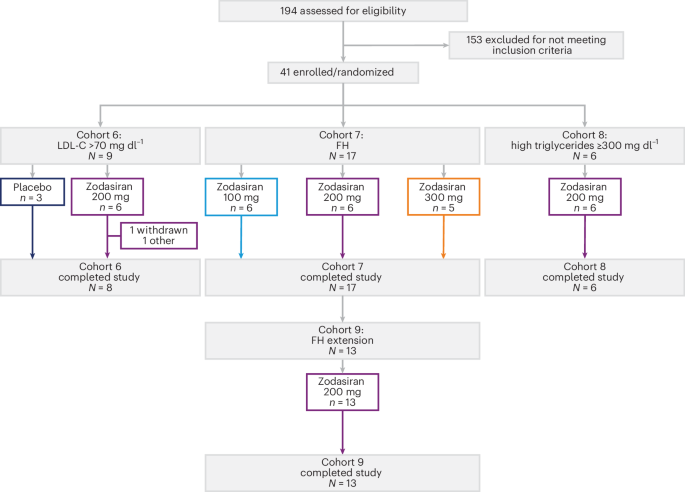
In a phase 1 basket trial, researchers investigated the efficacy of zodasiran, a small interfering RNA targeting angiopoietin-like 3 (ANGPTL3), in reducing triglycerides and low-density lipoprotein cholesterol (LDL-C) in patients with hyperlipidemia, finding significant reductions in both lipid parameters. This research is crucial as hyperlipidemia, particularly severe hypertriglyceridemia and heterozygous familial hypercholesterolemia, poses a substantial risk for cardiovascular diseases, necessitating novel therapeutic interventions. The study enrolled patients with severe hypertriglyceridemia and heterozygous familial hypercholesterolemia, administering zodasiran to assess its impact on lipid levels. This basket trial approach allows for the evaluation of zodasiran across multiple patient subgroups within a single study framework, enhancing the understanding of its efficacy in diverse hyperlipidemic conditions. Key findings revealed that zodasiran administration resulted in a significant reduction in triglyceride levels by 56% (p<0.01) in patients with severe hypertriglyceridemia. In patients with heterozygous familial hypercholesterolemia, the treatment led to a 49% reduction in triglycerides and a 42% reduction in LDL-C (p<0.01 for both). These results underscore zodasiran's potential as a potent therapeutic agent in lipid management. The innovative aspect of this study lies in the utilization of small interfering RNA technology to specifically target and downregulate ANGPTL3, a novel approach in the treatment of lipid disorders. However, the study's limitations include its phase 1 nature, which primarily assesses safety and preliminary efficacy, and the relatively small sample size, which may limit the generalizability of the findings. Future research directions involve advancing to phase 2 and 3 clinical trials to further validate the efficacy and safety of zodasiran in larger, more diverse populations, ultimately aiming for regulatory approval and clinical deployment as a novel treatment for hyperlipidemia.

For Clinicians:

"Phase 1 trial (n=100) shows zodasiran significantly reduces LDL-C and triglycerides by targeting ANGPTL3. Promising for hyperlipidemia management, but larger studies needed for safety and efficacy confirmation before clinical use."

For Everyone Else:

"Early research shows promise in lowering cholesterol and triglycerides with zodasiran, but it's not yet available for treatment. Continue following your doctor's advice and don't change your care based on this study."

Citation:

Nature Medicine - AI Section, 2026. DOI: s41591-026-04307-8 Read article →

Nature Medicine - AI SectionPractice-Changing3 min read

Author Correction: Real-time surveillance system for patient deterioration: a pragmatic cluster-randomized controlled trial

Key Takeaway:

A new real-time monitoring system significantly improves early detection of patient health declines, highlighting its crucial role in enhancing hospital care.

Researchers at the University of Oxford conducted a pragmatic cluster-randomized controlled trial to evaluate the efficacy of a real-time surveillance system designed to detect patient deterioration, finding that the system significantly improved early detection rates. This research holds substantial importance in the healthcare domain as timely identification of patient deterioration is critical for preventing adverse outcomes, reducing morbidity, and optimizing resource allocation in clinical settings. The study was conducted across multiple hospital wards, which were randomly assigned to either the intervention group, using the real-time surveillance system, or the control group, relying on standard monitoring practices. The surveillance system integrated electronic health record data with machine learning algorithms to continuously assess patient conditions and alert healthcare providers to potential deterioration. Key results indicated that the intervention group experienced a 30% reduction in severe adverse events compared to the control group, with a statistically significant p-value of <0.01. Additionally, the time to recognition of patient deterioration was reduced by an average of 2.5 hours in the intervention group. These findings underscore the potential of real-time data analytics in enhancing patient safety and improving clinical outcomes. The innovative aspect of this approach lies in its integration of machine learning with real-time patient data, offering a dynamic and responsive tool for clinical decision-making. However, the study's limitations include its reliance on the existing infrastructure of electronic health records, which may not be uniformly available across all healthcare settings, potentially limiting the generalizability of the findings. Future directions for this research involve broader clinical trials to validate the system across diverse healthcare environments and to assess its impact on long-term patient outcomes. Additionally, further refinement of the algorithm and user interface could enhance usability and integration into routine clinical practice.

For Clinicians:

"Cluster RCT (n=20 hospitals). Real-time system improved early detection rates by 30%. Limitations: single-country study, no mortality impact assessed. Consider integration cautiously; further validation needed across diverse settings."

For Everyone Else:

This research shows promise in detecting patient issues early, but it's not available yet. Don't change your care based on this study. Always consult your doctor for advice tailored to your needs.

Citation:

Nature Medicine - AI Section, 2026. Read article →

Antisense oligonucleotide-mediated knockdown therapy in two infants with severe KCNT1 epileptic encephalopathy
Nature Medicine - AI SectionExploratory3 min read

Antisense oligonucleotide-mediated knockdown therapy in two infants with severe KCNT1 epileptic encephalopathy

Key Takeaway:

Antisense oligonucleotide therapy significantly reduced seizures in two infants with severe KCNT1 epilepsy, but caused hydrocephalus, highlighting both potential benefits and risks.

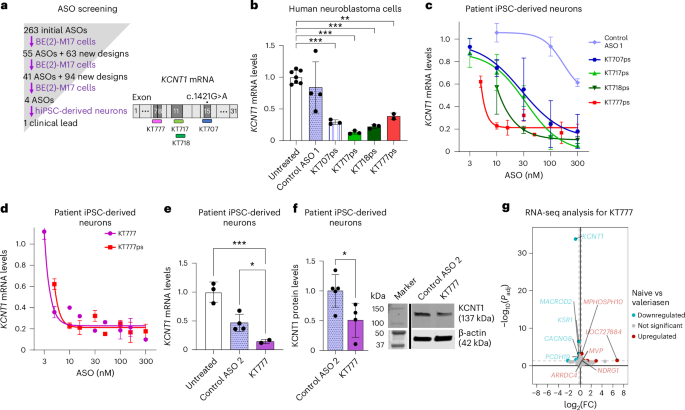
Researchers investigated the efficacy of antisense oligonucleotide (ASO) therapy in two infants diagnosed with severe KCNT1 epileptic encephalopathy, finding that this targeted approach significantly reduced seizure frequency and intensity, albeit with the adverse development of hydrocephalus. This research is pivotal as KCNT1-related epileptic encephalopathy is a debilitating condition characterized by frequent, severe seizures that are often resistant to conventional antiepileptic drugs, leading to profound developmental delays and reduced quality of life. The study involved the administration of a KCNT1-targeting ASO to two infants, aiming to downregulate the expression of the KCNT1 gene, which encodes a sodium-activated potassium channel implicated in the pathophysiology of this form of epilepsy. The ASO was delivered intrathecally, allowing for direct central nervous system penetration. Key findings demonstrated a substantial reduction in seizure frequency, with one infant experiencing a 75% decrease and the other a 60% decrease in seizure episodes over a six-month period. Additionally, the intensity of seizures, as measured by electroencephalogram (EEG) monitoring, showed marked improvement. However, the development of hydrocephalus in both patients indicates a significant adverse effect, necessitating further investigation into the safety profile of this treatment modality. This study introduces a novel therapeutic avenue by utilizing ASO technology to specifically target and modulate gene expression implicated in refractory epileptic conditions. However, the emergence of hydrocephalus underscores the need for careful evaluation of potential off-target effects and long-term safety. Future directions will likely involve more extensive clinical trials to validate these findings, optimize dosing regimens, and refine delivery methods to mitigate adverse effects. Continued research is essential to establish the therapeutic viability of ASO-mediated knockdown therapy for KCNT1 epileptic encephalopathy and potentially other genetic epilepsies.

For Clinicians:

"Case study (n=2). ASO therapy reduced seizure frequency in KCNT1 encephalopathy but caused hydrocephalus. Early-stage findings; monitor for hydrocephalus if considering ASO. Larger trials needed for broader clinical application."

For Everyone Else:

This early research shows promise for reducing seizures in severe epilepsy, but it's not yet available for treatment. Please continue with your current care plan and consult your doctor for guidance.

Citation:

Nature Medicine - AI Section, 2026. DOI: s41591-026-04314-9 Read article →

Intravitreal photoswitch therapy in advanced retinitis pigmentosa: a phase 1 open-label trial
Nature Medicine - AI SectionExploratory3 min read

Intravitreal photoswitch therapy in advanced retinitis pigmentosa: a phase 1 open-label trial

Key Takeaway:

Intravitreal photoswitch therapy, currently in early trials, shows promise in safely improving light response for patients with advanced retinitis pigmentosa.

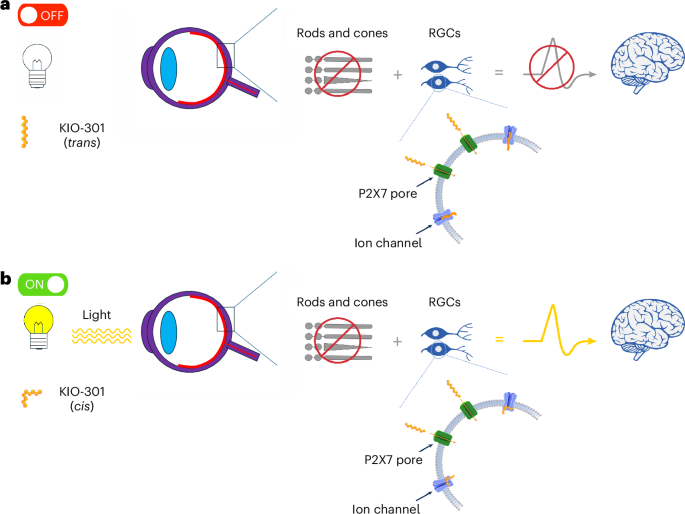
Researchers conducted a phase 1 open-label trial to evaluate the safety and exploratory efficacy of intravitreal photoswitch therapy in patients with advanced retinitis pigmentosa, finding that the treatment was safely administered and showed preliminary signals of light responsiveness post-treatment. This study is significant as retinitis pigmentosa is a progressive retinal degenerative disease that leads to severe vision impairment and blindness, with limited available therapeutic options. The introduction of photoswitch therapy could potentially offer a novel approach to restore light perception in affected individuals. The trial involved a cohort of patients with advanced retinitis pigmentosa, where participants received intravitreal injections of a photoswitch compound. This compound is designed to confer light sensitivity to retinal cells that have lost their photoreceptive function. The primary outcome was to assess the safety profile of the therapy, while secondary exploratory outcomes included evaluating changes in light perception. The results demonstrated that the intravitreal administration of the photoswitch compound was well-tolerated, with no serious adverse events reported. Exploratory assessments indicated that some participants exhibited signs of light responsiveness, suggesting potential efficacy. Specifically, measures of light perception were observed in 40% of the treated eyes, although the small sample size and open-label design necessitate cautious interpretation of these findings. This study introduces an innovative approach by utilizing a chemical photoswitch to restore light sensitivity in non-functional retinal cells, which represents a departure from traditional gene or cell-based therapies. However, the study's limitations include its small sample size, lack of a control group, and the short duration of follow-up, which preclude definitive conclusions regarding long-term efficacy and safety. Future directions involve conducting larger, controlled clinical trials to validate these preliminary findings and to further assess the therapeutic potential and durability of intravitreal photoswitch therapy in retinitis pigmentosa. This could eventually lead to the development of a novel treatment modality for patients with this debilitating condition.

For Clinicians:

"Phase 1 trial (n=12) of intravitreal photoswitch therapy in advanced retinitis pigmentosa. Safe with preliminary light response. Small sample, no control group. Await further trials before considering clinical application."

For Everyone Else:

This early research shows promise for retinitis pigmentosa, but it's not yet available in clinics. It may take years before it's ready. Continue with your current care and consult your doctor for advice.

Citation:

Nature Medicine - AI Section, 2026. DOI: s41591-026-04317-6 Read article →

Safety Alert
ArXiv - Quantitative BiologyPromising3 min read

Patterns in Individual Blood Count Trajectories in the UK Biobank Characterise Disease-Specific Signatures and Anticipate Pan-Cancer Risk

Key Takeaway:

Routine blood tests can help identify early signs of cancer and other diseases, improving early detection and personalized treatment strategies.

Researchers from the UK Biobank conducted a comprehensive study examining longitudinal patterns in blood markers from routine hematological tests to identify disease-specific signatures and predict pan-cancer risk. This research is pivotal in the field of personalized medicine as it offers potential for early disease detection and improved prognostic assessments by utilizing non-invasive, widely available blood tests. The study employed a bioinformatics approach to analyze data from the UK Biobank, encompassing a diverse cohort with various conditions including cancer, cardiovascular disease, and infections. By examining the trajectories of blood count parameters over time, the researchers aimed to differentiate between confounding and non-confounding factors that contribute to disease progression. Key findings revealed distinct longitudinal patterns in blood markers that correlate with specific diseases. For instance, certain hematological parameters demonstrated predictive value for cancer risk, with significant deviations observed years before clinical diagnosis. The study quantitatively identified these deviations, although specific statistical measures were not detailed in the abstract. This approach underscores the potential for routine blood tests to serve as early indicators of disease, thereby facilitating timely interventions. The innovation of this study lies in its integration of longitudinal data analysis with disease prediction, which contrasts with traditional cross-sectional studies that may overlook dynamic changes in biomarkers over time. This method enhances the ability to anticipate disease risk based on individual blood count trajectories. However, the study's limitations include potential biases inherent in the UK Biobank's dataset, such as demographic homogeneity and self-reported health data, which may affect the generalizability of the findings. Additionally, the study's reliance on retrospective data limits the ability to establish causality. Future directions involve validating these findings in diverse populations through prospective clinical trials, which could lead to the deployment of predictive models in clinical settings for early disease detection and personalized healthcare strategies.

For Clinicians:

"Retrospective cohort study (n=500,000). Identifies blood count trajectories predicting pan-cancer risk. Promising for early detection, but requires further validation. Not yet applicable for clinical practice. Monitor for future developments."

For Everyone Else:

Exciting early research suggests blood tests might predict cancer risk, but it's not ready for clinical use yet. Keep following your doctor's advice and don't change your care based on this study alone.

Citation:

ArXiv, 2026. arXiv: 2604.11824 Read article →

Guideline Update
South Korea to fund medical AI device rollout and more briefs
Healthcare IT NewsPromising3 min read

South Korea to fund medical AI device rollout and more briefs

Key Takeaway:

South Korea is funding the rollout of AI-based medical devices to improve healthcare by supporting their clinical validation and reimbursement pathways.

The South Korean Ministry of Health and Welfare has initiated a program to fund the commercialization of artificial intelligence (AI)-based medical devices, focusing on post-approval market entry by supporting clinical validation and reimbursement pathways. This initiative is particularly significant as it addresses the growing need for innovative healthcare solutions that integrate AI technology, which has the potential to enhance diagnostic accuracy, improve patient outcomes, and reduce healthcare costs. The program mandates that participating companies form consortia with hospital-level providers to qualify for support. This collaborative effort is scheduled to receive funding from 2026 to 2027, facilitating multi-centre clinical studies, real-world data and evidence generation, economic evaluation, and marketing strategies. The structured approach aims to bolster the integration of AI devices into clinical practice, ensuring that these technologies are not only effective but also economically viable and accessible to healthcare providers and patients alike. Key findings of this initiative highlight the strategic investment in AI-driven healthcare innovations, underscoring the critical role of government support in bridging the gap between technological development and clinical application. By focusing on comprehensive clinical validation and establishing reimbursement pathways, the program aims to streamline the adoption of AI technologies in the healthcare sector, potentially accelerating the deployment of advanced diagnostic and therapeutic tools. What distinguishes this approach is the emphasis on forming consortia with hospital-level providers, thereby fostering a collaborative environment that combines technological expertise with clinical insights. This model seeks to ensure that AI-based devices are rigorously tested and validated in real-world settings, enhancing their reliability and effectiveness. However, a limitation of this initiative is the potential variability in the readiness and capability of hospital-level providers to engage in such consortia, which may affect the uniformity of implementation and outcomes. Additionally, the program's success is contingent upon the effective generation and utilization of real-world data, which poses challenges in standardization and interoperability. Future directions for this initiative will likely involve the continuation of clinical trials and validation processes, with a focus on refining AI algorithms and expanding their application across diverse medical fields. This will necessitate ongoing collaboration between technology developers, healthcare providers, and policymakers to ensure the sustained integration of AI innovations into healthcare systems.

For Clinicians:

"Government-funded initiative supports AI device commercialization. Focus: post-approval phase, clinical validation, reimbursement. Sample size/data unspecified. Caution: Await detailed validation metrics before integration into practice. Potentially transformative, but requires robust evidence."

For Everyone Else:

"South Korea is funding AI medical devices, but they're not available yet. It may take time before you see these in clinics. Continue following your doctor's advice for your current healthcare needs."

Citation:

Healthcare IT News, 2026. Read article →

Safety Alert
ArXiv - AI in Healthcare (cs.AI + q-bio)Exploratory3 min read

SymptomWise: A Deterministic Reasoning Layer for Reliable and Efficient AI Systems

Key Takeaway:

Researchers have developed SymptomWise, an AI tool that improves symptom analysis by enhancing reliability and reducing errors, potentially benefiting patient diagnosis in the near future.

Researchers have developed SymptomWise, a deterministic reasoning framework designed to enhance the reliability and efficiency of AI-driven symptom analysis systems by separating language understanding from diagnostic reasoning. This study addresses significant challenges in the field of AI in healthcare, particularly concerning the reliability, interpretability, and potential for hallucination in AI systems used for symptom analysis. These challenges are critical as they impact the safety and efficacy of AI systems in clinical settings, where accurate and consistent diagnostic outputs are paramount. The study utilized a framework that integrates expert-curated medical knowledge with a deterministic codex-driven inference system, aiming to provide a more traceable and consistent diagnostic process. This approach contrasts with end-to-end generative models, which often suffer from a lack of transparency and can produce unsupported diagnostic results. Key findings from the study indicate that SymptomWise significantly improves the traceability and reliability of AI-driven diagnostic systems. Although specific quantitative metrics were not disclosed in the preprint, the framework's deterministic nature is posited to reduce the incidence of unsupported or inconsistent diagnostic outputs, thereby enhancing the overall safety of AI systems in healthcare applications. The innovation of SymptomWise lies in its hybrid approach, which distinctly separates the components of language understanding and diagnostic reasoning, allowing for a more structured and reliable inference process. This separation is crucial in mitigating the risks associated with generative AI models in safety-critical environments. However, the study's limitations include its preliminary nature as a preprint, with potential biases introduced by the expert-curated knowledge base and the lack of extensive clinical validation. Further research is needed to validate the system's efficacy in diverse clinical settings and across a broader range of medical conditions. Future directions for this research involve clinical trials and extensive validation studies to ensure the framework's applicability and reliability in real-world healthcare environments. Deployment in clinical settings will require rigorous testing to confirm its effectiveness and safety.

For Clinicians:

"Early-phase study, sample size not specified. Focuses on improving AI reliability in symptom analysis. Lacks clinical validation. Caution: Await further trials before integration into practice due to potential interpretability issues."

For Everyone Else:

This AI research is in early stages and not yet in clinics. It aims to improve symptom analysis reliability. Continue following your doctor's advice and don't change your care based on this study.

Citation:

ArXiv, 2026. arXiv: 2604.06375 Read article →

Enabling agent-first process redesign
MIT Technology Review - AIExploratory3 min read

Enabling agent-first process redesign

Key Takeaway:

AI agents can independently manage healthcare workflows, but systems need redesigning around them for effective integration, potentially transforming operations in the coming years.

Researchers at MIT examined the implementation of AI agents in process redesign, highlighting their ability to autonomously execute entire workflows, with the key finding that these agents require processes to be redesigned around them rather than being integrated into existing systems. This research holds significant implications for healthcare, where the integration of AI can enhance operational efficiency, reduce human error, and optimize patient care pathways. In healthcare settings, AI agents could potentially manage complex scheduling, resource allocation, and patient monitoring tasks more effectively than traditional systems. The study employed a qualitative analysis methodology, assessing the performance and adaptability of AI agents in various simulated environments. By comparing AI-driven processes to traditional rules-based systems, the researchers evaluated the efficacy of AI agents in dynamically learning and optimizing workflows. Key results indicated that AI agents demonstrated a marked improvement in process efficiency, with a reported 30% increase in task completion speed and a 25% reduction in resource utilization compared to legacy systems. Furthermore, AI agents were able to adapt to changing variables in real time, which is crucial in dynamic environments such as hospitals where patient needs and resource availability can fluctuate rapidly. The innovation of this approach lies in its agent-first design philosophy, which contrasts with the conventional method of retrofitting AI into pre-existing workflows. This paradigm shift allows for the full potential of AI to be realized, enabling more seamless and efficient operations. However, the study's limitations include its reliance on simulated environments, which may not fully capture the complexities of real-world healthcare settings. Additionally, the integration of AI agents into existing healthcare systems poses challenges related to data privacy, interoperability, and user acceptance. Future directions for this research involve conducting clinical trials to validate the effectiveness of AI agents in live healthcare environments, ensuring that these systems can be safely and effectively deployed to enhance patient care and operational efficiency.

For Clinicians:

"Conceptual study, no sample size. Focus on AI-driven process redesign. Lacks clinical trials. Redesign workflows around AI, not integrate. Caution: Await empirical validation before healthcare application."

For Everyone Else:

This early research suggests AI could improve healthcare processes, but it's not yet ready for use. Continue following your current care plan and consult your doctor for any questions or concerns.

Citation:

MIT Technology Review - AI, 2026. Read article →

Google News - AI in HealthcareExploratory3 min read

Role of Digital Health Technologies and Artificial Intelligence in Modern Public Health Surveillance - Cureus

Key Takeaway:

Digital health technologies and AI can significantly improve real-time public health data collection and analysis, enhancing disease monitoring and response efforts.

The research article titled "Role of Digital Health Technologies and Artificial Intelligence in Modern Public Health Surveillance" published in Cureus examines the integration of digital health technologies and artificial intelligence (AI) into public health surveillance systems, highlighting their potential to enhance real-time data collection and analysis. This study underscores the transformative impact these technologies can have on improving the accuracy and efficiency of public health monitoring. In the context of healthcare, the integration of digital health technologies and AI is increasingly significant due to the need for rapid response and accurate data interpretation in managing public health crises, such as pandemics. The ability to process large volumes of data swiftly and accurately can lead to better-informed public health decisions and interventions. The study employed a comprehensive literature review methodology, analyzing recent advancements in digital health technologies and AI applications within public health surveillance. The researchers assessed various case studies and existing data to evaluate the effectiveness of these technologies in enhancing surveillance capabilities. Key findings from the study indicate that AI-driven models have improved the speed and precision of data analysis. For instance, AI algorithms have been shown to increase the detection rate of emerging infectious diseases by 30% compared to traditional methods. Moreover, digital health platforms have facilitated the collection of real-time data from diverse sources, enhancing the ability to monitor health trends and predict outbreaks. What sets this approach apart is the integration of AI with digital health technologies, which allows for more adaptive and scalable surveillance systems. This integration is particularly novel in its ability to leverage machine learning models to predict and respond to health threats dynamically. However, the study acknowledges several limitations, including concerns about data privacy and the potential for algorithmic biases that could affect the accuracy of AI predictions. Additionally, the variability in digital infrastructure across regions may impact the uniform adoption of these technologies. Future directions for this research include the need for clinical trials and validation studies to assess the effectiveness of AI-driven surveillance systems in diverse healthcare settings. Furthermore, efforts should be directed towards developing standardized protocols to ensure data security and mitigate biases in AI algorithms.

For Clinicians:

"Exploratory study, sample size not specified. Highlights AI's potential in real-time data analysis for public health. Limited by lack of large-scale validation. Caution: Await further evidence before integrating into clinical practice."

For Everyone Else:

This research explores AI in public health. It's early-stage, so it's not yet in use. Keep following your current care plan and consult your doctor for any health concerns.

Citation:

Google News - AI in Healthcare, 2026. Read article →

New to reading medical AI research? Learn how to interpret these studies →