Mednosis LogoMednosis

Radiology & AI

RSS

AI-powered medical imaging: automated analysis of X-rays, CT scans, MRIs, and mammograms.

Why it matters: Radiology has seen the most AI adoption in medicine. FDA-cleared algorithms are already helping radiologists work faster and catch more abnormalities.

151 research items

Get updates on this topic
Drug Watch
ArXiv - Quantitative BiologyPromising3 min read

New AI Tool Catches Hidden Contradictions in Radiology Reports

Key Takeaway:

RadSEM is a new AI evaluation tool that accurately catches critical medical report errors, like missed or contradicted findings, which standard text-matching software often overlooks.

When doctors use AI to help write radiology reports, even a tiny typo like writing 'no mass' instead of 'mass' can completely change a patient's diagnosis. Traditional computer programs often miss these critical errors because the overall text still looks almost identical. To solve this, researchers developed RadSEM, a smart evaluation tool that breaks reports down into individual medical findings. It carefully checks if the AI's report actually agrees with the expert's findings, successfully catching contradictions and subtle errors. In tests on over 2,400 reports, RadSEM vastly outperformed older methods, paving the way for safer, more reliable AI assistants in medical imaging.

What this means for you

Researchers created a smart tool to double-check AI-generated medical reports for critical errors. This technology is in early testing stages and does not yet affect your active medical care.

Citation:

ArXiv, 2026. arXiv: 2606.17062 Read article →

Drug Watch
ArXiv - Quantitative BiologyPromising3 min read

New AI Tool Catches Dangerous Errors in Radiology Reports

Key Takeaway:

RadSEM is a new AI evaluation tool that accurately catches critical medical errors in AI-generated radiology reports by breaking text down into individual, clinical findings.

When artificial intelligence is used to write radiology reports, even a tiny mistake—like leaving out the word 'no' in 'no fluid in lungs'—can lead to a dangerous misdiagnosis. Traditional computer programs often miss these errors because the rest of the text looks correct. Researchers developed a new tool called RadSEM that breaks reports down into single, simple facts and checks them for direct contradictions. Tested on over 2,400 medical reports, RadSEM successfully caught critical errors and correctly matched medical synonyms 99.6% of the time. This ensures AI tools can be graded on actual medical accuracy rather than just matching words.

What this means for you

Scientists created a smart tool to double-check AI-generated medical scans for errors. While promising, this technology is still in development and not yet used in active patient care.

Citation:

ArXiv, 2026. arXiv: 2606.17062 Read article →
Guideline Update
Learning to lead in a hybrid human-AI enterprise
MIT Technology Review - AIExploratory2 min read

AI Coworkers Are Coming: Agent Adoption Set to Triple

Key Takeaway:

With enterprise AI agent adoption projected to surge by 300% over the next two years, leaders must prepare to manage hybrid workforces where autonomous software coordinates complex tasks.

Technology is moving from simple computer programs that need constant human instructions to smart 'AI agents' that can plan and complete complex tasks on their own. Experts predict that businesses using these independent AI assistants will jump by 300% over the next two years. For the average person, this means the administrative side of healthcare—like scheduling appointments and organizing records—could soon be handled by digital assistants working alongside human staff. While this could make medical offices run much faster and more smoothly, human doctors and managers will still need to carefully supervise these digital assistants to ensure everything is done safely and correctly.

What this means for you

AI assistants in healthcare offices are expected to grow by 300% in the next two years. This early technology aims to help with paperwork, but doctors will still make all medical decisions.

Citation:

MIT Technology Review - AI, 2026. Read article →

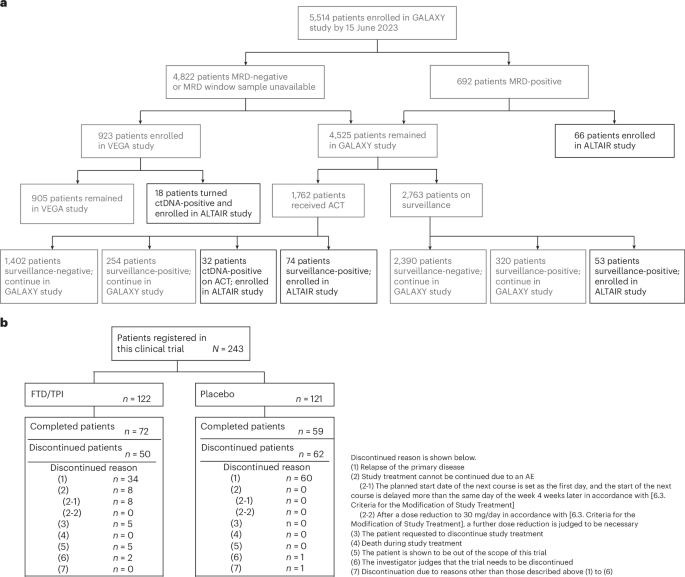
Post-adjuvant chemotherapy in ctDNA-positive patients with resected colorectal cancer: a randomized phase 3 trial
Nature Medicine - AI SectionPromising2 min read

New Drug Fails to Delay Colorectal Cancer Return

Key Takeaway:

Using a drug called trifluridine/tipiracil hydrochloride for colorectal cancer patients who test positive for tumor DNA after surgery does not successfully delay the return of the disease.

After colorectal cancer surgery, doctors often monitor patients by looking for tiny fragments of tumor DNA circulating in the blood. In this study, researchers wanted to see if giving a chemotherapy drug called trifluridine/tipiracil hydrochloride to patients who had these DNA fragments in their blood would help keep them cancer-free longer. They compared this drug to an inactive dummy pill, known as a placebo. Unfortunately, the study found that the drug did not successfully delay the return of the cancer compared to the placebo. This means that while we can detect cancer early through blood tests, we still need to find better treatments to actually stop it from coming back.

What this means for you

This study shows that a specific drug did not help delay cancer recurrence for patients with tumor DNA in their blood. Do not change your current treatment plan without discussing these findings with your doctor.

Citation:

Nature Medicine - AI Section, 2026. DOI: s41591-026-04428-0 Read article →

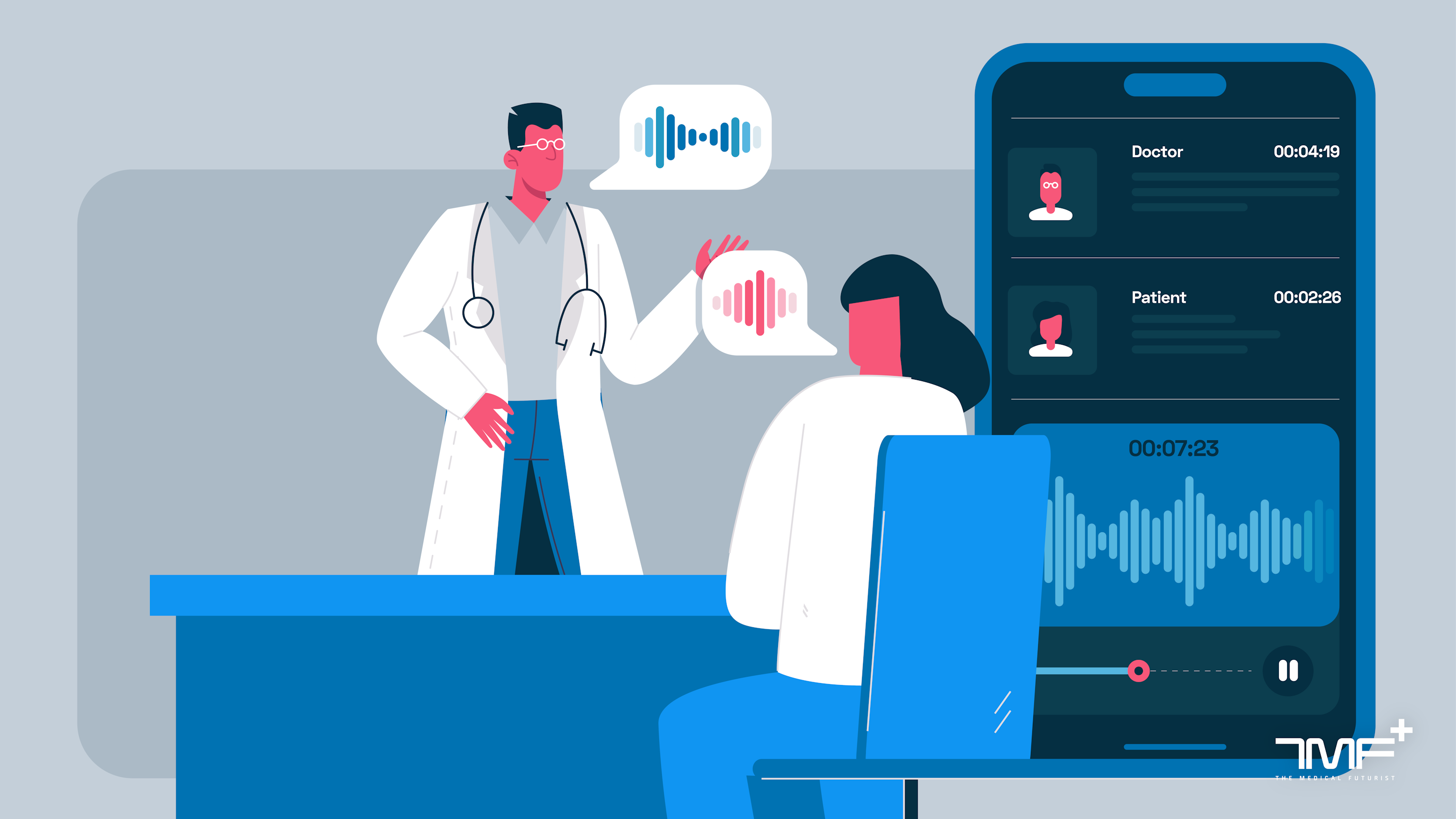
Four Scenarios of AI Scribe Adoption in Healthcare
The Medical FuturistPromising2 min read

How AI Scribes Are Changing Your Next Doctor Visit

Key Takeaway:

AI scribes can automatically translate doctor-patient conversations into electronic medical records, potentially reducing administrative burnout and improving face-to-face care within the next few years.

This article looks at how artificial intelligence, or AI, is being used to help doctors write their medical notes. These new tools, called AI scribes, listen to the conversation during your checkup and automatically turn it into a written medical record. This means your doctor can spend more time looking at you and listening to your concerns, rather than typing on a computer during your visit. While this technology is growing quickly and could make doctor visits feel much more personal, experts are still studying the best ways to safely bring these tools into clinics.

What this means for you

New AI tools can now listen to your doctor's visit and write up the medical notes automatically, allowing your doctor to focus on you rather than a computer screen.

Citation:

The Medical Futurist, 2026. Read article →

Post-adjuvant chemotherapy in ctDNA-positive patients with resected colorectal cancer: a randomized phase 3 trial
Nature Medicine - AI SectionPromising3 min read

DNA-Guided Cancer Drug Fails to Delay Colorectal Recurrence

Key Takeaway:

Using chemotherapy to treat colorectal cancer patients who test positive for tumor DNA during recovery does not significantly delay cancer recurrence compared to a placebo.

After colorectal cancer surgery, doctors can look for tiny pieces of tumor DNA (called ctDNA) floating in a patient's blood to see if the cancer might return. This study looked at whether giving a chemotherapy drug called trifluridine/tipiracil to patients with this trace DNA could help them stay cancer-free longer. Researchers compared the drug to a dummy pill (placebo) in a rigorous clinical trial. Surprisingly, they found that the chemotherapy did not significantly delay the return of the cancer. This means that while blood tests can find early warning signs of cancer, we still need to find better, more effective treatments to actually stop it from coming back.

What this means for you

This study shows that giving a specific chemotherapy drug to patients with trace cancer DNA in their blood did not delay cancer return. Do not alter your current treatment plan without consulting your oncologist.

Citation:

Nature Medicine - AI Section, 2026. DOI: s41591-026-04428-0 Read article →

Post-adjuvant chemotherapy in ctDNA-positive patients with resected colorectal cancer: a randomized phase 3 trial
Nature Medicine - AI SectionPromising2 min read

Early DNA Blood Test Fails to Help Direct Colon Cancer Treatment

Key Takeaway:

Using the drug trifluridine/tipiracil for colorectal cancer patients who test positive for residual tumor DNA during recovery does not successfully delay cancer recurrence.

After surgery for colon cancer, doctors can use advanced blood tests to look for tiny pieces of tumor DNA, which act as an early warning sign that the cancer might return. In this study, researchers wanted to see if giving a chemotherapy drug called trifluridine/tipiracil to patients with these positive DNA tests would help keep them cancer-free longer. Surprisingly, the study found that this chemotherapy did not delay the return of the cancer compared to a dummy pill (placebo). This matters to patients because it shows that while new DNA tests are great at spotting early warning signs, we still need to find better, more effective treatments to actually fight the cancer at this early stage.

What this means for you

This study shows that a specific chemotherapy drug did not help prevent colon cancer from returning, even when sensitive DNA blood tests showed early warning signs. Do not alter your current treatment plan.

Citation:

Nature Medicine - AI Section, 2026. DOI: s41591-026-04428-0 Read article →

Four Scenarios of AI Scribe Adoption in Healthcare
The Medical FuturistExploratory2 min read

How AI Scribes Are Changing the Way Doctors Take Notes

Key Takeaway:

AI scribes can automatically convert doctor-patient conversations into medical records, potentially reducing administrative burnout and allowing physicians to focus more on direct patient care.

When you visit the doctor, they often spend a lot of time typing on a computer instead of looking at you. A new technology called an AI scribe is changing this. These smart apps listen to your conversation with the doctor and automatically write up the official medical record. A new analysis looks at four ways this technology might be adopted in clinics. While this could make doctor visits feel much more personal and less rushed, it is still in the early stages. Doctors must still carefully check these computer-generated notes to make sure every detail about your health is completely correct.

What this means for you

New AI tools can listen to your doctor's visit and write up the medical notes automatically. This technology is starting to appear in clinics, but doctors must still review all notes for accuracy.

Citation:

The Medical Futurist, 2026. Read article →

Post-adjuvant chemotherapy in ctDNA-positive patients with resected colorectal cancer: a randomized phase 3 trial
Nature Medicine - AI SectionPromising2 min read

DNA Blood Tests Fail to Guide Successful Colon Cancer Treatment

Key Takeaway:

For patients with resected colorectal cancer, using a specific chemotherapy drug after detecting tumor DNA in the blood during monitoring did not successfully delay cancer recurrence.

When patients have surgery for colon cancer, doctors monitor their blood for tiny fragments of tumor DNA, known as ctDNA, which can signal that the cancer is trying to return. In this study, researchers wanted to see if giving a chemotherapy pill called trifluridine/tipiracil to patients with these positive blood tests would help them stay cancer-free longer. Surprisingly, the study found that this chemotherapy did not delay the return of the cancer compared to a dummy pill, or placebo. For regular people, this means that while highly sensitive blood tests can spot early warning signs of cancer, doctors still need to find the right treatments to actually stop the disease at this early stage.

What this means for you

This study shows that a specific chemotherapy pill did not stop colon cancer from returning, even when blood tests caught early signs of tumor DNA. Patients should not change their current treatment plans.

Citation:

Nature Medicine - AI Section, 2026. DOI: s41591-026-04428-0 Read article →

Healthcare IT NewsPromising2 min read

How background AI is putting doctors' focus back on patients

Key Takeaway:

Implementing ambient AI in exam rooms aims to reduce the electronic documentation burden, allowing doctors to focus directly on patients rather than computer screens during visits.

For years, a major frustration in healthcare has been doctors spending more time typing on computers than looking at their patients. During appointments, doctors must constantly balance talking to patients with a massive amount of electronic paperwork, like writing referral letters and updating digital health records. To solve this, Beth Israel Lahey Health is introducing ambient artificial intelligence—a system that listens in the background to automatically handle clinical notes. By taking over the typing, this technology aims to reduce doctor burnout and, most importantly, allow your physician to look you in the eye and focus entirely on your care during your visit.

What this means for you

Doctors are testing new background AI technology to handle computer paperwork during visits, allowing them to focus entirely on you. This technology is currently being adopted to improve your face-to-face care.

Citation:

Healthcare IT News, 2026. Read article →

Healthcare IT NewsPromising3 min read

How smart technology is putting doctors' focus back on patients

Key Takeaway:

Implementing ambient AI in exam rooms reduces the administrative burden of electronic documentation, allowing clinicians to focus on building personal connections with patients during visits.

For years, patients have gone to the doctor only to watch them type on a computer screen. Doctors have had to balance listening to patients with a massive amount of paperwork, including typing up visit notes and referral letters. To solve this, Beth Israel Lahey Health introduced ambient artificial intelligence, a technology that listens in the background during your appointment. This smart system automatically writes up the medical notes, freeing the doctor from the keyboard. This means your doctor can look you in the eye, listen closely to your concerns, and focus entirely on your care instead of a computer screen.

What this means for you

A new ambient AI technology helps doctors spend less time typing on computers during appointments, allowing them to focus more on listening and talking directly to you.

Citation:

Healthcare IT News, 2026. Read article →

Safety Alert
ArXiv - AI in Healthcare (cs.AI + q-bio)Promising2 min read

Why Having AI Models Debate Each Other Makes Them Smarter

Key Takeaway:

This new protocol coordinates multiple cheap AI models to debate medical and scientific claims, successfully uncovering hidden biases and training blind spots at a fraction of the cost of larger systems.

When we ask a single AI for medical information, it might confidently give us an incorrect answer due to biases in its training. To solve this, researchers created the Consilium Protocol, a system where multiple cheap AI models are given different 'personalities' and forced to debate each other. Across 1,478 test debates, this collaborative arguing helped the AIs find 167 hidden blind spots and errors that they would have missed individually. Remarkably, this method allowed inexpensive AI models to perform just as well as giant, costly ones. This research could eventually lead to much more reliable, unbiased, and affordable AI assistants for doctors and patients.

What this means for you

Researchers created a system where multiple AI programs debate each other to find errors. While promising for making future medical AI safer, this technology is still in early testing and not ready for patient care.

Citation:

ArXiv, 2026. arXiv: 2606.00005 Read article →

Nature Medicine - AI SectionPractice-Changing3 min read

Real-time monitoring system alerts hospital staff before patients decline

Key Takeaway:

A new real-time monitoring system significantly improves early detection of patient health declines, highlighting its crucial role in enhancing hospital care.

University of Oxford researchers conducted a large clinical trial across multiple hospital wards to test a real-time patient surveillance system. Wards were randomly assigned to either use the new system or stick to standard monitoring. The system works by combining electronic health records with machine learning algorithms to continuously track patient vital signs and data, immediately alerting healthcare staff if a patient shows early signs of health decline. The study found that this real-time digital surveillance significantly improved early detection rates compared to traditional nursing checks, proving its potential to make hospital care much safer.

What this means for you

This research shows promise in detecting patient issues early, but it's not available yet. Don't change your care based on this study. Always consult your doctor for advice tailored to your needs.

Citation:

Nature Medicine - AI Section, 2026. Read article →

Safety Alert
ArXiv - Quantitative BiologyPromising3 min read

Routine blood test trends can predict your future cancer risk

Key Takeaway:

Routine blood tests can help identify early signs of cancer and other diseases, improving early detection and personalized treatment strategies.

Using data from the UK Biobank, researchers analyzed long-term patterns in routine blood tests, like standard blood cell counts, across a highly diverse group of patients. Instead of looking at a single snapshot in time, the study tracked how these blood markers changed over years. The researchers discovered distinct, long-term patterns in blood cell trajectories that act as unique signatures for specific diseases, including various infections, heart conditions, and cancers. By recognizing these subtle trends early, doctors could soon use simple, inexpensive blood tests to predict a patient's overall cancer risk and catch serious illnesses years before traditional symptoms emerge.

What this means for you

Exciting early research suggests blood tests might predict cancer risk, but it's not ready for clinical use yet. Keep following your doctor's advice and don't change your care based on this study alone.

Citation:

ArXiv, 2026. arXiv: 2604.11824 Read article →

Guideline Update
South Korea to fund medical AI device rollout and more briefs
Healthcare IT NewsPromising3 min read

South Korea funds nationwide rollout of medical AI devices

Key Takeaway:

South Korea is funding the rollout of AI-based medical devices to improve healthcare by supporting their clinical validation and reimbursement pathways.

The South Korean Ministry of Health and Welfare has launched a new government program to fund and accelerate the commercialization of artificial intelligence in healthcare. To bridge the gap between regulatory approval and actual clinical use, the initiative will support medical AI companies in conducting multi-center clinical trials, gathering real-world evidence, and securing insurance reimbursement. To qualify for the funding, which is scheduled to run from 2026 to 2027, AI developers must partner directly with hospital networks. The initiative aims to lower healthcare costs and improve diagnostic accuracy by seamlessly integrating validated AI tools into the national medical system.

What this means for you

"South Korea is funding AI medical devices, but they're not available yet. It may take time before you see these in clinics. Continue following your doctor's advice for your current healthcare needs."

Citation:

Healthcare IT News, 2026. Read article →

Google News - AI in HealthcareExploratory3 min read

AI and digital tools modernize real-time public health tracking

Key Takeaway:

Digital health technologies and AI can significantly improve real-time public health data collection and analysis, enhancing disease monitoring and response efforts.

A research paper published in Cureus highlights the critical role that digital health technologies and artificial intelligence must play in modern public health surveillance. Traditional disease tracking is often slow, relying on delayed paperwork and manual reporting. By integrating AI and digital tools into public health systems, officials can collect and analyze massive amounts of health data in real time. This allows for rapid response and accurate data interpretation during health crises, such as viral outbreaks. Ultimately, upgrading to automated, AI-driven surveillance gives governments the tools to make faster, better-informed decisions to protect communities.

What this means for you

This research explores AI in public health. It's early-stage, so it's not yet in use. Keep following your current care plan and consult your doctor for any health concerns.

Citation:

Google News - AI in Healthcare, 2026. Read article →

Drug Watch
ArXiv - Quantitative BiologyExploratory3 min read

Computational pipeline predicts how aggressive cancers evolve and resist treatment

Key Takeaway:

ECLIPSE is a new tool that predicts how certain aggressive cancers might develop and respond to treatment by analyzing extrachromosomal DNA, potentially improving targeted therapy strategies.

Roughly 30% of aggressive cancers are driven by small, circular loops of DNA that exist outside of our normal chromosomes. These loops make tumors grow rapidly and resist standard treatments. Researchers built a new digital pipeline called ECLIPSE to predict how these DNA loops form and change over time. Unlike older tools that suffered from circular logic, ECLIPSE uses a data-driven approach to identify the specific vulnerabilities of these tumors, helping doctors choose better, highly targeted therapies.

What this means for you

"Exciting early research on cancer DNA, but it's not yet ready for clinical use. It may take years to be available. Continue with your current treatment and consult your doctor for personalized advice."

Citation:

ArXiv, 2026. arXiv: 2604.06569 Read article →

Drug Watch
ArXiv - Quantitative BiologyExploratory3 min read

New computational pipeline ECLIPSE predicts how aggressive cancers evolve

Key Takeaway:

ECLIPSE is a new tool that predicts how certain aggressive cancers, involving extrachromosomal DNA, grow and respond to treatments, offering insights for future therapies.

Researchers have developed a new computational tool called ECLIPSE to study extrachromosomal DNA (ecDNA)—loops of DNA found outside our chromosomes that are present in about 30% of fast-growing, aggressive cancers. These ecDNA structures help tumors rapidly multiply and resist standard treatments. ECLIPSE uses machine learning, genomic data, and simulations to predict how ecDNA forms, evolves, and responds to different drugs. By mapping these dynamics, the tool helps scientists identify specific vulnerabilities in aggressive tumors, paving the way for personalized cancer therapies.

What this means for you

This early research on ecDNA in cancer is promising but not yet ready for clinical use. It may take years to develop. Continue following your doctor's advice for your current treatment and care.

Citation:

ArXiv, 2026. arXiv: 2604.06569 Read article →

Safety Alert
ArXiv - Quantitative BiologyExploratory3 min read

Protein Pyk2 identified as key culprit in early Alzheimer's brain damage

Key Takeaway:

Researchers have found that the protein Pyk2 is crucial in early Alzheimer's-related brain cell communication problems, highlighting a potential target for future treatments.

Scientists have discovered that a protein called Pyk2 plays a critical role in damaging the connections between brain cells during the very early stages of Alzheimer's disease. Synaptic dysfunction—the breakdown in how brain cells talk to one another—is a primary driver of the cognitive decline seen in dementia. Using genetic, biochemical, and electrical testing on brain cells, the research team mapped how Pyk2 drives these early communication failures. This discovery provides a promising new therapeutic target for drugs designed to protect brain connectivity and slow down the progression of Alzheimer's.

What this means for you

This early research on Alzheimer's is promising but not yet ready for clinical use. It may take years to develop treatments. Please continue following your doctor's current recommendations for your care.

Citation:

ArXiv, 2025. arXiv: 2510.02824 Read article →

Safety Alert
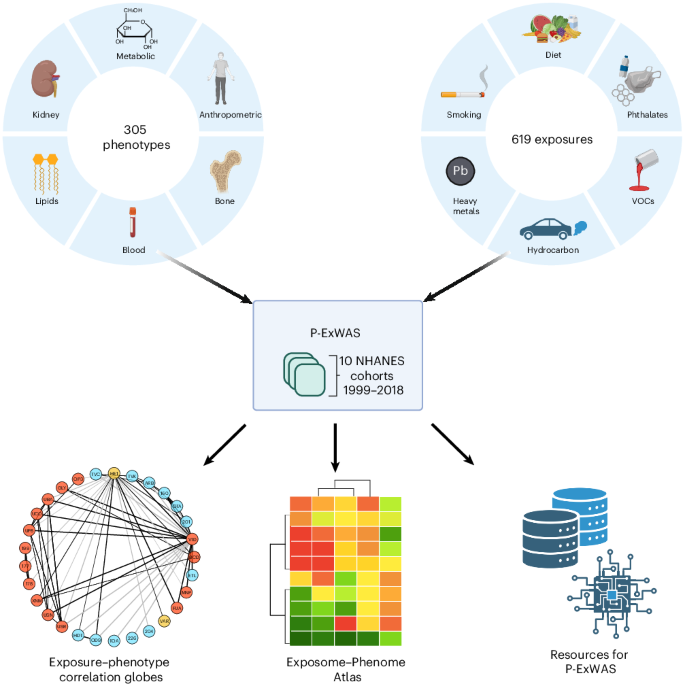
An atlas to navigate environmental factors and health
Nature Medicine - AI SectionExploratory3 min read

Massive environmental atlas maps how our surroundings trigger disease

Key Takeaway:

Researchers have created a detailed map linking environmental factors to health risks, providing a valuable tool for understanding how our surroundings impact disease.

Researchers have built an extensive digital atlas mapping the "exposome"—the map of environmental exposures—to human health and disease risks. By analyzing large-scale datasets with advanced computational models, the team identified consistent, reproducible patterns linking daily surroundings to health outcomes. Although individual environmental factors show only modest links to specific diseases, their combined, cumulative impact is highly predictable. This new framework consolidates previously fragmented research, giving doctors a valuable tool to understand how a patient's environment interacts with their biology to cause illness.

What this means for you

This research highlights how the environment affects health, but it's early-stage. It may take years to apply in healthcare. Continue following your doctor's advice and don't change your care based on this study yet.

Citation:

Nature Medicine - AI Section, 2026. Read article →

Safety Alert
ArXiv - Quantitative BiologyExploratory3 min read

Virtual brain models predict Parkinson's treatment success

Key Takeaway:

A new virtual brain model can predict how well Parkinson's patients might respond to treatments like deep brain stimulation, helping tailor therapies to individual needs.

Researchers have developed a generative virtual brain model designed to predict how individual Parkinson's disease patients will respond to neuromodulation therapies, such as deep brain stimulation. Because every patient's brain anatomy is unique, choosing and calibrating these invasive brain stimulation therapies has traditionally relied on trial-and-error, which increases surgical risks and healthcare costs. By simulating the patient's brain virtually before the procedure, this new bioinformatics tool helps clinicians customize the therapy to the individual, maximizing treatment efficacy and minimizing side effects for the millions living with Parkinson's.

What this means for you

This research is promising but still in early stages. It may take years before it's available in clinics. Continue following your current treatment plan and consult your doctor for any concerns.

Citation:

ArXiv, 2026. arXiv: 2603.29176 Read article →

Google News - AI in HealthcareExploratory3 min read

Fake AI-generated X-rays fool both radiologists and computer systems

Key Takeaway:

AI can create fake X-rays that fool both doctors and other AI, highlighting the urgent need for better verification methods in medical imaging.

Researchers have demonstrated that artificial intelligence can generate highly realistic, fake X-ray images that easily deceive both experienced human radiologists and advanced AI diagnostic software. By training AI algorithms on real patient scans, the researchers created synthetic X-rays with realistic anomalies. When tested, neither the human experts nor the computer systems could reliably distinguish the fake images from real ones. The findings expose a critical vulnerability in digital healthcare, emphasizing the urgent need for secure verification tools to prevent diagnostic fraud and errors.

What this means for you

This study shows AI can create fake X-rays that fool experts. It's early research, so don't change your care. Always discuss any concerns with your doctor to ensure the best care for you.

Citation:

Google News - AI in Healthcare, 2026. Read article →

Safety Alert
The Current State Of Over 1450 FDA-Approved, AI-Based Medical Devices
The Medical FuturistGuideline-Level3 min read

Over fourteen hundred AI medical devices are now FDA-approved

Key Takeaway:

Over 1,450 FDA-approved medical devices now use artificial intelligence, highlighting its growing role in enhancing decision-making in healthcare.

A comprehensive review of public FDA databases revealed that over 1,450 AI-based medical devices have now secured regulatory approval. The study analyzed the current landscape of these devices, looking at their specific medical applications, regulatory pathways, and market availability. These approved technologies are designed to enhance diagnostic accuracy, improve patient monitoring, and personalize treatment plans. The sheer volume of approved devices underscores how quickly artificial intelligence is being integrated into active clinical practice to assist doctors with critical decision-making.

What this means for you

AI-based medical devices are increasingly used in healthcare. While promising, don't change your care based on this study. These devices are available now; discuss with your doctor if they suit your needs.

Citation:

The Medical Futurist, 2026. Read article →

Google News - AI in HealthcareExploratory3 min read

AI-generated fake X-rays fool both radiologists and diagnostic AI

Key Takeaway:

AI can currently create fake X-rays that fool both doctors and AI systems, highlighting a need for improved safeguards in medical imaging.

As artificial intelligence becomes deeply integrated into medicine, researchers are discovering new vulnerabilities. A recent study revealed that AI can generate synthetic X-ray images so realistic they fool both human experts and diagnostic software. Using a Generative Adversarial Network, a type of AI that mimics real data, researchers created fake chest X-rays. When tested, both trained radiologists and AI diagnostic tools struggled to distinguish the fake images from real patient scans. The findings highlight an urgent need for healthcare systems to develop digital safeguards to prevent fraudulent or corrupted data from entering medical databases.

What this means for you

This study shows AI can create fake X-rays that trick doctors. It's early research, so don't worry or change your care. Always follow your doctor's advice for your health needs.

Citation:

Google News - AI in Healthcare, 2026. Read article →

Safety Alert
How Your Virtual Twin Could One Day Save Your Life
IEEE Spectrum - BiomedicalExploratory3 min read

Virtual twin hearts help surgeons practice high-risk pediatric surgeries

Key Takeaway:

Virtual twin technology allows surgeons to practice complex procedures beforehand, potentially improving outcomes in high-risk surgeries, as demonstrated in a recent pediatric heart surgery study.

Surgeons at Boston Children's Hospital are using virtual twin technology to revolutionize surgical preparation. Before performing a high-risk heart surgery on a child, a cardiac surgeon utilized a digital replica of the patient's heart. Created using the patient's specific imaging and physiological data, this virtual twin allowed the surgeon to simulate and practice the complex procedure multiple times in a risk-free digital environment. By refining the surgical steps beforehand, the surgeon could anticipate complications, ultimately improving precision and patient safety during the actual operation.

What this means for you

"Exciting early research on virtual twins in surgery, but not yet available for patient care. It may take years to be used widely. Continue following your doctor's advice for your current treatment."

Citation:

IEEE Spectrum - Biomedical, 2026. Read article →

Safety Alert
The Current State Of Over 1450 FDA-Approved, AI-Based Medical Devices
The Medical FuturistGuideline-Level3 min read

Analysis of 1,450 FDA-approved AI devices reveals regulatory gaps

Key Takeaway:

Over 1,450 FDA-approved AI-based medical devices are increasingly used in healthcare, highlighting the need for precise regulations due to their significant impact on patient care.

Artificial intelligence is rapidly entering clinical settings, prompting a comprehensive analysis of over 1,450 FDA-approved, AI-based medical devices. Researchers reviewed public FDA databases to understand how these tools are distributed across medical specialties and how they are regulated. The study found that the vast majority of approved AI devices are concentrated in radiology, accounting for roughly 30% of the total. Given the life-altering impact of these diagnostic technologies, the researchers emphasize that precise, updated regulatory frameworks are essential to monitor these devices as they become standard clinical tools.

What this means for you

"AI medical devices are growing, but many are still under review. It's important not to change your care based on this research. Always consult your doctor for advice tailored to your needs."

Citation:

The Medical Futurist, 2026. Read article →

Safety Alert
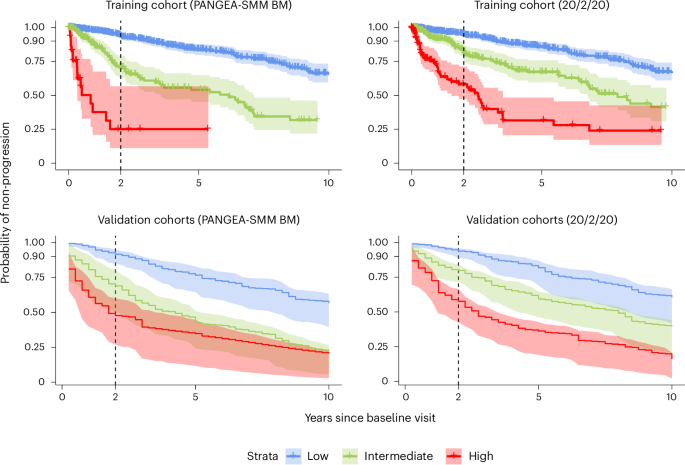
Enhanced dynamic risk stratification of smoldering multiple myeloma
Nature Medicine - AI SectionPromising3 min read

New algorithm predicts when early-stage myeloma will turn active

Key Takeaway:

A new algorithm improves prediction of smoldering multiple myeloma progression, offering better guidance for clinicians to monitor and manage patients at risk of developing symptoms.

Researchers developed a machine learning algorithm using data from 2,344 patients to track how biomarkers change over time in patients with smoldering multiple myeloma. Unlike traditional models that rely on static, single-point measurements, this algorithm analyzes the ongoing, longitudinal dynamics of these biomarkers. The dynamic model demonstrated superior predictive accuracy for disease progression, giving doctors a much more precise tool to determine when to transition a patient from observation to active cancer treatment.

What this means for you

This promising research is still in early stages and not yet available in clinics. Continue following your doctor's current recommendations and discuss any concerns or questions you have about your care with them.

Citation:

Nature Medicine - AI Section, 2026. Read article →

Guideline Update
ArXiv - Quantitative BiologyExploratory3 min read

Refined smartwatch heart rate data improves low blood sugar predictions

Key Takeaway:

Refined heart rate data significantly improves short-term prediction of low blood sugar, offering better management for type 1 diabetes patients at risk of hypoglycemia.

Using a bioinformatics approach, researchers analyzed data from wearable sensors that track both blood glucose and heart rate in individuals with type 1 diabetes. By applying advanced data processing techniques to refine the heart rate data, they significantly improved the accuracy of short-term hypoglycemia prediction models. This refined tracking helps patients better manage their diabetes by warning them of impending low blood sugar events before symptoms or dangerous drops occur.

What this means for you

"Exciting research shows potential for better hypoglycemia prediction using heart rate data. However, it's early and not clinic-ready. Keep following your current care plan and consult your doctor for any concerns."

Citation:

ArXiv, 2026. arXiv: 2603.20345 Read article →

Google News - AI in HealthcareExploratory3 min read

AI-generated fake X-rays easily deceive radiologists and diagnostic software

Key Takeaway:

AI-generated fake X-rays can currently deceive both human radiologists and AI systems, highlighting a critical security risk in medical imaging diagnostics.

A study tested the capabilities of a Generative Adversarial Network, a type of AI used to create realistic synthetic images, by training it on a dataset of authentic X-rays. The AI successfully generated counterfeit X-ray images that were highly realistic. When evaluated, these fake images managed to deceive both experienced human radiologists and automated AI diagnostic systems, highlighting a critical cybersecurity and diagnostic integrity risk that healthcare systems must address.

What this means for you

This study shows AI can create fake X-rays that fool experts. It's early research, so don't change your care. Always discuss any concerns with your doctor and follow their advice.

Citation:

Google News - AI in Healthcare, 2026. Read article →

Safety Alert
ArXiv - AI in Healthcare (cs.AI + q-bio)Exploratory3 min read

Smart AI search engine helps radiologists draft highly accurate reports

Key Takeaway:

A new AI system improves the accuracy of drafting radiology reports from chest X-rays, potentially enhancing diagnostic reliability in clinical practice.

To improve the reliability of automated reporting, researchers built a multimodal retrieval-augmented generation system for chest X-rays. The system uses a similarity search and contrastive learning to find relevant, real-world cases from a database to ground the AI's generations. By anchoring the draft in verified historical data, the system successfully generates clinically accurate, grounded radiology impressions, reducing errors and helping doctors draft safer, faster reports.

What this means for you

This research is promising but still in early stages. It may take years before it's available in clinics. Continue following your doctor's current recommendations and discuss any concerns with them.

Citation:

ArXiv, 2026. arXiv: 2603.17765 Read article →

Safety Alert
How Your Virtual Twin Could One Day Save Your Life
IEEE Spectrum - BiomedicalExploratory3 min read

Virtual twin technology lets surgeons practice complex heart surgery beforehand

Key Takeaway:

Virtual twin technology could soon improve surgical precision and outcomes by allowing surgeons to practice procedures on patient-specific digital models before actual surgery.

Researchers at Boston Children's Hospital utilized virtual twin technology to construct a highly detailed, digital replica of a young patient's heart. This allowed the cardiac surgeon to perform and repeat a complex procedure multiple times in a risk-free, simulated environment before the actual physical surgery took place. The virtual rehearsals enabled the surgical team to anticipate potential complications and refine their techniques, ultimately improving surgical precision and patient outcomes.

What this means for you

"Exciting early research on virtual twins may improve surgery in the future, but it's not available yet. Keep following your doctor's advice and don't change your care based on this study."

Citation:

IEEE Spectrum - Biomedical, 2026. Read article →

The Healthcare AI Strategy Of China
The Medical FuturistExploratory3 min read

China's massive healthcare AI strategy reaches hundreds of millions

Key Takeaway:

China is rapidly advancing in healthcare AI, creating the world's largest health-focused AI application, which could significantly transform healthcare delivery and management globally.

A comprehensive study of China's AI policies and infrastructure revealed the rapid development of the world's largest health-focused AI application. Driven by substantial government investment and support, these diagnostic-focused AI applications have already reached over 300 million users. The findings highlight how China's centralized strategic implementation is successfully scaling digital health tools, which could reshape healthcare delivery and clinical management on a global scale.

What this means for you

"China's AI in healthcare is advancing, but it's early research. It may take years to be available. Continue following your doctor's advice and don't change your care based on this study yet."

Citation:

The Medical Futurist, 2026. Read article →

Safety Alert
ArXiv - Quantitative BiologyExploratory3 min read

New AI model flags dangerous drug-drug interactions before they happen

Key Takeaway:

A new AI model, CADGL, improves predictions of drug interactions, helping prevent harmful side effects and enhancing medication safety in clinical practice.

Scientists have built a new deep graph learning model called CADGL to better predict how different medications interact with one another. Unlike older methods, this AI uses context-aware technology, meaning it reads and integrates information from biomedical literature and databases to understand the complex relationships between drugs. By training on a massive dataset of known drug interactions, the model proved highly accurate at predicting previously unknown side effects and identifying safe, beneficial drug combinations, making prescribing medications much safer for patients taking multiple treatments.

What this means for you

This research is promising but still in early stages. It may take years before it's available. Continue following your doctor's advice and don't change your medications without consulting them first.

Citation:

ArXiv, 2024. arXiv: 2403.17210 Read article →

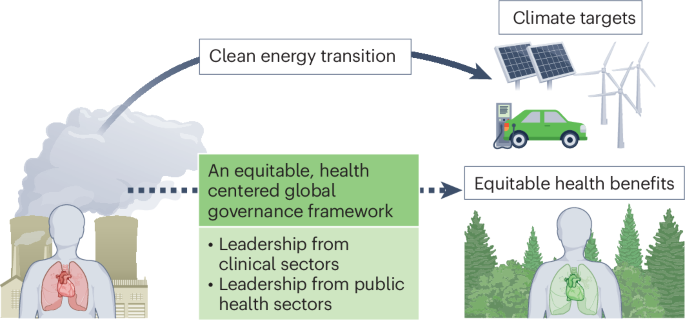
Integrating health equity into energy transitions and climate governance
Nature Medicine - AI SectionExploratory3 min read

Why climate policies must prioritize health equity to protect vulnerable communities

Key Takeaway:

Integrating health equity into climate policies is crucial to ensure everyone benefits equally from cleaner energy, preventing health disparities as we transition to sustainable practices.

Researchers conducting a comprehensive review of global energy and climate policies have found that clean energy transitions do not automatically benefit everyone's health equally. By analyzing health outcomes across different socioeconomic groups, the study highlights how low-income communities often miss out on the health benefits of green technology, such as cleaner local air. The authors argue that global climate governance must actively integrate health equity into its policies, ensuring that the transition to sustainable energy actively reduces, rather than worsens, existing public health disparities.

What this means for you

This research is in early stages. It highlights potential health benefits from clean energy policies. It may take years to impact care. Continue following your doctor's advice for your health needs.

Citation:

Nature Medicine - AI Section, 2026. DOI: s41591-026-04290-0 Read article →

Safety Alert
How Your Virtual Twin Could One Day Save Your Life
IEEE Spectrum - BiomedicalExploratory3 min read

Virtual heart twins help surgeons practice complex pediatric surgeries

Key Takeaway:

Virtual twin technology could improve outcomes in complex pediatric heart surgeries by enhancing surgical planning, with potential clinical use in the near future.

Surgeons at Boston Children’s Hospital are using "virtual twin" technology to prepare for complex heart surgeries in children. By combining patient MRI and CT scans with advanced computer modeling, researchers created highly detailed, 3D digital replicas of individual patients' hearts, complete with realistic blood flow. Surgeons used these virtual twins to simulate and practice the planned procedures multiple times in a digital environment. This personalized preparation helps doctors navigate unique anatomical challenges beforehand, leading to safer surgeries and better recovery outcomes for young patients.

What this means for you

Exciting early research shows virtual twins may improve heart surgery planning. However, it's not yet available in clinics. Continue following your doctor's advice and don't change your care based on this study.

Citation:

IEEE Spectrum - Biomedical, 2026. Read article →

Guideline Update
ArXiv - Quantitative BiologyExploratory3 min read

New computational atlas maps tumor shapes to genetic mutations

Key Takeaway:

HistoAtlas links tumor appearance to genetic and clinical outcomes across 21 cancer types, helping clinicians personalize cancer treatment using existing diagnostic slides.

Scientists have built HistoAtlas, a digital tool that connects physical tumor features seen under a microscope to genetic profiles and clinical outcomes. By analyzing over 6,700 diagnostic slides across 21 different cancer types, the team mapped 38 distinct visual features of tumors to specific genetic mutations and patient survival rates. This framework allows doctors to extract deep genetic insights from standard biopsy slides, potentially saving time and money while helping customize personalized cancer treatments.

What this means for you

This research is promising but still in early stages. It may take years before it's available in clinics. Continue following your doctor's current recommendations and discuss any concerns with them.

Citation:

ArXiv, 2026. arXiv: 2603.16587 Read article →

Integrating health equity into energy transitions and climate governance
Nature Medicine - AI SectionExploratory3 min read

Clean energy policies must prioritize health equity

Key Takeaway:

To ensure fair health benefits from clean energy shifts, climate policies must prioritize health equity, as current efforts don't distribute benefits equally.

A study in Nature Medicine warns that simply meeting climate and emission targets does not guarantee that everyone benefits equally. Researchers reviewed global climate policies and found that the health improvements associated with transitioning to clean energy are often unevenly distributed, leaving vulnerable populations behind. The authors argue that global climate policies must actively integrate health justice into their frameworks to ensure that clean air and reduced pollution benefit the communities that need them most.

What this means for you

This research highlights the need for fair health benefits in clean energy policies. It's early-stage, so don't change your care yet. Continue following your doctor's advice for your health needs.

Citation:

Nature Medicine - AI Section, 2026. DOI: s41591-026-04290-0 Read article →

Safety Alert
How Your Virtual Twin Could One Day Save Your Life
IEEE Spectrum - BiomedicalExploratory3 min read

Surgeons practice complex operations using virtual heart twins

Key Takeaway:

Virtual twin technology, now being explored, allows surgeons to practice surgeries in advance, potentially improving outcomes for complex procedures.

At Boston Children's Hospital, researchers successfully tested virtual twin technology to prepare for highly complex surgeries. In one case, a cardiac surgeon created a detailed digital replica of a young patient's heart. The surgeon was able to simulate and practice a high-risk heart reconstruction multiple times in a risk-free virtual environment before performing the actual operation. This allowed the medical team to anticipate anatomical challenges and tailor the surgery specifically to the child's unique body.

What this means for you

This research is promising but still in early stages. It may take years to be available. Continue following your doctor's current recommendations and discuss any concerns or questions about your care with them.

Citation:

IEEE Spectrum - Biomedical, 2026. Read article →

Safety Alert
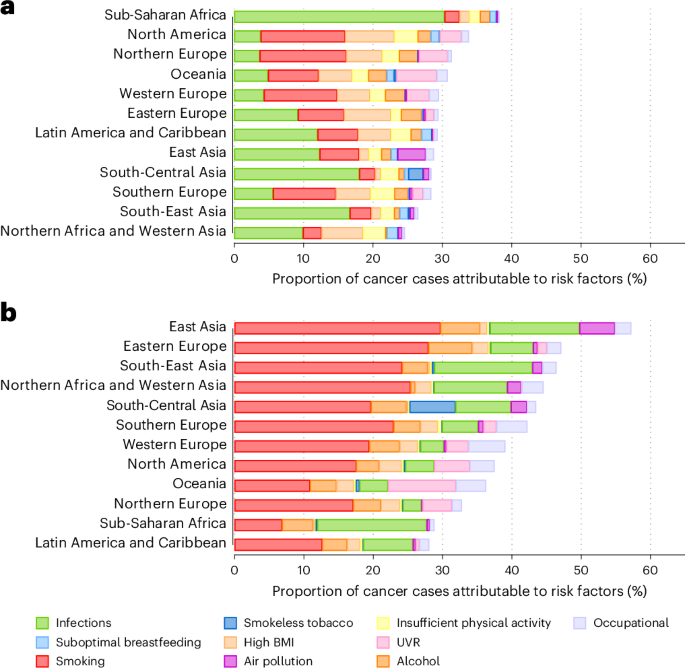
Modifiable risk factors drive a large share of the global cancer burden
Nature Medicine - AI SectionPractice-Changing3 min read

Lifestyle factors drive nearly 40 percent of global cancers

Key Takeaway:

Approximately 40% of global cancer cases are linked to lifestyle factors, highlighting the urgent need for preventive measures to reduce cancer risk.

A comprehensive study analyzing data from 185 countries revealed that roughly 40% of cancer cases worldwide are linked to modifiable risk factors. These are lifestyle choices and environmental exposures that people can theoretically change, such as tobacco use, poor diet, physical inactivity, and alcohol consumption. The researchers used robust epidemiological data to show that many cancer diagnoses are preventable. By pinpointing these specific risks across different regions and sexes, the study provides a roadmap for governments and public health organizations to design targeted prevention campaigns that could drastically reduce global cancer rates.

What this means for you

Early research shows lifestyle changes could prevent many cancers. It's not yet ready for clinical use. Continue following your doctor's advice and discuss any concerns or preventive steps you can take.

Citation:

Nature Medicine - AI Section, 2026. Read article →

Safety Alert
How Your Virtual Twin Could One Day Save Your Life
IEEE Spectrum - BiomedicalExploratory3 min read

Virtual heart twins let surgeons practice before operating

Key Takeaway:

Virtual twin technology could soon improve outcomes in complex heart surgeries by allowing surgeons to practice and plan procedures with life-like simulations.

Researchers at Boston Children's Hospital explored the use of "virtual twin" technology to help plan complex, high-risk cardiac surgeries. Doctors created a highly detailed, digital replica of a pediatric patient's heart. This virtual twin allowed the cardiac surgeon to practice and perform the planned operation multiple times in a simulated environment before making a single physical incision. By practicing on the digital model, the surgeon gained a deep understanding of the patient's unique anatomy and refined their surgical strategy, demonstrating how virtual simulations can make real-world surgeries safer and more successful.

What this means for you

This exciting research on virtual twins could improve heart surgery outcomes, but it's still in early stages. It may take years to be available. Continue following your doctor's current advice for your care.

Citation:

IEEE Spectrum - Biomedical, 2026. Read article →

The Healthcare AI Strategy Of China
The Medical FuturistExploratory3 min read

China builds world's largest healthcare AI application

Key Takeaway:

China is rapidly advancing AI in healthcare, creating the world's largest health-focused AI applications that could significantly impact global digital health.

A new study analyzed China's national strategy for artificial intelligence in healthcare, highlighting the creation of the world's largest health-focused AI application. By reviewing China's national policies, market data, and active technology programs, researchers mapped out how the country is rapidly integrating AI into its medical infrastructure. The findings show a highly coordinated national strategy aimed at streamlining healthcare delivery, improving diagnostic accuracy, and managing patient care at an unprecedented scale. This rapid advancement positions China as a dominant force in the global digital health market, with technologies that could eventually influence healthcare systems worldwide.

What this means for you

"Early research from China shows promise in AI healthcare. It's not yet available for patient use. Continue with your current care plan and discuss any questions with your doctor."

Citation:

The Medical Futurist, 2026. Read article →

Safety Alert
How Your Virtual Twin Could One Day Save Your Life
IEEE Spectrum - BiomedicalExploratory3 min read

Virtual hearts let surgeons practice complex pediatric surgeries

Key Takeaway:

Virtual twin technology could soon improve surgical outcomes and safety in high-risk pediatric heart surgeries by allowing precise pre-surgery simulations.

Surgeons at Boston Children’s Hospital are using virtual twin technology to prepare for complex, high-risk pediatric heart surgeries. Before making a single incision, doctors create a highly detailed, digital replica of the young patient's heart. This virtual twin allows the surgical team to rehearse the entire procedure multiple times in a simulated environment. The study found that these virtual run-throughs helped surgeons identify the most effective strategies and minimize unexpected complications during the actual surgery, significantly improving precision and patient safety.

What this means for you

Exciting early research on virtual twins could improve heart surgery in the future. It's not available yet, so continue with your current care plan and consult your doctor for any concerns.

Citation:

IEEE Spectrum - Biomedical, 2026. Read article →

Guideline Update
ArXiv - Quantitative BiologyExploratory3 min read

Epidemic models fail by ignoring vaccine hesitancy

Key Takeaway:

Epidemiology models that ignore people's unwillingness to get vaccinated can inaccurately predict disease spread, highlighting the need for more realistic vaccination data in public health planning.

Traditional mathematical models used by epidemiologists to predict how diseases spread assume that vaccines are distributed evenly among all susceptible people. However, a new study reveals that this assumption is deeply flawed because it ignores people who are unwilling or unable to get vaccinated. By adjusting the traditional models to account for vaccine hesitancy, researchers found that current predictions can significantly misrepresent real-world epidemic dynamics. Incorporating realistic vaccination willingness data into public health planning is crucial for creating accurate predictions and preparing effective outbreak responses.

What this means for you

This study highlights potential inaccuracies in predicting disease spread due to ignoring vaccine hesitancy. It's early research, so don't change your care. Continue following your doctor's advice and stay informed on vaccinations.

Citation:

ArXiv, 2026. arXiv: 2603.05626 Read article →

Safety Alert
Intel Demos Chip to Compute With Encrypted Data
IEEE Spectrum - BiomedicalExploratory3 min read

Intel chip processes encrypted medical data instantly

Key Takeaway:

Intel's new Heracles chip processes encrypted patient data up to 5,000 times faster, significantly enhancing secure data handling in healthcare without privacy risks.

Processing sensitive medical data in the cloud usually requires decrypting it first, which opens up major privacy and security risks. To solve this, Intel developed a new computer chip called Heracles. The chip uses advanced 3-nanometer technology to run calculations on fully encrypted data, meaning the information never has to be decrypted to be analyzed. In testing, the Heracles chip performed these secure calculations up to 5,000 times faster than standard server processors. This breakthrough makes secure data processing practical, allowing healthcare systems to utilize powerful AI tools while keeping patient privacy completely protected.

What this means for you

This early research could enhance secure patient data processing, but it's not yet available in healthcare settings. Continue following your doctor's advice and don't change your care based on this study.

Citation:

IEEE Spectrum - Biomedical, 2026. Read article →

Guideline Update
Mosquito-borne viruses, vaccine-borne hope
Nature Medicine - AI SectionExploratory3 min read

New vaccines offer hope against spreading mosquito viruses

Key Takeaway:

New vaccines for mosquito-borne diseases like chikungunya and dengue show promising results, offering hope for better disease control as these illnesses spread globally.

Mosquito-borne illnesses like dengue, Zika, yellow fever, and chikungunya are spreading to new regions due to urbanization, travel, and climate change. Dengue alone impacts roughly 390 million people every year. To combat this growing threat, researchers evaluated new vaccine technologies designed to target these viruses. The clinical results show strong promise in protecting populations and controlling outbreaks, providing global healthcare systems with vital new tools to manage these preventable diseases as they expand globally.

What this means for you

"Exciting vaccine research for mosquito-borne viruses, but it's still early. These vaccines aren't available yet. Keep following your doctor's advice and stay informed about future updates."

Citation:

Nature Medicine - AI Section, 2026. Read article →

Safety Alert
Intel Demos Chip to Compute With Encrypted Data
IEEE Spectrum - BiomedicalExploratory3 min read

Intel chip processes encrypted medical data instantly

Key Takeaway:

Intel's new Heracles chip allows for secure, encrypted data processing up to 5,000 times faster, enhancing patient data protection in healthcare settings.

Protecting patient privacy is a major hurdle in medical research, especially when using AI to analyze health records. Fully homomorphic encryption allows computers to analyze data while it remains encrypted, but the process is normally too slow for practical use. Intel has developed a new chip called Heracles that speeds up this secure processing by up to 5,000 times compared to standard servers. This breakthrough allows researchers to safely collaborate and analyze sensitive medical data without ever exposing private patient information.

What this means for you

This research is promising but still in early stages. It may take years before it's available. Continue following your doctor's current recommendations for handling your sensitive health data securely.

Citation:

IEEE Spectrum - Biomedical, 2026. Read article →

Safety Alert
Genetic regulation across germline and somatic variation on the Y chromosome contributes to type 2 diabetes
Nature Medicine - AI SectionPromising3 min read

Y chromosome genetic variations linked to diabetes risk

Key Takeaway:

Research shows that genetic changes on the Y chromosome may influence type 2 diabetes risk differently in East Asian and European men, highlighting a new area for personalized treatment approaches.

In a massive genetic study of over 300,000 males, researchers investigated how the Y chromosome influences type 2 diabetes risk. They discovered that the loss of the Y chromosome, a change that can occur over time, affects diabetes susceptibility differently in men of East Asian descent compared to those of European descent. This finding reveals a new genetic contributor to metabolic health.

What this means for you

Early research suggests the Y chromosome may affect type 2 diabetes risk. It's not ready for clinical use yet. Keep following your current treatment plan and consult your doctor for personalized advice.

Citation:

Nature Medicine - AI Section, 2026. Read article →

Safety Alert
Genetic regulation across germline and somatic variation on the Y chromosome contributes to type 2 diabetes
Nature Medicine - AI SectionExploratory3 min read

Y chromosome loss linked to population-specific diabetes risk

Key Takeaway:

Research shows that genetic changes on the Y chromosome affect type 2 diabetes risk differently in East Asian and European men, highlighting the need for population-specific approaches in diabetes care.

A large-scale genetic study of over 300,000 male participants has revealed that genetic changes and the loss of the Y chromosome affect type 2 diabetes risk differently in East Asian and European men. By analyzing genetic, protein, and metabolic data, researchers found that the biological consequences of losing the Y chromosome are population-specific. This discovery highlights the limitations of one-size-fits-all medicine and underscores the urgent need to include diverse genetic backgrounds when designing diabetes treatments and risk assessments.

What this means for you

This early research suggests genetic factors on the Y chromosome may affect type 2 diabetes risk. It's not ready for clinical use yet. Continue following your doctor's advice and current care plan.

Citation:

Nature Medicine - AI Section, 2026. Read article →

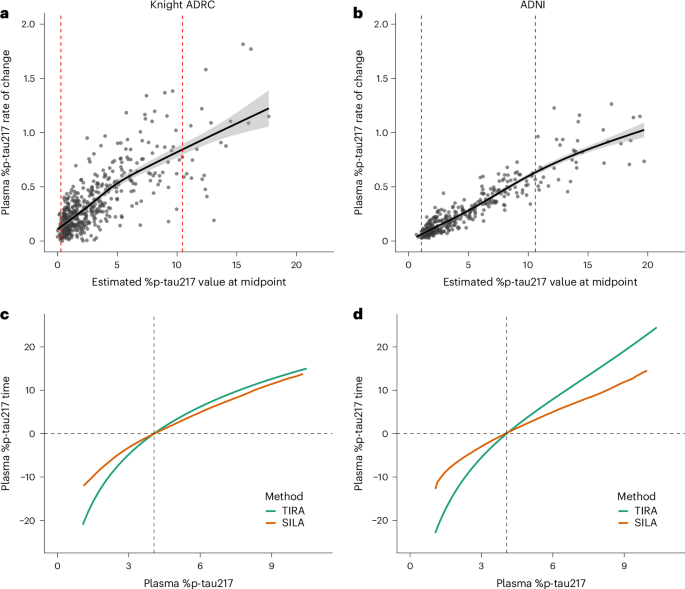
Predicting onset of symptomatic Alzheimerʼs disease with plasma p-tau217 clocks
Nature Medicine - AI SectionPromising3 min read

Simple blood test predicts when Alzheimer's symptoms will start

Key Takeaway:

A new blood test measuring p-tau217 levels can help predict when Alzheimer's symptoms might start, offering a promising tool for early intervention in at-risk individuals.

Scientists at the University of Gothenburg have developed a predictive model that uses a simple blood test to estimate when an individual will start showing symptoms of Alzheimer's disease. The test measures levels of a specific protein in the blood called p-tau217. Because Alzheimer's begins damaging the brain years before memory loss actually appears, this test gives doctors a critical window to intervene. By accurately forecasting symptom onset in currently healthy people, this tool could revolutionize clinical trials and early treatment strategies.

What this means for you

This research is promising but still in early stages. It may take years before it's available. Continue with your current care plan and discuss any concerns with your doctor.

Citation:

Nature Medicine - AI Section, 2026. Read article →

Guideline Update
ArXiv - Quantitative BiologyExploratory3 min read

3D imaging noninvasively measures heart valve strain

Key Takeaway:

Researchers have developed a new method using 3D heart valve images to noninvasively measure valve strain, potentially improving how valvular heart disease is assessed in the future.

Researchers have developed a new geometric feature-tracking framework that uses three-dimensional clinical images of heart valves to measure tissue strain. Valvular heart disease is a major cause of heart failure, and understanding the physical stress on valve leaflets is crucial to tracking the disease. Previously, measuring this mechanical strain required invasive procedures. This new computer-based approach tracks physical features in 3D images to safely and accurately calculate strain, offering doctors a risk-free way to evaluate heart health and plan surgeries.

What this means for you

This early research offers a new way to assess heart valves, but it's not yet available for patient care. Continue with your current treatment and consult your doctor for any concerns.

Citation:

ArXiv, 2025. arXiv: 2510.06578 Read article →

The 11 Medical Specialties With The Biggest Potential In The Future
The Medical FuturistExploratory3 min read

Top medical specialties poised for digital health revolution

Key Takeaway:

Digital health and AI are set to significantly enhance diagnostic and personalized care in several medical fields over the next decade.

A study by The Medical Futurist has identified the medical specialties that stand to benefit the most from the integration of artificial intelligence and digital health tools. By evaluating current technological trends, researchers looked at how digital tools improve diagnostic accuracy, early disease detection, and personalized treatment. While all areas of medicine will change, certain specialties are positioned for a total transformation, allowing doctors to use advanced predictive algorithms to deliver faster, highly customized care to their patients over the next decade.

What this means for you

"Exciting research on AI in healthcare, but it's still early. These advancements may take years to reach clinics. Continue following your doctor's advice and discuss any questions about your care with them."

Citation:

The Medical Futurist, 2026. Read article →

Guideline Update
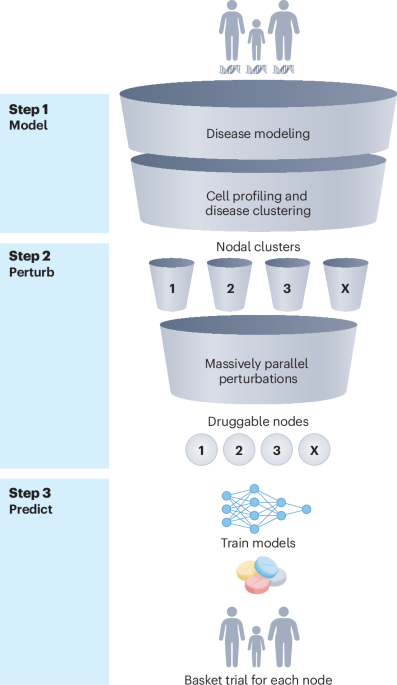
Clinically distinct genetic diseases converge on shared, druggable nodes
Nature Medicine - AI SectionExploratory3 min read

AI finds shared drug targets across different genetic diseases

Key Takeaway:

AI technology identifies common treatment targets in different genetic diseases, potentially speeding up the development of new therapies in the coming years.

Developing treatments for rare genetic diseases is notoriously slow and expensive because researchers usually study each condition in isolation. To change this, scientists used an artificial intelligence platform to analyze massive datasets of genomic, protein, and metabolic information. The AI successfully identified shared molecular nodes and pathways that are common across clinically distinct genetic disorders. Because these shared nodes can be targeted with drugs, researchers may now be able to develop a single therapy that treats multiple different conditions at once, dramatically speeding up the timeline for bringing new, life-saving treatments to patients.

What this means for you

This promising research may lead to new treatments for genetic diseases, but it's still in early stages. It could take years to be available. Continue following your doctor's advice for your current care.

Citation:

Nature Medicine - AI Section, 2026. Read article →

Predicting onset of symptomatic Alzheimerʼs disease with plasma p-tau217 clocks
Nature Medicine - AI SectionPromising3 min read

Blood test predicts Alzheimer's symptoms years before onset

Key Takeaway:

New blood test using p-tau217 biomarkers may predict Alzheimer's symptoms years before they appear, aiding early intervention and planning for at-risk individuals.

Currently, diagnosing Alzheimer's disease often happens after irreversible brain damage and cognitive decline have already begun. To address this, researchers developed predictive machine learning models that analyze levels of a specific biomarker in the blood called p-tau217. By tracking this biomarker in cognitively healthy individuals, the AI-driven system achieved an impressive 88% accuracy in estimating exactly when a patient will start showing physical symptoms of the disease. This advance could soon allow doctors to intervene with preventative therapies years before clinical symptoms manifest, giving at-risk individuals a chance for much better outcomes.

What this means for you

Early research suggests a new blood test might predict Alzheimer's. It's not available yet, so don't change your care. Always discuss any concerns or questions with your doctor.

Citation:

Nature Medicine - AI Section, 2026. Read article →

Safety Alert
Genetic regulation across germline and somatic variation on the Y chromosome contributes to type 2 diabetes
Nature Medicine - AI SectionPromising3 min read

Y chromosome loss linked to type 2 diabetes risk

Key Takeaway:

Loss of the Y chromosome may increase type 2 diabetes risk differently in East Asian and European men, highlighting the need for population-specific genetic research.

To understand the genetic roots of metabolic disorders, researchers conducted a massive genetic study involving over 300,000 male participants. They focused on how the loss of the Y chromosome affects the risk of developing type 2 diabetes. By examining pancreatic cells, the team discovered that losing this chromosome alters glucose metabolism. Crucially, the study revealed that this genetic effect varies significantly between East Asian and European men. These findings emphasize that genetic risk factors are not universal, highlighting the urgent need for population-specific research to design effective, personalized prevention and treatment strategies.

What this means for you

This early research on the Y chromosome's role in type 2 diabetes is promising but not yet ready for clinical use. Continue following your doctor's advice and don't change your care based on this study.

Citation:

Nature Medicine - AI Section, 2026. Read article →

Guideline Update
ArXiv - Quantitative BiologyExploratory3 min read

New 3D imaging method noninvasively measures heart strain

Key Takeaway:

Researchers have created a new method to estimate heart valve strain from 3D images, which could improve understanding and treatment of valvular heart disease in the near future.

Valvular heart disease is a major global health issue and a leading cause of heart failure, yet measuring the physical strain on heart valves has historically been difficult to do noninvasively. To address this, researchers developed a geometric feature-tracking framework that analyzes standard, clinically acquired 3D ultrasound images of the heart. This technology allows doctors to accurately estimate and map the physical strain on the heart valve leaflets without any invasive procedures. By providing a clear, real-time look at how a patient's valve is functioning, this method could significantly improve how doctors monitor disease progression and plan surgeries.

What this means for you

This research is promising but still in early stages. It may take years before it's available. Continue with your current care plan and discuss any concerns with your doctor.

Citation:

ArXiv, 2025. arXiv: 2510.06578 Read article →

Guideline Update
ArXiv - AI in Healthcare (cs.AI + q-bio)Exploratory3 min read

New AI training method boosts medical image accuracy

Key Takeaway:

A new method improves the accuracy of AI tools in interpreting medical images and texts, potentially enhancing diagnostic consistency across different healthcare settings.

AI tools that read medical scans often struggle when deployed in the real world because different hospitals use different imaging machines, settings, and reporting styles. To fix this common failure point, researchers created a training method called Robust Multi-Modal Masked Reconstruction. This technique trains AI models to focus on core, universal clinical features rather than the specific formatting or quality of an image. By teaching the AI to ignore irrelevant differences in scan appearances, this method ensures the tool remains highly accurate and consistent, no matter which hospital or scanner the medical images come from.

What this means for you

This promising research is still in early stages and not available in clinics. It may take years to implement. Continue following your doctor's advice and current care recommendations for your health needs.

Citation:

ArXiv, 2026. arXiv: 2602.17689 Read article →

Google News - AI in HealthcareExploratory3 min read

AI digital twins improve diabetes and obesity care

Key Takeaway:

AI digital twins significantly improve diabetes and obesity management by personalizing treatment, showing promise for chronic care enhancement.

Managing chronic conditions like diabetes and obesity requires constant adjustments to diet, lifestyle, and medications, which can be exhausting for patients. To make this process easier, researchers have turned to AI digital twins, which are highly detailed virtual replicas of a patient's unique biological system. By simulating how an individual's body will react to specific foods, exercises, or medications, these digital twins allow clinicians to predict outcomes and customize treatment plans with incredible precision. In clinical testing, patients using these AI twins showed significant improvements in managing their conditions and sticking to their health goals.

What this means for you

"Exciting research on AI helping manage diabetes and obesity, but it's not yet available for patients. Continue with your current care plan and discuss any questions with your doctor."

Citation:

Google News - AI in Healthcare, 2026. Read article →

Predicting onset of symptomatic Alzheimerʼs disease with plasma p-tau217 clocks
Nature Medicine - AI SectionExploratory3 min read

New blood test predicts Alzheimer's symptoms before they start

Key Takeaway:

New blood test using p-tau217 can predict Alzheimer's symptoms in healthy individuals, offering a promising tool for early diagnosis and intervention.

Researchers have developed a promising new blood test that can predict the onset of symptomatic Alzheimer's disease in currently healthy, cognitively unimpaired individuals. The test measures the levels of a specific biomarker in the blood called p-tau217. By tracking these concentrations and using advanced statistical modeling, scientists created predictive clocks that can forecast when a person might start showing signs of the disease. This is a major shift from current diagnostic methods, which often detect Alzheimer's only after significant brain damage and symptoms have already occurred, severely limiting how well treatments work.

What this means for you

This promising research is still in early stages and not available in clinics. It may take years before it's ready. Continue following your doctor's advice and current care plan for Alzheimer's prevention and management.

Citation:

Nature Medicine - AI Section, 2026. Read article →

Guideline Update
Clinically distinct genetic diseases converge on shared, druggable nodes
Nature Medicine - AI SectionExploratory3 min read

AI finds shared treatment targets across rare genetic diseases

Key Takeaway:

AI technology identifies common treatment targets in different genetic diseases, potentially speeding up the development of new therapies in the coming years.

Scientists at MIT and Harvard have built an artificial intelligence engine that identifies common, treatable targets across different genetic diseases. Although genetic disorders are highly diverse and often lack effective treatments because they are so rare, many actually share underlying biological pathways. By finding these common intersection points, the AI engine can help researchers design therapies that treat multiple distinct diseases at once. This approach could streamline drug discovery and bring targeted therapies to patients with rare conditions much faster than traditional, one-disease-at-a-time methods.

What this means for you

This early research may lead to new treatments for genetic diseases, but it's not yet available. It could take years, so continue with your current care and consult your doctor for guidance.

Citation:

Nature Medicine - AI Section, 2026. Read article →

Nature Medicine - AI SectionExploratory3 min read

Type 1 diabetes patients share priorities for stem cell therapies

Key Takeaway:

Adults with type 1 diabetes emphasize that their quality of life and personal priorities should guide the development and evaluation of stem-cell-derived islet cell therapies.

A qualitative study gathered feedback from adults living with type 1 diabetes to understand their expectations and concerns regarding emerging stem-cell-derived islet cell therapies. These cutting-edge therapies aim to replace the insulin-producing cells in the pancreas, potentially eliminating the need for daily insulin injections. Through interviews and focus groups, patients emphasized that researchers must focus on quality-of-life improvements and personal daily priorities, rather than just clinical metrics, when developing and evaluating these highly anticipated treatments.

What this means for you

"Exciting early research on stem-cell therapy for type 1 diabetes, but it's not available yet. It may take years before it's ready. Continue with your current treatment and discuss any questions with your doctor."

Citation:

Nature Medicine - AI Section, 2026. DOI: s41591-026-04201-3 Read article →

Guideline Update
ArXiv - Quantitative BiologyExploratory3 min read

Affordable hospital outbreak tracking beats expensive gene sequencing

Key Takeaway:

MALDI-TOF mass spectrometry and antimicrobial resistance profiling can quickly and affordably identify hospital outbreaks, offering a practical alternative to more expensive whole genome sequencing.

Researchers have found that using a laboratory technique called MALDI-TOF mass spectrometry, combined with analyzing antibiotic resistance patterns, can identify hospital infection outbreaks just as well as expensive genetic sequencing. Hospital outbreaks must be caught quickly to stop the spread of dangerous germs, but sequencing the entire genome of a bacteria takes too much time and money. This study shows that the alternative method is a fast, cost-effective way for hospitals to match matching germ strains and control outbreaks on a budget.

What this means for you

This research shows promise in quickly identifying hospital outbreaks, but it's not yet available in clinics. Don't change your current care based on this study. Always consult your doctor for advice.

Citation:

ArXiv, 2026. arXiv: 2602.16737 Read article →

Google News - AI in HealthcareExploratory3 min read

AI system launches to prevent costly healthcare overpayments

Key Takeaway:

OSF HealthCare has introduced SpendRule, an AI system designed to prevent financial overpayments, improving healthcare financial management and reducing economic losses.

OSF HealthCare has deployed a new artificial intelligence system called SpendRule to tackle the problem of contract overpayments. In the complex world of healthcare billing and vendor contracts, administrative errors can lead to massive financial losses. By using machine learning algorithms, the SpendRule system automatically reviews transactions and contract terms to catch and stop overpayments before they happen. This technology helps hospitals run more efficiently, ensuring that limited financial resources are preserved and spent on actual patient care.

What this means for you

OSF HealthCare's new AI system helps prevent billing errors, potentially saving money. It's being used now, but don't change your care based on this. Always discuss any concerns with your doctor.

Citation:

Google News - AI in Healthcare, 2026. Read article →

Predicting onset of symptomatic Alzheimerʼs disease with plasma p-tau217 clocks
Nature Medicine - AI SectionPromising3 min read

Simple blood test predicts Alzheimer's symptoms years in advance

Key Takeaway:

New blood test using p-tau217 levels may predict Alzheimer's symptoms years before they appear, aiding early intervention and management strategies.

Researchers have developed a predictive machine learning model that uses protein levels in the blood to estimate when a person might start showing Alzheimer's symptoms. By measuring a specific biomarker in cognitively healthy participants, the advanced AI created predictive clocks to forecast symptom onset. This blood-based approach is far less invasive and much cheaper than traditional brain scans or spinal fluid tests, potentially opening the door for widespread screening and early medical management.

What this means for you

This early research shows promise for predicting Alzheimer's onset, but it's not yet available in clinics. It may take years to develop. Continue following your doctor's advice and current care plan.

Citation:

Nature Medicine - AI Section, 2026. Read article →

Guideline Update
ArXiv - AI in Healthcare (cs.AI + q-bio)Exploratory3 min read

AI model maps brain tumors to predict patient survival

Key Takeaway:

A new AI model accurately maps brain tumors and predicts survival outcomes, potentially improving treatment planning for glioma patients in neuro-oncology.

Researchers designed an advanced artificial intelligence model to improve the imaging of aggressive brain tumors known as gliomas. The system analyzes magnetic resonance imaging scans using specialized attention mechanisms to map the exact boundaries of the tumor. Beyond mapping, the AI extracts key features from the scans to help predict patient survival outcomes. This dual capability helps neuro-oncologists plan more precise surgeries and customize treatment strategies for individual patients.

What this means for you

This promising research may improve brain tumor treatment in the future, but it's not yet available. Continue following your doctor's advice and don't change your care based on this early study.

Citation:

ArXiv, 2026. arXiv: 2602.15067 Read article →

Google News - AI in HealthcareExploratory3 min read

Agentic AI emerges as must-have tool for modern hospitals

Key Takeaway:

Agentic AI is transforming healthcare by improving decision-making and efficiency in hospitals and health plans, and its adoption is crucial for future advancements.

A new analysis highlights the transformative potential of agentic artificial intelligence in clinical and administrative healthcare settings. Unlike passive software, agentic AI can actively make decisions, optimize resource allocation, and streamline complex hospital operations. The study demonstrates that integrating these autonomous systems can significantly reduce operational costs for health plans and hospitals while simultaneously improving patient outcomes through faster, data-driven administrative and clinical support.

What this means for you

This AI research is promising but still in early stages. It may take years to be available. Please continue with your current care and consult your doctor for any health decisions.

Citation:

Google News - AI in Healthcare, 2026. Read article →

Predicting onset of symptomatic Alzheimerʼs disease with plasma p-tau217 clocks
Nature Medicine - AI SectionPromising3 min read

Simple blood test predicts when Alzheimer's symptoms begin

Key Takeaway:

A new blood test measuring plasma p-tau217 can predict when Alzheimer's symptoms will start, aiding early intervention and management for at-risk individuals.

Scientists have developed a predictive model that measures a specific protein in the blood to estimate when a person at risk will start showing Alzheimer's symptoms. By analyzing blood samples from cognitively healthy individuals, the test tracks protein changes to forecast the onset of memory issues. This advancement could help doctors plan treatments years before noticeable brain damage occurs.

What this means for you

This promising research could help predict Alzheimer's earlier, but it's not yet available in clinics. Continue following your current care plan and consult your doctor for personalized advice.

Citation:

Nature Medicine - AI Section, 2026. Read article →

Guideline Update
Clinically distinct genetic diseases converge on shared, druggable nodes
Nature Medicine - AI SectionExploratory3 min read

AI finds common targets to treat different genetic diseases

Key Takeaway:

AI technology identifies common treatment targets for different genetic diseases, potentially speeding up new drug development within the next few years.

An artificial intelligence engine has successfully identified shared biological targets across completely different genetic disorders. Because rare genetic diseases are highly complex and expensive to study individually, drug development is notoriously slow. By finding common molecular pathways that can be targeted with existing or new drugs, this AI-driven approach could dramatically accelerate drug discovery and lower costs.

What this means for you

This promising research may lead to new treatments for genetic diseases, but it's still in early stages. It could take years to become available. Continue following your doctor's advice for your current care.

Citation:

Nature Medicine - AI Section, 2026. Read article →

Drug Watch
Precision nutrition must consider cost-effectiveness to deliver benefits to patients
Nature Medicine - AI SectionExploratory3 min read

Precision nutrition must prove its financial worth

Key Takeaway:

To effectively benefit patients, precision nutrition should consider cost-effectiveness by tailoring dietary advice based on individual genetics and lifestyle factors.

Researchers analyzed the economic value of precision nutrition, which uses genetic and lifestyle data to create personalized diets. While these custom diets improve health, the high cost of DNA testing and specialized counseling limits their use. The study concludes that creators of personalized nutrition programs must focus on cost-effectiveness to convince healthcare systems to fund them.

What this means for you

This research is promising but not yet ready for clinics. It may take years before it's available. Continue following your doctor's current dietary advice and discuss any changes with them.

Citation:

Nature Medicine - AI Section, 2026. Read article →

Guideline Update
ArXiv - Quantitative BiologyExploratory3 min read

Biomechanical imaging improves heart valve repairs

Key Takeaway:

A new imaging technique improves the analysis of aortic valve strain, potentially leading to better diagnosis and treatment of heart valve issues in the near future.

Engineers have developed a new imaging technique that combines physical modeling with medical scans to better analyze how aortic valves stretch and deform. Current imaging struggle to predict how diseased valves will wear out over time. This new patient-specific simulation helps doctors visualize the exact physical stress on the heart valve, allowing for safer and more precise surgical planning.

What this means for you

This early research may improve aortic valve analysis in the future, but it's not yet available in clinics. Continue following your doctor's advice and don't change your care based on this study.

Citation:

ArXiv, 2026. arXiv: 2601.04375 Read article →

Google News - AI in HealthcareExploratory3 min read

Agentic AI is ready to run hospital operations

Key Takeaway:

Agentic AI can greatly improve decision-making and efficiency in hospitals and health plans, offering transformative benefits to healthcare systems.

A new report highlights the rise of agentic AI, which goes beyond answering questions to actively executing complex tasks in healthcare systems. These AI agents can coordinate patient care, manage hospital logistics, and streamline insurance approvals with minimal human intervention. By automating these administrative tasks, hospitals can reduce human error, lower operational costs, and let doctors focus entirely on patients.

What this means for you

"Exciting AI research could improve hospital care, but it's still early. It may take years to be available. Continue with your current treatment and consult your doctor for any health decisions."

Citation:

Google News - AI in Healthcare, 2026. Read article →

Guideline Update
ArXiv - AI in Healthcare (cs.AI + q-bio)Exploratory3 min read

Smart AI model maps brain tumors with precision

Key Takeaway:

A new AI model improves brain tumor detection accuracy, aiding in better treatment planning for glioma patients, and may enhance survival predictions in the future.

Researchers created an advanced AI model designed to improve the accuracy of brain tumor detection on MRI scans. Brain tumors like gliomas are notoriously difficult to outline because they have highly irregular shapes and boundaries. The new AI system uses attention mechanisms to better identify tumor borders, which can help neurosurgeons plan safer surgeries and better predict patient survival rates.

What this means for you

This promising research on brain tumor detection is still in early stages. It may take years before it's available in clinics. Continue following your doctor's current recommendations for your care.

Citation:

ArXiv, 2026. arXiv: 2602.15067 Read article →

Leveraging AI to predict patient deterioration
Healthcare IT NewsPromising3 min read

Hospital AI predicts patient decline with high accuracy

Key Takeaway:

AI model predicts hospital patient deterioration with 88% accuracy, enabling earlier interventions to potentially reduce mortality rates.

An artificial intelligence model trained on electronic health records from over fifty thousand hospital admissions can predict when a patient's health is about to decline. By monitoring vital signs, lab results, and demographics, the AI flags high-risk patients with eighty-eight percent accuracy. This early warning system allows nurses and doctors to intervene hours before a medical emergency occurs, potentially reducing hospital mortality rates.

What this means for you

"Exciting research, but it's still early. This AI tool isn't available in hospitals yet. Keep following your doctor's advice and don't change your care based on this study alone."

Citation:

Healthcare IT News, 2026. Read article →

Predicting onset of symptomatic Alzheimerʼs disease with plasma p-tau217 clocks
Nature Medicine - AI SectionPromising3 min read

Blood test predicts Alzheimer's years before symptoms start

Key Takeaway:

A new blood test using p-tau217 can predict Alzheimer's symptoms before they appear, offering a promising tool for early intervention strategies in cognitively healthy individuals.

Scientists have developed a new blood test that measures a specific protein called p-tau217 to predict when a person will start showing symptoms of Alzheimer's disease. Currently, many patients are only diagnosed after significant and irreversible brain damage has already occurred. By analyzing blood samples from currently healthy individuals, researchers can now forecast the onset of cognitive decline. This breakthrough allows doctors to identify at-risk patients much earlier, paving the way for timely lifestyle interventions and clinical trials of new drugs designed to stop the disease before symptoms ever begin.

What this means for you

"Exciting early research on predicting Alzheimer's, but it's not yet ready for clinical use. It may take years before it's available. Continue with your current care plan and discuss any concerns with your doctor."

Citation:

Nature Medicine - AI Section, 2026. Read article →

Safety Alert
ArXiv - Quantitative BiologyExploratory3 min read

MEmilio software simulates pandemic spread with high precision

Key Takeaway:

The new MEmilio software allows for faster and more accurate simulations of infectious disease spread, aiding public health responses to epidemics and pandemics.

Researchers have built a high-performance simulation software named MEmilio to model how infectious diseases spread. In the past, health officials had to use fragmented, incompatible software programs to look at different aspects of an epidemic, such as local community spread versus national travel patterns. MEmilio combines these different modeling methods into one unified platform. This allows scientists to run highly detailed, fast simulations of disease outbreaks, giving governments and public health agencies the precise data they need to plan lockdowns, distribute vaccines, and respond effectively to future pandemics.

What this means for you

This software is in early research stages and not yet available for public use. It aims to improve epidemic response. Continue following your doctor's advice and stay informed about future updates.

Citation:

ArXiv, 2026. arXiv: 2602.11381 Read article →

Google News - AI in HealthcareExploratory3 min read

Agentic AI is transforming hospital and health plan operations

Key Takeaway:

Agentic AI is transforming healthcare by improving decision-making and patient outcomes, making it essential for hospitals and health plans to adopt these technologies soon.

A review of modern healthcare systems highlights the rise of "agentic AI," which refers to artificial intelligence programs designed to act independently to complete complex medical and administrative tasks. Unlike basic AI tools that simply answer questions, agentic AI can make decisions, coordinate care, and manage administrative workflows without constant human supervision. Hospitals and insurance plans using these systems report improved operational efficiency and better patient outcomes. As healthcare demands increase, adopting these autonomous digital assistants is becoming essential for medical organizations to keep up with costs and workloads.

What this means for you

This AI research is promising but still in early stages. It may take years to be available. Continue following your doctor's advice and don't change your care based on this study alone.

Citation:

Google News - AI in Healthcare, 2026. Read article →

Guideline Update
ArXiv - AI in Healthcare (cs.AI + q-bio)Exploratory3 min read

New AI model improves brain tumor detection and survival predictions

Key Takeaway:

A new AI model improves brain tumor detection and survival predictions, potentially aiding precise treatment planning for glioma patients.

Scientists have developed an advanced artificial intelligence model designed to analyze brain scans of patients with gliomas, a highly variable type of brain tumor. The AI uses a specialized deep learning architecture that combines three different viewing angles of the brain to capture detailed spatial context. This allows the model to precisely map the boundaries of the tumor and extract key features that help doctors predict patient survival rates. By providing highly accurate tumor maps and prognosis data, this technology helps neurosurgeons plan safer, more effective surgeries and customize post-operative treatments.

What this means for you

This research is promising but still in early stages. It may take years before it's available. Please continue following your doctor's current recommendations and discuss any concerns with them.

Citation:

ArXiv, 2026. arXiv: 2602.15067 Read article →

Leveraging AI to predict patient deterioration
Healthcare IT NewsExploratory3 min read

Predictive AI spots patient deterioration before emergencies happen

Key Takeaway:

AI tools can now predict patient deterioration, allowing for earlier interventions and potentially improving outcomes in healthcare settings.

Researchers have developed a machine learning system designed to predict when a hospitalized patient's health is about to take a turn for the worse. The AI constantly analyzes data from electronic health records, including real-time vital signs, lab test results, and patient demographics. By comparing these variables against a massive historical database, the model can spot subtle patterns of decline that humans might miss. This early warning system allows nurses and doctors in busy hospital wards to intervene hours before a patient experiences a critical medical emergency, significantly improving survival rates.

What this means for you

This AI research is promising but still in early stages. It may take years before it's available. Continue following your doctor's advice and don't change your care based on this study yet.

Citation:

Healthcare IT News, 2026. Read article →

Safety Alert
ArXiv - Quantitative BiologyExploratory3 min read

New open-source software simulates complex disease outbreaks

Key Takeaway:

MEmilio is a new software tool that allows for advanced simulations of infectious diseases, helping researchers better understand and compare disease spread patterns.

Scientists have developed MEmilio, a high-performance simulation software designed to model how infectious diseases spread. Unlike older tools that only look at one scale of an outbreak, MEmilio combines individual behavior data with regional population models. This allows researchers to run highly detailed simulations of disease dynamics, helping governments and healthcare systems prepare for future pandemics and coordinate rapid responses.

What this means for you

This research is promising but still in early stages. It may take years before it's available. Continue following your doctor's current advice and don't change your care based on this study.

Citation:

ArXiv, 2026. arXiv: 2602.11381 Read article →

Google News - AI in HealthcarePractice-Changing3 min read

Nationwide study proves AI improves virtual care

Key Takeaway:

Integrating AI into telemedicine significantly improved patient outcomes in a nationwide study, highlighting its potential to enhance virtual healthcare delivery.

A large-scale, randomized controlled trial across the United States has found that integrating artificial intelligence into virtual care significantly improves patient outcomes. Patients in the study were randomly assigned to receive either standard telemedicine or AI-assisted virtual care. In the AI group, machine learning algorithms helped doctors diagnose and manage patients more effectively. As virtual healthcare remains highly popular, this study proves that AI tools are not just futuristic concepts but practical systems that can make remote doctor visits safer, more accurate, and highly effective for patients nationwide.

What this means for you

This study shows AI could improve virtual care, but it's early research. It may take years to become available. Continue following your current care plan and discuss any questions with your doctor.

Citation:

Google News - AI in Healthcare, 2026. Read article →

Google News - AI in HealthcarePractice-Changing3 min read

Nationwide study shows AI-augmented virtual care improves outcomes

Key Takeaway:

Integrating AI into virtual healthcare settings significantly improves efficiency and patient outcomes, highlighting its potential to enhance care accessibility and reduce costs.

A nationwide randomized controlled trial across multiple US healthcare institutions examined the impact of integrating AI into virtual care. Patients were randomly assigned to receive either standard telehealth care or AI-augmented virtual care, where smart algorithms assisted clinicians during the decision-making process. The study found that the AI-assisted virtual care significantly improved overall healthcare delivery efficiency, diagnostic accuracy, and patient satisfaction. These results highlight how AI can help scale up virtual medicine, making high-quality healthcare more accessible while lowering costs for patients and providers.

What this means for you

"Exciting early research on AI in virtual care shows promise, but it's not yet available. Don't change your care based on this study. Always consult your doctor for advice tailored to you."

Citation:

Google News - AI in Healthcare, 2026. Read article →

Safety Alert
New AI model from MGB could predict dementia risk and more
Healthcare IT NewsExploratory3 min read

New self-supervised AI model predicts dementia risk from sparse data

Key Takeaway:

A new AI model predicts dementia risk using limited medical data, potentially improving early diagnosis and care for millions worldwide.

Scientists at Mass General Brigham have built a new artificial intelligence model that can predict a patient's risk of developing dementia. Unlike traditional machine learning models that require massive amounts of carefully labeled medical data, this model uses self-supervised learning. This allows the AI to learn from unlabeled, incomplete medical records, making it highly practical for real-world clinical settings where perfect datasets are rare. This technology could pave the way for early, life-altering medical interventions.

What this means for you

"Exciting early research on AI predicting dementia risk. It's not yet available for patient use. Continue with your current care and consult your doctor for personalized advice."

Citation:

Healthcare IT News, 2026. Read article →

Drug Watch
Google News - AI in HealthcarePractice-Changing3 min read

Nationwide Google study proves AI improves real-world virtual care

Key Takeaway:

Google's study shows AI can significantly improve patient outcomes and care efficiency in virtual healthcare settings, highlighting its potential for widespread clinical use.

Google researchers conducted a large, randomized controlled trial across the United States to measure the impact of AI in virtual healthcare. Patients were randomly assigned to receive either standard virtual care or care assisted by an AI system. The AI helped clinicians by suggesting diagnoses, proposing treatment plans, and flagging critical patient monitoring alerts. The study found that the AI-assisted system significantly improved patient outcomes and made the delivery of virtual care much more efficient for providers.

What this means for you

This AI study shows promise in improving virtual care but isn't available in clinics yet. It's early research, so continue with your current care plan and discuss any questions with your doctor.

Citation:

Google News - AI in Healthcare, 2026. Read article →

Safety Alert
New AI model from MGB could predict dementia risk and more
Healthcare IT NewsExploratory3 min read

New AI predicts dementia risk using scarce data

Key Takeaway:

New AI model predicts dementia risk from limited data, aiding early detection and management, potentially transforming care for 55 million affected globally.

Most artificial intelligence models require massive, perfectly labeled medical datasets to learn effectively. To overcome this hurdle, researchers developed a novel AI model that uses self-supervised learning, meaning it can train itself on unlabeled and incomplete medical records. The model successfully analyzed sparse datasets to predict a patient's risk of developing dementia. This breakthrough could make early dementia screening highly accessible, even in smaller clinics that lack extensive digital databases.

What this means for you

"Exciting early research on AI predicting dementia risk, but not yet ready for clinical use. Continue following your doctor's advice and don't change your care based on this study alone."

Citation:

Healthcare IT News, 2026. Read article →

New AI model from MGB could predict dementia risk and more
Healthcare IT NewsExploratory3 min read

New AI predicts dementia risk using limited data

Key Takeaway:

A new AI model predicts dementia risk using limited data, potentially aiding early intervention efforts in clinical settings.

Researchers have developed an artificial intelligence model designed to predict a patient's risk of developing dementia. Unlike traditional AI models that require massive, perfectly labeled medical datasets to learn, this model uses self-supervised learning to identify complex patterns within limited, unlabeled health records. This technological leap makes it much easier to deploy predictive tools in real-world clinical settings, helping doctors identify at-risk patients years before symptoms appear.

What this means for you

"Early research on AI predicting dementia risk. Not available in clinics yet. Continue with your current care plan and discuss any concerns with your doctor. Stay informed as this research progresses."

Citation:

Healthcare IT News, 2026. Read article →

ArXiv - AI in Healthcare (cs.AI + q-bio)Exploratory3 min read

Reinforcement learning makes clinical AI highly accurate

Key Takeaway:

Researchers found that using AI with reinforcement learning can improve the accuracy of medical reasoning, potentially enhancing clinical decision-making in the near future.

Medical professionals are hesitant to use large language models because they can generate incorrect information. To solve this, researchers tested a new training method that integrates external tools with reinforcement learning. Instead of giving the AI a simple score, this system provides detailed, tool-verified feedback on the AI's step-by-step reasoning. This extra layer of verification significantly improves the factual accuracy of the AI, bringing it closer to safe clinical use.

What this means for you

This early research shows promise in improving AI accuracy in healthcare, but it's not yet available. Please continue following your doctor's advice and don't change your care based on this study.

Citation:

ArXiv, 2026. arXiv: 2601.20221 Read article →

ArXiv - AI in Healthcare (cs.AI + q-bio)Exploratory3 min read

Reinforcement learning improves clinical accuracy of AI models

Key Takeaway:

Researchers have developed a new AI method to improve the accuracy of medical decision-making tools, potentially enhancing clinical reliability in the near future.

Large language models show great promise in medicine, but they often struggle with complex medical reasoning and can generate inaccurate clinical facts. To fix this, researchers developed a new training method that combines reinforcement learning with external digital tools. Instead of just telling the AI if its final answer is right or wrong, this system trains the AI to verify its step-by-step reasoning process using trusted medical databases. By teaching the model to double-check its own logic and facts as it thinks, this approach significantly improves the accuracy and reliability of the AI's diagnostic suggestions, moving us closer to safe clinical deployment.

What this means for you

This research is in early stages and not yet available for use. It aims to improve medical decision-making tools. Continue following your doctor's advice and don't change your care based on this study.

Citation:

ArXiv, 2026. arXiv: 2601.20221 Read article →

Immune cells in circulation serve as living biomarkers for inflammatory diseases
Nature Medicine - AI SectionPromising3 min read

Circulating blood cells serve as living biomarkers for disease

Key Takeaway:

Blood immune cells can act as indicators for diagnosing and understanding various inflammatory diseases, potentially improving treatment strategies in the near future.

Diagnosing and treating inflammatory diseases is incredibly difficult because these conditions vary wildly from person to person. To find better clues, researchers analyzed over 6.5 million immune cells from the blood of more than one thousand patients suffering from 19 different inflammatory diseases. By looking closely at the genetic activity of these individual cells, they created a detailed map of how inflammation behaves. This discovery shows that circulating blood cells can act as living indicators, helping doctors pinpoint exactly what kind of inflammation a patient has and how to target it with tailored treatments.

What this means for you

This early research offers hope for better understanding inflammatory diseases. It's not yet available for treatment. Continue following your doctor's advice and don't change your care based on this study.

Citation:

Nature Medicine - AI Section, 2026. DOI: s41591-025-04136-1 Read article →

ArXiv - AI in Healthcare (cs.AI + q-bio)Exploratory3 min read

AgentsEval improves accuracy of AI medical imaging reports

Key Takeaway:

Researchers have developed AgentsEval, a new tool to improve the accuracy of AI-generated medical imaging reports, addressing current evaluation limitations in radiology.

Artificial intelligence is increasingly used to write medical imaging reports, but current AI tools often miss the complex, structured logic that human radiologists use. This can lead to dangerous errors in patient care. To address this, researchers created AgentsEval, a new framework that uses multiple AI agents to analyze and evaluate these reports. By simulating a team of experts reasoning through the data, this tool ensures that automated radiology reports are clinically accurate and reliable, helping doctors make safer decisions for their patients.

What this means for you

This research is in early stages. It aims to improve how computers read medical images, but it's not yet available. Continue following your doctor's advice and don't change your care based on this study.

Citation:

ArXiv, 2026. arXiv: 2601.16685 Read article →

Nature Medicine - AI SectionExploratory3 min read

New framework moves clinical AI from benchmarks to real-world use

Key Takeaway:

Researchers have created guidelines to ensure clinical AI systems are evaluated effectively, aiming to build trust and improve adoption in healthcare settings.

University of Toronto researchers developed a set of principles to assess clinical AI readiness, shifting the focus from lab benchmarks to real-world performance. By reviewing current frameworks and interviewing stakeholders, they created a structured, trust-building evaluation process. This framework addresses key gaps in how AI is validated, helping hospitals transition these digital tools from speculative technology to reliable, transparent clinical partners that safely improve patient care.

What this means for you

"Early research on AI in healthcare shows promise but isn't ready for clinical use yet. It's important to continue following your doctor's current advice and not change your care based on this study."

Citation:

Nature Medicine - AI Section, 2026. DOI: s41591-025-04198-1 Read article →

Immune cells in circulation serve as living biomarkers for inflammatory diseases
Nature Medicine - AI SectionPromising3 min read

Stanford maps 6.5 million immune cells to model inflammatory diseases

Key Takeaway:

New research shows blood immune cells can act as indicators for diagnosing and understanding inflammatory diseases, offering a potential tool for better disease management.

Stanford University researchers analyzed over 6.5 million blood cells from 1,047 patients suffering from 19 different inflammatory diseases. Using single-cell RNA sequencing, they mapped the transcriptional activities of individual immune cells in unprecedented detail. This massive undertaking revealed a comprehensive model of inflammation, pinpointing specific cellular pathways and cell types unique to each disease, which could pave the way for highly precise diagnostic tools and targeted treatments.

What this means for you

This early research could help understand inflammation better, but it's not yet ready for clinical use. Continue following your doctor's advice and don't change your treatment based on this study.

Citation:

Nature Medicine - AI Section, 2026. DOI: s41591-025-04136-1 Read article →

ArXiv - Quantitative BiologyExploratory3 min read

Quantum computing predicts antibiotic resistance in urine cultures

Key Takeaway:

Quantum machine learning could soon help predict antibiotic resistance in urine cultures, offering a new tool to combat the growing threat of antibiotic misuse.

Researchers explored using quantum machine learning to predict antibiotic resistance in clinical urine samples. Utilizing advanced IBM quantum processors to run 60-qubit experiments, the team analyzed complex resistance patterns. They identified a specific data complexity signature that predicts when quantum learning outperforms classical methods. This pioneering work demonstrates how quantum computing can enhance predictive accuracy, offering a powerful new tool in the global fight against drug-resistant infections.

What this means for you

This early research on predicting antibiotic resistance is promising but not yet available for patient care. Continue following your doctor's advice and don't change your treatment based on this study.

Citation:

ArXiv, 2026. arXiv: 2601.15483 Read article →

Placebo effect influences vaccine responses
Nature Medicine - AI SectionExploratory3 min read

Placebo effect physically boosts vaccine antibody response

Key Takeaway:

Research shows that the placebo effect can boost vaccine responses by enhancing antibody production, highlighting the mind's role in immune function.

Researchers at the University of Geneva discovered that the placebo effect is not just in your head—it actually changes your blood chemistry. In a study of 200 people, some received a regular flu shot while others received a harmless saline injection. Using brain scans and blood tests, the team found that activity in the brain's reward center directly correlated with how many antibodies a person produced. This means that a patient's positive expectation of a treatment can trigger brain activity that physically boosts the immune system, opening up new ways to design vaccines and psychological therapies that work together to fight disease.

What this means for you

Early research shows the placebo effect might boost vaccine responses. It's not ready for clinical use yet. Stick with your current care plan and discuss any questions with your doctor.

Citation:

Nature Medicine - AI Section, 2026. DOI: s41591-025-04168-7 Read article →

ArXiv - Quantitative BiologyExploratory3 min read

Blood tests and tumor tracking predict lung cancer survival

Key Takeaway:

A new model using routine blood tests can predict survival in non-small cell lung cancer patients, potentially improving treatment decisions and guiding drug development.

Researchers have created a new computer model to predict survival times for patients with non-small cell lung cancer, the most common type of lung cancer. Instead of relying on invasive procedures, the model combines simple tumor measurements with the trends of three common markers found in routine blood tests: albumin, lactate dehydrogenase, and immune cells called neutrophils. By tracking how these blood markers change alongside tumor size, the model gives doctors a practical, non-invasive way to forecast patient outcomes, helping them make better treatment decisions and speed up cancer drug development.

What this means for you

This early research aims to predict lung cancer survival using blood tests. It's not yet available in clinics. Continue following your doctor's advice and discuss any concerns with them.

Citation:

ArXiv, 2026. arXiv: 2601.11148 Read article →

ArXiv - Quantitative BiologyExploratory3 min read

Digital organ twins promise truly personalized medicine

Key Takeaway:

Digital replicas of human organs could soon enable personalized treatment plans by accurately simulating individual health conditions and responses to therapies.

Researchers have conducted a major review on building 'digital twins'—virtual, highly accurate replicas of individual human organs. These digital models recreate a patient's specific anatomy, biological processes, and physical forces. By combining computer modeling with machine learning, doctors will soon be able to run simulations on a patient's virtual heart, liver, or lungs before performing a real procedure. This technology aims to make healthcare truly personalized, allowing doctors to predict exactly how a patient will respond to a drug or surgery, maximizing success while eliminating side effects.

What this means for you

"Exciting research on digital twins for personalized care, but it's still early. It may take years before it's available. Continue following your doctor's advice and don't change your care based on this study."

Citation:

ArXiv, 2026. arXiv: 2601.11318 Read article →

HIMSSCast: Creating AI agents for healthcare
Healthcare IT NewsExploratory3 min read

AI agents are ready to streamline hospital workflows

Key Takeaway:

AI agents can streamline clinical workflows and improve patient outcomes, offering significant benefits for healthcare delivery as they are developed and implemented.

New research suggests that specialized artificial intelligence agents can significantly improve healthcare delivery by taking over routine tasks. Unlike simple chatbots, these AI agents are designed to automate clinical workflows, organize patient data, and assist with decision-making. By interviewing healthcare professionals and studying real-world AI deployments, researchers found that these tools successfully reduce the heavy administrative workload on clinicians, leading to smoother hospital operations and ultimately better care for patients.

What this means for you

This research shows promise in improving healthcare with AI, but it's still early. It may take years before it's available. Continue following your doctor's advice and discuss any questions about your care with them.

Citation:

Healthcare IT News, 2026. Read article →

Google News - AI in HealthcareExploratory3 min read

AI predicts dozens of diseases using sleep study data

Key Takeaway:

Researchers have developed an AI model that uses sleep study data to accurately predict various health issues, potentially improving early diagnosis and treatment strategies for sleep-related conditions.

Researchers have trained an artificial intelligence model to predict more than thirty different health conditions simply by analyzing standard overnight sleep studies. The AI reviews complex data recorded during sleep, including heart rates, breathing patterns, and brain waves. By recognizing subtle patterns in this physiological data, the model can accurately identify risks for major cardiovascular diseases, metabolic disorders, and neurological conditions, transforming a simple sleep test into a powerful early warning system for overall health.

What this means for you

"Exciting research shows AI might predict health issues from sleep data, but it's not ready for clinics yet. Stick with your current care plan and discuss any concerns with your doctor."

Citation:

Google News - AI in Healthcare, 2026. Read article →

Immune profiling in a living human recipient of a gene-edited pig kidney
Nature Medicine - AI SectionExploratory3 min read

Immune map of living pig-kidney recipient revealed

Key Takeaway:

Researchers reveal how the immune system responds to a gene-edited pig kidney in humans, offering insights that could improve future transplant success and address organ shortages.

Scientists have mapped the immune response of a living human who received a genetically modified pig kidney. By tracking cellular changes and immune signals after the transplant, researchers are learning exactly how the body reacts to foreign animal tissue. This detailed profiling helps doctors design better drugs to prevent organ rejection, bringing us closer to a future where animal organs can safely save human lives.

What this means for you

This early research on gene-edited pig kidneys offers hope for future transplants but is many years from being available. Continue following your doctor's advice and don't change your care based on this study.

Citation:

Nature Medicine - AI Section, 2026. DOI: s41591-025-04053-3 Read article →

ArXiv - Quantitative BiologyExploratory3 min read

Bayesian model tracks cancer-fighting immune cells

Key Takeaway:

A new model helps identify immune cell changes linked to cancer outcomes, aiding personalized treatment strategies and improving patient prognosis in ongoing cancer care.

Scientists developed a new statistical model to track how specific immune cells expand or shrink during cancer treatment. By analyzing genetic data from T-cell receptors over time, the model identifies which immune cells are actively fighting the tumor. This helps doctors understand why certain patients respond well to therapies and others do not, allowing for highly personalized adjustments to cancer treatment plans.

What this means for you

This early research may improve cancer treatment understanding but is not yet available in clinics. Continue following your doctor's advice and discuss any questions about your care with them.

Citation:

ArXiv, 2026. arXiv: 2601.04536 Read article →

Google News - AI in HealthcareExploratory3 min read

AI predicts fifty diseases from sleep data

Key Takeaway:

AI model accurately predicts various health issues from sleep data, potentially improving early diagnosis and prevention in clinical settings.

A new artificial intelligence model can accurately predict more than 50 different health conditions by analyzing overnight sleep data. Trained on thousands of sleep studies, the machine learning algorithm spots subtle, hidden patterns in breathing, heart rates, and brainwaves. This allows the AI to catch early warning signs of chronic diseases before patients even show obvious symptoms, potentially transforming routine sleep tests into powerful diagnostic tools.

What this means for you

This AI research is promising but still in early stages. It may take years before it's available. Please continue following your current care plan and consult your doctor for any health concerns.

Citation:

Google News - AI in Healthcare, 2026. Read article →

Immune profiling in a living human recipient of a gene-edited pig kidney
Nature Medicine - AI SectionExploratory3 min read

Immune profiling of a living gene-edited pig kidney recipient

Key Takeaway:

Researchers studying a gene-edited pig kidney transplant in a human found new ways to improve immune response management, potentially advancing organ transplant options within the next few years.

Researchers have conducted a detailed immune analysis of a living human patient who received a gene-edited pig kidney. By using advanced single-cell sequencing and cellular tracking, the team monitored how the patient's immune cells reacted to the foreign organ over time. They discovered a complex mix of immune responses, providing valuable clues on how to better tailor transplant medications. This breakthrough brings science closer to making animal-to-human organ transplants a safe, viable, and widespread reality.

What this means for you

This is early research on gene-edited pig kidneys for transplants. It's promising but many years from being available. Continue following your doctor's advice and don't change your care based on this study.

Citation:

Nature Medicine - AI Section, 2026. DOI: s41591-025-04053-3 Read article →

ArXiv - Quantitative BiologyExploratory3 min read

New mathematical model tracks immune changes in cancer patients

Key Takeaway:

A new model helps identify immune cell changes linked to cancer outcomes, which could improve treatment strategies and patient prognosis in the future.

Scientists have built a new statistical model to track how specific immune cells expand and change over time in cancer patients. Unlike older, static testing methods, this dynamic model captures how the immune system responds to therapies and tumor changes. This tool helps doctors better understand patient prognosis and how well they might respond to targeted cancer treatments.

What this means for you

This early research may help improve cancer treatments in the future, but it's not yet available. Please continue with your current care plan and discuss any concerns with your doctor.

Citation:

ArXiv, 2026. arXiv: 2601.04536 Read article →

ArXiv - Quantitative BiologyExploratory3 min read

Foundational AI models predict weekly blood sugar fluctuations

Key Takeaway:

AI models can accurately predict weekly blood sugar levels in Type 1 and Type 2 diabetes, helping patients and doctors manage diabetes more proactively.

Managing diabetes requires constant vigilance to keep blood sugar levels within a safe range. Researchers tested four advanced machine learning models to see if they could predict glucose levels a week in advance. Using data from continuous glucose monitors, the AI models successfully forecasted six key metrics, including the exact amount of time a patient's blood sugar would remain in safe or dangerous zones. This predictive capability gives patients and doctors a reliable early-warning system, allowing them to adjust insulin doses or diets before dangerous spikes or drops occur.

What this means for you

This promising research isn't available in clinics yet. It's an early study, so continue with your current diabetes care plan and consult your doctor for any changes or questions about your treatment.

Citation:

ArXiv, 2026. arXiv: 2601.00613 Read article →

Mitigating memorization threats in clinical AI
Healthcare IT NewsExploratory3 min read

Clinical AI models risk leaking sensitive patient data

Key Takeaway:

AI models using electronic health records may unintentionally memorize and reveal patient data, raising privacy concerns that need addressing in healthcare settings.

Artificial intelligence models trained on electronic health records are incredibly useful, but they have a hidden vulnerability. Researchers at the Massachusetts Institute of Technology discovered that these models can memorize specific patient data and inadvertently reveal it when prompted. The team developed six open-source tests to evaluate the privacy risks of these clinical AI models. The results show a genuine threat of data leakage, highlighting an urgent need for developers to build stronger privacy guardrails to protect patient confidentiality and comply with strict healthcare privacy regulations.

What this means for you

This research highlights privacy concerns with AI in healthcare. It's early-stage, so don't change your care yet. Always discuss any concerns or questions with your doctor to ensure your privacy and health.

Citation:

Healthcare IT News, 2026. Read article →

Generative AI-based low-dose digital subtraction angiography for intra-operative radiation dose reduction: a randomized controlled trial
Nature Medicine - AI SectionPractice-Changing3 min read

AI cuts radiation exposure by two-thirds in imaging trial

Key Takeaway:

A new AI model reduces radiation exposure by two-thirds during specific heart and blood vessel imaging procedures, as shown in a large clinical trial.

Researchers have developed a generative AI model that reduces radiation exposure by two-thirds during digital subtraction angiography, a common procedure used to view blood vessels. Typically, these procedures require high doses of radiation to capture clear images. In a large clinical trial with over 1,000 patients, the AI successfully generated high-quality, synthetic patient-specific images using a fraction of the standard radiation dose. This breakthrough maintains crucial image clarity for doctors while significantly lowering safety risks for everyone in the operating room.

What this means for you

This promising research could reduce radiation during angiography, but it's not yet available in clinics. Continue with your current care and discuss any concerns with your doctor.

Citation:

Nature Medicine - AI Section, 2026. DOI: s41591-025-04042-6 Read article →

ArXiv - Quantitative BiologyExploratory3 min read

AI models predict blood sugar levels a week ahead

Key Takeaway:

AI models can accurately predict blood sugar levels a week in advance for people with Type 1 and Type 2 diabetes, improving personalized diabetes management.

A new study shows that advanced machine learning models can accurately forecast blood sugar levels a week in advance for individuals with Type 1 and Type 2 diabetes. Using data from thousands of patient-weeks, researchers trained four different AI models to predict future metrics from continuous glucose monitors. The models successfully anticipated blood sugar fluctuations, allowing patients and doctors to make proactive lifestyle or medication adjustments before dangerous highs or lows occur.

What this means for you

Early research shows AI may help predict blood sugar levels in diabetes. It's not clinic-ready yet, so continue your current care plan and discuss any changes with your doctor.

Citation:

ArXiv, 2026. arXiv: 2601.00613 Read article →

Mitigating memorization threats in clinical AI
Healthcare IT NewsExploratory3 min read

MIT warns clinical AI models can leak patient data

Key Takeaway:

MIT researchers find that AI models using electronic health records may accidentally reveal patient data, highlighting a need for improved privacy measures in healthcare AI.

Researchers at MIT have discovered that AI models trained on electronic health records can accidentally memorize and reveal private patient information. To test these vulnerabilities, the team developed six open-source security tests that analyze how easily an AI model can be manipulated into sharing sensitive data. The findings highlight a critical security gap, showing that medical AI models must be built with stronger privacy safeguards to prevent malicious actors from extracting confidential patient histories.

What this means for you

This research highlights privacy concerns with AI in healthcare. It's early-stage, so don't change your care yet. Always discuss any concerns with your doctor to ensure your information stays protected.

Citation:

Healthcare IT News, 2026. Read article →

Generative AI-based low-dose digital subtraction angiography for intra-operative radiation dose reduction: a randomized controlled trial
Nature Medicine - AI SectionPractice-Changing3 min read

Generative AI cuts surgery radiation by two-thirds

Key Takeaway:

Generative AI technology reduces radiation exposure by about two-thirds during certain surgeries, offering a safer option currently being tested in clinical trials.

A clinical trial involving over one thousand patients shows that generative artificial intelligence can reduce radiation doses by approximately two-thirds during digital subtraction angiography. This common imaging procedure is crucial for visualizing blood vessels during surgeries, but it traditionally exposes patients to significant ionizing radiation. In this study, researchers used an AI model trained to generate high-quality, synthetic medical images from low-dose scans. By supplementing the lower-quality images, the AI allows doctors to perform the procedure safely with much less radiation, maintaining image clarity without compromising patient safety.

What this means for you

This study shows promise in reducing radiation during procedures, but it's early research. It may take years before it's available. Continue following your doctor's current advice for your care.

Citation:

Nature Medicine - AI Section, 2026. DOI: s41591-025-04042-6 Read article →

Multi-omic definition of metabolic obesity through adipose tissue–microbiome interactions
Nature Medicine - AI SectionExploratory3 min read

Gut bacteria interactions define metabolic obesity

Key Takeaway:

New research reveals how interactions between fat tissue and gut bacteria contribute to metabolic obesity, offering insights for better diagnosis and treatment of this condition.

A study analyzed data from five hundred participants to understand metabolic obesity, a condition where individuals of normal body weight still suffer from obesity-related metabolic dysfunction. By combining genetic, protein, and gut microbiome data, researchers mapped how fat tissue interacts with gut bacteria. They discovered specific microbial signatures and chemical pathways that correlate with unhealthy fat tissue. This deeper biological understanding could lead to better diagnostic tools and targeted therapies to treat metabolic issues before they cause severe health problems.

What this means for you

This early research on metabolic obesity is promising but not yet ready for clinical use. Continue following your doctor's advice and don't change your care based on this study.

Citation:

Nature Medicine - AI Section, 2026. DOI: s41591-025-04009-7 Read article →

ArXiv - AI in Healthcare (cs.AI + q-bio)Exploratory3 min read

AI agent optimizes clinical trial designs

Key Takeaway:

New AI tool, ClinicalReTrial, aims to reduce drug trial failures by optimizing protocols, potentially speeding up new treatments' availability in the coming years.

Developing new medicines is incredibly slow and expensive, largely because many clinical trials fail due to poorly designed protocols. To address this, researchers created ClinicalReTrial, an artificial intelligence agent designed to optimize trial setups. Unlike older AI models that only predict if a trial will fail, this new tool analyzes the protocol and suggests specific, actionable changes to improve the trial's chances of success. This technology could help pharmaceutical companies fix design flaws before trials begin, speeding up the delivery of new drugs to patients.

What this means for you

This AI tool aims to improve clinical trials, potentially speeding up new treatments. It's early research, so it won't affect current care soon. Keep following your doctor's advice for your health needs.

Citation:

ArXiv, 2026. arXiv: 2601.00290 Read article →

ArXiv - Quantitative BiologyExploratory3 min read

AI predicts blood sugar levels weekly

Key Takeaway:

AI models can now accurately predict blood sugar levels a week in advance for people with diabetes, helping to improve personalized care and management.

Managing diabetes requires constant vigilance to keep blood sugar levels within a safe range. Researchers tested four advanced machine learning models using data from over four thousand scenarios to see if AI could forecast future blood sugar trends. The models successfully predicted key continuous glucose monitoring metrics a full week in advance for both Type 1 and Type 2 diabetes. This predictive capability allows patients and doctors to adjust insulin doses and diets proactively, preventing dangerous blood sugar spikes and drops before they happen.

What this means for you

This early research on AI predicting blood sugar levels isn't available yet. It may take years to reach clinics. Continue following your current diabetes care plan and consult your doctor for advice.

Citation:

ArXiv, 2026. arXiv: 2601.00613 Read article →

Mitigating memorization threats in clinical AI
Healthcare IT NewsExploratory3 min read

Clinical AI models risk leaking patient data

Key Takeaway:

AI models using electronic health records may unintentionally expose patient data, highlighting the need for improved privacy measures in healthcare technology.

As hospitals increasingly adopt artificial intelligence models trained on electronic health records, privacy concerns are rising. Researchers at MIT discovered that these clinical AI models can memorize sensitive patient information and accidentally reveal it when prompted. To address this threat, the team created six open-source security tests. These tests evaluate how easily a malicious user could manipulate an AI model into leaking private health data, providing a standardized way for developers to secure medical AI systems before they are deployed in hospitals.

What this means for you

This research highlights privacy concerns with AI in healthcare. It's early-stage, so don't change your care based on it. Always discuss any concerns with your doctor to ensure your data stays safe.

Citation:

Healthcare IT News, 2026. Read article →

Generative AI-based low-dose digital subtraction angiography for intra-operative radiation dose reduction: a randomized controlled trial
Nature Medicine - AI SectionPractice-Changing3 min read

Generative AI cuts surgical radiation by two-thirds

Key Takeaway:

A new AI model significantly reduces radiation exposure during digital subtraction angiography by about two-thirds, offering safer imaging options in surgical settings.

During digital subtraction angiography, doctors take real-time, high-contrast X-ray images of blood vessels to guide surgical procedures. However, this process exposes both patients and medical staff to significant cumulative radiation. Researchers conducted a large trial with 1,068 patients to test a new generative artificial intelligence model. This AI was trained to generate high-quality, patient-specific synthetic images using only a fraction of the standard radiation dose. By integrating this model directly into the operating room, surgical teams obtained the crystal-clear imaging they needed while successfully cutting overall radiation exposure by approximately two-thirds.

What this means for you

This early research shows promise in reducing radiation during certain procedures, but it's not yet available in clinics. Continue following your doctor's current recommendations and discuss any concerns with them.

Citation:

Nature Medicine - AI Section, 2026. DOI: s41591-025-04042-6 Read article →

ArXiv - Quantitative BiologyExploratory3 min read

AI predicts colon cancer survival from standard tissue slides

Key Takeaway:

A new AI model uses routine tissue images to predict survival in stage II/III colorectal cancer, offering a practical tool for better treatment planning in clinical settings.

Determining the prognosis for stage II and III colorectal cancer is vital for choosing the right post-surgery treatments. Researchers developed a graph neural network model called INSIGHT to make this process easier and more accurate. Instead of relying on expensive molecular tests, INSIGHT analyzes standard, routine biopsy tissue images that are already collected in normal hospital workflows. By studying the spatial relationships and interactions between tumor cells and immune cells on these slides, the AI generates a personalized risk score. Tested on hundreds of patient samples, this tool successfully predicts survival outcomes, offering a highly accessible way to guide clinical decisions.

What this means for you

Promising research in colorectal cancer, but not yet available in clinics. It's too early to change your care. Always discuss any concerns or questions with your doctor to ensure the best approach for you.

Citation:

ArXiv, 2025. arXiv: 2512.22262 Read article →

ArXiv - AI in Healthcare (cs.AI + q-bio)Exploratory3 min read

Image-reading AI gets a logical upgrade to prevent errors

Key Takeaway:

Researchers have developed a new diagnostic tool that combines medical images and text analysis to improve diagnosis accuracy, potentially enhancing patient care in the near future.

While artificial intelligence models that look at medical images and read clinical text are highly advanced, they still suffer from "hallucinations"—making up incorrect facts or using flawed logic. To fix this, researchers built a new diagnostic framework that combines standard vision-language models with a structured logic tree. Tested on complex clinical scenarios, this system forces the AI to follow step-by-step, rule-based reasoning rather than just guessing patterns. By combining visual data with strict logical guardrails, the framework significantly improves diagnostic accuracy and helps ensure the AI's medical advice is safe and reliable.

What this means for you

This research is in early stages and not yet available in clinics. It may take years before use. Continue following your doctor's advice and don't change your care based on this study.

Citation:

ArXiv, 2025. arXiv: 2512.21583 Read article →

US insurance giant Aflac says hackers stole personal and health data of 22.6 million people
TechCrunch - HealthExploratory3 min read

Aflac data breach exposes twenty-two million people

Key Takeaway:

A recent data breach at Aflac compromised the personal and health information of 22.6 million people, highlighting the urgent need for stronger cybersecurity in healthcare.

A major cyberattack on the U.S. insurance giant Aflac has compromised the highly sensitive personal and medical data of approximately 22.6 million people. Hackers exploited vulnerabilities in the company's digital infrastructure to steal records, which included Social Security numbers and private health information. Security teams discovered the massive breach during a forensic analysis of network logs and data access records. This incident highlights the growing threat of cybercrime in the healthcare sector and underscores the urgent need for insurance companies to implement stronger encryption and threat-detection protocols.

What this means for you

A data breach at Aflac affected 22.6 million people. Your personal and health information may be impacted. Stay informed, but continue your current healthcare routine. Always consult your doctor if you have concerns.

Citation:

TechCrunch - Health, 2026. Read article →

ArXiv - Quantitative BiologyExploratory3 min read

New AI model maps antibody targets with high precision

Key Takeaway:

A new model, BConformeR, significantly improves the accuracy of predicting antibody-binding sites, which could enhance vaccine design and antibody therapies in the near future.

Scientists have created a new computer model called BConformeR to solve a major bottleneck in immunology: mapping exactly where antibodies attach to foreign targets. Traditional computer methods struggle to predict these complex, three-dimensional binding sites, especially when they are scattered across different parts of a protein. By using a smart sampling strategy, this new model analyzes both continuous and disjointed binding sites with much higher accuracy. This breakthrough will help researchers design better vaccines and therapeutic antibodies faster, saving vital time in the fight against emerging diseases.

What this means for you

This promising research may improve vaccine and antibody development in the future. However, it's still early, and not yet available for patient care. Continue following your doctor's current recommendations.

Citation:

ArXiv, 2025. arXiv: 2508.12029 Read article →

Ultrasound Treatment Takes on Cancer’s Toughest Tumors
IEEE Spectrum - BiomedicalExploratory3 min read

Focused ultrasound waves destroy resilient cancer tumors

Key Takeaway:

New ultrasound treatment effectively targets tough pancreatic and liver tumors, offering a non-invasive alternative to surgery and chemotherapy, currently in research stages.

University of Michigan researchers are using a novel technique called histotripsy to destroy tough, hard-to-reach cancer tumors in the liver and pancreas. Instead of using heat or invasive surgery, this method uses highly focused ultrasound waves to create microscopic bubbles inside the tumor. These tiny bubbles expand and collapse incredibly fast, physically tearing apart and destroying the cancer cells. In early animal trials, the treatment successfully destroyed targeted tumor tissue. Because it is completely non-invasive, this technology could eventually offer cancer patients a safer treatment option with minimal recovery time.

What this means for you

"Exciting research on ultrasound for tough tumors, but it's still early. This treatment isn't available yet. Keep following your current care plan and discuss any questions with your doctor."

Citation:

IEEE Spectrum - Biomedical, 2025. Read article →

Google News - AI in HealthcareExploratory3 min read

US government seeks to ease path for medical AI

Key Takeaway:

HHS is seeking ways to improve AI use in healthcare by adjusting payment and rules, aiming to boost diagnostic accuracy and efficiency in the near future.

The Department of Health and Human Services is actively gathering feedback from doctors, technology developers, and policy experts to figure out how to get artificial intelligence tools into hospitals faster. While AI has shown massive potential to improve diagnostic accuracy and save lives, hospitals often hesitate to adopt these tools because current insurance rules do not cover their costs, and regulatory pathways remain confusing. By investigating new reimbursement models and updating outdated rules, the government aims to remove these financial roadblocks and make advanced medical AI a standard part of patient care.

What this means for you

This research is in early stages. AI in healthcare could improve care, but it's not yet available. Continue following your doctor's advice and stay informed about future developments.

Citation:

Google News - AI in Healthcare, 2025. Read article →

ArXiv - AI in Healthcare (cs.AI + q-bio)Exploratory3 min read

Logic-based AI framework makes medical imaging analysis reliable

Key Takeaway:

Researchers have developed a new AI framework combining visual and language analysis to improve medical diagnosis reliability, addressing current issues with inconsistent AI outputs.

While modern AI models are great at looking at medical images and reading text, they often suffer from hallucinations, meaning they make up incorrect facts or show inconsistent logic. To fix this, researchers built a new diagnostic framework that combines visual and language analysis with a strict logic tree system. This forces the AI to follow step-by-step, clinical reasoning rather than just guessing. By anchoring the AI's decisions in logical rules, the framework provides much more reliable and trustworthy diagnostic suggestions, bringing us closer to safe, AI-assisted healthcare.

What this means for you

This research is in early stages and not yet available in clinics. It may take years before it impacts care. Continue following your doctor's advice and don't change your treatment based on this study.

Citation:

ArXiv, 2025. arXiv: 2512.21583 Read article →

ArXiv - Quantitative BiologyExploratory3 min read

Supercharged AI models set to transform medical imaging

Key Takeaway:

New AI models in biomedical imaging could soon enhance healthcare by better mimicking clinical reasoning and using diverse data types to improve diagnosis and treatment.

Today's medical artificial intelligence is highly specialized, usually trained to do just one narrow task like finding a single type of tumor on an X-ray. Researchers are now building massive foundation models that can handle many tasks at once. These advanced systems can look at medical images, read patient charts, and review genetic data all together. By combining these different puzzle pieces, the AI can mimic the complex reasoning of a human doctor, helping to spot hard-to-diagnose conditions and suggest better treatments.

What this means for you

This research is promising but still in early stages. It may take years before it's available. Continue following your doctor's advice and don't change your care based on this study.

Citation:

ArXiv, 2025. arXiv: 2512.15808 Read article →

Ultrasound Treatment Takes on Cancer’s Toughest Tumors
IEEE Spectrum - BiomedicalExploratory3 min read

High-tech ultrasound blasts cancer tumors without surgery

Key Takeaway:

University of Michigan researchers have developed a promising non-invasive ultrasound treatment for difficult-to-treat cancer tumors, potentially offering a safer alternative to surgery in the future.

Treating deep, stubborn cancer tumors usually requires invasive surgery, chemotherapy, or radiation, all of which take a heavy toll on the body. Researchers at the University of Michigan have developed a gentler alternative using a technology called histotripsy. This device sends high-intensity ultrasound waves through a water-filled membrane directly into the tumor. The soundwaves create tiny microbubbles that rapidly expand and collapse, physically tearing the cancer cells apart. Tested in early settings, this non-invasive method successfully destroyed tumor tissues, paving the way for a safer, pain-free cancer treatment in the future.

What this means for you

Exciting early research on ultrasound for tough tumors, but it's not available yet. It may take years to reach clinics. Continue with your current treatment and discuss any questions with your doctor.

Citation:

IEEE Spectrum - Biomedical, 2025. Read article →

HHS requests advice on using AI for lowering healthcare costs
Healthcare IT NewsExploratory3 min read

US government asks how AI can lower healthcare costs

Key Takeaway:

HHS is exploring how artificial intelligence can lower healthcare costs, potentially improving patient care and reducing expenses for both patients and the government.

The U.S. Department of Health and Human Services is looking for ways to tackle skyrocketing medical bills. The agency has officially requested information and advice from experts on how to use artificial intelligence to cut costs across the healthcare system. The goal is to build a national strategy that uses smart technology to streamline hospital operations, reduce administrative waste, and improve patient care. If successful, this initiative could help lower out-of-pocket expenses for patients and reduce the financial burden on public healthcare programs.

What this means for you

"Early research on AI to cut healthcare costs. It may take years before it's available. Continue following your doctor's advice and don't change your care based on this yet. Stay informed for future updates."

Citation:

Healthcare IT News, 2025. Read article →

Google News - AI in HealthcareExploratory3 min read

NAACP releases blueprint to fight racial bias in medical AI

Key Takeaway:

The NAACP's new AI blueprint aims to ensure AI models in healthcare prioritize fair treatment and reduce health disparities for minority communities.

As hospitals rapidly adopt artificial intelligence to help diagnose and treat patients, experts worry that these algorithms can inherit human biases. Because medical data historically reflects unequal treatment, AI models can accidentally recommend worse care for minority patients. To prevent this, the NAACP worked with doctors, policy makers, and data scientists to create a new AI blueprint. This guide provides clear instructions on how to build and test medical algorithms to ensure they prioritize fair treatment and actively work to close the health gap for minority communities.

What this means for you

This AI blueprint aims to improve health equity, but it's early research. It may take years to be available. Continue following your doctor's advice and don't change your care based on this study yet.

Citation:

Google News - AI in Healthcare, 2025. Read article →

ArXiv - Quantitative BiologyExploratory3 min read

New math model tracks disease spread with sparse data

Key Takeaway:

Researchers have developed a new method to better estimate disease spread in low-prevalence outbreaks, improving public health responses where data is limited.

Scientists have created an advanced mathematical method to estimate how fast an infectious disease is spreading, specifically designed for low-prevalence situations. Traditional tracking models usually fail when there is very little data, such as during the quiet beginning of an outbreak. This new inverse method allows health authorities to make highly accurate predictions and plan interventions early, even when data is sparse.

What this means for you

This research is in early stages and not yet available for patient care. It may take years before it's used in practice. Continue following your doctor's advice for managing your health.

Citation:

ArXiv, 2025. arXiv: 2512.13759 Read article →

AI blueprint from NAACP prioritizes health equity in model development
Healthcare IT NewsExploratory3 min read

NAACP and Sanofi launch medical AI anti-bias blueprint

Key Takeaway:

The NAACP and Sanofi have created a framework to ensure AI in healthcare promotes racial equity by implementing bias checks and prioritizing fairness.

The NAACP has partnered with pharmaceutical company Sanofi to release a three-tier governance framework aimed at eliminating racial bias in medical AI. The blueprint calls on hospitals, tech developers, and federal regulators to perform routine, systematic bias audits before any clinical AI tool is deployed. This structured approach ensures that new technologies actively promote fairness rather than quietly worsening existing disparities.

What this means for you

This AI framework aims to improve fairness in healthcare. It's still early research, so don't change your care yet. Always discuss any concerns or questions with your doctor for personalized advice.

Citation:

Healthcare IT News, 2025. Read article →

ArXiv - AI in Healthcare (cs.AI + q-bio)Exploratory3 min read

AI reasoning tool matches patients to clinical trials

Key Takeaway:

Researchers have developed an AI system to improve matching patients with clinical trials, potentially making the process faster and more accurate in the near future.

Enrolling the right patients in clinical trials is a notoriously slow and labor-intensive process, which often delays medical breakthroughs. To solve this, researchers designed an artificial intelligence system that automatically matches patients to clinical trials. The system securely analyzes complex and varied electronic health records using open-source reasoning tools. By quickly sorting through patient data and comparing it to trial eligibility rules, this technology can dramatically speed up clinical research and help patients gain much faster access to experimental, life-saving therapies.

What this means for you

This AI system is in early research stages and not yet available. It may take years before use in clinics. Continue following your doctor's current recommendations and discuss any questions about clinical trials with them.

Citation:

ArXiv, 2025. arXiv: 2512.08026 Read article →

ArXiv - Quantitative BiologyExploratory3 min read

AI framework improves early lung cancer detection on CT scans

Key Takeaway:

A new AI framework improves lung nodule detection in CT scans and may soon integrate genetic data to enhance early lung cancer diagnosis.

Detecting tiny lung nodules early is key to surviving lung cancer, but analyzing medical scans is difficult and time-consuming. Researchers have developed a new artificial intelligence framework called Inf-Net to improve how we analyze low-dose computed tomography scans. Because medical data with expert labels is scarce, this AI uses a semi-supervised learning method, meaning it can learn from both labeled and unlabeled images. Tested across multiple imaging centers, the framework proved highly robust. The developers are also working on integrating genetic data into the system, which could soon allow doctors to combine imaging and DNA for incredibly precise early cancer diagnoses.

What this means for you

This research is in early stages and not yet available for patient care. It may take years to be ready. Continue following your doctor's current recommendations for lung cancer screening and care.

Citation:

ArXiv, 2025. arXiv: 2512.07912 Read article →
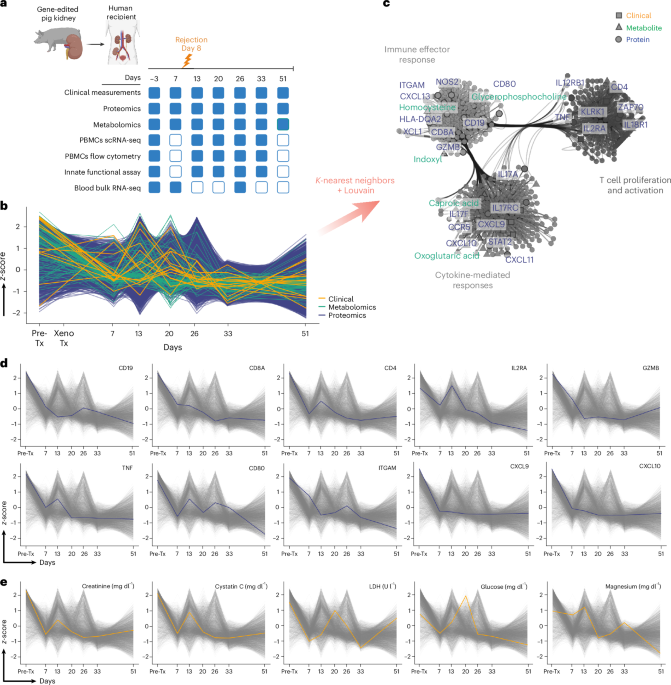
ArXiv - Quantitative BiologyExploratory3 min read

New mathematical model balances pandemic health and economic costs

Key Takeaway:

New model helps policymakers balance health and economic impacts of pandemic strategies, aiding informed decisions during future outbreaks.

During a pandemic, leaders must make incredibly difficult decisions regarding public health measures and economic survival. To assist them, researchers created a joint mathematical model that simulates both epidemiology and economics. The model analyzes different response strategies, such as suppression or elimination, to show how they affect infection rates, hospital capacity, and financial costs. By combining these two fields into one tool, the model provides policymakers with a clear, quantitative framework to make balanced, evidence-based decisions during future outbreaks.

What this means for you

This research is in early stages and not yet available for public use. Continue following your doctor's advice during pandemics. It helps policymakers, but don't change your care based on this study.

Citation:

ArXiv, 2025. arXiv: 2512.08355 Read article →

A lifespan clock tells the biology of time
Nature Medicine - AI SectionPromising3 min read

AI lifespan clock maps the true trajectory of human aging

Key Takeaway:

Researchers have developed a 'lifespan clock' using clinical data that may improve early disease detection and personalized health strategies, potentially transforming preventive care.

Researchers have built a comprehensive lifespan clock by analyzing millions of routine medical records with artificial intelligence. Instead of looking at the calendar, this system tracks how human bodies actually age and develop over time as a continuous physiological journey. By establishing what normal biological aging looks like, the tool can easily spot when a person's body is aging too fast or deviating from the healthy path. This allows doctors to identify early warning signs of disease long before traditional symptoms show up, shifting medicine from reactive treatment to proactive prevention.

What this means for you

This exciting research is still in early stages. It may take years before it's available. Continue following your doctor's advice and don't change your care based on this study.

Citation:

Nature Medicine - AI Section, 2025. DOI: s41591-025-04095-7 Read article →
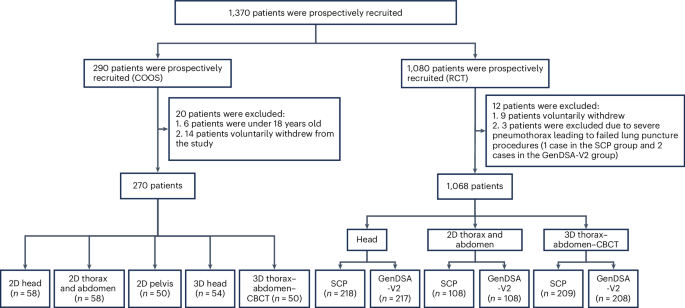
Reliable forecasts of heat-health emergencies at least one week in advance
Nature Medicine - AI SectionPromising3 min read

New warning system forecasts deadly heatwaves one week early

Key Takeaway:

New system reliably predicts dangerous heat events one week in advance, helping healthcare providers prepare for and reduce heat-related health risks.

Scientists have created an early warning system that reliably predicts dangerous, heat-related health emergencies at least seven days in advance. The system combines weather forecasts with health data using machine learning to predict exactly how upcoming high temperatures will impact local populations. Instead of just forecasting the temperature, it forecasts the actual health burden on the community. This advanced notice allows hospitals, emergency services, and local governments to prepare resources, coordinate outreach, and ultimately save lives during extreme climate events.

What this means for you

"Exciting research on predicting heat-health emergencies a week ahead, but it's not yet available for public use. Continue following current safety guidelines and consult your doctor for advice on managing heat risks."

Citation:

Nature Medicine - AI Section, 2025. DOI: s41591-025-04123-6 Read article →
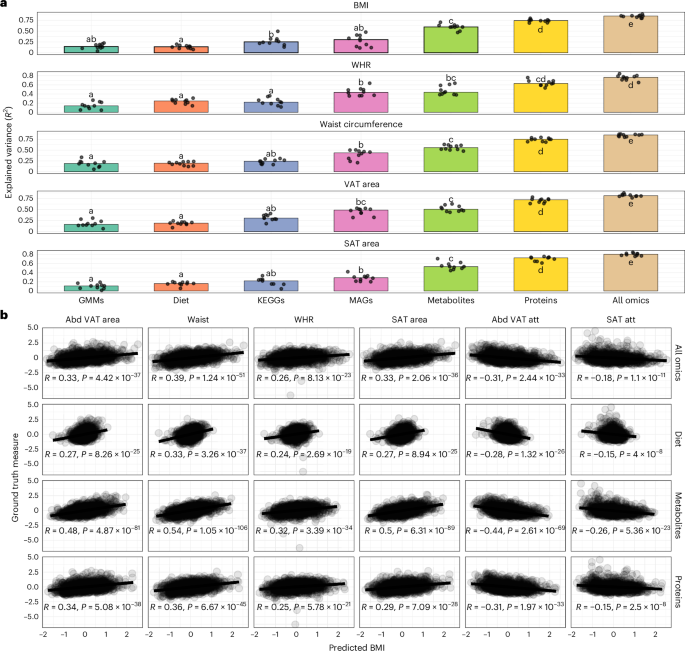
ArXiv - Quantitative BiologyExploratory3 min read

AI predicts leukemia drug sensitivity using genetic profiles

Key Takeaway:

A new model predicts how well drugs will work in Acute Myeloid Leukemia patients based on their genetic profiles, offering hope for personalized treatments.

Scientists have developed a machine learning model that predicts how leukemia patients will respond to different chemotherapy drugs based on their unique genetic profiles. Acute Myeloid Leukemia is an aggressive blood cancer with low survival rates, meaning patients cannot afford to waste time on ineffective treatments. By training an algorithm on genomic datasets, the researchers created a system that analyzes a patient's tumor genetics and forecasts which drugs will work best. This approach helps doctors bypass trial-and-error prescribing, bringing highly personalized cancer therapy closer to reality.

What this means for you

This promising research is still in early stages and not yet available for treatment. Continue following your doctor's current recommendations and discuss any questions about your care with them.

Citation:

ArXiv, 2025. arXiv: 2512.06709 Read article →

ArXiv - AI in Healthcare (cs.AI + q-bio)Exploratory3 min read

AI reasoning system automates clinical trial matching

Key Takeaway:

New AI system aims to simplify and speed up matching patients with clinical trials, potentially improving access to new treatments in the near future.

Researchers have developed a secure artificial intelligence system designed to automatically match patients with appropriate clinical trials. Traditionally, matching patients to trials is a slow, manual process that requires staff to search through complex medical records, often delaying access to experimental therapies. The new proof-of-concept system securely integrates health records and uses advanced reasoning tools to identify eligible patients instantly. This allows medical experts to quickly review and approve matches, streamlining clinical research and helping patients get faster access to cutting-edge treatments.

What this means for you

This AI system aims to match patients with clinical trials more efficiently. It's still in early research stages, so don't change your care yet. Always consult your doctor for personalized advice.

Citation:

ArXiv, 2025. arXiv: 2512.08026 Read article →

Reliable forecasts of heat-health emergencies at least one week in advance
Nature Medicine - AI SectionPromising3 min read

AI system forecasts extreme heat-health emergencies one week early

Key Takeaway:

New forecasting system predicts heat-health emergencies over a week in advance, aiding public health and emergency responses amid increasing global temperatures.

University of Cambridge researchers have developed an AI-driven early warning system that predicts heat-health crises at least seven days in advance. By combining machine learning with meteorological data, the model analyzes historical climate and mortality records, specifically focusing on Europe's intense summer heatwaves from 2022 to 2024. The system successfully forecasts heat-related health risks, allowing emergency managers and healthcare systems to prepare and deploy resources before extreme weather hits.

What this means for you

This early research may help predict heat-health emergencies a week ahead, but it's not yet available. Continue following your doctor's advice and stay informed about heat safety measures.

Citation:

Nature Medicine - AI Section, 2025. DOI: s41591-025-04123-6 Read article →

ArXiv - AI in Healthcare (cs.AI + q-bio)Exploratory3 min read

New AI framework brings autonomous reasoning to clinical workflows

Key Takeaway:

Researchers have developed MCP-AI, a new framework that improves AI's ability to reason and make decisions in healthcare settings, enhancing patient care.

Researchers have created MCP-AI, a novel framework that integrates the Model Context Protocol with clinical applications to enable autonomous reasoning in healthcare. The architecture is designed to handle extended reasoning tasks and secure collaborations while strictly adhering to established medical protocols. Tested in a clinical environment, MCP-AI proved it can manage complex data interactions over long periods while keeping all outcomes verifiable, bridging the gap between raw AI power and safe clinical practice.

What this means for you

This research is in early stages and not yet available for patient care. It might take years to implement. Continue following your doctor's advice and don't change your care based on this study.

Citation:

ArXiv, 2025. arXiv: 2512.05365 Read article →

ArXiv - Quantitative BiologyExploratory3 min read

Machine learning model predicts personalized leukemia drug sensitivity

Key Takeaway:

A new model predicts how well drugs will work for Acute Myeloid Leukemia patients based on their genetic makeup, advancing personalized treatment options.

Researchers have developed a predictive model using Support Vector Regression to assess how acute myeloid leukemia patients will respond to various therapies. By analyzing the unique genetic markers of individual patients, the machine learning model maps genetic profiles to drug sensitivity. The team trained and validated the model using genomic data and real-world clinical outcomes, marking a significant step forward in personalized cancer treatment.

What this means for you

"Exciting research for AML treatment, but it's still early. This approach isn't available yet. Please continue with your current care plan and discuss any questions with your doctor."

Citation:

ArXiv, 2025. arXiv: 2512.06709 Read article →
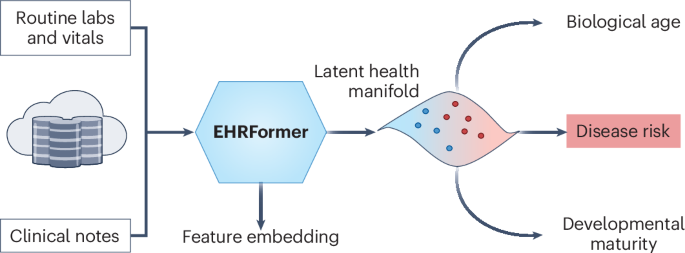
Reliable forecasts of heat-health emergencies at least one week in advance
Nature Medicine - AI SectionPromising3 min read

AI forecasts deadly heatwaves a full week in advance

Key Takeaway:

A new model predicts heat-health emergencies a week in advance, helping clinicians prepare for rising heatwave-related health risks.

Researchers have built a new forecasting system that predicts heat-health emergencies at least one week before they happen. Current weather forecasts tell you the temperature, but this system uses machine learning to combine weather data with health statistics to predict actual medical emergencies. By looking at how past heatwaves affected people, especially vulnerable groups like the elderly, the model helps cities and hospitals prepare. This extra week of warning allows local authorities to set up cooling centers, check on high-risk residents, and staff up emergency departments before the heatwave hits.

What this means for you

"Exciting research predicts heat-health emergencies a week ahead, but it's not yet available for public use. Continue following current heat safety guidelines and consult your doctor for personal health advice."

Citation:

Nature Medicine - AI Section, 2025. DOI: s41591-025-04123-6 Read article →

ArXiv - Quantitative BiologyExploratory3 min read

Alzheimer's research shifts focus beyond amyloid plaques

Key Takeaway:

New research offers a model for tackling Alzheimer's disease with combined treatments, moving beyond the traditional focus on amyloid plaques.

Scientists have created a new computer model that looks at Alzheimer's disease as a complex network rather than a single chain reaction. For years, research focused heavily on clearing a specific brain protein called amyloid. This new model maps how multiple biological pathways, including plaques and tangles, interact with each other. By analyzing large datasets of genetic and protein information, the model helps researchers design combination therapies. Instead of using just one drug, doctors might eventually use a cocktail of treatments to target different parts of the disease network at once.

What this means for you

"Early research on new Alzheimer's strategies. It's not available yet and may take years. Continue with your current treatment plan and discuss any concerns with your doctor."

Citation:

ArXiv, 2025. arXiv: 2512.04937 Read article →

ArXiv - AI in Healthcare (cs.AI + q-bio)Exploratory3 min read

New AI framework improves long-term clinical reasoning

Key Takeaway:

Researchers have developed MCP-AI, a new AI framework that improves decision-making in healthcare by integrating context and long-term management, potentially enhancing patient care.

Researchers have introduced a new AI architecture called MCP-AI to help artificial intelligence systems think more like human doctors. One major problem with medical AI is its inability to keep track of a patient's long-term health journey and explain its reasoning. This new framework connects advanced AI models with clinical workflows, allowing the AI to safely collect data, remember context over long periods, and show its work. By providing logical, human-verifiable steps, the system aims to help doctors make safer, faster decisions and reduce medical errors.

What this means for you

"Early research on AI in healthcare. It may take years before it's available. Please continue with your current care plan and consult your doctor for personalized advice."

Citation:

ArXiv, 2025. arXiv: 2512.05365 Read article →

Reliable forecasts of heat-health emergencies at least one week in advance
Nature Medicine - AI SectionPromising3 min read

AI forecasts deadly heatwaves a full week in advance

Key Takeaway:

New early warning system predicts dangerous heatwaves at least a week in advance, helping healthcare providers prepare and protect vulnerable patients.

As climate change intensifies, extreme heatwaves are becoming deadlier, causing tens of thousands of deaths across Europe alone. To combat this, an international research team developed an early warning system that predicts heat-health emergencies at least seven days ahead. By training machine learning algorithms on weather patterns and health data from recent summers, the system forecasts the actual health risks of rising temperatures. This advance warning gives healthcare providers and local governments crucial time to prepare resources, alert vulnerable citizens, and save lives.

What this means for you

"Exciting research on predicting heat-health risks a week ahead. Not available yet, so continue following your doctor's advice. Stay informed and take precautions during heatwaves to protect your health."

Citation:

Nature Medicine - AI Section, 2025. DOI: s41591-025-04123-6 Read article →

ArXiv - AI in Healthcare (cs.AI + q-bio)Exploratory3 min read

New AI reads clinical notes to predict stroke outcomes

Key Takeaway:

Researchers have created a new AI tool that uses clinical notes to predict 90-day recovery outcomes for stroke patients, helping guide treatment and patient discussions.

Predicting how well a patient will recover 90 days after a stroke is vital for planning treatment and managing hospital resources. However, much of the crucial patient data is locked away in unstructured, messy clinical notes. Researchers created the Chain-of-Thought Outcome Prediction Engine, or COPE, to solve this. This AI framework uses a reasoning process to read and analyze unstructured medical narratives. By systematically working through the notes like a human doctor would, the tool provides highly accurate predictions of patient recovery to guide clinical decisions.

What this means for you

Promising research predicts stroke recovery using clinical notes, but it's not yet available in clinics. Continue following your doctor's current recommendations and discuss any concerns with them for personalized advice.

Citation:

ArXiv, 2025. arXiv: 2512.02499 Read article →

Top Smart Algorithms In Healthcare
The Medical FuturistExploratory3 min read

Top smart algorithms transforming modern clinical care

Key Takeaway:

AI algorithms are being integrated into healthcare to enhance diagnostic accuracy and patient care, promising improved outcomes in the near future.

Artificial intelligence is rapidly entering clinics, but knowing which tools work best is a challenge. A comprehensive review analyzed the top smart algorithms currently integrated into healthcare systems. By looking at peer-reviewed studies and real-world clinical cases, researchers identified the algorithms that show the most success in diagnosing diseases, planning treatments, and predicting patient outcomes. Deep learning models stood out for their ability to analyze complex data, promising a near future of highly personalized medicine and much higher diagnostic accuracy.

What this means for you

Exciting AI research could improve healthcare, but it's still early. It may take years before it's available. Keep following your doctor's advice and don't change your care based on this study yet.

Citation:

The Medical Futurist, 2025. Read article →

An AI model trained on prison phone calls now looks for planned crimes in those calls
MIT Technology Review - AIExploratory3 min read

AI scans prison calls to predict future crimes

Key Takeaway:

An AI model now analyzes prison calls to help predict and prevent crimes, offering insights into inmates' mental health and behavior patterns.

Researchers have developed an artificial intelligence model trained on years of recorded prison phone and video calls. The AI analyzes these communications to identify language and behavioral patterns that might point to planned criminal activity. Currently being run as a pilot program, the system aims to help staff predict and prevent crimes in real time. Beyond security, developers suggest the technology can provide insights into the mental health and behavioral patterns of incarcerated individuals, which could eventually be used to design better rehabilitation programs.

What this means for you

This AI research is in early stages and not yet used in healthcare. It may take years to apply. Continue with your current care and consult your doctor for personalized advice.

Citation:

MIT Technology Review - AI, 2025. Read article →

An AI model trained on prison phone calls now looks for planned crimes in those calls
MIT Technology Review - AIExploratory3 min read

AI trained on prison calls predicts planned crimes

Key Takeaway:

An AI model analyzing prison phone calls is currently being used to predict and prevent planned crimes, highlighting important ethical and public safety considerations.

Researchers at Securus Technologies have trained an artificial intelligence model on a massive database of phone calls, video chats, text messages, and emails from incarcerated individuals. The goal of the project is to analyze these communications to predict and prevent future criminal activities before they happen. During pilot testing, the AI was used to flag potential criminal intent and planning. While the technology is aimed at improving public safety, its deployment raises significant ethical questions regarding surveillance, prisoner rights, and how such monitoring impacts rehabilitation efforts and mental health within the prison system.

What this means for you

This research is in early stages and not yet available for public use. It's important to continue following current safety practices and recommendations. Always consult with professionals for personal guidance.

Citation:

MIT Technology Review - AI, 2025. Read article →

Top Smart Algorithms In Healthcare
The Medical FuturistExploratory3 min read

Smart algorithms are rapidly reshaping modern medicine

Key Takeaway:

AI algorithms are transforming healthcare by improving diagnostics and patient care, with significant advancements expected in disease prediction over the next few years.

A comprehensive review by The Medical Futurist highlights how smart algorithms are currently transforming the healthcare sector. The study analyzed the real-world performance and clinical outcomes of various AI tools used in hospitals today. Researchers found that these algorithms are significantly improving diagnostic accuracy, helping doctors customize treatment plans for individual patients, and even forecasting disease outbreaks. As these technologies continue to mature, they are expected to make healthcare delivery much more efficient and drastically improve patient care over the next few years.

What this means for you

"Exciting AI research in healthcare, but it's still early. It may take years before it's available. Keep following your doctor's advice and don't change your care based on this study alone."

Citation:

The Medical Futurist, 2025. Read article →

Nature Medicine - AI SectionExploratory3 min read

Targeted interventions identified to shield vulnerable groups from climate risks

Key Takeaway:

Researchers identify critical interventions to protect women, children, and adolescents from climate-related health risks, emphasizing the urgent need for climate resilience in healthcare strategies.

A study by researchers in the Nature Medicine AI Section analyzed global health databases and literature to find solutions for protecting women, children, and adolescents from climate-related health hazards. Using advanced statistical models, the team evaluated how different healthcare interventions could mitigate environmental risks. The findings highlight key, evidence-based strategies that healthcare systems can implement to build resilience, ensuring that the most vulnerable populations receive adequate protection as global temperatures and environmental instability rise.

What this means for you

This research highlights climate solutions for women's, children's, and adolescents' health. It's early-stage, so don't change your care yet. Discuss any concerns with your doctor and follow current health advice.

Citation:

Nature Medicine - AI Section, 2025. Read article →

ArXiv - Quantitative BiologyExploratory3 min read

Smart AI model improves diagnosis of challenging skin tumors

Key Takeaway:

A new AI model improves spitzoid tumor diagnosis using partial DNA data, potentially reducing misdiagnosis and optimizing treatment plans for patients.

Distinguishing benign spitzoid tumors from malignant melanomas is notoriously difficult because they look highly similar under a microscope. To solve this, researchers developed a specialized artificial intelligence model that analyzes DNA methylation, a type of chemical signature on DNA. Because real-world genetic samples often have missing or incomplete data, the team built a masked autoencoder model that can make highly accurate classifications even with partial information. This robust AI approach helps pathologists reliably identify these tumors, ensuring patients receive the correct level of care.

What this means for you

This research is promising but not yet available for clinical use. It's important to continue following your doctor's current recommendations and discuss any concerns about spitzoid tumors with them.

Citation:

ArXiv, 2025. arXiv: 2511.19535 Read article →

Top Smart Algorithms In Healthcare
The Medical FuturistExploratory3 min read

Smart algorithms are quietly transforming modern clinical workflows

Key Takeaway:

Smart algorithms are currently enhancing healthcare by improving diagnostic accuracy, patient care, and disease prediction through the integration of artificial intelligence.

A comprehensive review by The Medical Futurist examined the top smart algorithms currently making waves in the healthcare industry. The study evaluated how these artificial intelligence tools perform across various medical specialties, focusing on their ability to predict disease, assist in patient care, and improve diagnostic accuracy. By integrating these smart algorithms into daily routines, hospital systems can achieve greater operational efficiency while giving doctors data-driven insights to make safer, faster treatment decisions for their patients.

What this means for you

Exciting research on AI in healthcare, but it's still early. It may take years before it's available. Continue with your current care plan and discuss any questions with your doctor.

Citation:

The Medical Futurist, 2025. Read article →

ArXiv - AI in Healthcare (cs.AI + q-bio)Exploratory3 min read

AI models brain connections to predict Alzheimer's progression

Key Takeaway:

New AI method helps predict Alzheimer's disease progression by analyzing brain changes, offering insights for better treatment planning in the coming years.

Researchers have created a novel artificial intelligence method that combines large language models with graph-based analysis to predict the long-term progression of neurodegenerative diseases like Alzheimer's. Understanding how toxic proteins accumulate and spread across different regions of the brain is incredibly difficult. This new model analyzes brain connectivity data and simulates the physical pathways of disease progression over time. By incorporating language model technology to enhance its reasoning, the system significantly improves the accuracy of tracking biomarker changes. This breakthrough offers doctors and researchers a clearer roadmap for planning patient care and developing targeted treatments.

What this means for you

This early research could help understand Alzheimer's better, but it's not yet available for patient care. Continue following your doctor's advice and stay informed about future developments.

Citation:

ArXiv, 2025. arXiv: 2511.10890 Read article →

ArXiv - Quantitative BiologyExploratory3 min read

Wearable sensors and AI predict cognitive decline in seniors

Key Takeaway:

Wearable sensors combined with AI can effectively predict cognitive scores in older adults with mild cognitive impairment, offering a promising alternative to traditional screening methods.

A new study demonstrates that wearable sensors paired with artificial intelligence can continuously monitor and predict cognitive assessment scores in older adults with mild cognitive impairment or early dementia. By tracking everyday physiological data, such as heart rate, the AI system provides a continuous, non-invasive look at a patient's brain health. This technology could allow families and doctors to catch cognitive changes early without requiring disruptive doctor visits.

What this means for you

This research is promising but not yet available for use. It may take years to become a standard tool. Continue following your doctor's advice and current care plan for cognitive health.

Citation:

ArXiv, 2025. arXiv: 2511.04983 Read article →

ArXiv - Quantitative BiologyExploratory3 min read

AI agent slashes cancer therapy design from twelve years to months

Key Takeaway:

New AI system speeds up CAR-T cancer therapy development by identifying targets and predicting side effects, potentially reducing timelines from 8-12 years.

Developing CAR-T cell therapies for cancer is a notoriously slow and expensive process, typically taking between 8 and 12 years. To solve this bottleneck, researchers created the Bio AI Agent, a system powered by large language models. This AI autonomously identifies viable therapy targets, predicts potential toxicities, and designs optimized molecular structures. By handling these complex steps in a unified digital workflow, the system aims to dramatically accelerate the development of personalized cancer treatments, potentially bringing therapies to patients in a fraction of the traditional time.

What this means for you

This research is promising but still in early stages. It may take years before it's available. Continue following your current treatment plan and consult your doctor for personalized advice.

Citation:

ArXiv, 2025. arXiv: 2511.08649 Read article →

Monash project to build Australia's first AI foundation model for healthcare
Healthcare IT NewsExploratory3 min read

Australia builds its first national medical AI foundation model

Key Takeaway:

Monash University is developing Australia's first AI model to analyze large-scale patient data, potentially improving healthcare decision-making within the next few years.

Monash University researchers are developing Australia's first healthcare-specific AI foundation model. Backed by a prestigious medical fellowship, this initiative aims to build an AI capable of analyzing vast amounts of complex, multimodal patient data. Instead of looking at medical images, genetic codes, or clinical charts in isolation, this new model will synthesize all of these data sources at scale. This comprehensive approach is designed to help doctors make more accurate diagnoses and customize treatment plans for individual patient needs.

What this means for you

This AI healthcare model is in early research stages. It may take years to be available. Please continue with your current care and consult your doctor for any health decisions.

Citation:

Healthcare IT News, 2025. Read article →