Mednosis LogoMednosis
Jun 10, 2026

Clinical Innovation: Week of June 10, 2026

10 research items

Clinical Innovation: Week of June 10, 2026
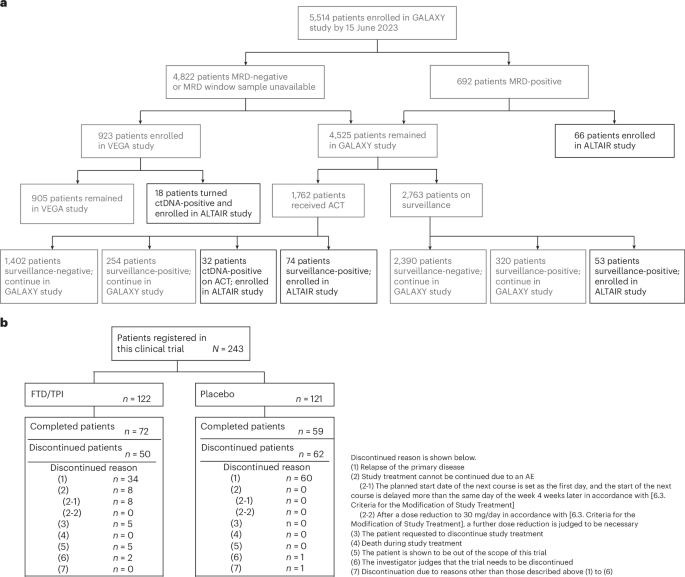
Post-adjuvant chemotherapy in ctDNA-positive patients with resected colorectal cancer: a randomized phase 3 trial
Nature Medicine - AI SectionPromising2 min read

New Drug Fails to Delay Colorectal Cancer Return

Key Takeaway:

Using a drug called trifluridine/tipiracil hydrochloride for colorectal cancer patients who test positive for tumor DNA after surgery does not successfully delay the return of the disease.

After colorectal cancer surgery, doctors often monitor patients by looking for tiny fragments of tumor DNA circulating in the blood. In this study, researchers wanted to see if giving a chemotherapy drug called trifluridine/tipiracil hydrochloride to patients who had these DNA fragments in their blood would help keep them cancer-free longer. They compared this drug to an inactive dummy pill, known as a placebo. Unfortunately, the study found that the drug did not successfully delay the return of the cancer compared to the placebo. This means that while we can detect cancer early through blood tests, we still need to find better treatments to actually stop it from coming back.

What this means for you

This study shows that a specific drug did not help delay cancer recurrence for patients with tumor DNA in their blood. Do not change your current treatment plan without discussing these findings with your doctor.

Citation:

Nature Medicine - AI Section, 2026. DOI: s41591-026-04428-0 Read article →
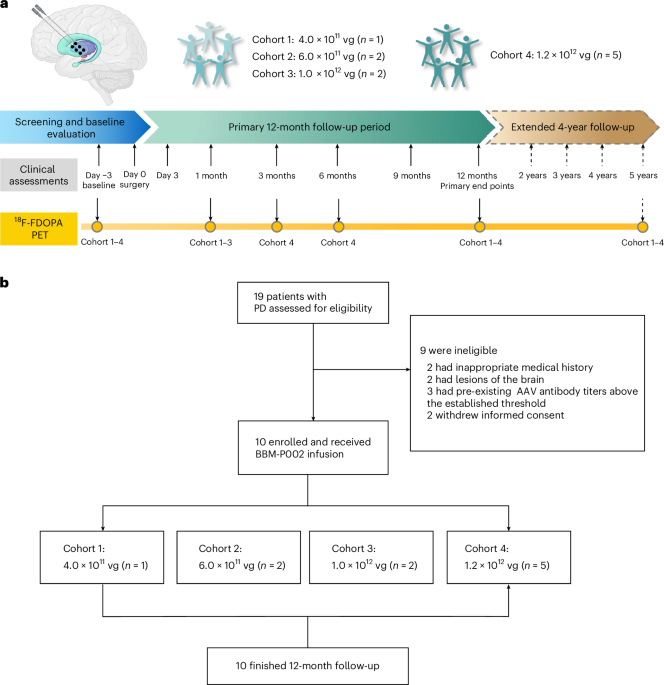
Dual-target gene therapy in Parkinson’s disease: a multicenter phase 1 trial
Nature Medicine - AI SectionExploratory2 min read

New Gene Therapy Shows Early Promise for Parkinson's Disease

Key Takeaway:

An early-stage clinical trial shows that a new dual-target gene therapy is safe and improves motor symptoms in Parkinson's disease patients over twelve months.

Researchers have tested a new gene therapy called BBM-P002 for Parkinson's disease. Parkinson's damages brain cells that make dopamine, a chemical crucial for movement. This therapy delivers two specific genes directly to the brain to help it produce dopamine again. In an early-stage clinical trial, the treatment was safe, well tolerated, and helped patients move better after one year. While these results are very exciting, the treatment is still in the early testing phases. It will require larger, longer studies before it becomes widely available to the public, meaning patients should continue with their current prescribed therapies for now.

What this means for you

An early study shows a new gene therapy for Parkinson's disease is safe and improved movement after one year. This treatment is still experimental and years away from general availability; do not alter your current treatment plan.

Citation:

Nature Medicine - AI Section, 2026. DOI: s41591-026-04436-0 Read article →

Safety Alert
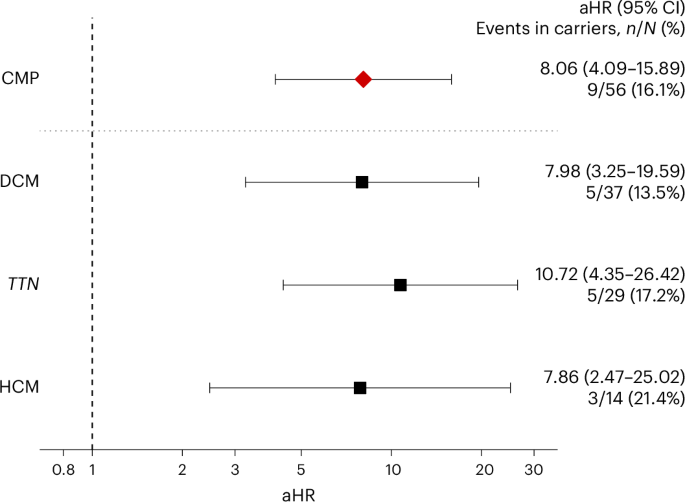
Effects of SGLT2 inhibition on incident heart failure in carriers of cardiomyopathy-associated genetic variants
Nature Medicine - AI SectionPromising2 min read

Common Diabetes Drug Offers Extra Heart Protection for High-Risk Genes

Key Takeaway:

Genetic screening may help doctors identify patients with type 2 diabetes who will benefit most from the heart-protective drug dapagliflozin to prevent future heart failure.

Researchers studied how a common diabetes medication called dapagliflozin helps prevent heart failure. By looking at patients' DNA, they discovered that the drug was significantly more effective at preventing heart failure hospitalizations in people who carried specific genetic mutations linked to heart muscle disease (cardiomyopathy). For patients without these genetic markers, the drug was still helpful, but the benefit was much smaller. This discovery is important because it suggests that a simple genetic test could help doctors prescribe the right preventative heart medications to the specific patients who need them most, ushering in a new era of personalized medicine.

What this means for you

If you have type 2 diabetes, a common medication called dapagliflozin may offer extra heart protection if you carry certain heart-disease genes. Do not alter your medication without consulting your doctor.

Citation:

Nature Medicine - AI Section, 2026. Read article →

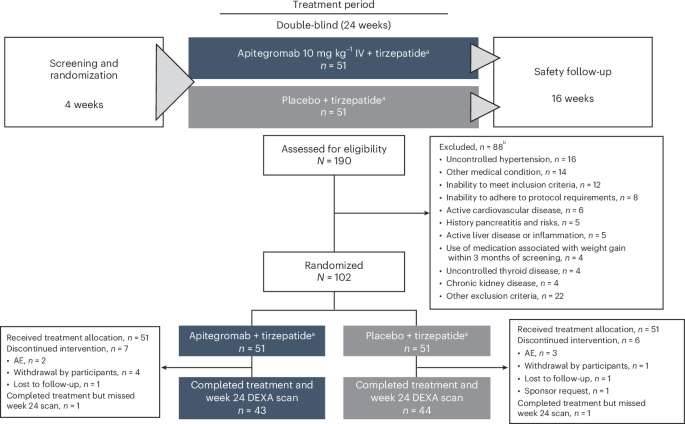
Apitegromab for lean mass preservation during tirzepatide-induced weight loss: a randomized, double-blind, placebo-controlled phase 2 trial
Nature Medicine - AI SectionPromising2 min read

New Drug Helps Protect Muscle Mass During Weight Loss

Key Takeaway:

Adding the drug apitegromab to tirzepatide weight-loss therapy helps patients preserve crucial muscle mass, which could improve physical strength and metabolic health within the next few years.

When people lose weight rapidly using popular new medications like tirzepatide, they do not just lose fat—they also lose valuable muscle, known as lean mass. This study looked at a new drug called apitegromab to see if it could protect muscle during weight loss. Researchers compared people taking both tirzepatide and apitegromab against those taking tirzepatide with a dummy treatment. They found that the group taking apitegromab lost much less muscle. This is important because keeping your muscle keeps you strong, active, and metabolically healthy as you lose weight.

What this means for you

This early-stage study shows that a new drug, apitegromab, helps protect muscle during weight loss. It is not yet available, and patients should not alter their current treatment plans based on these preliminary findings.

Citation:

Nature Medicine - AI Section, 2026. DOI: s41591-026-04440-4 Read article →

Safety Alert
ArXiv - AI in Healthcare (cs.AI + q-bio)Exploratory3 min read

When Does a Computer Program Legally Count as AI?

Key Takeaway:

This framework helps clarify when data-driven systems, including healthcare algorithms, possess the 'capability to infer' and must comply with strict European AI Act regulations.

The European Union recently passed the AI Act to regulate artificial intelligence, especially in high-risk areas. However, the law does not clearly define what makes a system 'AI' versus a simple calculator. It hinges on whether a system can 'infer' or make independent deductions from data. Researchers created a new framework to measure this capability. By testing it on credit scoring systems, they discovered that we must look at the entire data journey, including human involvement, to decide if a system qualifies as AI. For regular people, this research is a vital first step toward ensuring the algorithms used in healthcare and finance are properly regulated and safe.

What this means for you

Researchers are creating new guidelines to determine which computer programs count as regulated AI. This early-stage work does not currently affect your medical care or treatment options.

Citation:

ArXiv, 2026. arXiv: 2606.11769 Read article →

ArXiv - Quantitative BiologyExploratory2 min read

Virtual 'Digital Twins' Could Soon Map Your Entire Biology

Key Takeaway:

This new computer modeling framework connects different biological levels, from molecules to organs, to help doctors simulate personalized treatments for complex diseases like Alzheimer's.

Scientists have designed a new computer framework called OmniBioTwin to create highly detailed virtual replicas of human biology, known as health digital twins. Currently, virtual models are limited because they only look at one organ or one disease process at a time. This new system connects different levels of the body—from tiny molecules and cells up to whole organs—into one synchronized computer model. To show how it works, the researchers simulated how a specific gut-brain hormone pathway behaves in Alzheimer's disease. While this technology is still in its very early stages and not ready for clinics, it could one day help doctors safely test personalized treatments on a virtual version of you before prescribing them.

What this means for you

Scientists have designed a new blueprint for virtual patient models. This technology is in its earliest stages and is not yet ready for actual patient care.

Citation:

ArXiv, 2026. arXiv: 2606.11264 Read article →

Four Scenarios of AI Scribe Adoption in Healthcare
The Medical FuturistPromising2 min read

How AI Scribes Are Changing Your Next Doctor Visit

Key Takeaway:

AI scribes can automatically translate doctor-patient conversations into electronic medical records, potentially reducing administrative burnout and improving face-to-face care within the next few years.

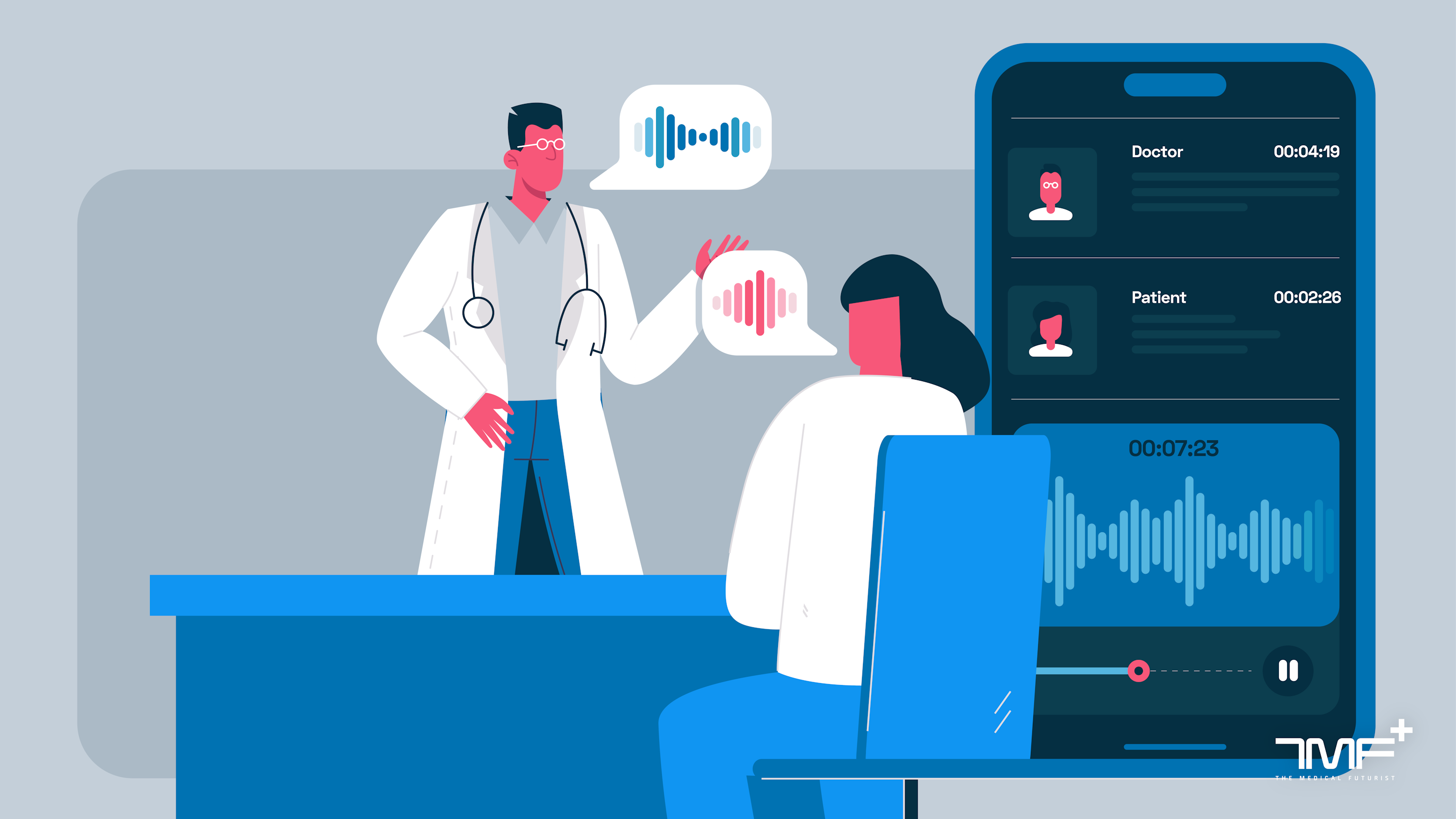
This article looks at how artificial intelligence, or AI, is being used to help doctors write their medical notes. These new tools, called AI scribes, listen to the conversation during your checkup and automatically turn it into a written medical record. This means your doctor can spend more time looking at you and listening to your concerns, rather than typing on a computer during your visit. While this technology is growing quickly and could make doctor visits feel much more personal, experts are still studying the best ways to safely bring these tools into clinics.

What this means for you

New AI tools can now listen to your doctor's visit and write up the medical notes automatically, allowing your doctor to focus on you rather than a computer screen.

Citation:

The Medical Futurist, 2026. Read article →

Google News - AI in HealthcareExploratory3 min read

Doctors Demand Clear Rules and High Quality for Healthcare AI

Key Takeaway:

As AI becomes common in healthcare, the American Medical Association demands strict transparency and quality standards to ensure patient safety and clinical reliability.

Artificial intelligence, or AI, is quickly becoming a regular part of modern healthcare, helping doctors diagnose diseases and plan treatments. Because of this rapid growth, the American Medical Association is speaking out. They state that we must have strict rules for transparency and quality. This means developers must be completely honest about how their AI tools work, and these tools must be proven to be safe and accurate. For regular patients, this matters because it ensures that any computer program used in your medical care has been thoroughly checked and can be trusted to help keep you healthy.

What this means for you

The American Medical Association is pushing for strict quality and transparency rules for healthcare AI, ensuring these new tools are safe and reliable before they are used in your medical care.

Citation:

Google News - AI in Healthcare, 2026. Read article →

Guideline Update
Learning to lead in a hybrid human-AI enterprise
MIT Technology Review - AIExploratory2 min read

AI Coworkers Are Coming: Agent Adoption to Surge 300%

Key Takeaway:

As autonomous AI agents capable of independent task coordination surge by 300% over the next two years, organizations must prepare to lead hybrid human-AI workforces.

Technology is moving from simple computer programs that need constant human clicking to smart 'AI agents' that can do complex tasks on their own. Experts predict that the use of these independent AI agents will jump by 300% in the next two years. Unlike older software, these new AI tools can talk to different systems and coordinate complicated jobs without constant human supervision. For the average person, this means the businesses and healthcare offices you visit will soon rely heavily on a mix of human staff and independent digital assistants to manage your care and paperwork.

What this means for you

AI assistants in healthcare and workplaces are expected to grow by 300% in two years. These tools are still early in development, so always rely on your human doctor for medical decisions.

Citation:

MIT Technology Review - AI, 2026. Read article →

Drug Watch
Defining Autonomy for Wellness Robots in Senior Care
IEEE Spectrum - BiomedicalExploratory2 min read

How Smart Robots Could Soon Help Care for Seniors

Key Takeaway:

A new six-level autonomy scale helps safely guide the development of senior wellness robots to address care shortages by the early 2030s.

As the aging population grows, senior living facilities face severe staff shortages and struggle to provide daily activities. Researchers have developed a new framework to define a special class of 'wellness robots' designed to support senior health across seven areas, including social and physical well-being. To ensure these robots can operate safely, the researchers created a six-level rating scale to measure their independence, similar to how self-driving cars are graded. This framework maps out a path to bring fully independent helper robots into senior care facilities by the early 2030s, helping residents stay active and engaged when human staff are stretched thin.

What this means for you

Researchers are designing a safety scale for senior care robots to help with daily wellness. These helper robots are still in development and are expected around the early 2030s.

Citation:

IEEE Spectrum - Biomedical, 2026. Read article →

New to reading medical AI research? Learn how to interpret these studies →