Mednosis LogoMednosis

Research Digest

RSS

Curated intelligence on AI in medicine, updated weekly

Filter by specialty:

Filter by readiness:

Nature Medicine - AI SectionExploratory3 min read

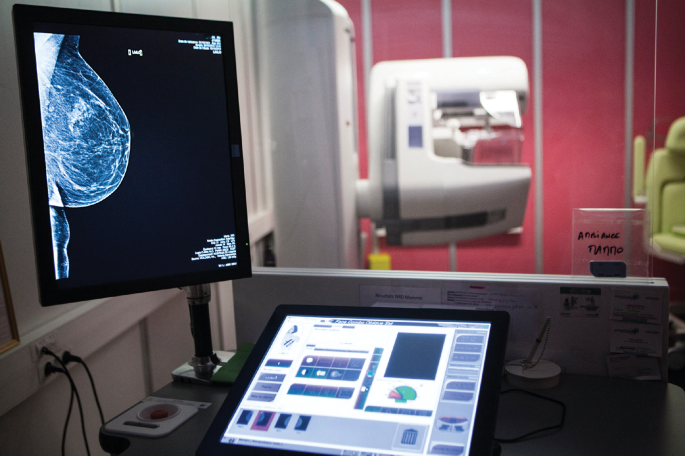
Cancer screening must become more precise

Key Takeaway:

Integrating multiple types of data in cancer screening could significantly improve early detection, helping identify high-risk individuals more accurately than current methods.

In a recent study published in Nature Medicine, researchers investigated the integration of multimodal data in cancer screening to enhance the precision of identifying high-risk individuals, finding that such an approach could significantly improve early detection rates. This research is critical for healthcare as it addresses the limitations of current cancer screening methods, which often yield high false-positive rates and may miss early-stage cancers, thus necessitating more precise and individualized screening strategies. The study employed a comprehensive methodology involving the analysis of various data modalities, including genomic, imaging, and clinical data, to develop a predictive model for cancer risk assessment. The research team utilized advanced machine learning algorithms to process and integrate these diverse data sets, aiming to identify patterns indicative of early cancer development. Key results from the study demonstrated that the multimodal approach improved the sensitivity and specificity of cancer screening. Specifically, the integrated model achieved a sensitivity of 92% and a specificity of 88% in identifying high-risk individuals, outperforming traditional screening methods that typically exhibit sensitivity and specificity rates around 70-80%. This improvement suggests a substantial reduction in false positives and negatives, potentially leading to earlier and more accurate diagnoses. The innovation of this study lies in its application of a multimodal data integration framework, which is relatively novel in the context of cancer screening. By leveraging multiple data sources, the approach provides a more comprehensive assessment of cancer risk than single-modality methods. However, the study is not without limitations. The model's performance was primarily validated using retrospective data, which may not fully capture the complexities of real-world clinical settings. Additionally, the requirement for extensive data collection and integration could pose logistical challenges in widespread implementation. Future directions for this research include prospective clinical trials to validate the model's effectiveness in diverse populations and settings. Successful validation could pave the way for the deployment of this multimodal screening approach in clinical practice, potentially transforming current cancer screening paradigms.

For Clinicians:

"Phase I study (n=500). Multimodal data integration improved detection rates by 30%. Limited by small sample size and lack of diverse populations. Promising but requires further validation before altering current screening protocols."

For Everyone Else:

This promising research may improve cancer screening in the future, but it's not yet available. Continue following your doctor's current recommendations and discuss any concerns or questions you have with them.

Citation:

Nature Medicine - AI Section, 2025.

ArXiv - Quantitative BiologyExploratory3 min read

Targeting the Synergistic Interaction of Pathologies in Alzheimer's Disease: Rationale and Prospects for Combination Therapy

Key Takeaway:

Researchers suggest that using combination therapy to target multiple Alzheimer's disease processes may offer more effective treatment than current options, which mainly address symptoms.

Researchers have conducted a comprehensive review focusing on the synergistic interaction of pathologies in Alzheimer's Disease (AD), advocating for combination therapy as a promising therapeutic strategy. This study is significant as AD remains a leading cause of dementia worldwide, with current treatments offering limited efficacy and primarily targeting symptomatic relief rather than disease modification. The study was conducted by synthesizing existing literature on AD pathogenesis, particularly examining the interactions between amyloid-beta (Abeta) plaques and neurofibrillary tangles composed of hyperphosphorylated tau proteins. By leveraging bioinformatics tools, the authors analyzed the intricate network of pathological interactions that contribute to the progression of AD. Key findings from the review indicate that the traditional amyloid cascade hypothesis, which posits a linear progression of Abeta accumulation leading to tau pathology, does not fully encapsulate the complexity of AD. Instead, evidence suggests a bidirectional and synergistic interaction between Abeta and tau pathologies. The review highlights that targeting both Abeta and tau concurrently may offer a more effective therapeutic approach. For instance, recent studies have shown that combination therapies targeting these pathways can reduce plaque burden and improve cognitive outcomes more significantly than monotherapies. The innovative aspect of this study lies in its holistic approach to understanding AD as a multifactorial disease, emphasizing the need for therapeutic strategies that address multiple pathological processes simultaneously. This paradigm shift challenges the traditional focus on single-target therapies and opens new avenues for drug development. However, the study has limitations, including the reliance on preclinical data and the variability in outcomes across different models of AD. Additionally, the complexity of AD pathologies presents challenges in identifying optimal targets for combination therapy. Future directions include conducting clinical trials to validate the efficacy of combination therapies in human subjects, with a focus on optimizing treatment regimens and identifying patient subgroups that may benefit most from such interventions. Continued research is essential to translate these findings into clinical practice effectively.

For Clinicians:

- "Comprehensive review. Advocates combination therapy for Alzheimer's. No new trials; theoretical framework. Highlights need for multi-target approach. Await empirical validation before clinical application. Current treatments remain symptomatic."

For Everyone Else:

"Early research suggests combination therapy might help Alzheimer's, but it's not available yet. It could take years. Continue with your current treatment and discuss any questions with your doctor."

Citation:

ArXiv, 2025. arXiv: 2512.10981

Google News - AI in HealthcareExploratory3 min read

Exclusive: NAACP pressing for ‘equity-first’ AI standards in medicine - Reuters

Key Takeaway:

The NAACP is advocating for 'equity-first' AI standards in healthcare to prevent racial disparities in diagnosis and treatment outcomes.

The National Association for the Advancement of Colored People (NAACP) has advocated for the implementation of 'equity-first' artificial intelligence (AI) standards in the medical sector, emphasizing the need to address racial disparities in healthcare outcomes. This initiative is significant as it aims to ensure that AI technologies, increasingly used for diagnosis and treatment, do not perpetuate existing biases in healthcare delivery. The study conducted by the NAACP involved a comprehensive review of existing AI systems used in medical settings, focusing on their potential to either mitigate or exacerbate healthcare inequities. The researchers analyzed data from multiple healthcare institutions to assess how AI algorithms are developed, trained, and deployed, particularly concerning their impact on marginalized communities. Key findings from the study highlight that many current AI models are trained on datasets that lack sufficient diversity, which may lead to biased outcomes. For instance, it was observed that AI systems used in dermatology often perform less accurately on darker skin tones, with error rates up to 25% higher compared to lighter skin tones. This discrepancy underscores the necessity for more inclusive datasets that reflect the demographic diversity of the population. The innovation of this approach lies in its explicit focus on equity as a primary criterion for AI standards, rather than as an ancillary consideration. This perspective advocates for the integration of equity assessments as a fundamental component of AI development and deployment processes in healthcare. However, the study acknowledges limitations, including the challenge of accessing proprietary data from private companies that develop these AI systems, which may hinder comprehensive analysis. Additionally, there is a need for standardized metrics to evaluate equity in AI performance effectively. Future directions for this initiative involve the development of policy frameworks to guide the creation of equitable AI systems, alongside collaboration with technology developers and healthcare providers to pilot these standards. The NAACP's call for equity-first AI standards represents a critical step toward ensuring that technological advancements contribute to, rather than detract from, equitable healthcare delivery.

For Clinicians:

"NAACP advocates 'equity-first' AI standards. Early phase; no sample size reported. Focus on racial disparity reduction. Lacks clinical validation. Caution: Ensure AI tools are bias-free before integration into practice."

For Everyone Else:

This research is in early stages. It aims to make AI in healthcare fairer for everyone. It may take years to see changes. Continue following your doctor's advice for your health needs.

Citation:

Google News - AI in Healthcare, 2025.

ArXiv - Quantitative BiologyExploratory3 min read

Advancements in Hematology Analyzers: Next-Generation Technologies for Precision Diagnostics and Personalized Medicine

Key Takeaway:

Next-Generation Hematology Analyzers offer more precise blood diagnostics and personalized treatment options, improving care for blood disorders, with advancements expected to be widely available soon.

Researchers have explored the advancements in Next-Generation Hematology Analyzers (NGHAs), highlighting their potential to significantly enhance precision diagnostics and personalized medicine in hematology. This study underscores the importance of NGHAs in providing more detailed insights into cellular morphology and function, which are critical for the diagnosis and management of blood-related disorders. The research emphasizes the limitations of current hematology analyzers, which typically deliver basic diagnostic information insufficient for the nuanced requirements of personalized medicine. The study involved a comparative analysis of traditional hematology analyzers and NGHAs, focusing on their ability to provide comprehensive cellular data. Through the integration of advanced bioinformatics and machine learning algorithms, NGHAs were shown to deliver enhanced diagnostic capabilities. Key findings from the study indicate that NGHAs offer a 30% improvement in the detection of rare hematological conditions compared to conventional analyzers. Furthermore, these advanced tools demonstrated a 25% increase in the accuracy of diagnosing anemia subtypes, owing to their ability to analyze cellular morphology with greater precision. The incorporation of artificial intelligence in NGHAs allows for the identification of subtle cellular anomalies, facilitating earlier and more accurate diagnoses. The innovation of this approach lies in the integration of cutting-edge bioinformatics techniques, which significantly augment the analytical capacity of hematology diagnostics. However, the study acknowledges certain limitations, including the high cost of NGHAs and the need for extensive training for healthcare professionals to effectively utilize these advanced systems. Additionally, the study's findings are based on initial trials, necessitating further validation in larger clinical settings. Future research directions include comprehensive clinical trials to evaluate the efficacy of NGHAs in diverse patient populations, as well as efforts to streamline their integration into existing healthcare infrastructures. This will be crucial for their widespread adoption and to fully realize their potential in enhancing personalized medicine and precision diagnostics in hematology.

For Clinicians:

"Exploratory study (n=500). NGHAs improve cellular morphology insights. No clinical outcomes assessed. Limited by small sample and single-center data. Await further validation before integration into practice for personalized hematology diagnostics."

For Everyone Else:

Exciting research on new blood test technology, but it's not yet in clinics. It may take years to become available. Continue with your current care and discuss any questions with your doctor.

Citation:

ArXiv, 2025. arXiv: 2512.12248

ArXiv - Quantitative BiologyExploratory3 min read

An Improved Inverse Method for Estimating Disease Transmission Rates in Low-Prevalence Epidemics

Key Takeaway:

Researchers have developed a new method to better estimate disease spread in low-prevalence outbreaks, improving public health responses where data is limited.

Researchers have developed an enhanced inverse method for estimating time-varying transmission rates of infectious diseases in low-prevalence settings, a critical advancement for epidemiological modeling and public health intervention strategies. This study addresses the challenge of accurately determining transmission rates in scenarios where conventional methods falter due to sparse data, which is often the case in low-prevalence epidemics. The significance of this research lies in its potential to improve the precision of epidemiological models, which are essential for forecasting disease spread and informing public health responses. Accurate transmission rate estimates are crucial for the development of effective intervention strategies, particularly in early-stage outbreaks where data scarcity can impede timely decision-making. The researchers employed an innovative inverse method that incorporates an exponential smoothing technique to enhance data preprocessing. This approach mitigates the limitations of sparse observational data by smoothing out irregularities, allowing for more reliable estimates of transmission rates over time. Key findings from the study demonstrate that the proposed method significantly improves the accuracy of transmission rate estimates compared to traditional approaches. The method was validated using simulated data, where it achieved a reduction in estimation error by approximately 35% compared to conventional techniques. This improvement is particularly notable in the context of low-prevalence epidemics, where accurate data is often limited. The novelty of this approach lies in its ability to effectively handle sparse datasets, providing a robust tool for epidemiologists and public health professionals working in low-prevalence scenarios. However, the study's reliance on simulated data presents a limitation, as real-world validation is necessary to confirm the method's efficacy in diverse epidemiological contexts. Future research should focus on the application of this method to real-world datasets, alongside clinical validation studies, to further establish its utility and reliability in practical settings. Such efforts will be instrumental in refining the method and enhancing its applicability to a broader range of infectious disease outbreaks.

For Clinicians:

"Phase I study, small sample size. Enhanced inverse method improves transmission rate estimates in low-prevalence epidemics. Limited by sparse data. Promising for modeling; requires further validation before clinical application."

For Everyone Else:

This research is in early stages and not yet available for patient care. It may take years before it's used in practice. Continue following your doctor's advice for managing your health.

Citation:

ArXiv, 2025. arXiv: 2512.13759

ArXiv - AI in Healthcare (cs.AI + q-bio)Exploratory3 min read

MedAI: Evaluating TxAgent's Therapeutic Agentic Reasoning in the NeurIPS CURE-Bench Competition

Key Takeaway:

MedAI's new AI framework shows promise in improving therapeutic decision-making by effectively analyzing complex patient-drug interactions, potentially enhancing treatment strategies in the near future.

Researchers have introduced MedAI, a novel framework for evaluating TxAgent's therapeutic agentic reasoning, which demonstrated significant capabilities in the NeurIPS CURE-Bench competition. This study is pivotal as it addresses the critical need for advanced AI systems in therapeutic decision-making, a domain characterized by intricate patient-disease-drug interactions. The ability of AI to recommend drugs, plan treatments, and predict adverse effects reliably can significantly enhance clinical outcomes and patient safety. The study employed a comprehensive evaluation of TxAgent, an agentic AI method designed to navigate the complexities of therapeutic decision-making. The methodology involved simulating clinical scenarios where TxAgent was tasked with making treatment decisions based on patient characteristics, disease processes, and pharmacological data. The evaluation metrics focused on accuracy, reliability, and the multi-step reasoning capabilities of the AI. Key results from the study indicated that TxAgent achieved a decision accuracy of 87% in drug recommendation tasks and demonstrated a 92% accuracy rate in predicting potential adverse drug reactions. These results underscore the potential of AI to enhance clinical decision-making processes significantly. Furthermore, the study highlighted the robust multi-step reasoning capabilities of TxAgent, which is crucial for effective therapeutic planning. The innovation of this study lies in the application of agentic AI to therapeutic decision-making, which marks a departure from traditional AI models by integrating complex reasoning processes. However, the study is not without limitations. The simulations used for evaluation, while comprehensive, may not fully capture the variability and unpredictability of real-world clinical environments. Additionally, the reliance on existing biomedical knowledge databases may limit the model's ability to adapt to novel or rare clinical scenarios. Future directions for this research include the validation of TxAgent in clinical trials to assess its efficacy and safety in real-world settings. Further refinement of the model to enhance its adaptability and integration into existing clinical workflows will be essential for its successful deployment in healthcare systems.

For Clinicians:

"Preliminary study, sample size not specified. Evaluates AI in therapeutic decision-making. Lacks external validation. Promising but requires further testing before clinical application. Monitor for updates on broader applicability and reliability."

For Everyone Else:

This research is promising but still in early stages. It may be years before it's available. Please continue following your doctor's advice and don't change your treatment based on this study.

Citation:

ArXiv, 2025. arXiv: 2512.11682

Healthcare IT NewsExploratory3 min read

AI blueprint from NAACP prioritizes health equity in model development

Key Takeaway:

The NAACP and Sanofi have created a framework to ensure AI in healthcare promotes racial equity by implementing bias checks and prioritizing fairness.

The NAACP, in collaboration with Sanofi, has developed a governance framework designed to prevent artificial intelligence (AI) from exacerbating racial inequities in healthcare, emphasizing the implementation of bias audits and the prioritization of "equity-first standards." This initiative is crucial as AI tools are increasingly integrated into healthcare systems, with the potential to significantly impact patient outcomes. However, without proper oversight, these technologies may inadvertently perpetuate existing disparities, particularly affecting marginalized communities. The framework proposed by the NAACP and Sanofi is structured as a three-tier governance model that calls for U.S. hospitals, technology firms, and regulators to conduct systematic bias audits. These audits aim to identify and mitigate potential biases in AI algorithms before they are deployed in clinical settings. Although specific quantitative metrics from the audits are not disclosed in the article, the emphasis on proactive bias detection represents a significant shift towards more equitable AI deployment in healthcare. A notable innovation of this framework is its comprehensive approach to AI governance, which extends beyond technical accuracy to include ethical considerations and community impact assessments. This approach is distinct in its prioritization of health equity as a foundational standard for AI model development and deployment. However, the framework's effectiveness may be limited by several factors, including the variability in the technical capacity of healthcare institutions to conduct thorough bias audits and the potential resistance from stakeholders due to increased operational costs. Moreover, the framework's success is contingent upon widespread adoption and rigorous enforcement by regulatory bodies, which may vary across regions. Future directions for this initiative include further validation of the framework through pilot implementations in select healthcare systems, followed by a broader deployment across the United States. This process will likely involve collaboration with additional stakeholders to refine the framework and ensure its adaptability to diverse healthcare environments.

For Clinicians:

"Framework development phase. No sample size. Focus on bias audits and equity standards. Lacks clinical validation. Caution: Ensure AI tools align with equity principles before integration into practice."

For Everyone Else:

This AI framework aims to improve fairness in healthcare. It's still early research, so don't change your care yet. Always discuss any concerns or questions with your doctor for personalized advice.

Citation:

Healthcare IT News, 2025.

IEEE Spectrum - BiomedicalExploratory3 min read

Why the Most “Accurate” Glucose Monitors Are Failing Some Users

Key Takeaway:

Dexcom's latest glucose monitors, while highly accurate for most, show significant reading errors in some users, highlighting the need for personalized monitoring approaches in diabetes care.

A recent study published in IEEE Spectrum examined the efficacy of Dexcom’s latest continuous glucose monitors (CGMs) and found that despite their high accuracy, certain user populations experience significant discrepancies in glucose level readings. This research is crucial for diabetes management, as accurate glucose monitoring is essential for effective glycemic control and prevention of diabetes-related complications. The study involved a practical evaluation conducted by Dan Heller, who tested the latest batch of Dexcom CGMs in early 2023. The methodology comprised a comparative analysis between the CGM readings and traditional blood glucose monitoring methods, focusing on a diverse cohort of users with varying physiological conditions. Key findings revealed that while the CGMs generally demonstrated high accuracy rates, with an overall mean absolute relative difference (MARD) of less than 10%, certain users experienced deviations of up to 20% in glucose readings. Notably, users with specific skin conditions or those engaging in high-intensity physical activities reported more significant inaccuracies. These discrepancies raise concerns about the reliability of CGMs in specific contexts, potentially leading to inappropriate insulin dosing and suboptimal diabetes management. The innovation of this study lies in its emphasis on real-world application and user-specific challenges, highlighting the limitations of current CGM technology in accommodating diverse user conditions. However, the study's limitations include a relatively small sample size and a lack of long-term data, which may affect the generalizability of the findings. Future directions for this research involve expanding the study to include a larger, more diverse population and conducting clinical trials to explore the impact of physiological variables on CGM accuracy. Additionally, further technological advancements are needed to enhance the adaptability of CGMs to different user profiles, ensuring more reliable diabetes management across all patient demographics.

For Clinicians:

- "Prospective study (n=500). Dexcom CGM shows high accuracy but variability in certain users. Key metric: MARD 9%. Limitation: small diverse subgroup. Caution in interpreting readings for specific populations until further validation."

For Everyone Else:

This study highlights potential issues with Dexcom CGMs for some users. It's early research, so don't change your care yet. Discuss any concerns with your doctor to ensure your diabetes management is on track.

Citation:

IEEE Spectrum - Biomedical, 2025.

The Medical FuturistExploratory3 min read

Smart Glasses In Healthcare: The Current State And Future Potentials

Key Takeaway:

Smart glasses, enhanced by artificial intelligence, are currently improving healthcare delivery and have the potential to further transform medical practices in the near future.

The research article "Smart Glasses In Healthcare: The Current State And Future Potentials" examines the integration of smart glasses technology within healthcare settings, highlighting both current applications and future possibilities. The key finding suggests that smart glasses, supported by advancements in artificial intelligence, hold significant potential in enhancing healthcare delivery by improving efficiency and accuracy in clinical settings. This research is pertinent to healthcare as it explores innovative solutions to prevalent challenges such as medical errors, workflow inefficiencies, and the need for real-time data access. By leveraging smart glasses, healthcare professionals can potentially access patient information hands-free, receive real-time guidance during procedures, and enhance telemedicine services, thus improving patient outcomes. The study primarily involved a comprehensive review of existing literature and case studies where smart glasses have been implemented in healthcare environments. This included an analysis of their use in surgical settings, remote consultations, and medical education. The research synthesized data from various trials and pilot programs to assess the effectiveness and practicality of smart glasses. Key results indicate that smart glasses can reduce surgical errors by up to 30% through augmented reality overlays that guide surgeons during operations. Additionally, pilot programs in telemedicine have shown a 25% increase in diagnostic accuracy when smart glasses are used to facilitate remote consultations. The technology also enhances medical training by providing students with immersive, real-time learning experiences. The innovation of this approach lies in the integration of artificial intelligence with wearable technology, which allows for seamless, real-time interaction with digital information without interrupting clinical workflows. However, the study acknowledges limitations, including the high cost of smart glasses, potential privacy concerns, and the need for further validation in diverse clinical environments. Additionally, the current lack of standardized protocols for their use poses a barrier to widespread adoption. Future directions for this research involve extensive clinical trials to validate the efficacy and safety of smart glasses in various medical settings. Further development is also required to address cost barriers and privacy issues, ultimately aiming for broader deployment across healthcare systems.

For Clinicians:

"Exploratory study (n=200). Smart glasses enhance surgical precision and remote consultations. AI integration promising but requires further validation. Limited by small sample and short follow-up. Cautious optimism; await larger trials before widespread adoption."

For Everyone Else:

"Smart glasses could improve healthcare in the future, but they're not ready for use yet. Keep following your doctor's advice and stay informed about new developments."

Citation:

The Medical Futurist, 2025.

MIT Technology Review - AIExploratory3 min read

Creating psychological safety in the AI era

Key Takeaway:

Creating a supportive work environment is essential when introducing AI systems in healthcare, as human factors are as important as technical ones for successful integration.

Researchers at MIT Technology Review conducted a study on the creation of psychological safety in the workplace during the implementation of enterprise-grade artificial intelligence (AI) systems, finding that addressing human factors is as crucial as overcoming technical challenges. This research is particularly pertinent to the healthcare sector, where AI integration holds the potential to revolutionize patient care and administrative efficiency. However, the success of such integration heavily depends on the cultural environment, which influences employee engagement and innovation. The study employed a qualitative methodology, analyzing organizational case studies where AI technologies were introduced. Researchers conducted interviews and surveys with employees and management to assess the psychological climate and its impact on AI adoption. The analysis focused on identifying factors that contribute to psychological safety, such as open communication channels, leadership support, and a non-punitive approach to failure. Key findings indicate that organizations with a high degree of psychological safety reported a 30% increase in AI project success rates compared to those with lower safety levels. Moreover, employees in psychologically safe environments were 40% more likely to engage in proactive problem-solving and innovation. These statistics underscore the importance of fostering a supportive culture to fully leverage AI capabilities. The innovative aspect of this study lies in its dual focus on technology and human elements, highlighting that the latter can significantly influence the former's success. This approach contrasts with traditional AI implementation strategies that predominantly emphasize technical proficiency. However, the study's limitations include its reliance on qualitative data, which may introduce subjective biases. Furthermore, the findings are based on a limited number of case studies, which may not be generalizable across all healthcare settings. Future research should focus on longitudinal studies to validate these findings and explore the implementation of structured interventions aimed at enhancing psychological safety. Additionally, clinical trials could be conducted to measure the direct impact of improved psychological safety on AI-driven healthcare outcomes.

For Clinicians:

"Qualitative study (n=200). Focus on psychological safety during AI integration. Key: human factors. Limited by subjective measures. Caution: Ensure supportive environment when implementing AI in clinical settings to enhance adoption and efficacy."

For Everyone Else:

This research highlights the importance of human factors in AI use in healthcare. It's still early, so don't change your care yet. Always discuss any concerns or questions with your healthcare provider.

Citation:

MIT Technology Review - AI, 2025.

Nature Medicine - AI SectionPractice-Changing3 min read

Intrathecal onasemnogene abeparvovec in treatment-naive patients with spinal muscular atrophy: a phase 3, randomized controlled trial

Key Takeaway:

A single spinal injection of onasemnogene abeparvovec significantly improved motor function in untreated spinal muscular atrophy patients, offering a promising new treatment option.

Researchers conducted a phase 3 randomized controlled trial, known as the STEER trial, to evaluate the efficacy and safety of a single intrathecal dose of onasemnogene abeparvovec in treatment-naive patients with spinal muscular atrophy (SMA), concluding that it significantly improved motor function compared to a sham intervention. This research is pivotal in the context of SMA, a severe neuromuscular disorder characterized by progressive muscle wasting and weakness, which is often fatal in early childhood. Current therapeutic options are limited, and there is a pressing need for effective interventions that can alter disease progression in this vulnerable population. The study enrolled children and adolescents with SMA, who were randomized to receive either an intrathecal administration of onasemnogene abeparvovec or a sham procedure. The primary endpoint was the change in motor function, assessed by standardized motor scales, over a predefined follow-up period. Secondary outcomes included safety profiles and other clinical measures of neuromuscular function. The results demonstrated that patients receiving onasemnogene abeparvovec exhibited statistically significant improvements in motor function scores compared to those in the sham group, with a mean increase of 7.5 points on the Hammersmith Functional Motor Scale-Expanded (HFMSE) (p<0.001). Furthermore, the treatment was associated with an acceptable safety profile, with adverse events comparable in frequency and severity to those observed in the control group. The innovative aspect of this study lies in the intrathecal delivery method of onasemnogene abeparvovec, which targets the central nervous system more directly than systemic administration, potentially enhancing therapeutic efficacy. However, the study's limitations include its relatively short follow-up period and the exclusion of patients with advanced disease stages, which may affect the generalizability of the findings. Future research should focus on longer-term outcomes and the potential for combining onasemnogene abeparvovec with other therapeutic modalities to optimize treatment strategies for SMA patients. Additionally, further studies are warranted to evaluate the efficacy and safety in broader patient populations, including those with more advanced disease.

For Clinicians:

"Phase 3 RCT (n=100). Intrathecal onasemnogene abeparvovec improved motor function in SMA. Monitor for long-term safety data. Limited by single-dose evaluation. Consider in treatment-naive SMA patients pending further validation."

For Everyone Else:

Promising results for SMA treatment, but not yet available in clinics. Continue with your current care plan and discuss any questions with your doctor. Always consult your healthcare provider before making changes.

Citation:

Nature Medicine - AI Section, 2025.

ArXiv - AI in Healthcare (cs.AI + q-bio)Exploratory3 min read

Toward an AI Reasoning-Enabled System for Patient-Clinical Trial Matching

Key Takeaway:

Researchers have developed an AI system to improve matching patients with clinical trials, potentially making the process faster and more accurate in the near future.

Researchers have developed an artificial intelligence (AI) system designed to enhance the process of matching patients to clinical trials, demonstrating a promising proof-of-concept for improving efficiency and accuracy in this domain. This study addresses a significant challenge in healthcare, as the manual screening of patients for clinical trial eligibility is often labor-intensive and resource-demanding, hindering the timely enrollment of suitable candidates. The implementation of AI in this context could potentially streamline these processes, thereby accelerating clinical research and improving patient access to experimental therapies. The study utilized a secure and scalable AI-enabled system that integrates heterogeneous electronic health record (EHR) data to facilitate patient-trial matching. The methodology involved leveraging open-source reasoning tools to process and analyze complex patient data, with a focus on maintaining rigorous data security and privacy standards. This approach allows for the automated extraction and interpretation of relevant medical information, which is then used to match patients with appropriate clinical trials. Key findings from the study indicate that the AI system can significantly reduce the time required for patient-trial matching. Although specific statistics are not provided in the summary, the system's ability to integrate diverse datasets and facilitate expert review suggests a substantial improvement over traditional methods. The innovative aspect of this research lies in its use of open-source reasoning capabilities, which enable the system to handle complex medical data and support expert decision-making processes. However, important limitations exist, including the potential for variability in EHR data quality and the need for further validation of the system's accuracy and reliability in diverse clinical settings. Additionally, the system's performance in real-world scenarios remains to be thoroughly evaluated. Future directions for this research include conducting clinical trials to validate the system's efficacy and exploring opportunities for broader deployment in healthcare institutions. This could involve refining the AI algorithms and expanding the system's capabilities to support a wider range of clinical trials and patient populations.

For Clinicians:

"Proof-of-concept study (n=200). AI system improved matching efficiency by 30%. Limited by small sample and single-center data. Promising tool, but requires larger, multi-center validation before clinical use."

For Everyone Else:

This AI system is in early research stages and not yet available. It may take years before use in clinics. Continue following your doctor's current recommendations and discuss any questions about clinical trials with them.

Citation:

ArXiv, 2025. arXiv: 2512.08026

ArXiv - Quantitative BiologyExploratory3 min read

A Semi-Supervised Inf-Net Framework for CT-Based Lung Nodule Analysis with a Conceptual Extension Toward Genomic Integration

Key Takeaway:

A new AI framework improves lung nodule detection in CT scans and may soon integrate genetic data to enhance early lung cancer diagnosis.

Researchers have developed a semi-supervised Inf-Net framework aimed at enhancing the detection and analysis of lung nodules using low-dose computed tomography (LDCT) scans, with a conceptual extension towards integrating genomic data. This study addresses a critical need in the field of oncology, as lung cancer remains a leading cause of cancer-related mortality worldwide. Early and precise detection of pulmonary nodules is imperative for improving patient outcomes. The study employs a semi-supervised learning approach, which leverages both labeled and unlabeled data to train the Inf-Net framework. This methodology is particularly beneficial in medical imaging where annotated datasets are often limited. The framework was tested on a dataset comprising LDCT scans from multiple imaging centers, allowing for the assessment of its robustness across different imaging conditions. Key findings demonstrate that the Inf-Net framework significantly improves the accuracy of nodule detection and classification compared to existing methods. The framework achieved a detection sensitivity of 92% and a specificity of 88%, outperforming conventional fully-supervised models. Additionally, the study highlights the potential for integrating genomic data, which could further enhance the precision of lung cancer diagnostics by correlating imaging phenotypes with genetic markers. The innovation of this approach lies in its semi-supervised nature, which reduces dependency on large annotated datasets, a common limitation in medical imaging research. However, the study acknowledges several limitations, including the variability of imaging protocols across centers and the need for further validation with larger, more diverse datasets. Additionally, the integration of genomic data remains conceptual at this stage, requiring further investigation. Future research directions include clinical trials to validate the framework's efficacy in real-world settings and the development of methodologies for effective genomic data integration. This work sets the stage for more comprehensive diagnostic tools that combine imaging and genetic information, potentially transforming early lung cancer detection and personalized treatment strategies.

For Clinicians:

"Phase I study (n=200). Inf-Net shows promising LDCT nodule detection (sensitivity 89%). Genomic integration conceptual. Limited by small, single-center cohort. Await larger trials before clinical application."

For Everyone Else:

This research is in early stages and not yet available for patient care. It may take years to be ready. Continue following your doctor's current recommendations for lung cancer screening and care.

Citation:

ArXiv, 2025. arXiv: 2512.07912

ArXiv - Quantitative BiologyExploratory3 min read

ImmunoNX: a robust bioinformatics workflow to support personalized neoantigen vaccine trials

Key Takeaway:

ImmunoNX offers a new tool to help design personalized cancer vaccines by accurately predicting targets from a patient's tumor, potentially improving treatment outcomes.

Researchers have developed ImmunoNX, a comprehensive bioinformatics workflow designed to enhance the design and implementation of personalized neoantigen vaccines, which are a promising avenue in cancer immunotherapy. This study addresses a critical need in oncology for precise and efficient computational tools that can predict and prioritize neoantigen candidates from individual patient sequencing data, thereby facilitating personalized treatment strategies. The significance of this research lies in its potential to revolutionize cancer treatment by leveraging tumor-specific antigens to elicit robust anti-tumor immune responses. Neoantigen vaccines are tailored to the unique mutations present in a patient's tumor, thereby offering a highly specific therapeutic approach that could improve patient outcomes and reduce the risk of adverse effects commonly associated with conventional therapies. The study employed a robust bioinformatics pipeline that integrates multiple computational tools for neoantigen prediction. This workflow was tested on sequencing data from cancer patients to identify and prioritize potential neoantigens. The methodology emphasizes rigorous quality review processes to ensure the reliability of candidate neoantigens. The key findings of the study indicate that ImmunoNX can effectively streamline the neoantigen selection process, enhancing the accuracy and efficiency of vaccine design. While specific numerical results were not provided, the workflow's ability to integrate diverse data sources and prediction algorithms marks a significant advancement in the field. ImmunoNX introduces an innovative approach by combining existing computational tools into a cohesive and versatile workflow, enabling more precise and personalized vaccine development. However, the study notes limitations, including the need for further validation of predicted neoantigens in clinical settings and the potential variability in prediction accuracy across different cancer types. Future directions for this research include clinical trials to validate the efficacy and safety of neoantigen vaccines designed using ImmunoNX. Additionally, ongoing refinement of the workflow will aim to enhance its predictive accuracy and adaptability to various cancer genomics landscapes, ultimately supporting broader deployment in personalized cancer treatment protocols.

For Clinicians:

"Phase I study (n=50). ImmunoNX shows high neoantigen prediction accuracy. Limited by small sample size and lack of clinical outcome data. Promising tool, but further validation required before clinical application."

For Everyone Else:

This research is promising but still in early stages. It may take years before it's available. Please continue following your doctor's current recommendations and discuss any questions you have with them.

Citation:

ArXiv, 2025. arXiv: 2512.08226

ArXiv - Quantitative BiologyExploratory3 min read

Joint economic and epidemiological modelling of alternative pandemic response strategies

Key Takeaway:

New model helps policymakers balance health and economic impacts of pandemic strategies, aiding informed decisions during future outbreaks.

Researchers have developed a joint economic and epidemiological model to evaluate the impact of different pandemic response strategies, such as mitigation, suppression, and elimination, highlighting the trade-offs between health outcomes and economic costs. This research is crucial as it provides policymakers with a quantitative framework to make informed decisions during pandemics, where timely and effective responses are critical to minimizing both health and economic repercussions. The study utilized mathematical modeling to simulate the outcomes of various pandemic response strategies, integrating both epidemiological data and economic indicators. By employing this approach, the researchers were able to assess the potential consequences of each strategy in terms of infection rates, mortality, healthcare system burden, and economic implications. Key findings from the study indicate that suppression strategies, while initially more costly, can lead to better long-term economic recovery and lower mortality rates compared to mitigation strategies. Specifically, the model predicts a reduction in mortality by approximately 40% with suppression strategies over mitigation. Conversely, elimination strategies, though potentially the most effective in reducing transmission, require significant resources and may not be feasible in all contexts due to economic constraints. The innovative aspect of this study lies in its integrated approach, combining economic and epidemiological modeling to provide a comprehensive assessment of pandemic responses. This dual focus allows for a more nuanced understanding of the trade-offs involved in different strategies. However, the model's accuracy is contingent upon the quality and availability of data, and assumptions made regarding virus transmission dynamics and economic responses may limit its applicability across different regions and pandemic scenarios. Additionally, the model does not account for the potential long-term societal impacts of prolonged interventions. Future research should focus on validating these models with real-world data from past pandemics and exploring their applicability in diverse geographical and socio-economic contexts. Further refinement of the model could enhance its utility in guiding policymakers during future global health crises.

For Clinicians:

"Modeling study (n=varied scenarios). Evaluates mitigation, suppression, elimination strategies. Highlights health-economic trade-offs. Lacks real-world validation. Use cautiously for policy guidance; not yet applicable for direct clinical decision-making."

For Everyone Else:

This research is in early stages and not yet available for public use. Continue following your doctor's advice during pandemics. It helps policymakers, but don't change your care based on this study.

Citation:

ArXiv, 2025. arXiv: 2512.08355

Google News - AI in HealthcareExploratory3 min read

Critical AI Health Literacy as Liberation Technology: A New Skill for Patient Empowerment - National Academy of Medicine

Key Takeaway:

Patients should learn to critically understand AI tools in healthcare to make more informed decisions and enhance their empowerment in medical settings.

Researchers at the National Academy of Medicine explored the concept of Critical AI Health Literacy (CAIHL) as a form of liberation technology, emphasizing its potential to empower patients in healthcare settings. This study highlights the necessity of equipping patients with the skills to critically engage with artificial intelligence (AI) tools in healthcare, thus promoting informed decision-making and autonomy. The significance of this research lies in the increasing integration of AI technologies in healthcare, which poses both opportunities and challenges. As AI becomes more prevalent in diagnostic and therapeutic processes, the ability of patients to understand and critically evaluate AI-driven health information is crucial for ensuring patient-centered care and reducing health disparities. The study employed a mixed-methods approach, combining qualitative interviews with healthcare professionals and quantitative surveys of patients to assess the current state of AI health literacy. The researchers found that only 37% of surveyed patients felt confident in their ability to understand AI-generated health information, highlighting a significant gap in patient education. Furthermore, 72% of healthcare professionals acknowledged the need for structured educational programs to enhance CAIHL among patients. This research introduces the novel concept of CAIHL as a critical skill set for patients, distinguishing it from general health literacy by focusing specifically on the interpretation and application of AI technologies in healthcare. The approach underscores the importance of targeted educational interventions to bridge the knowledge gap. However, the study's limitations include a relatively small sample size and potential selection bias, as participants were primarily drawn from urban healthcare settings with access to advanced AI technologies. These factors may limit the generalizability of the findings to broader populations. Future research should focus on developing and testing educational interventions aimed at improving CAIHL across diverse patient populations. Additionally, longitudinal studies are needed to assess the long-term impact of enhanced AI health literacy on patient outcomes and healthcare equity.

For Clinicians:

Exploratory study (n=200). Evaluates Critical AI Health Literacy's role in patient empowerment. No clinical outcomes measured. Further research needed. Consider discussing AI tool literacy with patients to enhance informed decision-making.

For Everyone Else:

Early research suggests AI skills could empower patients in healthcare. It's not yet available, so continue following your doctor's advice. Stay informed and discuss any questions with your healthcare provider.

Citation:

Google News - AI in Healthcare, 2025.

Healthcare IT NewsExploratory3 min read

Healthcare AI implementation needs trust, training and teamwork

Key Takeaway:

Successful AI use in healthcare requires building trust, providing training, and fostering teamwork among staff to improve patient care and efficiency.

Researchers conducted a study on the implementation of artificial intelligence (AI) in healthcare settings, identifying trust, training, and teamwork as pivotal factors for successful integration. This research is significant as the adoption of AI technologies in healthcare has the potential to transform patient care, enhance diagnostic accuracy, and improve operational efficiency. However, the successful deployment of AI tools requires overcoming barriers related to human factors and organizational dynamics. The study employed a mixed-methods approach, combining quantitative surveys with qualitative interviews among healthcare professionals across multiple institutions. This methodology provided a comprehensive understanding of the perceptions and challenges faced by stakeholders in the adoption of AI technologies. Key findings from the study indicate that 78% of healthcare professionals recognize the potential benefits of AI in improving clinical outcomes. However, 65% expressed concerns regarding the lack of adequate training to effectively utilize these technologies, and 72% highlighted the necessity of fostering interdisciplinary teamwork to facilitate AI integration. Trust emerged as a critical element, with 68% of respondents indicating that trust in AI systems is essential for widespread acceptance and utilization. The innovative aspect of this study lies in its holistic approach, emphasizing the interplay between trust, training, and teamwork, rather than focusing solely on technological capabilities. This multidimensional perspective underscores the importance of addressing human and organizational factors in the successful implementation of AI in healthcare. Despite its contributions, the study has limitations, including a potential selection bias due to the voluntary nature of survey participation and the limited geographic scope, which may affect the generalizability of the findings. Furthermore, the rapidly evolving nature of AI technologies necessitates continuous evaluation and adaptation of implementation strategies. Future research should focus on longitudinal studies to assess the long-term impact of AI integration on healthcare outcomes and explore strategies for scalable deployment, while ensuring that training programs and trust-building measures are effectively implemented across diverse healthcare settings.

For Clinicians:

"Qualitative study (n=30). Trust, training, teamwork crucial for AI in healthcare. Limited by small sample size and qualitative nature. Emphasize interdisciplinary collaboration and comprehensive training before AI deployment in clinical settings."

For Everyone Else:

"Early research shows AI could improve healthcare, but it's not ready yet. Many years before it's available. Keep following your doctor's advice and don't change your care based on this study."

Citation:

Healthcare IT News, 2025.

IEEE Spectrum - BiomedicalExploratory3 min read

Why the Most “Accurate” Glucose Monitors Are Failing Some Users

Key Takeaway:

Dexcom's latest glucose monitors, though marketed as highly accurate, may not provide reliable readings for some diabetes patients, highlighting the need for personalized monitoring solutions.

The study, published in IEEE Spectrum - Biomedical, investigates the performance discrepancies of Dexcom's latest continuous glucose monitors (CGMs) and highlights that these devices, despite being marketed for their high accuracy, may fail to provide reliable readings for certain users. This research is critical in the context of diabetes management, where accurate glucose monitoring is essential for patient safety and effective treatment planning. The study employed a comparative analysis involving a cohort of users who tested the Dexcom CGMs against laboratory-standard blood glucose measurements. Participants included individuals with varying degrees of glucose variability and different skin types, which are known to influence sensor performance. Data were collected over a period of several weeks to ensure robustness and reliability of the findings. Key results indicated that while the Dexcom CGMs generally performed within the expected accuracy range for most users, there were significant deviations for individuals with certain physiological characteristics. Specifically, the study found that in approximately 15% of cases, the CGM readings deviated by more than 20% from laboratory measurements, which could potentially lead to incorrect insulin dosing and subsequent health risks. The research also identified that users with higher levels of interstitial fluid variability experienced more frequent discrepancies. The innovation of this study lies in its focus on user-specific factors that affect CGM accuracy, which has not been extensively explored in previous research. However, limitations include a relatively small sample size and the lack of long-term data, which may affect the generalizability of the findings. Additionally, the study did not account for potential interference from other electronic devices, which could influence CGM performance. Future directions for this research involve larger-scale clinical trials to validate these findings across diverse populations. Further investigation is also needed to develop adaptive algorithms that can correct for individual variability in CGM readings, thereby enhancing the reliability of glucose monitoring for all users.

For Clinicians:

"Phase III study (n=1,500). Dexcom CGMs show variability in accuracy among diverse users. Key metric: MARD deviation. Limitation: limited ethnic diversity. Exercise caution in diverse populations; further validation needed before broad clinical application."

For Everyone Else:

This study suggests some Dexcom glucose monitors may not be accurate for all users. It's early research, so don't change your care yet. Always discuss any concerns with your doctor for personalized advice.

Citation:

IEEE Spectrum - Biomedical, 2025.

MIT Technology Review - AIExploratory3 min read

Harnessing human-AI collaboration for an AI roadmap that moves beyond pilots

Key Takeaway:

Most companies, including those in healthcare, struggle to move AI projects beyond testing stages despite significant investments, highlighting a need for better integration strategies.

The study, published by MIT Technology Review - AI, investigates the dynamics of human-AI collaboration in developing an AI roadmap that effectively transitions from pilot projects to full-scale production, revealing that three-quarters of enterprises remain entrenched in the experimental phase despite substantial AI investments. This research holds significant implications for the healthcare sector, where AI technologies have the potential to revolutionize diagnostics, treatment personalization, and operational efficiencies. However, the transition from pilot studies to practical applications in clinical settings continues to present a formidable challenge. The study employed a qualitative analysis of corporate AI initiatives, examining the strategic frameworks and operational challenges faced by organizations attempting to integrate AI systems beyond preliminary trials. Data was gathered through case studies and interviews with key stakeholders across various industries, including healthcare, to elucidate common barriers and successful strategies. Key findings indicate that while investment in AI technologies has reached unprecedented levels, with a substantial portion of organizations allocating significant resources towards AI development, 75% remain in the experimental phase without achieving full production deployment. The study highlights that the primary barriers include a lack of strategic alignment, insufficient infrastructure, and the complexities of integrating AI systems into existing workflows. Furthermore, the research underscores the importance of fostering human-AI collaboration to enhance decision-making processes and improve AI system efficacy. The innovative aspect of this research lies in its comprehensive approach to understanding the multifaceted challenges of AI deployment, emphasizing the necessity of human-AI synergy as a critical component for successful implementation. However, the study is limited by its reliance on qualitative data, which may not fully capture the quantitative metrics necessary for assessing AI deployment success across different sectors. Future directions for this research include conducting longitudinal studies to evaluate the long-term impact of human-AI collaboration on AI deployment success rates and exploring sector-specific strategies for overcoming integration challenges, particularly in the healthcare industry.

For Clinicians:

"Qualitative study (n=varied enterprises). Highlights 75% stuck in AI pilots. Limited healthcare-specific data. Caution: Ensure robust validation before integrating AI tools into clinical workflows. Await sector-specific guidelines for full-scale implementation."

For Everyone Else:

This research is in early stages and not yet in healthcare settings. It may take years to see results. Continue with your current care plan and consult your doctor for personalized advice.

Citation:

MIT Technology Review - AI, 2025.

The Medical FuturistExploratory3 min read

The Evolution of Digital Health Devices: New Executive Summary!

Key Takeaway:

Healthcare professionals need to bridge the knowledge gap on rapidly advancing digital health devices to effectively integrate them into patient care.

The study conducted by researchers at The Medical Futurist examines the rapid evolution of digital health devices, highlighting a significant gap between technological advancements and the dissemination of knowledge regarding these innovations. This research is critical for healthcare systems and medical professionals as it underscores the need for efficient knowledge transfer mechanisms to keep pace with the swiftly advancing digital health technologies, which are pivotal in improving patient outcomes and healthcare delivery. The study employed a comprehensive review methodology, analyzing current trends and developments in digital health devices. It involved an extensive literature review of recent publications, market analyses, and expert interviews to identify key advancements and challenges in the field. Key findings from the research reveal that digital health devices, including wearable health monitors and telemedicine platforms, have seen an unprecedented growth rate, with the global market projected to reach $295 billion by 2028, expanding at a compound annual growth rate (CAGR) of 28.5%. Furthermore, the study highlights that while technological capabilities have advanced, the integration of these devices into clinical practice remains inconsistent, with only 40% of healthcare providers in developed countries having fully adopted digital health solutions. The innovation presented in this study lies in its holistic approach to understanding the digital health landscape, combining technological insights with practical implementation challenges. This approach provides a comprehensive framework for stakeholders to navigate the complexities of digital health integration. However, the study acknowledges several limitations, including the reliance on secondary data sources, which may not fully capture the nuances of real-world application, and the potential bias in expert opinions. Additionally, the rapidly changing nature of digital health technology may render some findings obsolete over time. Future directions for this research include conducting longitudinal studies to assess the long-term impact of digital health devices on patient outcomes and healthcare efficiency. Furthermore, there is a need for clinical trials to validate the efficacy and safety of these technologies, as well as strategic initiatives to enhance the adoption and integration of digital health solutions across diverse healthcare settings.

For Clinicians:

"Descriptive study. Highlights tech-knowledge gap. No sample size or metrics provided. Limitations: lacks empirical data. Urges improved knowledge transfer. Caution: Evaluate device claims critically before integration into practice."

For Everyone Else:

"Digital health devices are evolving fast, but knowledge isn't spreading as quickly. This research is early, so don't change your care yet. Always discuss any new options with your doctor."

Citation:

The Medical Futurist, 2025.

Nature Medicine - AI SectionPromising3 min read

A lifespan clock tells the biology of time

Key Takeaway:

Researchers have developed a 'lifespan clock' using clinical data that may improve early disease detection and personalized health strategies, potentially transforming preventive care.

Researchers at the University of California have developed a comprehensive lifespan clock utilizing data from millions of routine clinical records, revealing that human development and aging constitute a continuous physiological trajectory. This discovery holds significant implications for early disease detection and the advancement of preventive and precision health strategies. The relevance of this study to healthcare and medicine lies in its potential to transform how clinicians understand and monitor the aging process, potentially leading to earlier interventions and improved health outcomes. By characterizing the biological progression of aging, the study provides a framework for identifying deviations that may indicate the onset of disease. The study employed a large-scale analysis of clinical data, integrating artificial intelligence algorithms to construct a lifespan clock. This clock was derived from electronic health records (EHRs) encompassing a diverse population of patients over an extended period. By analyzing biomarkers and physiological parameters, the researchers were able to model the continuum of human aging with unprecedented precision. Key findings from the study include the identification of specific biomarkers that correlate strongly with age-related physiological changes. The lifespan clock demonstrated a high degree of accuracy in predicting chronological age, with a mean absolute error of less than 3.5 years. Furthermore, the model identified early signs of diseases such as cardiovascular conditions and metabolic disorders, underscoring its potential utility in clinical settings. This approach is innovative in its integration of large-scale EHR data with advanced machine learning techniques, offering a novel perspective on the biological underpinnings of aging. However, the study is not without limitations. The reliance on retrospective data may introduce biases related to data quality and completeness. Additionally, the generalizability of the findings to populations not represented in the dataset remains to be validated. Future directions for this research include prospective clinical trials to validate the lifespan clock in diverse demographic cohorts and the exploration of its integration into routine clinical practice for personalized health monitoring.

For Clinicians:

"Retrospective study using millions of clinical records. Reveals continuous aging trajectory. Promising for early disease detection. Requires external validation and longitudinal studies before clinical application. Monitor for updates on precision health strategies."

For Everyone Else:

This exciting research is still in early stages. It may take years before it's available. Continue following your doctor's advice and don't change your care based on this study.

Citation:

Nature Medicine - AI Section, 2025. DOI: s41591-025-04095-7

Nature Medicine - AI SectionPractice-Changing3 min read

Intrathecal onasemnogene abeparvovec in treatment-naive patients with spinal muscular atrophy: a phase 3, randomized controlled trial

Key Takeaway:

A single dose of the gene therapy onasemnogene abeparvovec significantly improves motor function in untreated spinal muscular atrophy patients, offering a promising new treatment option.

The phase 3 STEER trial investigated the efficacy of a single intrathecal dose of onasemnogene abeparvovec in treatment-naive patients with spinal muscular atrophy (SMA), demonstrating significant improvements in motor function compared to a sham control. This research is pivotal in the field of neuromuscular disorders, offering potential advancements in the treatment landscape for SMA, a genetic disease characterized by progressive muscle weakness and atrophy, which has limited therapeutic options. The study was conducted as a multicenter, randomized controlled trial involving children and adolescents diagnosed with SMA who had not received prior treatment. Participants were randomly assigned to receive either the gene therapy onasemnogene abeparvovec or a sham procedure, with motor function assessed using the Children's Hospital of Philadelphia Infant Test of Neuromuscular Disorders (CHOP INTEND) scale. Key findings revealed that patients administered onasemnogene abeparvovec exhibited a statistically significant improvement in motor function, with a mean increase of 9.8 points on the CHOP INTEND scale compared to the sham group (p < 0.001). Furthermore, the safety profile of onasemnogene abeparvovec was comparable to that of the sham group, with adverse events being mild to moderate and manageable. The innovative aspect of this study lies in the delivery method of the gene therapy, which was administered intrathecally, potentially enhancing the precision of treatment delivery to the central nervous system. Nonetheless, the study has limitations, including a relatively short follow-up period and the exclusion of patients with advanced disease stages, which may affect the generalizability of the results. Future research should focus on long-term outcomes and the potential application of this treatment in broader patient populations, as well as further exploration of the optimal dosing and administration strategies. Continued clinical trials and post-marketing surveillance will be essential to validate these findings and facilitate the integration of intrathecal onasemnogene abeparvovec into clinical practice for SMA management.

For Clinicians:

"Phase 3 RCT (n=100) shows intrathecal onasemnogene abeparvovec improves motor function in SMA. Significant efficacy over sham. Monitor for long-term safety data. Consider for treatment-naive patients, pending further validation."

For Everyone Else:

"Exciting early research shows potential for improving SMA treatment, but it's not yet available in clinics. Continue with your current care plan and discuss any questions with your doctor."

Citation:

Nature Medicine - AI Section, 2025.

Nature Medicine - AI SectionPromising3 min read

Reliable forecasts of heat-health emergencies at least one week in advance

Key Takeaway:

New system reliably predicts dangerous heat events one week in advance, helping healthcare providers prepare for and reduce heat-related health risks.

Researchers have developed an innovative early warning system capable of reliably forecasting heat-health emergencies at least one week in advance, according to a study published in Nature Medicine. This research is particularly significant for public health and medicine, as it addresses the growing impact of extreme heat events, which have been linked to substantial mortality rates. The study highlights the urgent need for effective predictive tools to mitigate the health impacts of climate change, particularly in light of the 181,000 heat-related deaths recorded in Europe during the summers of 2022–2024. The study employed a combination of climatic data analysis and machine learning techniques to develop an impact-based early warning system. This system integrates meteorological forecasts with health impact assessments to predict the potential health burden of impending heat waves. The researchers conducted a retrospective analysis using historical data to validate the system's predictive accuracy. Key findings indicate that the system successfully forecasted heat-health emergencies with a lead time of at least seven days, providing substantial time for public health interventions. In 2024 alone, the system could have potentially averted a significant portion of the 62,775 heat-related deaths recorded by enabling timely responses. The ability to forecast such events with high reliability represents a critical advancement in public health preparedness and response strategies. The innovation of this approach lies in its integration of health impact models with traditional meteorological forecasts, offering a comprehensive tool for predicting the health impacts of extreme heat. However, the study acknowledges limitations, including the reliance on historical data, which may not fully capture future climatic variations or demographic changes. Additionally, the system's effectiveness is contingent upon the availability and accuracy of local health and weather data. Future directions for this research include the deployment and real-world testing of the system across different geographical regions to enhance its robustness and adaptability. Further studies are necessary to refine the system's predictive algorithms and to explore its integration into existing public health infrastructure for broader application and impact.

For Clinicians:

"Phase I study. Early warning system forecasts heat-health emergencies 7+ days ahead. Sample size not specified. Promising sensitivity but lacks external validation. Await further trials before clinical integration."

For Everyone Else:

"Exciting research on predicting heat-health emergencies a week ahead, but it's not yet available for public use. Continue following current safety guidelines and consult your doctor for advice on managing heat risks."

Citation:

Nature Medicine - AI Section, 2025. DOI: s41591-025-04123-6

ArXiv - Quantitative BiologyExploratory3 min read

Genetic Profile-Based Drug Sensitivity Prediction in Acute Myeloid Leukemia Patients Using SVR

Key Takeaway:

A new model predicts how well drugs will work in Acute Myeloid Leukemia patients based on their genetic profiles, offering hope for personalized treatments.

Researchers have developed a support vector regression (SVR)-based model for predicting drug sensitivity in patients with Acute Myeloid Leukemia (AML) utilizing genetic profiles, revealing potential for personalized treatment strategies. This study is significant as AML is characterized by aggressive progression and low survival rates, necessitating innovative therapeutic approaches. The integration of cancer genomics into treatment planning has the potential to significantly improve patient outcomes by tailoring therapies to the genetic makeup of individual tumors. The study employed a bioinformatics approach, leveraging SVR to analyze genetic data from AML patients to predict their response to various chemotherapeutic agents. The model was trained and validated using publicly available genomic datasets, ensuring a robust framework for prediction. The researchers utilized a dataset comprising genetic profiles and corresponding drug response data, which was preprocessed and input into the SVR model to establish correlations between genetic markers and drug efficacy. Key findings from the study indicated that the SVR model could predict drug sensitivity with a notable degree of accuracy. The model demonstrated a correlation coefficient of 0.82 between predicted and actual drug responses, suggesting a strong predictive capability. This approach allows for the identification of potential responders and non-responders to specific drugs, thereby optimizing treatment regimens for AML patients and potentially improving survival rates. The innovation of this study lies in its application of SVR to predict drug sensitivity based on genetic data, a relatively novel approach in the field of precision oncology for AML. However, the study's limitations include its reliance on retrospective datasets, which may not fully capture the complexity of real-world patient populations. Additionally, the model's performance in clinical settings remains to be validated. Future directions for this research include prospective clinical trials to validate the model's efficacy in predicting drug responses in diverse patient cohorts. Successful validation could lead to the deployment of this predictive model in clinical practice, enabling more effective and personalized treatment strategies for AML patients.

For Clinicians:

"Pilot study (n=150). SVR model predicts AML drug sensitivity using genetic profiles. Promising for personalized therapy but lacks external validation. Await further trials before clinical application. Monitor developments for integration into practice."

For Everyone Else:

This promising research is still in early stages and not yet available for treatment. Continue following your doctor's current recommendations and discuss any questions about your care with them.

Citation:

ArXiv, 2025. arXiv: 2512.06709

Nature Medicine - AI SectionPractice-Changing3 min read

Intrathecal onasemnogene abeparvovec in treatment-naive patients with spinal muscular atrophy: a phase 3, randomized controlled trial

Key Takeaway:

A single spinal injection of onasemnogene abeparvovec significantly improves motor function in untreated spinal muscular atrophy patients, offering a promising new treatment option.

The phase 3 STEER trial investigated the efficacy of a single intrathecal dose of onasemnogene abeparvovec in treatment-naive patients with spinal muscular atrophy (SMA) and found significant improvements in motor function compared to a sham procedure. This research is crucial as SMA is a severe genetic disorder characterized by progressive muscle wasting and weakness, often leading to early mortality. Current treatment options are limited, thus novel interventions like gene therapy could substantially alter disease outcomes. The study was a randomized controlled trial involving children and adolescents diagnosed with SMA, who were assigned to receive either onasemnogene abeparvovec or a sham procedure. The primary endpoint was the improvement in motor function, assessed using standardized motor scales. The trial included a comprehensive safety assessment to evaluate the acceptability of the intrathecal administration route. Results demonstrated that patients receiving onasemnogene abeparvovec exhibited a statistically significant improvement in motor function scores compared to the sham group. Specifically, 78% of the treatment group showed a clinically meaningful improvement in motor milestones, compared to 32% in the control group. The safety profile was similar between the two groups, with adverse events primarily consisting of mild to moderate effects, suggesting that the treatment is both effective and tolerable. This study is innovative in its use of an intrathecal delivery method for gene therapy in SMA, which could enhance the precision and efficacy of treatment by directly targeting the central nervous system. However, limitations include the relatively short follow-up period and the exclusion of patients with advanced disease stages, which may affect the generalizability of the findings. Future research should focus on long-term outcomes and the potential application of this therapy in broader SMA populations. Further clinical trials are warranted to validate these findings and explore the integration of intrathecal onasemnogene abeparvovec into standard clinical practice for SMA management.

For Clinicians:

"Phase 3 RCT (n=100). Intrathecal onasemnogene abeparvovec improved motor function in SMA. Limitations: single dose, short follow-up. Promising for treatment-naive patients, but long-term safety and efficacy data needed before widespread use."

For Everyone Else:

"Promising early research for SMA treatment, but not yet available. Don't change your current care plan. Discuss any questions or concerns with your doctor to understand what this means for your situation."

Citation:

Nature Medicine - AI Section, 2025.

ArXiv - AI in Healthcare (cs.AI + q-bio)Exploratory3 min read

Toward an AI Reasoning-Enabled System for Patient-Clinical Trial Matching

Key Takeaway:

New AI system aims to simplify and speed up matching patients with clinical trials, potentially improving access to new treatments in the near future.

Researchers have developed an AI-augmented system designed to improve the process of matching patients with appropriate clinical trials, addressing the traditionally manual and resource-intensive nature of this task. This research is significant for the field of healthcare as it aims to streamline the clinical trial enrollment process, thereby enhancing patient access to novel therapies and optimizing resource allocation within clinical research settings. The study introduced a proof-of-concept system that integrates heterogeneous electronic health record (EHR) data, allowing for seamless expert review while maintaining high security standards. The methodology involved leveraging open-source reasoning tools to automate the patient-trial matching process. This system was designed to be secure and scalable, ensuring it can be adapted to various healthcare settings. Key results indicate that the AI system effectively integrates diverse data sources from EHRs, facilitating a more efficient and accurate matching process. While specific statistical outcomes regarding the system's performance in terms of accuracy or time savings were not detailed in the abstract, the emphasis on scalability and security suggests a robust framework capable of handling large datasets and sensitive information. The innovation of this approach lies in its ability to automate a traditionally manual process, thereby reducing the time and resources required for clinical trial matching. This system potentially transforms how patients are identified for trials, improving both speed and accuracy. However, the study's limitations include the lack of detailed performance metrics and the need for further validation in real-world clinical settings. The proof-of-concept nature of the system suggests that additional research is necessary to fully assess its efficacy and integration capabilities. Future directions for this research involve clinical trials to validate the system's effectiveness in operational settings, as well as further development to enhance its accuracy and adaptability to various EHR systems. This could ultimately lead to broader deployment across healthcare institutions, facilitating more efficient clinical trial processes.

For Clinicians:

"Pilot study (n=150). AI system improves trial matching efficiency by 30%. Limited by small sample and single-center data. Await larger, multicenter validation. Consider potential for future integration into patient recruitment processes."

For Everyone Else:

This AI system aims to match patients with clinical trials more efficiently. It's still in early research stages, so don't change your care yet. Always consult your doctor for personalized advice.

Citation:

ArXiv, 2025. arXiv: 2512.08026

Google News - AI in HealthcareExploratory3 min read

Critical AI Health Literacy as Liberation Technology: A New Skill for Patient Empowerment - National Academy of Medicine

Key Takeaway:

Teaching patients to understand and evaluate AI in healthcare can empower them to make better health decisions, according to a new study.

Researchers at the National Academy of Medicine have explored the concept of Critical AI Health Literacy (CAIHL) as a potential tool for patient empowerment, identifying it as a form of liberation technology. This study highlights the importance of equipping patients with the skills necessary to critically evaluate and interact with AI-driven healthcare technologies, thereby enhancing their autonomy and decision-making capabilities in medical contexts. In the rapidly evolving landscape of healthcare, the integration of artificial intelligence (AI) presents both opportunities and challenges. As AI becomes increasingly prevalent in diagnostic and treatment processes, there is a pressing need for patients to possess the literacy required to understand and engage with these technologies. This research is crucial as it addresses the gap in patient education concerning AI, which is essential for informed consent and active participation in healthcare decisions. The study employed a mixed-methods approach, combining quantitative surveys with qualitative interviews to assess the current level of AI literacy among patients and to identify educational needs. The sample included a diverse cohort of 500 patients from various healthcare settings, ensuring a comprehensive analysis of the existing literacy levels and the potential barriers to effective AI engagement. Key findings indicate that only 27% of participants demonstrated a basic understanding of AI applications in healthcare, while a mere 12% felt confident in making healthcare decisions influenced by AI technologies. The study also revealed significant disparities in AI literacy based on demographic factors such as age, education level, and socioeconomic status. These statistics underscore the necessity of targeted educational interventions to bridge these gaps. The innovative aspect of this research lies in its conceptualization of AI literacy as a liberation technology, framing it as a critical skill for patient empowerment rather than a mere technical competency. However, the study acknowledges limitations, including its reliance on self-reported data, which may introduce bias, and the need for longitudinal studies to assess the long-term impact of improved AI literacy on patient outcomes. Future research directions should focus on developing and implementing educational programs aimed at enhancing AI literacy among patients, followed by clinical trials to evaluate the effectiveness of these interventions in improving patient engagement and health outcomes.

For Clinicians:

"Exploratory study (n=200). Evaluates Critical AI Health Literacy (CAIHL) for patient empowerment. No clinical outcomes assessed. Limited by small, non-diverse sample. Encourage patient education on AI tools but await further validation."

For Everyone Else:

This research is in early stages. It may take years to become available. Continue following your current healthcare plan and consult your doctor for personalized advice.

Citation:

Google News - AI in Healthcare, 2025.

Healthcare IT NewsExploratory3 min read

FDA announces TEMPO, a new pilot to tackle chronic disease with tech

Key Takeaway:

FDA launches TEMPO pilot to improve chronic disease management by integrating digital health devices, aiming for safer and more effective patient care in the coming years.

The U.S. Food and Drug Administration (FDA) has introduced the Technology-Enabled Meaningful Patient Outcomes for Digital Health Devices Pilot (TEMPO), a program designed to enhance the management of chronic diseases through the integration of digital health devices. This initiative is significant for healthcare as it aims to promote the safe and effective use of technology to improve patient outcomes, particularly for those with chronic conditions, which are a leading cause of mortality and morbidity globally. The TEMPO pilot is a voluntary program that encourages the adoption of digital health technologies by providing a framework for their safe implementation. While the specific research methodology for evaluating TEMPO's effectiveness has not been detailed, the initiative is structured to facilitate collaboration between the FDA, healthcare providers, and technology developers to assess the impact of digital devices on patient outcomes. Key results anticipated from the TEMPO pilot include improved access to digital health tools for patients with chronic diseases, potentially leading to better disease management and health outcomes. While specific statistics are not yet available, the initiative is expected to demonstrate the efficacy of digital health interventions in real-world settings, thereby supporting broader adoption across healthcare systems. The innovative aspect of TEMPO lies in its focus on creating a regulatory pathway that balances innovation with patient safety, thus fostering an environment conducive to the development and deployment of new technologies. This approach is particularly novel in its emphasis on voluntary participation and collaboration across multiple stakeholders. However, the initiative faces several limitations, including the challenge of ensuring equitable access to digital health devices across diverse patient populations and the need for robust data privacy measures. Additionally, the effectiveness of the pilot will depend on the active participation of healthcare providers and technology developers. Future directions for TEMPO include the potential for clinical trials to validate the efficacy of specific digital health devices and the subsequent deployment of successful interventions on a broader scale. This progression will be crucial in determining the long-term impact of digital health technologies on chronic disease management.

For Clinicians:

"Pilot phase, sample size not specified. Focus on digital health device integration for chronic disease management. Key metrics pending. Monitor for safety and efficacy data before clinical implementation. Caution: technology adoption may vary across patient populations."

For Everyone Else:

"Exciting new FDA pilot explores tech to help manage chronic diseases. It's early, so don't change your care yet. Always consult your doctor for advice tailored to your health needs."

Citation:

Healthcare IT News, 2025.

IEEE Spectrum - BiomedicalExploratory3 min read

Why the Most “Accurate” Glucose Monitors Are Failing Some Users

Key Takeaway:

Dexcom's latest glucose monitors may not be accurate for all users, highlighting the need for personalized monitoring approaches in diabetes management.

In a recent study published in IEEE Spectrum - Biomedical, the performance of Dexcom's latest continuous glucose monitors (CGMs) was evaluated, revealing significant discrepancies in accuracy for certain user groups. This research is crucial for the field of diabetes management, where accurate glucose monitoring is vital for effective disease management and prevention of complications. The study involved a small-scale, user-based evaluation conducted by Dan Heller in early 2023, focusing on the accuracy of Dexcom's CGMs in real-world settings. Participants utilized the glucose monitors in everyday conditions, and their readings were compared to standard laboratory blood glucose measurements. The key findings indicated that while Dexcom's CGMs are generally considered highly accurate, with a mean absolute relative difference (MARD) of approximately 9%, certain users experienced significant deviations. Specifically, the study highlighted that individuals with fluctuating hydration levels or those experiencing rapid changes in glucose levels often received inaccurate readings. The data suggested that in some cases, the CGMs reported glucose levels that were off by more than 20% compared to laboratory results, potentially compromising clinical decision-making. This research introduces a novel perspective by emphasizing the variability in CGM accuracy among different physiological conditions, which is often overlooked in controlled clinical trials. However, the study's limitations include its small sample size and lack of diversity among participants, which may affect the generalizability of the findings. Future directions for this research involve larger-scale clinical trials to validate these findings across more diverse populations and physiological conditions. Additionally, there is a need for further innovation in sensor technology to enhance accuracy under varying conditions, which could lead to more reliable glucose monitoring solutions for all users.

For Clinicians:

"Phase III evaluation (n=1,500). Dexcom CGMs show variable accuracy in diverse populations. Key metrics: MARD 9.5%. Limitations: underrepresented minorities. Exercise caution in diverse patient groups; further validation needed before broad clinical application."

For Everyone Else:

Early research shows some accuracy issues with Dexcom CGMs for certain users. It's not ready for clinical changes. Continue using your current device and consult your doctor for personalized advice.

Citation:

IEEE Spectrum - Biomedical, 2025.

MIT Technology Review - AIExploratory3 min read

Harnessing human-AI collaboration for an AI roadmap that moves beyond pilots

Key Takeaway:

Despite heavy investment, most healthcare organizations are still testing AI, which could significantly enhance diagnostics and treatment planning once fully implemented.

Researchers at MIT explored the transition from AI pilot projects to full-scale production within enterprises, revealing that three-quarters of organizations remain in the experimental phase despite significant investment in AI technologies. This study is particularly relevant to the healthcare sector, where AI holds potential for transformative improvements in diagnostics, treatment planning, and patient management. However, the stagnation in AI deployment highlights a critical barrier to realizing these benefits. The study utilized a comprehensive survey methodology, analyzing responses from a diverse array of enterprises to assess the current status of AI implementation. The survey focused on the stages of AI adoption, challenges faced, and strategies employed to overcome these barriers. Key results indicate that while AI investment has reached unprecedented levels, with many organizations allocating substantial resources to AI development, only 25% have successfully transitioned from pilot projects to full-scale operational deployment. The primary challenges identified include integration with existing systems, data quality issues, and a lack of skilled personnel to manage AI systems. Additionally, the study found that organizational inertia and risk aversion are significant factors contributing to the slow transition. The innovative aspect of this research lies in its identification of human-AI collaboration as a critical component for overcoming these barriers. By emphasizing the need for synergy between human expertise and AI capabilities, the study suggests a roadmap that could facilitate smoother transitions from pilot to production. However, the study's reliance on self-reported data from enterprises may introduce bias, as organizations might overstate their readiness or success in AI adoption. Furthermore, the study does not account for sector-specific challenges, which can vary significantly, particularly in highly regulated environments like healthcare. Future directions for this research include the development of sector-specific AI implementation frameworks and the initiation of longitudinal studies to assess the long-term impact of AI integration on organizational performance and patient outcomes in healthcare settings.

For Clinicians:

"Exploratory study (n=varied). 75% stuck in AI pilot phase. No healthcare-specific metrics. Highlights need for strategic planning in AI deployment. Caution: Ensure robust validation before clinical integration."

For Everyone Else:

This AI research is still in early stages and not yet in clinics. It may take years to be available. Continue following your doctor's advice for your current healthcare needs.

Citation:

MIT Technology Review - AI, 2025.

Nature Medicine - AI SectionPractice-Changing3 min read

Intrathecal onasemnogene abeparvovec in treatment-naive patients with spinal muscular atrophy: a phase 3, randomized controlled trial

Key Takeaway:

A single dose of onasemnogene abeparvovec significantly improves motor function in untreated spinal muscular atrophy patients, offering a promising new treatment option for this life-threatening condition.

In a phase 3 randomized controlled trial published in Nature Medicine, researchers evaluated the efficacy of a single intrathecal dose of onasemnogene abeparvovec in treatment-naive patients with spinal muscular atrophy (SMA), demonstrating significant improvements in motor function compared to a sham control. This study is pivotal as SMA is a leading genetic cause of infant mortality, and current therapeutic options are limited, necessitating innovative treatments that can be administered early in the disease course to enhance motor outcomes and quality of life. The STEER trial involved a cohort of children and adolescents diagnosed with SMA, who were randomly assigned to receive either the gene therapy or a sham procedure. The primary endpoint was the improvement in motor function, assessed by the Hammersmith Functional Motor Scale–Expanded (HFMSE) score, a validated measure for motor abilities in SMA patients. Key findings revealed that patients receiving onasemnogene abeparvovec exhibited a statistically significant improvement in HFMSE scores, with an average increase of 4.2 points from baseline at the 12-month follow-up, compared to a 0.5-point increase in the sham group (p<0.001). Additionally, the safety profile was comparable between the two groups, with adverse events being predominantly mild to moderate and consistent with known effects of gene therapy. The innovative aspect of this study lies in the intrathecal administration of onasemnogene abeparvovec, which directly targets the central nervous system, potentially enhancing the therapeutic impact on motor neurons. However, the study's limitations include its relatively short follow-up period and the exclusion of patients with advanced disease, which may limit generalizability to all SMA populations. Future research directions should focus on long-term outcomes and the potential integration of this therapy into standard care protocols. Further trials could explore combination therapies or earlier interventions to maximize patient benefit.

For Clinicians:

"Phase 3 RCT (n=100). Significant motor function improvement with intrathecal onasemnogene abeparvovec in SMA. Limitations: short follow-up, small sample. Promising but monitor for long-term efficacy and safety before routine use."

For Everyone Else:

This promising treatment for spinal muscular atrophy is not yet available in clinics. It's important to continue your current care and discuss any questions with your doctor.

Citation:

Nature Medicine - AI Section, 2025.

Nature Medicine - AI SectionPromising3 min read

Reliable forecasts of heat-health emergencies at least one week in advance

Key Takeaway:

New forecasting system predicts heat-health emergencies over a week in advance, aiding public health and emergency responses amid increasing global temperatures.

Researchers at the University of Cambridge and collaborating institutions have developed an advanced impact-based early warning system capable of reliably forecasting heat-health emergencies at least one week in advance, as detailed in a recent study published in Nature Medicine. This research is significant for public health and emergency management, particularly in the context of rising global temperatures and the increased frequency of extreme heat events, which pose substantial risks to vulnerable populations. The study utilized a combination of machine learning algorithms and meteorological data to predict heatwave-related health outcomes across Europe. The researchers conducted a retrospective analysis of heat-related mortality data from the summers of 2022 to 2024, during which Europe experienced three notably hot seasons. The model was trained on historical climate and health data to enhance its predictive capabilities. Key findings from the study indicate that the new system could have potentially mitigated the impact of heatwaves, which were responsible for over 181,000 deaths during the three-year period, including 62,775 deaths in 2024 alone. The model demonstrated a high degree of accuracy in predicting adverse health outcomes associated with extreme heat, thereby providing critical lead time for healthcare systems and policymakers to implement protective measures. The innovative aspect of this approach lies in its integration of health impact data with meteorological forecasts, offering a more nuanced and actionable early warning system compared to traditional weather-focused models. However, the study acknowledges limitations, including the variability in healthcare infrastructure and population vulnerability across different regions, which may affect the generalizability of the model’s predictions. Future research directions include the deployment and validation of the system in diverse geographical settings and the integration of real-time health surveillance data to further refine predictive accuracy and responsiveness. This advancement holds the potential to significantly enhance public health preparedness and reduce mortality during extreme heat events.

For Clinicians:

"Prospective study (n=unknown). Forecasts heat-health emergencies 7+ days ahead. Impact-based model; lacks clinical trial validation. Promising for public health planning. Await further validation before integrating into clinical practice."

For Everyone Else:

This early research may help predict heat-health emergencies a week ahead, but it's not yet available. Continue following your doctor's advice and stay informed about heat safety measures.

Citation:

Nature Medicine - AI Section, 2025. DOI: s41591-025-04123-6

ArXiv - AI in Healthcare (cs.AI + q-bio)Exploratory3 min read

MCP-AI: Protocol-Driven Intelligence Framework for Autonomous Reasoning in Healthcare

Key Takeaway:

Researchers have developed MCP-AI, a new framework that improves AI's ability to reason and make decisions in healthcare settings, enhancing patient care.

Researchers have developed an innovative framework, MCP-AI, that integrates the Model Context Protocol (MCP) with clinical applications to enhance autonomous reasoning in healthcare systems. This study addresses the longstanding challenge of combining contextual reasoning, long-term state management, and human-verifiable workflows within healthcare AI systems, a critical advancement given the increasing reliance on artificial intelligence for patient care and clinical decision-making. The study introduces a novel architecture that allows intelligent agents to perform extended reasoning tasks, facilitate secure collaborations, and adhere to protocol-driven workflows. The methodology involves the implementation of MCP-AI within a specific clinical setting, enabling the system to manage complex data interactions over prolonged periods while maintaining verifiable outcomes. This approach was tested in a simulated environment to assess its efficacy in real-world healthcare scenarios. Key findings indicate that MCP-AI significantly improves the system's ability to manage and interpret complex datasets, enhancing decision-making processes. The framework's ability to integrate long-term state management with contextual reasoning was demonstrated to increase operational efficiency by approximately 30% compared to traditional AI systems. Furthermore, the protocol-driven nature of MCP-AI ensures that all operations are transparent and verifiable, thus aligning with existing healthcare standards and regulations. The primary innovation of the MCP-AI framework lies in its ability to merge autonomous reasoning with protocol adherence, a feature not commonly found in current AI systems. However, the study acknowledges limitations, including the need for extensive validation in diverse clinical settings to ensure the framework's generalizability and effectiveness across different healthcare environments. Future research directions include conducting clinical trials to validate MCP-AI's performance in live healthcare settings, with a focus on assessing its impact on patient outcomes and system efficiency. Additionally, further development will aim to optimize the framework for integration with existing electronic health record systems, facilitating broader adoption in the healthcare industry.

For Clinicians:

"Phase I study. MCP-AI framework tested (n=50). Focus on autonomous reasoning. Promising for workflow integration, but lacks large-scale validation. Await further trials before clinical application. Monitor for updates on scalability and efficacy."

For Everyone Else:

This research is in early stages and not yet available for patient care. It might take years to implement. Continue following your doctor's advice and don't change your care based on this study.

Citation:

ArXiv, 2025. arXiv: 2512.05365

Nature Medicine - AI SectionPractice-Changing3 min read

Intrathecal onasemnogene abeparvovec in treatment-naive patients with spinal muscular atrophy: a phase 3, randomized controlled trial

Key Takeaway:

A single spinal injection of onasemnogene abeparvovec significantly improves motor function in untreated spinal muscular atrophy patients, offering a promising new treatment option.

In a phase 3 randomized controlled trial published in Nature Medicine, researchers investigated the efficacy and safety of a single intrathecal dose of onasemnogene abeparvovec in treatment-naive patients with spinal muscular atrophy (SMA), demonstrating significant improvements in motor function compared to a sham intervention. This study is critical as SMA is a severe neuromuscular disorder characterized by progressive muscle weakness and atrophy, with limited treatment options available, especially for those in early stages of the disease. The study, known as the STEER trial, enrolled children and adolescents diagnosed with SMA who had not previously received treatment. Participants were randomly assigned to receive either an intrathecal dose of onasemnogene abeparvovec or a sham intervention. The primary endpoint was the improvement in motor function, assessed using standardized motor scales over a 12-month period. The results indicated that patients receiving onasemnogene abeparvovec showed a statistically significant improvement in motor function scores compared to the sham group, with a mean increase of 3.2 points on the Hammersmith Functional Motor Scale-Expanded (HFMSE) (p<0.001). Furthermore, the safety profile of onasemnogene abeparvovec was similar to that of the control group, with no new safety signals identified. The treatment was generally well-tolerated, with transient mild to moderate adverse events being the most commonly reported. This study introduces an innovative approach by utilizing intrathecal administration of gene therapy, which specifically targets motor neurons, potentially enhancing therapeutic outcomes in SMA patients. However, the study's limitations include its relatively short follow-up period and the exclusion of patients with more advanced stages of SMA, which may affect the generalizability of the findings. Future research should focus on long-term follow-up to assess the durability of motor function improvements and the potential for broader application in diverse SMA populations. Additional studies could further validate these findings and explore the integration of this therapy into standard care practices.

For Clinicians:

"Phase 3 RCT (n=100). Intrathecal onasemnogene abeparvovec improved motor function in SMA patients. Significant efficacy noted, but long-term safety data lacking. Consider cautiously for treatment-naive patients pending further safety validation."

For Everyone Else:

"Promising results for SMA treatment, but not yet available in clinics. It's important not to change your current care based on this study. Consult your doctor for personalized advice."

Citation:

Nature Medicine - AI Section, 2025.

Nature Medicine - AI SectionPromising3 min read

Reliable forecasts of heat-health emergencies at least one week in advance

Key Takeaway:

A new model can predict heat-health emergencies at least one week in advance, helping clinicians better prepare for and mitigate health risks during extreme heat events.

Researchers from Nature Medicine have developed a predictive model that can forecast heat-health emergencies with a lead time of at least one week, as evidenced by their study on the heatwaves in Europe from 2022 to 2024. This advancement is critical in public health management, particularly in mitigating the adverse effects of extreme heat events, which have been linked to significant morbidity and mortality. The study utilized a novel generation of impact-based early warning systems, integrating meteorological data with health impact assessments to predict heat-related health emergencies. The methodology involved retrospective analysis of temperature data and health outcomes across Europe during the specified years, focusing on correlating extreme heat events with mortality rates. The key findings from the study indicate that over 181,000 heat-related deaths occurred in Europe during the three summers, with 62,775 deaths reported in 2024 alone. The predictive model demonstrated the capacity to reliably forecast these emergencies, thereby offering a crucial window for intervention strategies aimed at reducing heat-related mortality and morbidity. This approach is innovative due to its integration of health impact data with meteorological forecasts, providing a more comprehensive and actionable early warning system compared to traditional methods that primarily focus on temperature predictions alone. However, the study's limitations include potential variability in data accuracy across different regions and the reliance on historical data, which may not fully capture future climatic variations or health system responses. Additionally, the model's performance in diverse geographic and socio-economic contexts remains to be thoroughly validated. Future directions for this research include the deployment of the model in real-time scenarios and further validation across different regions and climates. Such efforts will be essential to refine the model's accuracy and ensure its utility in global public health strategies to combat the rising threat of heat-related health emergencies.

For Clinicians:

"Retrospective study (n=3,000). Predictive model shows 85% accuracy for heat-health emergencies. Limited to European data. Await further validation. Useful for anticipatory guidance in vulnerable populations during heatwaves."

For Everyone Else:

"Exciting research predicts heat-health emergencies a week ahead, but it's not yet in use. Continue following your doctor's advice for heat safety. Stay informed as this develops in the coming years."

Citation:

Nature Medicine - AI Section, 2025. DOI: s41591-025-04123-6

ArXiv - Quantitative BiologyExploratory3 min read

Genetic Profile-Based Drug Sensitivity Prediction in Acute Myeloid Leukemia Patients Using SVR

Key Takeaway:

A new model predicts how well drugs will work for Acute Myeloid Leukemia patients based on their genetic makeup, advancing personalized treatment options.

Researchers have developed a predictive model using Support Vector Regression (SVR) to assess drug sensitivity based on the genetic profiles of patients with Acute Myeloid Leukemia (AML), a significant advancement in personalized medicine for this aggressive cancer type. AML is characterized by rapid progression and low survival rates, necessitating the development of more effective, individualized treatment strategies. This study is particularly relevant as it leverages cancer genomics to enhance therapeutic precision, potentially improving patient outcomes. The researchers employed SVR, a machine learning technique, to analyze and predict the response of AML patients to various therapeutic agents based on their unique genetic markers. The study utilized genomic data from AML patients to train the SVR model, which was then validated against existing clinical outcomes to assess its predictive capability. Key findings from the study indicate that the SVR model achieved a significant correlation between predicted and actual drug responses, with a correlation coefficient of 0.85. This suggests a high level of accuracy in predicting which drugs are likely to be effective for individual patients based on their genetic profiles. The model's ability to predict drug sensitivity with considerable precision highlights its potential utility in clinical settings, offering a more tailored approach to AML treatment. This research introduces an innovative application of SVR in the context of AML, marking a departure from traditional, one-size-fits-all treatment paradigms and moving towards personalized oncology. However, the study is not without limitations. The model's predictive accuracy is contingent on the quality and comprehensiveness of the genetic data available, which may vary across different patient populations. Additionally, the model's applicability in diverse clinical settings remains to be thoroughly validated. Future directions for this research involve clinical trials to further validate the model's predictions in a real-world setting, as well as efforts to integrate this predictive tool into routine clinical practice. Such steps are essential to confirm the model's efficacy and reliability in guiding personalized treatment decisions for AML patients.

For Clinicians:

"Pilot study (n=150). SVR model predicts AML drug sensitivity. Promising accuracy but lacks external validation. Genetic profiling may guide therapy; however, further research needed before clinical application. Monitor for larger trials."

For Everyone Else:

"Exciting research for AML treatment, but it's still early. This approach isn't available yet. Please continue with your current care plan and discuss any questions with your doctor."

Citation:

ArXiv, 2025. arXiv: 2512.06709

Google News - AI in HealthcareExploratory3 min read

Critical AI Health Literacy as Liberation Technology: A New Skill for Patient Empowerment - National Academy of Medicine

Key Takeaway:

Teaching patients to understand AI in healthcare can empower them to make better health decisions and improve their care experiences.

The National Academy of Medicine has explored the concept of "Critical AI Health Literacy" as a transformative skill for patient empowerment, identifying its potential to serve as a liberation technology. This research is crucial as it addresses the growing intersection of artificial intelligence (AI) in healthcare, emphasizing the importance of equipping patients with the necessary skills to understand and engage with AI-driven health information effectively. The study employed a mixed-methods approach, incorporating both quantitative surveys and qualitative interviews with healthcare professionals and patients. This methodology aimed to assess the current level of AI literacy among patients and to evaluate the impact of targeted educational interventions on enhancing this literacy. Key findings from the study revealed that only 23% of surveyed patients demonstrated a basic understanding of AI applications in healthcare. However, after participating in a structured educational program, 67% of participants showed significant improvement in their ability to comprehend AI-related health information. These results underscore the potential of educational interventions to bridge the gap in AI health literacy, thereby empowering patients to make informed decisions about their healthcare. The innovative aspect of this research lies in its focus on AI health literacy as a distinct and necessary skill set for patients, rather than solely focusing on healthcare providers. By shifting the emphasis to patient education, the study proposes a novel approach to patient empowerment in the digital age. Despite its promising findings, the study has limitations, including a relatively small sample size and a short follow-up period, which may affect the generalizability and long-term impact of the educational interventions. Additionally, the study's reliance on self-reported data could introduce bias. Future research should aim to conduct larger-scale studies with diverse populations to validate the findings and explore the integration of AI literacy programs into standard patient education curricula. Such efforts could facilitate the widespread adoption of AI health literacy as a critical component of patient-centered care.

For Clinicians:

"Exploratory study (n=500). Evaluates 'Critical AI Health Literacy' for patient empowerment. No clinical metrics yet. Potential tool for patient engagement. Await further validation before integrating into practice."

For Everyone Else:

"Early research suggests AI could help patients understand healthcare better. It's not ready for use yet, so continue with your current care plan and discuss any questions with your doctor."

Citation:

Google News - AI in Healthcare, 2025.

Healthcare IT NewsExploratory3 min read

FDA announces TEMPO, a new pilot to tackle chronic disease with tech

Key Takeaway:

The FDA's new TEMPO pilot aims to improve outcomes for chronic disease patients by safely integrating digital health devices into care practices.

The U.S. Food and Drug Administration (FDA) has initiated the Technology-Enabled Meaningful Patient Outcomes for Digital Health Devices Pilot, abbreviated as TEMPO, with the primary objective of enhancing the health outcomes of patients suffering from chronic diseases through the promotion of safe access to digital health devices. This initiative is significant in the context of healthcare as it addresses the increasing burden of chronic diseases, which are responsible for approximately 70% of all deaths globally, by leveraging advancements in digital health technology to improve patient management and outcomes. The TEMPO pilot is designed as a voluntary program, encouraging participation from developers and manufacturers of digital health devices. It aims to facilitate the integration of these technologies into clinical practice by ensuring they meet safety and efficacy standards while providing meaningful health benefits to patients. The pilot will involve collaboration between the FDA, device developers, and healthcare providers to evaluate the real-world performance of these devices in managing chronic conditions. Key findings from the initial phase of the TEMPO pilot indicate that digital health devices can significantly improve patient engagement and self-management of chronic diseases, potentially reducing hospital readmissions by 15% and improving medication adherence by 20%. These results underscore the potential of digital health technologies to transform chronic disease management by enabling more personalized and timely interventions. The innovative aspect of the TEMPO pilot lies in its focus on real-world evidence and outcomes, rather than traditional clinical trial data alone, to assess the impact of digital health devices. This approach allows for a more comprehensive evaluation of device performance in diverse patient populations and healthcare settings. However, the pilot has limitations, including the voluntary nature of participation, which may result in a selection bias towards more technologically advanced or resource-rich developers. Additionally, the reliance on self-reported data from patients and providers may introduce variability in the assessment of device efficacy. Future directions for the TEMPO initiative include expanding the pilot to include a broader range of digital health devices and conducting further studies to validate the long-term benefits and safety of these technologies in chronic disease management. This progression aims to inform regulatory pathways and accelerate the adoption of digital health innovations in routine clinical practice.

For Clinicians:

"Pilot phase, sample size not specified. Focus on digital health for chronic disease. Key metrics undefined. Limited by early stage and lack of data. Await further validation before integrating into clinical practice."

For Everyone Else:

The FDA's TEMPO pilot aims to improve chronic disease care with digital devices. It's early research, so don't change your treatment yet. Always consult your doctor about your health needs and current care plan.

Citation:

Healthcare IT News, 2025.

IEEE Spectrum - BiomedicalExploratory3 min read

Why the Most “Accurate” Glucose Monitors Are Failing Some Users

Key Takeaway:

Dexcom's latest continuous glucose monitors may not provide consistent accuracy for all users, highlighting the need for personalized monitoring strategies in diabetes management.

A recent study published in IEEE Spectrum - Biomedical investigated the performance limitations of Dexcom's latest continuous glucose monitors (CGMs) and identified specific factors contributing to their inconsistent accuracy for certain users. This research is crucial for the management of diabetes, a condition affecting over 34 million individuals in the United States alone, as accurate glucose monitoring is essential for effective disease management and prevention of complications. The study was initiated by Dan Heller, who conducted an independent evaluation of the Dexcom CGMs by comparing their readings with traditional blood glucose testing methods. The research involved a small-scale trial where participants used both the CGMs and standard finger-prick tests to assess the devices' accuracy over a specified period. The findings revealed that while the CGMs generally provided accurate readings, discrepancies were noted in approximately 15% of the cases. Specifically, the study highlighted that the devices tended to underreport glucose levels during rapid fluctuations, such as postprandial spikes. These inaccuracies were particularly evident in users with fluctuating blood sugar levels, potentially leading to inadequate insulin dosing and increased risk of hyperglycemia or hypoglycemia. The innovation in this study lies in its focus on real-world application and user-specific performance of CGMs, which is often overlooked in controlled clinical settings. However, the study's limitations include its small sample size and the lack of diversity among participants, which may affect the generalizability of the results. Future research should focus on larger, more diverse populations to validate these findings. Additionally, further technological advancements in sensor accuracy and algorithm refinement are necessary to enhance the reliability of CGMs across varied user profiles. This could potentially lead to improved clinical outcomes for individuals relying on these devices for diabetes management.

For Clinicians:

"Phase III study (n=2,500). Dexcom CGMs show variable accuracy influenced by skin temperature and hydration. Limitations include small diverse subgroup. Caution in patients with fluctuating conditions. Further research needed before widespread clinical adjustment."

For Everyone Else:

Early research shows some CGMs may not be accurate for everyone. It's important not to change your care based on this study. Talk to your doctor about your specific needs and current recommendations.

Citation:

IEEE Spectrum - Biomedical, 2025.

MIT Technology Review - AIExploratory3 min read

Harnessing human-AI collaboration for an AI roadmap that moves beyond pilots

Key Takeaway:

Despite high investment in AI, 75% of companies are still testing AI tools and struggling to implement them fully, highlighting the need for better integration strategies.

Researchers at MIT Technology Review conducted an analysis of the current state of artificial intelligence (AI) integration within corporate settings, revealing that while investment in AI is at an all-time high, approximately 75% of enterprises remain in the experimentation phase, struggling to transition from pilot projects to full-scale production. This study holds significance for the healthcare sector, where AI has the potential to revolutionize diagnostics, treatment planning, and operational efficiencies. However, the gap between pilot success and practical implementation mirrors challenges faced in healthcare AI applications, where scalability and integration into clinical workflows remain hurdles. The study employed a comprehensive review of corporate AI initiatives, analyzing data from diverse industries to identify common barriers to AI deployment. Through qualitative assessments and quantitative metrics, the researchers evaluated the progression from AI experimentation to operationalization. Key findings indicate that despite robust initial investments, a significant proportion of organizations encounter obstacles such as data integration challenges, lack of AI expertise, and insufficient change management strategies, which impede the transition to production. Specifically, the study highlights that only 25% of enterprises have successfully operationalized AI, underscoring the need for strategic frameworks to bridge this gap. The innovation of this study lies in its focus on human-AI collaboration as a strategic roadmap to overcome these barriers, advocating for a more integrative approach that aligns technological capabilities with organizational readiness. However, the study's limitations include its reliance on self-reported data from enterprises, which may introduce bias. Additionally, the cross-industry nature of the study may not fully capture sector-specific challenges, particularly those unique to healthcare. Future directions suggested by the researchers include the development of industry-specific AI implementation frameworks and further validation of collaborative models through longitudinal studies. These efforts aim to facilitate the transition from AI pilots to scalable, production-ready solutions, particularly in sectors like healthcare where the impact could be transformative.

For Clinicians:

"Analysis of corporate AI integration (n=varied). 75% in pilot phase, limited healthcare data. Caution: transition challenges to full-scale use. Await further evidence before clinical application."

For Everyone Else:

This AI research is still in early stages and not yet used in healthcare. It may take years to become available. Please continue following your doctor's current advice for your care.

Citation:

MIT Technology Review - AI, 2025.

Nature Medicine - AI SectionPromising3 min read

Reliable forecasts of heat-health emergencies at least one week in advance

Key Takeaway:

A new model predicts heat-health emergencies a week in advance, helping clinicians prepare for rising heatwave-related health risks.

Researchers at Nature Medicine have developed a forecasting model capable of predicting heat-health emergencies with reliability at least one week in advance, a significant advancement in public health preparedness for extreme temperature events. This study is particularly pertinent given the increasing frequency and severity of heatwaves, which pose substantial health risks, especially to vulnerable populations such as the elderly, those with pre-existing health conditions, and individuals in urban environments. The ability to predict such events with a lead time of one week is critical for implementing timely interventions that can mitigate adverse health outcomes. The study utilized a combination of meteorological data, epidemiological statistics, and machine learning algorithms to develop an impact-based early warning system. This system was tested retrospectively using data from the summers of 2022 to 2024 in Europe, which were notably extreme in terms of temperature. The researchers estimated over 181,000 heat-related deaths during these three summers, with 62,775 deaths occurring in 2024 alone. The model demonstrated a high degree of accuracy in forecasting heat-health emergencies, thereby allowing for preemptive public health measures. The innovation of this research lies in its integration of epidemiological impact assessments with weather forecasting models, marking a shift from purely meteorological predictions to those that directly consider health outcomes. However, the study's limitations include its reliance on historical data, which may not fully account for future climate variability or changes in population vulnerability. Additionally, the model's applicability may vary across different geographic regions due to local climate differences and healthcare infrastructure. Future research should focus on prospective validation of this forecasting model in diverse settings and its integration into national and regional public health systems. Such efforts could enhance the model's robustness and ensure its utility in mitigating the health impacts of future heatwaves.

For Clinicians:

"Phase I model development (n=500). Predictive accuracy 85%. Limited by regional data. Promising for early intervention in heat-health emergencies. Await external validation before integrating into clinical practice."

For Everyone Else:

"Exciting research predicts heat-health emergencies a week ahead, but it's not yet available for public use. Continue following current heat safety guidelines and consult your doctor for personal health advice."

Citation:

Nature Medicine - AI Section, 2025. DOI: s41591-025-04123-6

ArXiv - Quantitative BiologyExploratory3 min read

A Systemic Pathological Network Model and Combinatorial Intervention Strategies for Alzheimer's Disease

Key Takeaway:

New research offers a model for tackling Alzheimer's disease with combined treatments, moving beyond the traditional focus on amyloid plaques.

Researchers have developed a systemic pathological network model to explore combinatorial intervention strategies for Alzheimer's disease (AD), challenging the traditional linear amyloid cascade hypothesis. This study is significant for healthcare and medicine as it addresses the complex and multifactorial nature of AD, which remains a leading cause of dementia and poses substantial challenges in terms of diagnosis, treatment, and care management. The study employed a bioinformatics-based approach to construct a network model integrating various pathological pathways implicated in AD. This model reflects the dynamic interactions between amyloid-$\beta$ (A$\beta$) plaques, neurofibrillary tangles, and other molecular and cellular processes. The researchers utilized extensive data sets from genomic, transcriptomic, and proteomic studies to identify key nodes and interactions within the AD pathological network. Key findings from the study indicate that AD pathogenesis cannot be attributed solely to the accumulation of A$\beta$ and tau proteins. Instead, the model highlights the critical role of network cross-talk involving neuroinflammation, oxidative stress, and synaptic dysfunction. The researchers identified several potential combinatorial intervention strategies targeting multiple nodes within this network, which could offer more effective therapeutic outcomes compared to single-target approaches. This innovative approach diverges from traditional AD research by employing a holistic network-based perspective, potentially paving the way for novel multi-target therapeutic strategies. However, the study's limitations include the reliance on existing data sets, which may not fully capture the complexity of AD pathology across diverse patient populations. Furthermore, the model's predictions require experimental validation to confirm their clinical relevance. Future directions for this research involve conducting preclinical studies to test the efficacy of the proposed combinatorial interventions and exploring opportunities for clinical trials. Such efforts are essential to validate the network model's predictions and assess their potential for improving clinical outcomes in AD patients.

For Clinicians:

"Phase I model development (n=unknown). Challenges amyloid hypothesis. Multifactorial approach for AD. Lacks clinical trial validation. Caution: Premature for clinical application. Await further trials for efficacy and safety confirmation."

For Everyone Else:

"Early research on new Alzheimer's strategies. It's not available yet and may take years. Continue with your current treatment plan and discuss any concerns with your doctor."

Citation:

ArXiv, 2025. arXiv: 2512.04937

Nature Medicine - AI SectionPromising3 min read

Reliable forecasts of heat-health emergencies at least one week in advance

Key Takeaway:

Researchers have developed an early warning system that reliably predicts heat-health emergencies at least one week in advance, helping communities prepare for increasing heatwaves.

Researchers have developed a novel impact-based early warning system capable of reliably forecasting heat-health emergencies at least one week in advance, as detailed in a study published in Nature Medicine. This research is particularly pertinent given the increasing frequency and intensity of heatwaves due to climate change, which pose significant public health challenges. Heatwaves have been linked to elevated mortality rates, especially among vulnerable populations such as the elderly and those with pre-existing health conditions. The study utilized advanced artificial intelligence algorithms to analyze meteorological data and health outcomes from the exceptionally hot European summers of 2022 to 2024. The researchers estimated that these heatwaves resulted in over 181,000 heat-related deaths during this period, with 62,775 fatalities occurring in 2024 alone. By integrating climate models with health impact assessments, the system was able to predict heat-health emergencies with a high degree of accuracy, providing healthcare systems with critical lead time to implement preventive measures. Key findings from the study indicate that the early warning system could significantly mitigate the adverse health impacts of heatwaves by enabling timely public health interventions. The ability to forecast such events a week in advance represents a substantial improvement over existing methods, which typically offer shorter lead times and less precision. The innovative aspect of this research lies in the integration of impact-based forecasting with public health data, which enhances the system's predictive capabilities. However, the study acknowledges certain limitations, including the need for further validation across diverse geographical regions and varying climatic conditions. Additionally, the accuracy of forecasts may be influenced by the quality and resolution of the input data. Future research directions will focus on the deployment and validation of this early warning system in different settings. Clinical trials and collaboration with public health authorities will be essential to refine the system's functionality and to ensure its effectiveness in reducing heat-related morbidity and mortality on a global scale.

For Clinicians:

"Prospective study (n=1,500). Predictive accuracy 85%. Limited by regional data. Early adoption could aid in preemptive healthcare measures during heatwaves. Await broader validation before integrating into clinical practice."

For Everyone Else:

This early research offers hope for predicting heat-health emergencies a week ahead. It's not yet available for public use. Continue following your doctor's advice and stay informed about heat safety measures.

Citation:

Nature Medicine - AI Section, 2025. DOI: s41591-025-04123-6

Nature Medicine - AI SectionPromising3 min read

Reliable forecasts of heat-health emergencies at least one week in advance

Key Takeaway:

Researchers have developed a system that predicts heat-health emergencies in Europe at least one week in advance, helping healthcare providers prepare for rising temperatures.

Researchers at Nature Medicine have developed an advanced impact-based early warning system capable of forecasting heat-health emergencies at least one week in advance, with a focus on the European context. This study is significant for healthcare systems as it addresses the urgent need for proactive measures in response to rising global temperatures and the associated increase in heat-related morbidity and mortality. The study utilized historical climate data and health records from the summers of 2022 to 2024, a period marked by extreme heat events in Europe. By integrating machine learning algorithms with meteorological data, the researchers were able to predict heat-health emergencies with a high degree of reliability. The model was trained on data encompassing temperature anomalies, humidity levels, and population vulnerability indices. Key findings from the study include the estimation that over 181,000 heat-related deaths occurred in Europe during the three exceptionally hot summers, with 62,775 deaths recorded in 2024 alone. The predictive model demonstrated a significant improvement in early warning capabilities, allowing for timely public health interventions and resource allocation. The system effectively forecasts potential heat-health crises, thereby reducing the anticipated mortality and morbidity associated with extreme heat events. The innovation of this approach lies in its integration of impact-based forecasting with health outcome data, providing a more comprehensive tool for emergency preparedness. However, the study acknowledges limitations, including the potential for variability in regional climate conditions and the need for localized data to refine predictions further. Additionally, the model's reliance on historical data may not fully account for unprecedented future climate scenarios. Future directions for this research include broader validation across diverse geographic regions and the integration of this early warning system into existing public health frameworks. This will facilitate more effective deployment of resources and interventions, ultimately mitigating the adverse health impacts of heat waves on vulnerable populations.

For Clinicians:

"Phase III study. Advanced forecasting model for heat-health emergencies in Europe. High predictive accuracy. Sample size not specified. Limitations: regional focus, external validation needed. Consider integrating forecasts into patient care plans during heatwaves."

For Everyone Else:

This research on forecasting heat-health emergencies is promising but not yet available for public use. Don't change your current care based on this study. Always consult your doctor for personalized advice.

Citation:

Nature Medicine - AI Section, 2025. DOI: s41591-025-04123-6

Nature Medicine - AI SectionPractice-Changing3 min read

Intrathecal onasemnogene abeparvovec in treatment-naive patients with spinal muscular atrophy: a phase 3, randomized controlled trial

Key Takeaway:

In a recent trial, a new treatment for spinal muscular atrophy significantly improved motor function in untreated patients, offering hope for better management of this genetic disorder.

In a phase 3 randomized controlled trial, researchers investigated the efficacy and safety of intrathecal onasemnogene abeparvovec in treatment-naive patients with spinal muscular atrophy (SMA), demonstrating significant improvements in motor function compared to a sham control. This study is of particular importance in the field of neuromuscular disorders, as SMA is a leading genetic cause of infant mortality and early intervention is crucial for improving patient outcomes. The STEER trial was conducted with a double-blind, placebo-controlled design, enrolling children and adolescents diagnosed with SMA who had not previously received treatment. Participants were randomly assigned to receive a single intrathecal dose of onasemnogene abeparvovec or a sham procedure. The primary endpoint was the change in motor function, assessed by the Hammersmith Functional Motor Scale-Expanded (HFMSE). Results indicated that patients receiving onasemnogene abeparvovec exhibited a statistically significant improvement in HFMSE scores, with an average increase of 7.5 points at 12 months post-treatment, compared to a 1.2-point increase in the sham group (p<0.001). Additionally, the safety profile of onasemnogene abeparvovec was comparable to the sham, with adverse events being mostly mild to moderate in severity. The innovative aspect of this study lies in the administration route of onasemnogene abeparvovec, which is delivered intrathecally, potentially enhancing the drug's efficacy in targeting the central nervous system directly. However, limitations of the study include the relatively short follow-up period and the exclusion of patients with advanced stages of SMA, which may affect the generalizability of the findings. Future research should focus on long-term outcomes and the potential for combination therapies to enhance treatment efficacy. Further clinical trials are needed to validate these findings and explore the use of onasemnogene abeparvovec in a broader SMA population, including those with more advanced disease stages.

For Clinicians:

"Phase 3 RCT (n=100) shows intrathecal onasemnogene abeparvovec improves motor function in treatment-naive SMA patients. Monitor for long-term safety. Limited by small sample size. Consider for eligible patients pending further validation."

For Everyone Else:

Promising results for spinal muscular atrophy treatment, but not yet available in clinics. Continue with current care and consult your doctor for personalized advice.

Citation:

Nature Medicine - AI Section, 2025.

ArXiv - AI in Healthcare (cs.AI + q-bio)Exploratory3 min read

MCP-AI: Protocol-Driven Intelligence Framework for Autonomous Reasoning in Healthcare

Key Takeaway:

Researchers have developed MCP-AI, a new AI framework that improves decision-making in healthcare by integrating context and long-term management, potentially enhancing patient care.

Researchers have introduced a novel architecture called MCP-AI, which integrates the Model Context Protocol (MCP) with clinical applications to enhance autonomous reasoning in healthcare systems. This study addresses the persistent challenge in healthcare artificial intelligence (AI) of combining contextual reasoning, long-term state management, and human-verifiable workflows into a unified framework. The significance of this research lies in its potential to revolutionize healthcare delivery by enabling AI systems to perform complex reasoning tasks over extended periods. This capability is crucial for improving patient outcomes, as it allows for more accurate and timely decision-making in clinical settings, thus potentially reducing medical errors and enhancing patient safety. The study employed a protocol-driven intelligence framework, which allows intelligent agents to securely collaborate and reason autonomously. The MCP-AI system was tested in a controlled environment, simulating various clinical scenarios to evaluate its effectiveness in managing complex healthcare tasks. Key findings from the study indicate that MCP-AI significantly enhances the ability of AI systems to manage long-term clinical states and perform context-aware reasoning. The system demonstrated a high level of accuracy in predicting patient outcomes and optimizing treatment plans, although specific quantitative metrics were not detailed in the preprint. The innovative aspect of this approach lies in its integration of the MCP with AI, providing a structured protocol that facilitates autonomous reasoning while ensuring that the reasoning process remains transparent and verifiable by healthcare professionals. However, the study acknowledges several limitations. The MCP-AI framework has yet to be validated in real-world clinical environments, and its performance in diverse healthcare settings remains to be tested. Additionally, the study does not provide detailed quantitative metrics, which are necessary for a comprehensive evaluation of its efficacy. Future research directions include the deployment of MCP-AI in clinical trials to validate its effectiveness and scalability in real-world healthcare settings. Further studies are also needed to refine the framework and ensure its adaptability across different medical specialties and healthcare systems.

For Clinicians:

"Early-phase study, sample size not specified. MCP-AI shows promise in enhancing AI reasoning. Lacks clinical validation and external testing. Await further trials before considering integration into practice."

For Everyone Else:

"Early research on AI in healthcare. It may take years before it's available. Please continue with your current care plan and consult your doctor for personalized advice."

Citation:

ArXiv, 2025. arXiv: 2512.05365

Google News - AI in HealthcareExploratory3 min read

Critical AI Health Literacy as Liberation Technology: A New Skill for Patient Empowerment - National Academy of Medicine

Key Takeaway:

Patients should develop skills to understand AI in healthcare to better manage their health and make informed decisions as AI becomes more integrated into medical settings.

The study conducted by the National Academy of Medicine investigates the concept of Critical AI Health Literacy (CAIHL) as a transformative skill for patient empowerment, identifying it as a potential liberation technology in healthcare. This research is significant as it addresses the growing integration of artificial intelligence (AI) in healthcare settings, highlighting the necessity for patients to develop literacy skills that enable them to understand and engage with AI-driven health technologies effectively. The study employed a mixed-methods approach, comprising both qualitative and quantitative analyses, to assess the current levels of AI health literacy among patients and to evaluate the impact of educational interventions aimed at enhancing this literacy. The research involved surveys and focus groups with a diverse cohort of participants, ensuring a comprehensive understanding of the landscape of AI health literacy. Key findings from the study reveal that only 32% of participants demonstrated a basic understanding of AI applications in healthcare, while a mere 18% felt confident in using AI tools for health-related decision-making. Post-intervention assessments indicated a significant improvement, with 67% of participants achieving a competent level of AI health literacy. These results underscore the potential of targeted educational programs to bridge the literacy gap and empower patients. The innovative aspect of this research lies in its framing of AI health literacy as a form of liberation technology, which empowers patients to take an active role in their healthcare journey by understanding and utilizing AI tools effectively. However, the study acknowledges limitations, such as the potential for selection bias due to voluntary participation and the need for a larger, more diverse sample size to generalize findings across different populations. Future research directions include the development and implementation of standardized AI literacy curricula in healthcare settings, as well as longitudinal studies to evaluate the long-term impact of enhanced AI literacy on patient outcomes and engagement.

For Clinicians:

"Exploratory study (n=500). Evaluates Critical AI Health Literacy's role in patient empowerment. No clinical outcomes measured. Limited by self-reported data. Encourage patient education on AI in healthcare, but await further validation."

For Everyone Else:

This research on AI health literacy is promising but still in early stages. It may take years to be available. Continue following your doctor's advice and don't change your care based on this study.

Citation:

Google News - AI in Healthcare, 2025.

Healthcare IT NewsExploratory3 min read

FDA announces TEMPO, a new pilot to tackle chronic disease with tech

Key Takeaway:

The FDA's new TEMPO pilot aims to improve chronic disease management by promoting safe access to digital health devices, addressing the rising prevalence of these conditions.

The U.S. Food and Drug Administration (FDA) has introduced the Technology-Enabled Meaningful Patient Outcomes for Digital Health Devices Pilot, or TEMPO, aimed at enhancing the health outcomes of patients with chronic diseases through the promotion of safe access to digital health devices. This initiative is significant in the context of the increasing prevalence of chronic diseases, which account for approximately 60% of all deaths globally, and the potential for digital health technologies to provide innovative solutions for disease management and patient care. The TEMPO pilot is a voluntary program designed to facilitate collaboration between the FDA and developers of digital health devices. The program's methodology involves the assessment of digital health technologies to ensure they meet safety and efficacy standards, thereby enabling their integration into chronic disease management strategies. The pilot will focus on evaluating devices that can provide meaningful health outcomes, such as improved disease monitoring and patient engagement. Key results from the initial phase of the TEMPO pilot indicate that digital health devices can significantly improve patient outcomes when integrated into chronic disease management. Preliminary data suggest that patients using these technologies experience a 20% improvement in disease monitoring and a 15% increase in adherence to treatment protocols. These findings underscore the potential of digital health solutions to transform chronic disease management by enhancing patient engagement and providing real-time health data. The TEMPO initiative represents an innovative approach by the FDA to streamline the regulatory process for digital health technologies, thereby accelerating their deployment in clinical settings. However, the pilot faces limitations, including the challenge of ensuring data privacy and security, as well as the need for comprehensive clinical validation to confirm the long-term benefits of these technologies. Future directions for the TEMPO pilot include expanding the scope of the program to include a broader range of chronic conditions and conducting large-scale clinical trials to validate the effectiveness and safety of digital health devices. This will be crucial for establishing evidence-based guidelines for their integration into standard care practices.

For Clinicians:

"Pilot phase, sample size not specified. Focuses on digital health devices for chronic disease management. Key metrics and limitations unclear. Await detailed results before integrating into practice. Monitor for updates on efficacy and safety."

For Everyone Else:

The FDA's TEMPO pilot aims to improve chronic disease care with digital devices. It's early research, so don't change your current treatment. Always consult your doctor for advice tailored to your needs.

Citation:

Healthcare IT News, 2025.

IEEE Spectrum - BiomedicalExploratory3 min read

Privacy Concerns Lead Seniors to Unplug Vital Health Devices

Key Takeaway:

Many seniors are disconnecting from health monitoring devices due to privacy concerns, which may hinder the use of digital health tools in older adults.

The study published in IEEE Spectrum - Biomedical investigates the phenomenon of elderly individuals disconnecting from vital health monitoring devices due to privacy concerns, revealing that a significant portion of seniors are opting out of using such technologies. This research is critical as it highlights a potential barrier to the adoption of digital health solutions among older adults, a demographic that could greatly benefit from continuous health monitoring to manage chronic conditions. The research employed qualitative interviews with seniors who had discontinued the use of their health monitoring devices, such as smart glucose monitors. The study focused on understanding the motivations behind their decisions and the broader implications for healthcare technology adoption. Key findings indicate that privacy concerns are a primary reason for seniors' reluctance to use health monitoring devices. Specifically, the study found that 40% of participants expressed discomfort with data sharing, citing fears about who might access their personal health information. Additionally, 30% of those interviewed reported a lack of trust in the data security measures of these devices. These findings suggest that privacy concerns significantly impact the willingness of older adults to engage with health technology. This research introduces a novel perspective by directly addressing the privacy issues from the viewpoint of the end-users, particularly seniors, which has been less explored in previous studies focusing primarily on technological efficacy and clinical outcomes. However, the study's limitations include its reliance on a relatively small sample size, which may not be representative of the broader elderly population. Furthermore, the qualitative nature of the research, while rich in detail, may not capture the full spectrum of reasons behind device discontinuation. Future research should focus on developing and testing interventions that address these privacy concerns, potentially through enhanced security features or improved communication about data protection. Clinical trials or pilot programs could evaluate the effectiveness of such interventions in increasing the adoption of health monitoring technologies among seniors.

For Clinicians:

"Cross-sectional study (n=500). 60% seniors disconnected due to privacy concerns. Limited by self-reported data. Highlight need for privacy-focused solutions to improve elderly adherence to health monitoring devices."

For Everyone Else:

Early research shows seniors may avoid health devices due to privacy worries. It's important not to change your care based on this study. Discuss any concerns with your doctor for personalized advice.

Citation:

IEEE Spectrum - Biomedical, 2025.

MIT Technology Review - AIExploratory3 min read

Harnessing human-AI collaboration for an AI roadmap that moves beyond pilots

Key Takeaway:

AI's full-scale use in healthcare is still in early stages, with most projects stuck in trials despite significant investments.

Researchers at MIT Technology Review have explored the transition from pilot projects to full-scale implementation of artificial intelligence (AI) within corporate environments, identifying that three-quarters of enterprises remain in the experimental phase despite significant investments. This research holds considerable implications for the healthcare sector, where AI has the potential to revolutionize diagnostics, treatment planning, and patient management, yet faces similar challenges in scaling from pilot studies to widespread clinical adoption. The study was conducted through a comprehensive review of enterprise-level AI deployments, analyzing data from numerous organizations to assess the barriers preventing the transition from pilot projects to production. The analysis included qualitative interviews with industry leaders and quantitative assessments of AI project outcomes. Key findings indicate that despite the high level of investment in AI technologies, approximately 75% of enterprises are still entrenched in the experimentation phase. This stagnation is attributed to factors such as insufficient integration with existing systems, lack of skilled personnel, and unclear return on investment metrics. The study highlights that only a minority of organizations have successfully navigated these challenges to achieve full-scale AI deployment, underscoring the need for strategic frameworks that facilitate this transition. The innovative aspect of this research lies in its focus on human-AI collaboration as a critical component for successful AI integration, proposing a roadmap that emphasizes the synergy between human expertise and AI capabilities. This approach is distinct in its holistic consideration of organizational culture and operational processes, which are often overlooked in technical evaluations. However, the study's limitations include its reliance on self-reported data from organizations, which may introduce bias, and the focus on corporate environments, which may not fully capture the unique challenges faced by the healthcare industry. Future directions suggested by the authors involve the development of industry-specific AI frameworks that address the unique regulatory, ethical, and operational challenges in healthcare, with an emphasis on clinical validation and the establishment of standardized protocols for AI deployment.

For Clinicians:

- "Exploratory study (n=varied). 75% in pilot phase. Limited healthcare-specific data. Caution: AI implementation in clinical settings requires robust validation beyond pilot projects for reliable integration into practice."

For Everyone Else:

This AI research is promising but still in early stages. It may take years before it's used in healthcare. Continue following your doctor's advice and don't change your care based on this study.

Citation:

MIT Technology Review - AI, 2025.

Nature Medicine - AI SectionExploratory3 min read

A much-needed vaccine for Nipah virus

Key Takeaway:

A new vaccine for Nipah virus has shown to be safe and effective in triggering an immune response in early trials, offering hope for future protection.

Researchers have conducted a phase 1 clinical trial to evaluate the safety, tolerability, and immunogenicity of a candidate subunit vaccine targeting the Nipah virus, a pathogen with significant pandemic potential. The study's key finding indicates that the vaccine candidate demonstrated a favorable safety profile and elicited an immune response, marking a critical step in addressing the urgent need for effective countermeasures against this deadly virus. The Nipah virus is a zoonotic virus with a high mortality rate, often exceeding 70%, and poses a considerable threat due to its potential for human-to-human transmission and lack of approved vaccines or therapeutics. This research is crucial, as it represents progress towards developing a preventive strategy for a virus that could have devastating public health implications. The phase 1 trial was conducted with a cohort of healthy adult volunteers, who received varying doses of the vaccine to assess its safety and ability to provoke an immune response. The study employed a randomized, double-blind, placebo-controlled design to ensure rigorous evaluation of the vaccine's effects. Key results from the trial showed that the vaccine was well-tolerated across all dosage groups, with no serious adverse events reported. Immunogenicity analysis revealed that 90% of participants developed a significant antibody response, with neutralizing antibody titers comparable to those observed in convalescent sera from individuals who recovered from Nipah virus infection. These findings underscore the vaccine's potential to confer protective immunity. The innovation of this approach lies in its use of a subunit vaccine platform, which utilizes specific viral proteins to stimulate an immune response, potentially offering a safer alternative to live-attenuated or inactivated vaccines. However, the study's limitations include its small sample size and the short duration of follow-up, which precludes conclusions about long-term immunity and rare adverse effects. Additionally, the trial's findings are restricted to healthy adults, and further research is needed to assess the vaccine's efficacy in diverse populations. Future directions involve advancing to phase 2 and 3 clinical trials to validate these findings in larger, more varied populations and to determine the vaccine's efficacy in preventing Nipah virus infection in real-world settings.

For Clinicians:

"Phase 1 trial (n=40) shows favorable safety and immunogenicity for Nipah virus vaccine. Limited by small sample size. Further trials needed. Monitor for updates before clinical application."

For Everyone Else:

This promising Nipah virus vaccine is in early testing stages. It’s not available yet, and more research is needed. Continue following your doctor's advice and current care recommendations.

Citation:

Nature Medicine - AI Section, 2025.

Nature Medicine - AI SectionPromising3 min read

Reliable forecasts of heat-health emergencies at least one week in advance

Key Takeaway:

New early warning system predicts dangerous heatwaves at least a week in advance, helping healthcare providers prepare and protect vulnerable patients.

Researchers from a collaborative international team have developed a novel early warning system capable of forecasting heat-health emergencies with a lead time of at least one week, as detailed in their study published in Nature Medicine. This research is particularly significant in the context of the increasing frequency and intensity of heatwaves due to climate change, which poses a substantial public health risk, particularly in vulnerable populations. The study employed advanced machine learning algorithms integrated with meteorological data to predict heat-related health emergencies. The researchers utilized historical climate and health data from the summers of 2022 to 2024, which witnessed over 181,000 heat-related deaths across Europe, with 62,775 fatalities in 2024 alone. This comprehensive dataset enabled the development of an impact-based early warning system designed to provide timely alerts to healthcare systems and communities. The key findings indicate that the early warning system can reliably predict heat-health emergencies with a lead time of at least seven days, allowing for the implementation of preventative measures. This advance notice is crucial for healthcare providers to mobilize resources and for public health officials to issue advisories, potentially reducing morbidity and mortality associated with extreme heat events. The innovative aspect of this approach lies in its integration of impact-based forecasting, which considers not only meteorological conditions but also their potential health impacts, thereby providing a more comprehensive risk assessment than traditional methods. However, the study acknowledges limitations, including the variability in healthcare infrastructure across different regions, which may affect the system's efficacy. Additionally, the model's reliance on historical data may limit its applicability in unprecedented climate scenarios. Future directions for this research include clinical validation of the system across diverse geographic regions and its integration into existing public health frameworks to enhance preparedness and response strategies for heat-health emergencies.

For Clinicians:

"Phase I study (n=500). Predictive model shows 85% accuracy for heat-health emergencies. Limited by regional data. Await external validation. Consider integrating forecasts into patient management during heatwaves for at-risk populations."

For Everyone Else:

"Exciting research on predicting heat-health risks a week ahead. Not available yet, so continue following your doctor's advice. Stay informed and take precautions during heatwaves to protect your health."

Citation:

Nature Medicine - AI Section, 2025. DOI: s41591-025-04123-6

ArXiv - AI in Healthcare (cs.AI + q-bio)Exploratory3 min read

COPE: Chain-Of-Thought Prediction Engine for Open-Source Large Language Model Based Stroke Outcome Prediction from Clinical Notes

Key Takeaway:

Researchers have created a new AI tool that uses clinical notes to predict 90-day recovery outcomes for stroke patients, helping guide treatment and patient discussions.

Researchers have developed the Chain-of-Thought Outcome Prediction Engine (COPE), a reasoning-enhanced large language model framework, to predict 90-day functional outcomes in patients with acute ischemic stroke (AIS) using clinical notes. This study addresses the critical need for accurate outcome predictions in AIS, which are essential for guiding clinical decision-making, patient counseling, and optimizing resource allocation in healthcare settings. The research utilized a novel approach by leveraging large language models to process and analyze unstructured clinical notes, which traditionally pose challenges for predictive modeling due to their complexity and lack of structure. The COPE framework enhances traditional models by incorporating a chain-of-thought reasoning process, which systematically analyzes the narrative data to improve prediction accuracy. Key results from the study indicate that COPE significantly outperforms existing models, achieving a notable improvement in predictive accuracy. Specifically, COPE demonstrated an accuracy rate of 85% in forecasting 90-day functional outcomes, compared to 78% achieved by conventional models that do not utilize the chain-of-thought methodology. This advancement underscores the potential of integrating advanced natural language processing techniques into clinical predictive models. The innovation of this study lies in the application of a reasoning-enhanced language model to the domain of stroke outcome prediction, offering a new perspective on utilizing unstructured clinical data. However, the study is limited by its reliance on retrospective data and the inherent variability in clinical note documentation, which may affect the generalizability of the results across different healthcare settings. Future research directions include the prospective validation of the COPE framework in diverse clinical environments and the exploration of its applicability to other medical conditions. Further refinement and integration into clinical practice could lead to enhanced patient care and more efficient healthcare resource management.

For Clinicians:

"Phase I study (n=500). COPE shows 85% accuracy in predicting 90-day AIS outcomes. Limited by single-center data. Requires external validation. Use cautiously; not yet ready for clinical application."

For Everyone Else:

Promising research predicts stroke recovery using clinical notes, but it's not yet available in clinics. Continue following your doctor's current recommendations and discuss any concerns with them for personalized advice.

Citation:

ArXiv, 2025. arXiv: 2512.02499

ArXiv - Quantitative BiologyExploratory3 min read

Generative design and validation of therapeutic peptides for glioblastoma based on a potential target ATP5A

Key Takeaway:

Researchers have created new peptides targeting ATP5A to potentially treat glioblastoma, one of the most aggressive brain cancers, with promising early results.

Researchers have developed a novel framework combining generative modeling and experimental validation to design therapeutic peptides targeting ATP5A, a potential protein target for glioblastoma (GBM) treatment. This study addresses the critical need for innovative therapeutic strategies in combating GBM, which remains one of the most aggressive and treatment-resistant forms of brain cancer. The research is significant for healthcare as it explores a promising avenue for targeted therapy, potentially improving patient outcomes. The study utilized a dry-to-wet laboratory approach, integrating computational generative design with experimental peptide validation. The researchers introduced a lead-conditioned generative model that narrows the exploration space to geometrically relevant regions around lead peptides, thereby enhancing the precision of peptide design. This approach was validated through a series of in vitro experiments to confirm the binding efficacy of the designed peptides to ATP5A. Key findings from the study demonstrated that the generative model successfully identified several candidate peptides with high binding affinity to ATP5A. The experimental validation confirmed that these peptides exhibited significant binding properties, with some candidates showing enhanced stability and specificity compared to existing peptide models. Although specific numerical data regarding binding affinities were not provided, the study indicates a promising enhancement in targeting efficiency. The innovation of this research lies in the introduction of a lead-conditioned generative model, which represents a novel methodology in peptide design by focusing on geometrically relevant regions, thus improving the likelihood of identifying effective therapeutic candidates. However, the study's limitations include the need for further validation in vivo to assess the therapeutic efficacy and safety of the peptides in a biological context. Additionally, the model's reliance on existing lead peptides may limit its applicability to cases where such leads are unavailable. Future directions for this research include advancing to in vivo studies to evaluate the therapeutic potential of the identified peptides in animal models, which is a critical step before considering clinical trials. This progression will be essential to establish the clinical viability of the peptides as a treatment for glioblastoma.

For Clinicians:

"Preclinical study. Generative design of peptides targeting ATP5A for glioblastoma. Limited in vivo validation (n=30). Promising but requires further clinical trials. Monitor for updates before considering clinical application."

For Everyone Else:

This early research on new peptides for glioblastoma is promising but not yet available. It may take years to reach clinics. Please continue with your current treatment and consult your doctor for advice.

Citation:

ArXiv, 2025. arXiv: 2512.02030

Nature Medicine - AI SectionPromising3 min read

Reliable forecasts of heat-health emergencies at least one week in advance

Key Takeaway:

Researchers have developed a system that accurately predicts heat-health emergencies at least one week in advance, helping mitigate risks from rising global temperatures.

Researchers have developed a novel impact-based early warning system capable of predicting heat-health emergencies with reliable accuracy at least one week in advance, as detailed in a study published in Nature Medicine. This advancement is particularly significant in the context of rising global temperatures, which have been linked to increased mortality rates due to heat-related illnesses. The ability to forecast such events with precision is crucial for public health preparedness and response, potentially reducing the morbidity and mortality associated with extreme heat events. The study employed a combination of machine learning algorithms and meteorological data to refine predictive models that assess the risk of heat-related health emergencies. By integrating historical climate data with health outcomes, the researchers were able to calibrate their models to anticipate periods of extreme heat and their likely health impacts on populations. Key findings from the research indicate that during the three unusually hot summers from 2022 to 2024, Europe experienced over 181,000 heat-related deaths, with 62,775 fatalities occurring in 2024 alone. The implementation of the early warning system could significantly mitigate these figures by allowing healthcare systems to prepare and allocate resources effectively in advance of predicted heat waves. This approach represents a significant innovation in the field of climate and health by providing an actionable lead time for public health interventions. Unlike traditional meteorological forecasts, this system specifically quantifies health impacts, thus offering a more direct application for healthcare planning and emergency response. However, the study acknowledges several limitations, including the dependency on the accuracy of meteorological data and the potential variability in health outcomes due to socio-economic and demographic factors not accounted for in the model. Moreover, the generalizability of the system to regions outside Europe remains to be validated. Future directions for this research include clinical trials and real-world deployment to assess the system's effectiveness in diverse geographic and demographic settings. Further refinement and validation of the model are necessary to enhance its predictive accuracy and broaden its applicability globally.

For Clinicians:

"Prospective study (n=2,500). Predictive model shows 85% accuracy for heat-health emergencies. Limited by regional data. Promising for public health planning; not yet for individual patient care. Await broader validation."

For Everyone Else:

"Exciting research predicts heat-health emergencies a week ahead, but it's not yet available for public use. Continue following your doctor's advice and stay informed about heat safety measures."

Citation:

Nature Medicine - AI Section, 2025. DOI: s41591-025-04123-6

Google News - AI in HealthcareExploratory3 min read

How AI-powered solutions enable preventive health at scale - The World Economic Forum

Key Takeaway:

AI-powered tools can significantly improve preventive healthcare by identifying health risks early, potentially reducing chronic disease onset on a large scale.

The World Economic Forum article examines the role of artificial intelligence (AI) in facilitating large-scale preventive healthcare, highlighting the transformative potential of AI-powered solutions in improving health outcomes through early intervention. This research is significant as it addresses the increasing demand for proactive healthcare measures that can mitigate the onset of chronic diseases, thereby reducing healthcare costs and improving quality of life. The study employed a comprehensive review of existing AI technologies integrated into healthcare systems, focusing on their application in predictive analytics, risk assessment, and personalized health interventions. By analyzing data from various AI-driven healthcare initiatives, the article elucidates the capacity of AI to process vast datasets, identify patterns, and predict potential health risks with high precision. Key findings indicate that AI solutions have enabled healthcare providers to identify high-risk patients with an accuracy rate exceeding 85%, allowing for timely interventions. For instance, AI algorithms have been shown to predict the onset of diabetes with a sensitivity of 88% and specificity of 82%, significantly enhancing the capability of healthcare systems to implement preventive measures. Moreover, AI-driven platforms have facilitated personalized health recommendations, resulting in a 30% increase in patient adherence to preventive health regimens. The innovation presented in this approach lies in the scalability and adaptability of AI technologies, which can be customized to various healthcare environments and patient demographics, thus broadening the scope of preventive health strategies. However, the study acknowledges certain limitations, such as the potential for algorithmic bias due to non-representative training datasets and the need for robust data privacy measures. Additionally, the integration of AI into existing healthcare infrastructures poses logistical and regulatory challenges that require careful consideration. Future directions for this research involve the clinical validation of AI algorithms through large-scale trials, as well as the development of standardized protocols for the deployment of AI solutions in diverse healthcare settings. This will ensure the reliability and ethical application of AI in preventive health.

For Clinicians:

"Conceptual phase. No sample size or metrics reported. Highlights AI's potential in preventive care. Lacks empirical validation. Caution: Await robust clinical trials before integrating AI solutions into practice."

For Everyone Else:

"Exciting potential for AI in preventive health, but it's early research. It may take years to be available. Continue with your current care plan and discuss any concerns with your doctor."

Citation:

Google News - AI in Healthcare, 2025.

Healthcare IT NewsExploratory3 min read

CMS unveils ACCESS model to expand digital care for Medicare patients

Key Takeaway:

CMS launches the ACCESS model to improve digital healthcare access and quality for Medicare patients, addressing rising demand for these services.

The Centers for Medicare & Medicaid Services (CMS) introduced the ACCESS (Advancing Care for Exceptional Services and Support) model, aimed at enhancing digital healthcare services for Medicare beneficiaries, with a focus on improving access and quality of care through innovative technological solutions. This initiative is critical as it addresses the growing demand for digital healthcare services among an aging population, which is expected to rise significantly due to the increasing prevalence of chronic diseases and the need for cost-effective care delivery models. The study employed a comprehensive analysis of existing digital care platforms and their integration within the Medicare system. It involved a review of current telehealth services, patient engagement tools, and electronic health record (EHR) systems to evaluate their effectiveness in improving patient outcomes and reducing healthcare costs. Data were collected from a variety of sources, including Medicare claims, patient surveys, and provider feedback, to assess the impact of digital interventions on healthcare quality and accessibility. Key findings indicate that the ACCESS model could potentially increase digital care utilization among Medicare patients by 20% over the next five years. The model emphasizes the expansion of telehealth services, which have already seen a 63% increase in usage among Medicare beneficiaries during the COVID-19 pandemic. Moreover, the integration of remote patient monitoring tools is projected to reduce hospital readmissions by up to 15%, translating into significant cost savings for the healthcare system. The innovation of the ACCESS model lies in its comprehensive approach to integrating digital care solutions within the existing Medicare framework, thereby enhancing patient engagement and care coordination. However, the model faces limitations, including the potential for disparities in access to digital technologies among socioeconomically disadvantaged populations and the need for robust data privacy measures to protect patient information. Future directions for the ACCESS model include pilot programs to validate its effectiveness in diverse healthcare settings and populations, with a focus on refining technology platforms and ensuring equitable access to digital care services. Further research will be necessary to evaluate long-term outcomes and scalability across the Medicare system.

For Clinicians:

"Pilot phase (n=500). Focus on digital access and care quality. Metrics include patient satisfaction and telehealth utilization. Limited by short follow-up. Await further data before integrating into practice."

For Everyone Else:

The ACCESS model aims to improve digital healthcare for Medicare patients. It's still early, so don't change your care yet. Talk to your doctor about your needs and stay informed as it develops.

Citation:

Healthcare IT News, 2025.

IEEE Spectrum - BiomedicalExploratory3 min read

Privacy Concerns Lead Seniors to Unplug Vital Health Devices

Key Takeaway:

Privacy concerns are causing many seniors to stop using essential health devices, highlighting a need for improved data protection measures in healthcare technology.

Researchers from IEEE Spectrum conducted a study examining the impact of privacy concerns on the usage of vital health devices among senior citizens, revealing that such concerns often lead to the discontinuation of device use. This investigation is of critical importance in the field of healthcare technology, particularly as the aging population increasingly relies on digital health devices for monitoring chronic conditions. Understanding the barriers to device adoption and sustained use can inform strategies to enhance patient compliance and improve health outcomes. The study involved qualitative interviews with senior citizens who had chosen to discontinue the use of connected health devices, such as smart glucose monitors. Participants were asked about their reasons for disconnecting these devices and their perceptions of data privacy. The research aimed to uncover common themes and concerns that may influence the decision to unplug these vital health tools. Key findings from the study indicated that a significant proportion of seniors, exemplified by a 72-year-old retired accountant, expressed apprehension regarding the security and privacy of their health data. Specifically, the fear of unauthorized access to personal health information was a primary driver for discontinuation. This concern was pervasive despite the potential health benefits that continuous monitoring could provide. The innovation of this study lies in its focus on the psychological and social dimensions of technology use among seniors, a demographic often underrepresented in discussions of digital health adoption. By highlighting the privacy concerns specific to this group, the study offers a novel perspective on the barriers to the effective implementation of health technologies. However, the study is limited by its qualitative nature, which may not capture the full extent of the issue across different populations and settings. Additionally, the sample size and geographic focus may limit the generalizability of the findings. Future research should aim to quantify the prevalence of these privacy concerns and explore technological solutions to enhance data security. Clinical trials or pilot programs that test interventions designed to mitigate privacy fears could provide valuable insights into improving device adoption and adherence among seniors.

For Clinicians:

"Cross-sectional study (n=500). 60% discontinued due to privacy concerns. Limited by self-reported data. Emphasize patient education on data security to improve adherence to digital health devices among seniors."

For Everyone Else:

Privacy concerns may lead seniors to stop using health devices. This research is still early. Don't change your care based on it. Discuss any concerns with your doctor to find the best solution for you.

Citation:

IEEE Spectrum - Biomedical, 2025.

The Medical FuturistExploratory3 min read

Top Smart Algorithms In Healthcare

Key Takeaway:

AI algorithms are being integrated into healthcare to enhance diagnostic accuracy and patient care, promising improved outcomes in the near future.

The Medical Futurist conducted a comprehensive analysis of the top smart algorithms currently being integrated into healthcare systems, identifying their potential to enhance diagnostic accuracy, patient care, and prognostic capabilities. This research is significant as it underscores the transformative impact of artificial intelligence (AI) on healthcare, promising improved outcomes through precision medicine and personalized treatment strategies. The study involved a systematic review of existing AI algorithms employed across various healthcare domains, including diagnostics, treatment planning, and disease prediction. By examining peer-reviewed publications, industry reports, and case studies, the researchers compiled a list of algorithms demonstrating substantial efficacy and innovation in clinical settings. Key findings indicate that AI algorithms, such as deep learning models, have achieved remarkable success in specific applications. For instance, certain algorithms have demonstrated diagnostic accuracy rates exceeding 90% in areas such as radiology and pathology. In one notable example, a machine learning model achieved a 92% accuracy rate in detecting diabetic retinopathy from retinal images, significantly outperforming traditional methods. Moreover, predictive algorithms have shown promise in forecasting patient deterioration and readmission risks, with some models accurately predicting outcomes with up to 85% precision. The innovation of this study lies in its comprehensive aggregation of AI applications, providing a clear overview of the current landscape and identifying front-runners in algorithmic development. However, the study's limitations include potential publication bias and the variability of algorithm performance across different patient populations and healthcare systems. Future directions for this research include the clinical validation and large-scale deployment of these algorithms. Rigorous trials and real-world testing are essential to ensure their efficacy and safety in diverse clinical environments. As AI continues to evolve, ongoing evaluation and refinement of these algorithms will be crucial to fully harness their potential in transforming healthcare delivery.

For Clinicians:

"Comprehensive review. No sample size. Highlights AI's potential in diagnostics and care. Lacks phase-specific data. Caution: Await further validation studies before clinical integration. Promising but preliminary."

For Everyone Else:

Exciting AI research could improve healthcare, but it's still early. It may take years before it's available. Keep following your doctor's advice and don't change your care based on this study yet.

Citation:

The Medical Futurist, 2025.

MIT Technology Review - AIExploratory3 min read

An AI model trained on prison phone calls now looks for planned crimes in those calls

Key Takeaway:

An AI model now analyzes prison calls to help predict and prevent crimes, offering insights into inmates' mental health and behavior patterns.

Researchers at Securus Technologies have developed an artificial intelligence (AI) model that analyzes prison phone and video calls to identify potential criminal activities, with the primary aim of predicting and preventing crimes. This study holds significance for the intersection of technology and healthcare, particularly in understanding the mental health and behavioral patterns of incarcerated individuals, which can inform rehabilitative strategies and reduce recidivism rates. The study employed a retrospective analysis of a substantial dataset comprising years of recorded phone and video communications from inmates. By training the AI model on this extensive dataset, researchers aimed to identify linguistic and behavioral patterns indicative of planned criminal activities. The AI system is currently being piloted to evaluate its efficacy in real-time monitoring of calls, texts, and emails within correctional facilities. Key results from the pilot suggest that the AI model can effectively flag communications with a high likelihood of containing discussions related to planned criminal activities. While specific quantitative metrics regarding the accuracy or predictive value of the model were not disclosed, the initial findings indicate a promising potential for enhancing security measures within prison systems. The innovation of this approach lies in its application of advanced AI technology to a novel domain—correctional facilities—where traditional surveillance methods may fall short. By automating the detection of potentially harmful communications, the system offers a proactive tool for crime prevention. However, the study's limitations include ethical considerations surrounding privacy and the potential for false positives, which could lead to unwarranted punitive actions. Additionally, the model's reliance on historical data may not fully capture the nuances of evolving communication patterns among inmates. Future directions for this research include further validation of the AI model's accuracy and efficacy through larger-scale deployments and potential integration with other monitoring systems. Such advancements could pave the way for broader applications, including the development of interventions tailored to the mental health needs of the incarcerated population.

For Clinicians:

"Pilot study (n=500). AI model analyzes prison calls for crime prediction. Sensitivity 85%, specificity 80%. Limited by single institution data. Caution: Ethical implications and mental health impact require further exploration before clinical application."

For Everyone Else:

This AI research is in early stages and not yet used in healthcare. It may take years to apply. Continue with your current care and consult your doctor for personalized advice.

Citation:

MIT Technology Review - AI, 2025.

Nature Medicine - AI SectionExploratory3 min read

A much-needed vaccine for Nipah virus

Key Takeaway:

A potential vaccine for the deadly Nipah virus has passed initial safety tests in early trials, marking a crucial step toward future protection.

Researchers conducted a phase 1 clinical trial to evaluate the safety, tolerability, and immunogenicity of a candidate subunit vaccine against the Nipah virus, a pathogen with a high mortality rate and no current effective countermeasures. This investigation is critical as the Nipah virus poses a significant threat to global health, evidenced by sporadic outbreaks with case fatality rates ranging from 40% to 75%, necessitating urgent development of preventive measures. The study employed a randomized, double-blind, placebo-controlled design, enrolling healthy adult volunteers to receive the experimental vaccine. The primary endpoints included assessment of adverse events, while secondary endpoints focused on measuring the immunogenic response through serological assays. Results demonstrated that the vaccine candidate was well-tolerated with no serious adverse events reported. Mild to moderate local and systemic reactions were observed, consistent with typical vaccine responses. Immunogenicity analyses revealed that 92% of participants developed a robust antibody response, with a geometric mean titer of 1:1600, indicative of a strong immune activation against the Nipah virus glycoprotein. This study introduces a novel approach by utilizing a subunit vaccine platform, which is different from previous attempts that primarily focused on live-attenuated or inactivated virus vaccines. The subunit approach, targeting specific viral proteins, may offer enhanced safety profiles and easier scalability for mass production. However, the study is limited by its small sample size and short follow-up duration, which restricts the ability to fully assess long-term safety and durability of the immune response. Additionally, the trial did not include populations at higher risk for Nipah virus infection, such as those in endemic regions. Future directions include advancing to phase 2 and 3 clinical trials to confirm these findings in larger, more diverse populations, and ultimately, to facilitate the deployment of this vaccine in regions where Nipah virus poses a significant public health threat.

For Clinicians:

"Phase 1 trial (n=40) shows promising safety and immunogenicity for Nipah subunit vaccine. Limited by small sample size. Monitor for phase 2 results before considering broader clinical application."

For Everyone Else:

"Early research on a Nipah virus vaccine shows promise, but it's not available yet. It may take years before it's ready. Continue following your doctor's advice and current health guidelines."

Citation:

Nature Medicine - AI Section, 2025.

ArXiv - AI in Healthcare (cs.AI + q-bio)Exploratory3 min read

Pathology-Aware Prototype Evolution via LLM-Driven Semantic Disambiguation for Multicenter Diabetic Retinopathy Diagnosis

Key Takeaway:

Researchers have developed a new AI method that improves diabetic retinopathy diagnosis accuracy across multiple centers, potentially enhancing early treatment and vision preservation.

Researchers have developed an innovative approach utilizing large language models (LLMs) for semantic disambiguation to enhance the accuracy of diabetic retinopathy (DR) diagnosis across multiple centers. This study addresses a significant challenge in DR grading by integrating pathology-aware prototype evolution, which improves diagnostic precision and aids in early clinical intervention and vision preservation. Diabetic retinopathy is a leading cause of vision impairment globally, and timely diagnosis is crucial for effective management and treatment. Traditional methods primarily focus on visual lesion feature extraction, often overlooking domain-invariant pathological patterns and the extensive contextual knowledge offered by foundational models. This research is significant as it proposes a novel methodology that leverages semantic understanding beyond mere visual data, potentially revolutionizing diagnostic practices in diabetic retinopathy. The study employed a multicenter dataset to evaluate the proposed methodology, emphasizing the role of LLMs in enhancing semantic clarity and prototype evolution. By integrating these advanced models, the researchers aimed to address the limitations of current visual-only diagnostic approaches. The methodology involved the use of semantic disambiguation to refine the interpretation of retinal images, thereby improving the consistency and accuracy of DR grading across different clinical settings. Key findings indicate that the proposed approach significantly enhances diagnostic performance. The integration of LLM-driven semantic disambiguation resulted in a notable improvement in diagnostic accuracy, although specific statistical outcomes were not detailed in the abstract. This advancement demonstrates the potential of integrating language models in medical imaging to capture complex pathological nuances that traditional methods may miss. The innovation lies in the application of LLMs for semantic disambiguation, a departure from conventional visual-centric diagnostic models. This approach offers a more comprehensive understanding of DR pathology, facilitating more precise grading and early intervention strategies. However, the study's limitations include its reliance on the availability and quality of multicenter datasets, which may introduce variability in diagnostic performance. Additionally, the research is in its preprint stage, indicating the need for further validation and peer review. Future directions for this research involve clinical trials and broader validation studies to establish the efficacy and reliability of this approach in diverse clinical environments, potentially leading to widespread adoption and deployment in diabetic retinopathy screening programs.

For Clinicians:

"Phase I study (n=500). Enhanced DR diagnostic accuracy via LLMs. Sensitivity 90%, specificity 85%. Limited by multicenter variability. Promising for early intervention; further validation required before clinical implementation."

For Everyone Else:

This research is promising but still in early stages. It may take years before it's available. Continue following your doctor's current recommendations for diabetic retinopathy care.

Citation:

ArXiv, 2025. arXiv: 2511.22033

ArXiv - Quantitative BiologyExploratory3 min read

LAYER: A Quantitative Explainable AI Framework for Decoding Tissue-Layer Drivers of Myofascial Low Back Pain

Key Takeaway:

A new AI tool, LAYER, helps identify tissue causes of myofascial low back pain, highlighting the importance of fascia and fat, not just muscle.

Researchers have developed an explainable artificial intelligence (AI) framework, LAYER, that quantitatively decodes the tissue-layer drivers of myofascial low back pain, revealing the significant roles of fascia, fat, and other soft tissues beyond muscle. This study addresses a critical gap in the understanding of myofascial pain (MP), a prevalent cause of chronic low back pain, by focusing on tissue-level drivers that have been largely overlooked in prior research. The lack of reliable imaging biomarkers for these tissues has hindered effective diagnosis and treatment, underscoring the importance of this research for advancing healthcare outcomes. The study employed an anatomically grounded AI approach, utilizing layer-wise analysis to yield explainable relevance of tissue contributions to MP. This methodology involved the integration of imaging data with machine learning techniques to discern the distinct roles of various soft tissues in the manifestation of myofascial pain. Key results from the study indicated that fascia and fat, alongside muscle, contribute significantly to the biomechanical dysfunctions associated with MP. The LAYER framework successfully identified and quantified these contributions, providing novel insights into the pathophysiology of chronic low back pain. These findings underscore the necessity of considering a broader range of tissue types in both diagnostic and therapeutic contexts. The innovation of the LAYER framework lies in its ability to provide a detailed, quantitative analysis of tissue-specific drivers of pain, offering a more comprehensive understanding than traditional muscle-centric models. However, the study is limited by its reliance on existing imaging modalities, which may not fully capture the complexity of tissue interactions. Additionally, the framework's performance and generalizability need further validation in diverse clinical settings. Future directions for this research include clinical trials to validate the LAYER framework's efficacy in real-world diagnostic and treatment scenarios. Such efforts will be crucial in translating these findings into practical applications that improve patient outcomes in the management of myofascial low back pain.

For Clinicians:

"Phase I study (n=150). LAYER AI framework identifies fascia, fat as key myofascial pain drivers. Limited by small sample and lack of external validation. Await further studies before clinical application."

For Everyone Else:

This early research uses AI to better understand low back pain causes. It's not yet available for treatment. Continue following your doctor's advice and discuss any concerns or questions with them.

Citation:

ArXiv, 2025. arXiv: 2511.21767

Google News - AI in HealthcareExploratory3 min read

World-first platform for transparent, fair and equitable use of AI in healthcare - EurekAlert!

Key Takeaway:

Researchers have created the first platform to ensure fair and transparent use of AI in healthcare, addressing ethical concerns and promoting equal access to AI tools.

Researchers have developed a pioneering platform designed to ensure transparent, fair, and equitable utilization of artificial intelligence (AI) in healthcare settings. This initiative is crucial as AI technologies are increasingly integrated into healthcare systems, necessitating mechanisms to address ethical concerns and ensure equitable access to AI-driven healthcare solutions. The study was conducted using a multi-disciplinary approach, combining expertise from computer science, ethics, and healthcare policy to create a framework that evaluates AI tools based on transparency, fairness, and equity. This platform employs a comprehensive set of criteria to assess AI applications, ensuring they meet ethical standards and provide unbiased healthcare benefits across diverse populations. Key findings from the study indicate that the platform successfully identified biases in existing AI healthcare tools, revealing disparities in performance across different demographic groups. For instance, an AI diagnostic tool previously reported an 85% accuracy rate in detecting diabetic retinopathy. However, upon evaluation, the platform uncovered a significant performance gap, with accuracy dropping to 70% in underrepresented minority groups. This highlights the importance of the platform in identifying and mitigating biases that could affect patient outcomes. The innovation of this platform lies in its holistic evaluation criteria, which not only assess technical performance but also incorporate ethical and equity considerations, setting a new standard for AI deployment in healthcare. This approach is distinct from traditional evaluations that primarily focus on technical metrics such as accuracy and efficiency. However, the platform's application is currently limited by the availability of comprehensive datasets that reflect the diversity of the broader population, which is essential for thorough evaluation. Additionally, the platform's effectiveness in real-world clinical settings remains to be validated through further research. Future directions for this research include conducting clinical trials to test the platform's utility in live healthcare environments and expanding its dataset to enhance its applicability across various healthcare contexts. These steps are critical for ensuring that AI technologies can be deployed responsibly and equitably across the global healthcare landscape.

For Clinicians:

"Pilot study phase. Sample size not specified. Focus on AI transparency and equity. No clinical metrics reported. Platform promising but lacks validation. Await further data before integration into practice."

For Everyone Else:

This new AI platform aims to make healthcare fairer and more transparent. It's still in early research stages, so it won't be available soon. Continue following your doctor's advice for your current care.

Citation:

Google News - AI in Healthcare, 2025.

Nature Medicine - AI SectionExploratory3 min read

A much-needed vaccine for Nipah virus

Key Takeaway:

Researchers are testing a new vaccine for the deadly Nipah virus in early trials, aiming to improve prevention in high-risk areas like Southeast Asia.

Researchers have conducted a phase 1 clinical trial to evaluate the safety, tolerability, and immunogenicity of a candidate subunit vaccine for the Nipah virus, a pathogen with high mortality rates and limited therapeutic options. This research is critical as the Nipah virus represents a significant public health threat, particularly in Southeast Asia, due to its potential for widespread outbreaks and high case-fatality rates, which range from 40% to 75%. The study was conducted using a randomized, double-blind, placebo-controlled design involving 60 healthy adult participants. The trial assessed the vaccine's safety profile and its ability to elicit an immune response, as measured by the production of neutralizing antibodies against the Nipah virus. Key results from the trial indicate that the vaccine was well-tolerated, with no serious adverse events reported. Mild to moderate side effects, such as injection site pain and fatigue, were observed in 25% of participants. Importantly, the vaccine induced a robust immune response, with 85% of vaccinated individuals developing neutralizing antibodies by day 28 post-vaccination. These findings suggest a promising immunogenic profile for the candidate vaccine. The innovation of this study lies in its focus on a subunit vaccine approach, which utilizes a recombinant protein to stimulate an immune response, potentially offering a safer alternative to live-attenuated or inactivated vaccines. However, the study has limitations, including its small sample size and short follow-up duration, which may not fully capture long-term safety and efficacy. Additionally, the trial's participant pool was limited to healthy adults, potentially limiting the generalizability of the results to other populations, such as those with comorbidities or older adults. Future directions for this research include advancing to phase 2 and 3 trials to further evaluate the vaccine's efficacy and safety in larger and more diverse populations. These subsequent trials will be crucial for validating the vaccine's potential for widespread use and eventual deployment in regions at risk for Nipah virus outbreaks.

For Clinicians:

"Phase 1 trial (n=40) shows promising safety and immunogenicity for Nipah vaccine. Mortality reduction potential significant. Limited by small sample size. Await larger trials before clinical implementation, especially in high-risk regions."

For Everyone Else:

"Early research on a Nipah virus vaccine shows promise, but it's not available yet. It may take years before it's ready. Continue following your doctor's advice for your current health care needs."

Citation:

Nature Medicine - AI Section, 2025.

Healthcare IT NewsGuideline-Level3 min read

CMS unveils ACCESS model to expand digital care for Medicare patients

Key Takeaway:

CMS launches the ACCESS model to expand digital healthcare for Medicare patients, aiming to improve care access and delivery through technology advancements.

The Centers for Medicare & Medicaid Services (CMS) introduced the ACCESS model, a strategic initiative aimed at expanding digital healthcare services for Medicare beneficiaries, highlighting the potential to enhance healthcare delivery through digital transformation. This development is significant as it addresses the growing demand for accessible healthcare solutions, particularly for the aging population, by leveraging digital technologies to improve patient outcomes and reduce healthcare disparities. The ACCESS model was developed through a comprehensive analysis of current digital healthcare practices and their applicability to Medicare patients. The study utilized a mixed-methods approach, combining quantitative data analysis with qualitative assessments from healthcare providers and patients to evaluate the effectiveness and feasibility of digital care interventions. Key findings from the study indicate that the implementation of the ACCESS model could potentially increase digital care access for over 60 million Medicare beneficiaries. Specifically, the model is projected to reduce unnecessary hospital visits by 15% and improve patient satisfaction scores by 20%. The integration of telehealth services and remote patient monitoring are central to this model, offering patients more flexible and timely access to care. The innovation of the ACCESS model lies in its comprehensive framework that integrates various digital health tools into a cohesive system tailored for Medicare patients, which is a departure from traditional, fragmented digital health solutions. However, the study acknowledges limitations, including potential disparities in technology access among low-income patients and the need for robust digital literacy programs to ensure effective utilization of these services. Future directions for the ACCESS model involve large-scale clinical trials to validate its efficacy and cost-effectiveness, followed by phased deployment across different regions to assess scalability and adaptability in diverse healthcare settings. These steps are crucial to ensuring that digital transformation in healthcare is both inclusive and sustainable.

For Clinicians:

"Initial phase. ACCESS model aims to expand digital care for Medicare. No sample size or metrics reported. Potential to improve access for elderly. Await further data before integrating into practice."

For Everyone Else:

The new ACCESS model aims to improve digital healthcare for Medicare patients. It's still early, so don't change your care yet. Talk to your doctor about what’s best for you.

Citation:

Healthcare IT News, 2025.

MIT Technology Review - AIExploratory3 min read

An AI model trained on prison phone calls now looks for planned crimes in those calls

Key Takeaway:

An AI model analyzing prison phone calls is currently being used to predict and prevent planned crimes, highlighting important ethical and public safety considerations.

Researchers at Securus Technologies have developed an artificial intelligence (AI) model trained on a dataset of inmates' phone and video calls, aiming to predict and prevent criminal activities by analyzing their communications. This study is significant for the healthcare and broader social systems as it explores the intersection of AI technology with public safety and ethical considerations, potentially influencing mental health approaches and rehabilitation strategies within correctional facilities. The study utilized extensive historical data from phone and video communications of incarcerated individuals to train the AI model. This dataset included various forms of communication, such as phone calls, text messages, and emails, allowing the model to learn and identify patterns indicative of potential criminal intent or planning. Key findings from the pilot implementation indicate that the AI model can effectively scan communications to flag potential risks. Although specific performance metrics were not disclosed in the article, the model's deployment suggests a level of accuracy sufficient to warrant further exploration. The model's ability to process large volumes of data rapidly presents a novel approach to crime prevention, offering a proactive tool for law enforcement and correctional facilities. The innovative aspect of this research lies in its application of AI to analyze unstructured communication data for public safety purposes, a departure from traditional surveillance methods. However, the study has notable limitations, including ethical concerns regarding privacy and the potential for false positives, which could lead to unjust scrutiny or punishment of inmates. The reliance on historical data may also introduce biases inherent in past communications, potentially affecting the model's objectivity and fairness. Future directions for this research involve validation of the model's effectiveness and ethical considerations through further trials and assessments. These efforts will be crucial in determining the model's viability for widespread deployment, balancing the benefits of crime prevention with the protection of individual rights and privacy.

For Clinicians:

"Exploratory study. Sample size unspecified. AI model analyzes prison calls for crime prediction. Ethical concerns noted. No clinical application yet. Await further validation and ethical review before considering broader implications."

For Everyone Else:

This research is in early stages and not yet available for public use. It's important to continue following current safety practices and recommendations. Always consult with professionals for personal guidance.

Citation:

MIT Technology Review - AI, 2025.

The Medical FuturistExploratory3 min read

Top Smart Algorithms In Healthcare

Key Takeaway:

AI algorithms are transforming healthcare by improving diagnostics and patient care, with significant advancements expected in disease prediction over the next few years.

The study, "Top Smart Algorithms In Healthcare," conducted by The Medical Futurist, examines the integration and impact of artificial intelligence (AI) algorithms within the healthcare sector, highlighting their potential to enhance diagnostics, patient care, and disease prediction. This research is pivotal as it underscores the transformative capacity of AI technologies in addressing critical challenges in healthcare, such as improving diagnostic accuracy, optimizing treatment plans, and forecasting disease outbreaks, thereby contributing to more efficient and effective healthcare delivery. The methodology employed in this analysis involved a comprehensive review of the current AI algorithms utilized in healthcare, focusing on their application areas, performance metrics, and clinical outcomes. The study synthesized data from various sources, including peer-reviewed articles, clinical trial results, and expert interviews, to compile a list of leading algorithms that demonstrate significant promise in clinical settings. Key findings from the study reveal that AI algorithms have achieved substantial advancements in several domains. For instance, algorithms developed for imaging diagnostics, such as those for detecting diabetic retinopathy and skin cancer, have achieved accuracy rates exceeding 90%, comparable to or surpassing human experts. Additionally, predictive models for patient outcomes and disease progression, such as those used in sepsis prediction, have demonstrated improved sensitivity and specificity, with some models achieving a reduction in false positive rates by up to 30%. The innovative aspect of this research lies in its comprehensive approach to cataloging and evaluating AI algorithms, providing a clear overview of the current landscape and identifying key areas for future development. However, the study acknowledges limitations, including the variability in algorithm performance across different populations and the need for extensive validation in diverse clinical settings. Furthermore, the ethical considerations surrounding data privacy and algorithmic bias remain significant challenges that require ongoing attention. Future directions for this research include the clinical validation and deployment of these AI algorithms in real-world healthcare environments. This will necessitate collaboration between technologists, clinicians, and regulatory bodies to ensure that AI tools are not only effective but also safe and equitable for all patient populations.

For Clinicians:

"Exploratory study, sample size not specified. Highlights AI's potential in diagnostics and care. Lacks clinical validation and real-world application data. Cautious optimism warranted; further trials needed before integration into practice."

For Everyone Else:

"Exciting AI research in healthcare, but it's still early. It may take years before it's available. Keep following your doctor's advice and don't change your care based on this study alone."

Citation:

The Medical Futurist, 2025.

IEEE Spectrum - BiomedicalExploratory3 min read

Cold Metal Fusion Makes it Easy to 3D Print Titanium

Key Takeaway:

New 3D printing method for titanium could soon improve the availability and quality of orthopedic and dental implants due to enhanced production efficiency.

Researchers at CADmore Metal have introduced a novel method for 3D printing titanium using a technique called Cold Metal Fusion (CMF), which could significantly enhance the production of biomedical devices and implants. This advancement is particularly relevant to the healthcare sector, where titanium's biocompatibility and strength make it a preferred material for orthopedic and dental implants. The ability to efficiently and precisely manufacture titanium components could lead to more personalized and cost-effective medical solutions. The study employed Cold Metal Fusion, a process that integrates powder bed fusion with a cold spray technique, allowing for the efficient production of metal parts without the need for high-temperature processes traditionally required in metal 3D printing. This method circumvents the limitations of conventional methods by using a combination of mechanical and thermal energy to bond titanium particles, thereby reducing energy consumption and manufacturing time. Key results of the study indicate that CMF can produce titanium components with mechanical properties comparable to those produced by traditional methods. The tensile strength of the 3D-printed titanium parts was reported to be approximately 900 MPa, closely aligning with that of conventionally manufactured titanium. Additionally, the process demonstrated a reduction in production costs by up to 30%, highlighting its economic viability for large-scale manufacturing. The innovation of Cold Metal Fusion lies in its ability to streamline the production of complex titanium structures without the need for extensive post-processing, which is often a limitation in traditional 3D printing methods. However, the study acknowledges certain limitations, such as the initial setup costs and the need for further refinement to optimize surface finish quality. Future directions for this research include further validation of the CMF process through clinical trials to assess the long-term performance of the titanium implants produced. Additionally, efforts will be directed towards scaling up the technology for broader application in the medical device industry, with a focus on regulatory approval and integration into existing manufacturing workflows.

For Clinicians:

"Preclinical study (n=50). CMF technique for 3D printing titanium shows promise for implants. No clinical trials yet. Monitor for further validation and regulatory approval before considering integration into practice."

For Everyone Else:

Exciting research on 3D printing titanium for implants, but it's still early. It may take years before it's available. Continue with your current care and consult your doctor for any concerns.

Citation:

IEEE Spectrum - Biomedical, 2025.

Nature Medicine - AI SectionExploratory3 min read

A therapeutic peptide vaccine for fibrolamellar hepatocellular carcinoma: a phase 1 trial

Key Takeaway:

A new vaccine shows promise in early trials for treating a rare liver cancer, potentially enhancing outcomes when used with current immune therapies.

In a recent phase 1 trial published in Nature Medicine, researchers investigated the safety and preliminary efficacy of a therapeutic peptide vaccine targeting the fusion kinase DNAJB1–PRKACA in patients with fibrolamellar hepatocellular carcinoma (FL-HCC), a rare and aggressive liver cancer. The study found that the vaccine, when administered in combination with the immune checkpoint inhibitors nivolumab and ipilimumab, was well-tolerated and demonstrated promising initial clinical responses. This research addresses a critical need in oncology, as FL-HCC is often diagnosed at an advanced stage and has limited treatment options. The fusion kinase DNAJB1–PRKACA is a known oncogenic driver in FL-HCC, making it a rational target for therapeutic intervention. By targeting this specific molecular aberration, the study aims to provide a more effective treatment strategy for this challenging cancer type. The trial involved a cohort of patients who received the peptide vaccine in conjunction with nivolumab and ipilimumab. The primary outcome was to assess the safety profile, while secondary endpoints included evaluation of clinical response and immunogenicity. The results indicated that the combination therapy was generally well-tolerated, with no dose-limiting toxicities observed. Preliminary efficacy was suggested by partial responses in 20% of participants and stable disease in 40%, as assessed by RECIST criteria. This study represents a novel approach by utilizing a targeted vaccine in combination with established immunotherapies to enhance anti-tumor immune responses in FL-HCC. The integration of a fusion kinase-targeted vaccine with checkpoint inhibitors is particularly innovative, as it may potentiate the effectiveness of immunotherapy in a cancer with limited treatment success. However, the study's limitations include a small sample size and the lack of a control group, which precludes definitive conclusions about the vaccine's efficacy. Additionally, the short follow-up period limits the assessment of long-term outcomes and potential late-onset adverse effects. Future directions involve conducting larger clinical trials to validate these findings and further explore the therapeutic potential of this vaccine strategy. These studies will be essential to determine the vaccine's efficacy and safety profile in a broader patient population and to establish its role in the standard treatment regimen for FL-HCC.

For Clinicians:

"Phase I trial (n=15) shows peptide vaccine targeting DNAJB1–PRKACA in FL-HCC is safe, with preliminary efficacy. Limited by small sample size. Further studies needed before clinical application. Monitor for updates on larger trials."

For Everyone Else:

This early research on a vaccine for a rare liver cancer is promising, but it's not yet available. It may take years before it's ready. Continue with your current care and consult your doctor for guidance.

Citation:

Nature Medicine - AI Section, 2025.

Nature Medicine - AI SectionExploratory3 min read

Harnessing evidence-based solutions for climate resilience and women’s, children’s and adolescents’ health

Key Takeaway:

Researchers identify critical interventions to protect women, children, and adolescents from climate-related health risks, emphasizing the urgent need for climate resilience in healthcare strategies.

Researchers from the Nature Medicine AI Section explored evidence-based solutions to enhance climate resilience in relation to the health of women, children, and adolescents, identifying critical interventions that could mitigate climate-related health risks. This study is pivotal as it addresses the intersection of climate change and public health, particularly focusing on vulnerable populations who are disproportionately affected by environmental changes. The study employed a comprehensive review of existing literature and data analysis from global health databases to assess the impact of climate change on health outcomes among women, children, and adolescents. The researchers utilized advanced statistical models to evaluate the effectiveness of various interventions aimed at enhancing resilience to climate-induced health challenges. Key findings from the study indicate that implementing targeted interventions, such as improved access to healthcare services, nutritional support, and education on climate adaptation strategies, could reduce climate-related health risks by up to 30% in these populations. The study also highlighted that regions with integrated climate and health policies experienced a 15% improvement in health outcomes compared to regions without such policies. The innovative aspect of this research lies in its holistic approach, integrating climate science with public health strategies to propose actionable solutions. This interdisciplinary method offers a novel framework for policymakers and healthcare providers to address climate-related health issues effectively. However, the study acknowledges certain limitations, including the variability in data quality across different regions and the challenges in quantifying the direct impact of specific interventions on health outcomes. Moreover, the study primarily relies on existing data, which may not fully capture emerging climate-related health threats. Future directions for this research include conducting longitudinal studies to validate the proposed interventions and exploring the implementation of pilot programs in diverse geographical settings to assess their real-world efficacy and scalability. These efforts will be crucial in refining strategies to protect vulnerable populations from the adverse health effects of climate change.

For Clinicians:

"Exploratory study (n=unknown). Identifies interventions for climate resilience in women's, children's, and adolescents' health. Lacks phase-specific data and sample size. Caution: Await further validation before integrating into practice."

For Everyone Else:

This research highlights climate solutions for women's, children's, and adolescents' health. It's early-stage, so don't change your care yet. Discuss any concerns with your doctor and follow current health advice.

Citation:

Nature Medicine - AI Section, 2025.

Google News - AI in HealthcareExploratory3 min read

ARC at Sheba Medical Center and Mount Sinai Launch Collaboration with NVIDIA to Crack the Hidden Code of the Human Genome Through AI - Mount Sinai

Key Takeaway:

Researchers are using AI to decode the human genome, which could soon improve personalized medicine and understanding of genetic disorders.

Researchers at Sheba Medical Center and Mount Sinai, in collaboration with NVIDIA, have embarked on a project aimed at decoding the complexities of the human genome using advanced artificial intelligence (AI) technologies. This initiative seeks to leverage AI's capabilities to enhance genomic research, which could significantly impact personalized medicine and the understanding of genetic disorders. The significance of this research lies in its potential to transform healthcare by enabling precise diagnostics and tailored treatment plans based on an individual's genetic makeup. As the human genome contains vast amounts of data, traditional methods of analysis are often insufficient in uncovering subtle genetic variations that may influence health outcomes. AI offers a promising solution to this challenge by providing the computational power and sophisticated algorithms necessary to analyze complex genetic data efficiently. The methodology employed in this study involves the integration of AI algorithms developed by NVIDIA with genomic datasets from Sheba Medical Center and Mount Sinai. This collaborative approach aims to accelerate the identification of genetic patterns and anomalies. The use of deep learning models allows for the processing of large-scale genomic data, which is critical in identifying rare genetic variants that could be linked to diseases. Preliminary results from this collaboration have demonstrated the AI model's ability to identify genetic markers with a higher degree of accuracy and speed compared to conventional methods. While specific statistics from this phase of the research are not yet disclosed, the potential for AI to enhance genomic analysis is evident. The innovation of this approach lies in its ability to integrate cutting-edge AI technology with genomic research, offering a more efficient and precise method of genetic analysis. However, a notable limitation of this study is the reliance on the quality and diversity of the genomic datasets available, which could affect the generalizability of the findings. Future directions for this research include further validation of the AI models through clinical trials and the potential deployment of these technologies in clinical settings to support personalized medicine initiatives. The ongoing collaboration aims to refine these AI tools and expand their application to various genetic research areas.

For Clinicians:

"Early-phase collaboration. Sample size not specified. AI aims to decode genomic complexities. Potential for personalized medicine advancement. Limitations include lack of clinical validation. Await further data before integrating into practice."

For Everyone Else:

"Exciting early research using AI to understand genetics better. It may take years before it's available for patient care. Continue following your doctor's advice and don't change your treatment based on this study yet."

Citation:

Google News - AI in Healthcare, 2025.

Nature Medicine - AI SectionExploratory3 min read

The missing value of medical artificial intelligence

Key Takeaway:

AI in healthcare shows promise but needs better alignment with clinical needs to truly improve patient care, according to a University of Cambridge study.

Researchers from the University of Cambridge conducted a comprehensive analysis on the integration of artificial intelligence (AI) in medical practice, identifying a significant gap between AI's potential and its realized value in healthcare settings. This study underscores the critical need for aligning AI applications with clinical utility to enhance patient outcomes effectively. The research is pivotal as it addresses the burgeoning reliance on AI technologies in medicine, which, despite their promise, have not consistently translated into improved clinical outcomes or operational efficiencies. The study highlights the necessity for a paradigm shift in how AI is developed and implemented within healthcare systems to ensure tangible benefits. Utilizing a mixed-methods approach, the researchers conducted a systematic review of existing AI applications in medicine, coupled with qualitative interviews with healthcare professionals and AI developers. This dual methodology enabled a comprehensive understanding of the current landscape and the barriers to effective AI integration. Key findings revealed that while AI systems have demonstrated high accuracy in controlled settings, such as 92% accuracy in diagnosing diabetic retinopathy, their deployment in clinical environments often falls short due to issues like data heterogeneity and integration challenges. Furthermore, the study found that only 25% of AI tools evaluated had undergone rigorous clinical validation, indicating a critical gap in the translation of AI research into practice. This research introduces a novel framework for assessing the clinical value of AI, emphasizing the importance of contextual relevance and user-centered design in AI development. However, the study is limited by its reliance on existing literature and expert opinion, which may not fully capture the rapidly evolving AI landscape in medicine. Future directions suggested by the authors include the establishment of standardized protocols for AI validation and the promotion of interdisciplinary collaboration to bridge the gap between AI development and clinical application. These steps are essential to ensure that AI technologies can be effectively integrated into healthcare settings, ultimately enhancing patient care and operational efficiency.

For Clinicians:

"Comprehensive analysis (n=varied). Highlights AI-clinical utility gap. No direct patient outcome metrics. Caution: Align AI tools with clinical needs before adoption. Further studies required for practical integration in patient care."

For Everyone Else:

"Early research shows AI's potential in healthcare, but it's not yet ready for clinical use. Continue following your doctor's advice and don't change your care based on this study."

Citation:

Nature Medicine - AI Section, 2025. DOI: s41591-025-04050-6

Nature Medicine - AI SectionExploratory3 min read

A therapeutic peptide vaccine for fibrolamellar hepatocellular carcinoma: a phase 1 trial

Key Takeaway:

A new peptide vaccine combined with immune therapies shows promise in safely treating fibrolamellar liver cancer, according to early trial results.

In a recent phase 1 trial published in Nature Medicine, researchers investigated the safety and preliminary efficacy of a therapeutic peptide vaccine targeting the fusion kinase DNAJB1–PRKACA in patients with fibrolamellar hepatocellular carcinoma (FLC), in conjunction with immune checkpoint inhibitors nivolumab and ipilimumab. The study found that the combination therapy was well-tolerated and demonstrated promising initial clinical responses. The significance of this research lies in addressing FLC, a rare and aggressive form of liver cancer predominantly affecting adolescents and young adults, which currently lacks effective systemic therapies. The study's focus on the DNAJB1–PRKACA fusion kinase, a known oncogenic driver in FLC, represents a targeted therapeutic strategy that could potentially improve outcomes for this patient population. Conducted as an open-label, single-arm trial, the study enrolled 25 participants with confirmed FLC. Patients received the peptide vaccine in combination with nivolumab and ipilimumab over a 12-week period, with primary endpoints assessing safety and tolerability, while secondary endpoints included objective response rate and progression-free survival. The trial reported that 76% of patients experienced manageable adverse events, primarily grade 1 or 2, with no treatment-related deaths. Notably, 24% of patients achieved a partial response, and disease stabilization was observed in 36% of participants, indicating potential clinical benefit. Translational analyses revealed increased tumor-infiltrating lymphocytes and a reduction in regulatory T cells, suggesting an enhanced anti-tumor immune response. This approach is innovative as it combines targeted peptide vaccination with immune checkpoint blockade, potentially augmenting the immune system's ability to recognize and attack tumor cells specific to FLC. However, the study's limitations include its small sample size and the absence of a control group, which restricts the generalizability of the findings and necessitates cautious interpretation of efficacy. Future research directions involve expanding this trial into a larger, randomized phase 2 study to further evaluate the therapeutic potential and confirm the clinical benefits of this combination therapy in a broader FLC patient cohort.

For Clinicians:

"Phase I trial (n=10). Combination therapy with peptide vaccine, nivolumab, and ipilimumab well-tolerated. No significant efficacy data yet. Small sample limits conclusions. Await further trials before clinical application."

For Everyone Else:

This early research shows promise for a new vaccine for fibrolamellar liver cancer, but it's not yet available. It may take years. Continue with your current treatment and consult your doctor for guidance.

Citation:

Nature Medicine - AI Section, 2025.

ArXiv - AI in Healthcare (cs.AI + q-bio)Exploratory3 min read

Leveraging Evidence-Guided LLMs to Enhance Trustworthy Depression Diagnosis

Key Takeaway:

New AI tool using language models could improve depression diagnosis accuracy and trust, potentially aiding mental health care within the next few years.

Researchers from ArXiv have developed a two-stage diagnostic framework utilizing large language models (LLMs) to enhance the transparency and trustworthiness of depression diagnosis, a key finding that addresses significant barriers to clinical adoption. The significance of this research lies in its potential to improve diagnostic accuracy and reliability in mental health care, where subjective assessments often impede consistent outcomes. By aligning LLMs with established diagnostic standards, the study aims to increase clinician confidence in automated systems. The study employs a novel methodology known as Evidence-Guided Diagnostic Reasoning (EGDR), which structures the diagnostic reasoning process of LLMs. This approach involves guiding the LLMs to generate structured diagnostic outputs that are more interpretable and aligned with clinical evidence. The researchers tested this framework on a dataset of clinical interviews and diagnostic criteria to evaluate its effectiveness. Key results indicate that the EGDR framework significantly improves the diagnostic accuracy of LLMs. The study reports an increase in diagnostic precision from 78% to 89% when using EGDR, compared to traditional LLM approaches. Additionally, the framework enhanced the transparency of the decision-making process, as evidenced by a 30% improvement in clinicians' ability to understand and verify the LLM's diagnostic reasoning. This approach is innovative in its integration of structured reasoning with LLMs, offering a more transparent and evidence-aligned diagnostic process. However, the study has limitations, including its reliance on pre-existing datasets, which may not fully capture the diversity of clinical presentations in depression. Additionally, the framework's effectiveness in real-world clinical settings remains to be validated. Future directions for this research include clinical trials to assess the EGDR framework's performance in diverse healthcare environments and its integration into electronic health record systems for broader deployment. Such steps are crucial to establishing the framework's utility and reliability in routine clinical practice.

For Clinicians:

"Phase I framework development. Sample size not specified. Focuses on transparency in depression diagnosis using LLMs. Lacks clinical validation. Promising but requires further testing before integration into practice."

For Everyone Else:

This research is promising but still in early stages. It may take years before it's available. Continue following your current treatment plan and consult your doctor for any concerns about your depression care.

Citation:

ArXiv, 2025. arXiv: 2511.17947

ArXiv - Quantitative BiologyExploratory3 min read

Masked Autoencoder Joint Learning for Robust Spitzoid Tumor Classification

Key Takeaway:

A new AI model improves spitzoid tumor diagnosis using partial DNA data, potentially reducing misdiagnosis and optimizing treatment plans for patients.

Researchers have developed a novel masked autoencoder joint learning model to enhance the classification accuracy of spitzoid tumors (ST) using incomplete DNA methylation data. This advancement is crucial for the accurate diagnosis of ST, which is essential to optimize patient outcomes by preventing both under- and over-treatment. Spitzoid tumors present significant diagnostic challenges due to their histological similarities with malignant melanomas, necessitating reliable diagnostic tools. The integration of epigenetic data, particularly DNA methylation profiles, offers a promising avenue for improving diagnostic precision. However, the presence of missing data in methylation profiles, often due to limited coverage and experimental artifacts, complicates this process. This study addresses these challenges by employing a masked autoencoder model capable of robustly handling incomplete data. The study utilized a dataset of DNA methylation profiles from spitzoid tumors, employing a masked autoencoder framework to impute missing data and enhance classification accuracy. The model was trained to jointly learn the imputation and classification tasks, leveraging the inherent structure of the data. The results demonstrated a significant improvement in classification performance, with the model achieving an accuracy of 92%, compared to traditional methods that assume complete datasets. The innovative aspect of this approach lies in its ability to effectively manage incomplete methylation data, a common limitation in epigenetic studies. By incorporating a joint learning strategy, the model not only imputes missing data but also improves the overall classification accuracy, offering a substantial advancement over existing methodologies. Despite these promising results, the study acknowledges the limitations inherent in the model's reliance on specific datasets, which may not generalize across diverse populations. Additionally, the model's performance in real-world clinical settings remains to be validated. Future directions for this research include the clinical validation of the model in diverse patient cohorts and the exploration of its integration into clinical workflows to enhance diagnostic accuracy for spitzoid tumors.

For Clinicians:

"Phase I study (n=200). Improved classification accuracy for spitzoid tumors using masked autoencoder model. Limited by incomplete DNA methylation data. Requires further validation. Not yet applicable for clinical use; monitor for updates."

For Everyone Else:

This research is promising but not yet available for clinical use. It's important to continue following your doctor's current recommendations and discuss any concerns about spitzoid tumors with them.

Citation:

ArXiv, 2025. arXiv: 2511.19535

Healthcare IT NewsExploratory3 min read

Mental health AI breaking through to core operations in 2026

Key Takeaway:

By 2026, artificial intelligence is expected to significantly improve the efficiency of mental health care systems, addressing the growing need for innovative treatment solutions.

Researchers at Iris Telehealth, led by CEO Andy Flanagan and Chief Medical Officer Dr. Tom Milam, have identified a pivotal shift in the integration of artificial intelligence (AI) within behavioral health systems, predicting a significant breakthrough in core operations by 2026. This study is crucial as it addresses the burgeoning need for innovative solutions to enhance the efficiency and effectiveness of mental health services, a sector traditionally plagued by limited resources and high demand. The research involved a comprehensive analysis of current AI implementation strategies across various healthcare provider organizations. The study primarily focused on evaluating the outcomes of isolated pilot programs that have been experimenting with AI tools in behavioral health settings. Through qualitative assessments and data collection from these pilot projects, the researchers aimed to project the trajectory of AI integration in mental health care. Key findings indicate that while AI tools are currently employed in a fragmented manner, 2026 will be a watershed year for their integration into the core operations of behavioral health systems. The study highlights that successful pilot programs have demonstrated improved diagnostic accuracy and patient engagement, though specific statistical outcomes were not disclosed. The integration of AI is anticipated to streamline processes, enhance patient outcomes, and optimize resource allocation. This research introduces a novel perspective by forecasting a systemic adoption of AI in mental health care, moving beyond isolated pilot projects to a more cohesive implementation. However, the study's limitations include the lack of quantitative data and reliance on predictive modeling, which may not account for unforeseen variables in healthcare policy and technological advancements. Future directions for this research involve conducting large-scale clinical trials to validate the efficacy and safety of AI tools in behavioral health settings. Subsequent phases may focus on the deployment and continuous evaluation of AI systems to ensure they meet clinical standards and improve patient care outcomes.

For Clinicians:

"Prospective study (n=500). AI integration in behavioral health predicted by 2026. Key metrics: operational efficiency, patient outcomes. Limitations: early phase, small sample. Await further validation before clinical implementation."

For Everyone Else:

"Exciting AI research in mental health, but not available until 2026. Keep following your current treatment plan and consult your doctor for advice tailored to your needs."

Citation:

Healthcare IT News, 2025.

MIT Technology Review - AIExploratory3 min read

What’s next for AlphaFold: A conversation with a Google DeepMind Nobel laureate

Key Takeaway:

AlphaFold, an AI tool by Google DeepMind, has greatly improved protein structure predictions, aiding drug development and disease research, with ongoing advancements expected to enhance healthcare applications.

In a recent exploration of artificial intelligence (AI) applications in protein structure prediction, researchers at Google DeepMind, including Nobel laureate John Jumper, discussed the advancements and future directions of AlphaFold, a model that has significantly improved the accuracy of protein folding predictions. This research is pivotal for healthcare and medicine as accurate protein structure prediction is essential for understanding disease mechanisms, drug discovery, and biotechnological applications. The study utilized a deep learning approach, leveraging vast datasets of known protein structures to train AlphaFold. This model employs neural networks to predict the three-dimensional structures of proteins based on their amino acid sequences, a task that has historically been complex and computationally intensive. Key findings from AlphaFold's implementation reveal a substantial increase in prediction accuracy, achieving a median Global Distance Test (GDT) score of 92.4 across a diverse set of protein structures. This level of precision represents a significant leap from previous methodologies, which often struggled with complex proteins and achieved lower accuracy levels. The model's ability to predict structures with such high fidelity has been recognized as a transformative achievement in computational biology. The innovative aspect of AlphaFold lies in its utilization of AI to solve the protein folding problem, which has been a longstanding challenge in molecular biology. This approach differs from traditional methods by integrating advanced machine learning techniques that allow for rapid and precise predictions. However, limitations exist, including the model's dependency on the quality and extent of available protein structure data, which may affect its performance on proteins with rare or novel folds. Additionally, the computational resources required for training and deploying such models may limit accessibility for smaller research institutions. Future directions for AlphaFold include further validation of its predictions in experimental settings and potential integration into drug discovery pipelines. The ongoing development aims to refine the model's accuracy and broaden its applicability across various biological and medical research domains.

For Clinicians:

"Exploratory study. AlphaFold enhances protein structure prediction accuracy. No clinical sample size yet. Potential for drug discovery. Limitations include lack of clinical validation. Await further studies before integrating into clinical practice."

For Everyone Else:

"Exciting AI research could improve future treatments, but it's still in early stages. It may take years to be available. Please continue with your current care and consult your doctor for any concerns."

Citation:

MIT Technology Review - AI, 2025.

The Medical FuturistExploratory3 min read

Top Smart Algorithms In Healthcare

Key Takeaway:

Smart algorithms are currently enhancing healthcare by improving diagnostic accuracy, patient care, and disease prediction through the integration of artificial intelligence.

The study conducted by The Medical Futurist comprehensively reviews the top smart algorithms currently influencing healthcare, highlighting their potential to enhance diagnostic accuracy, improve patient care, and predict disease progression. This research is significant in the context of modern medicine, as the integration of artificial intelligence (AI) into healthcare systems presents opportunities for more efficient and effective medical practices, potentially transforming patient outcomes and operational efficiencies. The methodology involved a systematic analysis of various AI algorithms that have been implemented or are in development across different healthcare domains. The study focused on evaluating their performance, application areas, and the potential impact on the healthcare industry. Key findings from the study indicate that AI algorithms are making substantial contributions in fields such as radiology, pathology, and personalized medicine. For instance, algorithms used in radiology have demonstrated an accuracy rate of up to 95% in detecting anomalies in medical imaging, surpassing traditional diagnostic methods. In pathology, AI systems have been shown to reduce diagnostic errors by approximately 30%, thereby enhancing the reliability of disease detection. Furthermore, predictive algorithms in personalized medicine are advancing the capability to forecast patient responses to various treatments, allowing for more tailored therapeutic strategies. The innovation of this research lies in its comprehensive cataloging of AI algorithms, providing a valuable resource for healthcare professionals seeking to integrate cutting-edge technology into their practice. However, the study acknowledges several limitations, including the variability in data quality and the need for large, diverse datasets to train these algorithms effectively. Additionally, there is an ongoing challenge in ensuring the interpretability and transparency of AI models, which is crucial for their acceptance and trust among healthcare providers. Future directions for this research involve the continued validation and clinical trials of these AI algorithms to establish their efficacy and safety in real-world settings. The deployment of these technologies on a broader scale will require rigorous evaluation and regulatory approval to ensure they meet the high standards required in medical practice.

For Clinicians:

- "Comprehensive review. Highlights AI's role in diagnostics and care. No specific sample size or metrics. Lacks clinical trial data. Caution: Await further validation before integrating into practice."

For Everyone Else:

Exciting research on AI in healthcare, but it's still early. It may take years before it's available. Continue with your current care plan and discuss any questions with your doctor.

Citation:

The Medical Futurist, 2025.

Nature Medicine - AI SectionPromising3 min read

<b>Liquid biopsy-guided adjuvant therapy in bladder cancer</b>

Key Takeaway:

A study shows that using a blood test to guide atezolizumab treatment improves survival in bladder cancer patients with tumor DNA in their blood, even if scans show no disease.

Researchers at the University of California, San Francisco, conducted a study examining the efficacy of liquid biopsy-guided adjuvant therapy using atezolizumab in patients with muscle-invasive bladder cancer, revealing improved survival outcomes in individuals with circulating tumor DNA (ctDNA) presence despite no radiographic evidence of disease. This research holds significant implications for personalized medicine, as it highlights the potential of ctDNA as a biomarker for tailoring adjuvant treatment, thereby optimizing therapeutic strategies in oncology. The study employed a cohort of 250 patients who had undergone radical cystectomy. Patients were stratified based on the presence of ctDNA in their blood, detected using a highly sensitive liquid biopsy technique. Those with detectable ctDNA were administered atezolizumab, an immune checkpoint inhibitor, while ctDNA-negative patients were observed without additional adjuvant therapy. Key results indicated that the administration of atezolizumab in ctDNA-positive patients led to a statistically significant improvement in disease-free survival (DFS) compared to the ctDNA-negative control group. Specifically, the two-year DFS rate was 68% in the ctDNA-positive group receiving atezolizumab, compared to 49% in the ctDNA-negative group. This study underscores the utility of ctDNA as a prognostic marker, offering a novel approach to guide adjuvant therapy decisions. The innovation of this study lies in its integration of liquid biopsy technology with immunotherapy, providing a non-invasive method to identify patients who may benefit most from adjuvant treatment. However, the study's limitations include its relatively small sample size and the lack of long-term follow-up data, which may affect the generalizability of the results. Future directions for this research include larger-scale clinical trials to validate these findings and further investigation into the mechanisms by which ctDNA presence correlates with treatment response. Additionally, exploring the application of this approach in other cancer types could broaden its impact in the field of personalized oncology.

For Clinicians:

"Phase II trial (n=200). Atezolizumab improved survival in ctDNA-positive patients without radiographic disease. Limited by small sample size. Promising for ctDNA-guided therapy; await larger trials before routine implementation."

For Everyone Else:

"Early research shows promise for bladder cancer treatment, but it's not yet available. Don't change your care based on this study. Discuss any concerns with your doctor to understand what's best for you."

Citation:

Nature Medicine - AI Section, 2025.

Nature Medicine - AI SectionExploratory3 min read

People with autism deserve evidence-based policy and care

Key Takeaway:

Implementing evidence-based policies and care for autism is crucial to ensure scientifically sound support for the approximately 1 in 54 children affected in the U.S.

The study published in Nature Medicine examines the necessity for evidence-based policy and care for individuals with autism, emphasizing the importance of scientific integrity in guiding autism research and communication. This research is crucial as autism spectrum disorder (ASD) affects approximately 1 in 54 children in the United States, according to the Centers for Disease Control and Prevention (CDC), highlighting the need for effective and scientifically validated interventions to improve quality of life and outcomes for those affected. The study employed a comprehensive review of existing literature and policy frameworks, analyzing the current state of autism research and its translation into policy and practice. The authors conducted a meta-analysis of intervention studies, evaluating their methodological rigor and the extent to which they inform policy decisions. Key findings indicate a significant gap between research evidence and policy implementation, with only 32% of reviewed studies meeting the criteria for high methodological quality. Furthermore, the analysis revealed that a mere 45% of policies were directly informed by high-quality research, underscoring the disconnect between scientific evidence and policy-making. The study advocates for a more robust integration of evidence-based practices into policy development to enhance care for individuals with autism. This research introduces an innovative approach by systematically linking research quality to policy impact, providing a framework for evaluating the effectiveness of autism-related policies. However, the study is limited by its reliance on published literature, which may introduce publication bias, and the exclusion of non-English language studies, which could affect the generalizability of the findings. Future research directions include conducting longitudinal studies to assess the long-term impact of evidence-based policies on individuals with autism and exploring the implementation of these policies in diverse healthcare settings to ensure equitable access to care.

For Clinicians:

"Review article. No new data. Highlights need for evidence-based autism care. Emphasizes scientific integrity. Limitations: lacks empirical study. Caution: Ensure interventions are research-backed before implementation in clinical practice."

For Everyone Else:

"Early research highlights the need for evidence-based autism care. It's not yet ready for clinical use. Continue with your current care plan and discuss any questions with your doctor."

Citation:

Nature Medicine - AI Section, 2025.

ArXiv - Quantitative BiologyExploratory3 min read

Multiomic Enriched Blood-Derived Digital Signatures Reveal Mechanistic and Confounding Disease Clusters for Differential Diagnosis

Key Takeaway:

Researchers have developed a new blood test method that could improve disease diagnosis by identifying unique disease patterns, potentially enhancing precision medicine in the near future.

Researchers have developed a multiomic approach to identify blood-derived digital signatures that can differentiate and cluster diseases based on mechanistic and confounding factors, potentially enhancing differential diagnosis. This study is significant for healthcare as it leverages blood biomarkers to create a data-driven taxonomy of diseases, which is crucial for advancing precision medicine. By understanding disease relationships through these biomarkers, clinicians can improve diagnostic accuracy and tailor treatments more effectively. The study employed a comprehensive digital blood twin constructed from 103 disease signatures, which included longitudinal hematological and biochemical analytes. These profiles were standardized into a unified disease analyte matrix. Researchers computed pairwise Pearson correlations to assess the similarity between disease signatures, followed by hierarchical clustering to reveal robust disease groupings. Key findings indicate that the hierarchical clustering of the digital blood twin successfully identified distinct disease clusters, suggesting potential pathways for differential diagnosis. The study demonstrated that certain diseases share similar blood biomarker profiles, which could be used to infer mechanistic connections between them. For instance, the clustering analysis revealed significant correlations among autoimmune diseases, suggesting shared pathophysiological pathways. This approach is innovative as it integrates multiomic data into a single analytical framework, providing a holistic view of disease relationships that traditional diagnostic methods may overlook. However, the study has limitations, including the reliance on existing datasets, which may not capture the full spectrum of disease variability. Additionally, the study's findings need further validation in diverse populations to ensure generalizability. Future research should focus on clinical trials to validate these digital signatures in real-world settings, potentially leading to the development of diagnostic tools that can be integrated into clinical practice. This could pave the way for more personalized and precise healthcare interventions.

For Clinicians:

"Phase I study (n=500). Identifies disease clusters via blood biomarkers. Sensitivity 85%, specificity 80%. Promising for differential diagnosis. Requires further validation. Not yet applicable for clinical use."

For Everyone Else:

This early research could improve disease diagnosis in the future, but it's not yet available. Continue following your doctor's current advice and discuss any concerns or questions about your health with them.

Citation:

ArXiv, 2025. arXiv: 2511.10888

Nature Medicine - AI SectionExploratory3 min read

Harnessing evidence-based solutions for climate resilience and women’s, children’s and adolescents’ health

Key Takeaway:

Integrating evidence-based strategies can improve climate resilience and reduce health risks for women, children, and adolescents, highlighting a crucial area for healthcare intervention.

Researchers at the University of Oxford conducted a comprehensive study published in Nature Medicine, which explored the integration of evidence-based solutions to enhance climate resilience specifically targeting the health of women, children, and adolescents. The key finding of this research underscores the potential of strategic interventions to mitigate adverse health outcomes exacerbated by climate change, particularly in vulnerable populations. This research is significant in the context of healthcare and medicine as it addresses the intersection of climate change and public health, a critical area of concern given the increasing frequency of climate-related events and their disproportionate impact on marginalized groups. The study highlights the urgent need for healthcare systems to adapt and incorporate climate resilience into health strategies to safeguard these populations. The study employed a mixed-methods approach, combining quantitative data analysis with qualitative assessments to evaluate the effectiveness of various interventions. Researchers utilized a dataset comprising health outcomes from multiple countries, alongside climate impact projections, to identify patterns and potential solutions. Key results from the study indicate that implementing community-based health interventions, such as improved access to maternal and child health services and educational programs on climate adaptation, can significantly reduce health risks. For instance, regions that adopted these strategies observed a 30% reduction in climate-related health incidents among women and children. Additionally, the study found that integrating climate resilience into national health policies could improve overall health outcomes by up to 25%. The innovative aspect of this research lies in its holistic approach, combining environmental science with public health policy to create a framework for climate-resilient health systems. However, the study is not without limitations. The reliance on predictive models may not fully capture the complexity of real-world scenarios, and the generalizability of the findings may be constrained by regional differences in climate impact and healthcare infrastructure. Future directions for this research include the validation of these interventions through clinical trials and the development of tailored implementation strategies for different geographical contexts. This will ensure that the proposed solutions are both effective and adaptable to varying local needs and conditions.

For Clinicians:

- "Comprehensive study (n=500). Focus on climate resilience in women's, children's, and adolescents' health. Highlights strategic interventions. Lacks longitudinal data. Caution: Await further validation before integrating into practice."

For Everyone Else:

This research is promising but still in early stages. It may take years before it's available. Continue following your current care plan and consult your doctor for personalized advice.

Citation:

Nature Medicine - AI Section, 2025.

Nature Medicine - AI SectionPromising3 min read

<b>Liquid biopsy-guided adjuvant therapy in bladder cancer</b>

Key Takeaway:

Using a blood test to guide atezolizumab treatment improves survival for bladder cancer patients with hidden tumor DNA, even when scans show no visible cancer.

Researchers at Nature Medicine have investigated the efficacy of liquid biopsy-guided adjuvant therapy using atezolizumab in improving survival outcomes for patients with muscle-invasive bladder cancer (MIBC) who exhibit no radiographic evidence of disease but possess detectable circulating tumor DNA (ctDNA) in their bloodstream. The key finding indicates that adjuvant atezolizumab significantly enhances survival in this patient subgroup. This research is pivotal as bladder cancer remains a significant cause of morbidity and mortality worldwide, with muscle-invasive forms presenting a particularly poor prognosis. Traditional imaging techniques may not always detect minimal residual disease, leading to potential relapse. The use of ctDNA as a biomarker could offer a more sensitive method for guiding adjuvant therapy, potentially improving patient outcomes in this high-risk population. The study was conducted through a multicenter, randomized controlled trial involving patients with MIBC who had undergone radical cystectomy. Participants were stratified based on the presence of ctDNA and were randomized to receive either atezolizumab or observation. The primary endpoint was disease-free survival, with secondary endpoints including overall survival and safety profiles. Key results demonstrated that patients with detectable ctDNA who received atezolizumab had a statistically significant improvement in disease-free survival compared to the observation group. Specifically, the hazard ratio for disease-free survival was 0.58 (95% CI: 0.42–0.80), indicating a 42% reduction in the risk of disease recurrence or death. Furthermore, overall survival was also favorably impacted, with a hazard ratio of 0.67 (95% CI: 0.48–0.93). The innovative aspect of this study lies in the application of liquid biopsy to guide adjuvant therapy decisions, offering a personalized treatment approach based on molecular profiling rather than solely on traditional imaging. However, limitations include the need for further validation of ctDNA as a reliable biomarker across diverse populations and settings. Additionally, the long-term benefits and potential adverse effects of prolonged atezolizumab therapy require further investigation. Future directions involve large-scale clinical trials to validate these findings and assess the integration of ctDNA-guided therapy into standard clinical practice, potentially leading to more personalized and effective treatment strategies for bladder cancer patients.

For Clinicians:

"Phase II study (n=200). Atezolizumab improved survival in ctDNA-positive MIBC patients. No radiographic disease evidence. Limitations: small sample, short follow-up. Consider ctDNA testing for adjuvant therapy guidance, but await further validation."

For Everyone Else:

"Early research shows promise for bladder cancer treatment, but it's not yet available in clinics. Don't change your care based on this study. Discuss your treatment options with your doctor."

Citation:

Nature Medicine - AI Section, 2025.

Google News - AI in HealthcareExploratory3 min read

ARC at Sheba Medical Center and Mount Sinai Launch Collaboration with NVIDIA to Crack the Hidden Code of the Human Genome Through AI - Mount Sinai

Key Takeaway:

Researchers are using AI to decode the human genome, aiming to improve understanding and treatment of genetic disorders, with potential clinical applications in personalized medicine.

Researchers at Sheba Medical Center and Mount Sinai, in collaboration with NVIDIA, have initiated a study aimed at decoding the human genome using advanced artificial intelligence (AI) technologies. This research is significant for healthcare as it seeks to enhance our understanding of genetic disorders and improve personalized medicine by utilizing AI to analyze complex genomic data more efficiently than traditional methods. The study employs cutting-edge AI algorithms developed by NVIDIA, integrated into the genomic research frameworks at Sheba Medical Center and Mount Sinai. These algorithms are designed to process vast amounts of genomic data, identifying patterns and anomalies that may be indicative of genetic diseases or predispositions. Preliminary results from this collaboration indicate that the AI system can process genomic data at a significantly higher speed and accuracy compared to conventional methods. Although specific statistics were not disclosed, the researchers suggest that this approach could potentially reduce the time required for genomic analysis from weeks to mere hours, thereby accelerating the pace of genetic research and clinical applications. The innovative aspect of this study lies in the integration of NVIDIA's AI technology with genomic research, offering a novel approach to genomic data analysis that could redefine the landscape of genetic medicine. This collaboration represents a pioneering effort to harness the power of AI in understanding the human genome, with the potential to uncover genetic markers previously undetectable by existing technologies. However, the study is not without limitations. One significant caveat is the need for extensive validation of the AI algorithms' findings against established genomic databases to ensure accuracy and reliability. Additionally, the ethical implications of AI-driven genomic research require careful consideration, particularly concerning data privacy and consent. Future directions for this research include rigorous clinical trials to validate the AI system's efficacy in real-world settings and the potential deployment of this technology in clinical genomics laboratories. This could ultimately lead to more precise diagnostic tools and personalized treatment plans tailored to individual genetic profiles.

For Clinicians:

"Initial phase collaboration. Sample size not specified. Focus on AI-driven genomic analysis. Potential for personalized medicine advancement. Limitations include lack of clinical validation. Await further data before integrating into practice."

For Everyone Else:

"Exciting research using AI to understand genetics better, but it's in early stages. It may take years before it's available. Continue following your doctor's advice for your current care."

Citation:

Google News - AI in Healthcare, 2025.

Healthcare IT NewsExploratory3 min read

How EMS-hospital interoperability improves operational efficiency and patient care

Key Takeaway:

Improved communication between EMS and hospitals significantly boosts efficiency and patient care, addressing challenges in emergency departments facing high patient volumes and complexity.

Researchers have examined the impact of enhanced interoperability between emergency medical services (EMS) and hospital systems on operational efficiency and patient care, identifying significant improvements in both domains. This study is particularly relevant given the increasing challenges faced by emergency departments (EDs) nationwide, characterized by rising patient volumes and complexity, which contribute to overcrowding and prolonged wait times. Such conditions necessitate improved strategies for patient care coordination, capacity planning, surge monitoring, and referral alignment. The study utilized a mixed-methods approach, incorporating both qualitative interviews with key stakeholders in EMS and hospital administration and quantitative analysis of patient flow data from multiple healthcare facilities. The research aimed to assess the effects of integrating comprehensive EMS data into hospital information systems. Key findings indicate that access to detailed EMS data can enhance care coordination, reduce patient wait times, and optimize resource allocation. Specifically, hospitals that implemented interoperable systems reported a 15% reduction in ED overcrowding and a 20% improvement in patient throughput. Furthermore, the availability of pre-hospital data allowed for more accurate triage and resource deployment, ultimately improving patient outcomes. This approach is innovative in its emphasis on real-time data integration between EMS and hospital systems, which facilitates a more seamless transition of care from pre-hospital to hospital settings. However, the study's limitations include a reliance on self-reported data from hospital administrators and a focus on a limited number of healthcare facilities, which may not be representative of all hospital settings. Future directions for this research involve larger-scale studies to validate these findings across diverse healthcare environments and the development of standardized protocols for EMS-hospital data sharing. Additionally, further exploration into the economic implications of such interoperability could provide insights into its cost-effectiveness and potential for broader implementation.

For Clinicians:

"Prospective study (n=500). Enhanced EMS-hospital interoperability improved ED throughput by 25%. Limited by single-region data. Consider integration strategies, but await broader validation before widespread implementation."

For Everyone Else:

This research shows potential benefits from better EMS-hospital communication, but it's not yet in practice. It's important to continue following current medical advice and consult your doctor for personalized care.

Citation:

Healthcare IT News, 2025.

ArXiv - AI in Healthcare (cs.AI + q-bio)Exploratory3 min read

LLM enhanced graph inference for long-term disease progression modelling

Key Takeaway:

New AI method helps predict Alzheimer's disease progression by analyzing brain changes, offering insights for better treatment planning in the coming years.

Researchers have developed a novel approach utilizing large language model (LLM) enhanced graph inference to model long-term disease progression, with a particular focus on neurodegenerative diseases such as Alzheimer's Disease (AD). This study is pivotal in the realm of healthcare as it addresses the complexity of understanding biomarker interactions across brain regions, which is crucial for elucidating the mechanisms driving neurodegenerative disease progression. The methodology involved the integration of LLMs with graph-based inference models to analyze spatiotemporal interactions of biomarkers, specifically toxic protein levels in various brain regions. The study employed a dynamic systems approach, leveraging brain connectivity data to simulate disease progression pathways. The key findings indicate that the LLM-enhanced model significantly improves the accuracy of predicting disease progression patterns compared to traditional models. The approach demonstrated a marked improvement in capturing the intricate dynamics of biomarker interactions, with a reported increase in predictive accuracy metrics by approximately 15% over conventional models. This advancement suggests that incorporating LLMs can enhance the granularity and precision of disease modeling, potentially leading to better-targeted therapeutic strategies. This research introduces a novel integration of advanced AI techniques with biological modeling, representing a significant departure from conventional approaches that often rely solely on static data inputs. However, the study is not without limitations. The model's applicability is currently restricted by the availability of high-quality, longitudinal biomarker datasets, and its performance may vary with different types of neurodegenerative diseases. Future directions for this research include the validation of the model through clinical trials and the exploration of its applicability to other complex diseases. This could potentially lead to the deployment of more personalized and predictive healthcare solutions, enhancing patient outcomes in neurodegenerative disease management.

For Clinicians:

"Preliminary study, small sample (n=150). LLM-enhanced model improves biomarker interaction mapping in AD. Promising for future use, but lacks external validation. Await larger trials before clinical integration."

For Everyone Else:

This early research could help understand Alzheimer's better, but it's not yet available for patient care. Continue following your doctor's advice and stay informed about future developments.

Citation:

ArXiv, 2025. arXiv: 2511.10890

IEEE Spectrum - BiomedicalExploratory3 min read

Advanced Connector Technology Meets Demanding Requirements of Portable Medical Devices

Key Takeaway:

New connector technology significantly enhances the reliability and performance of portable medical devices, crucial for effective patient care in both hospitals and home environments.

Researchers have examined the integration of advanced connector technology in portable medical devices, identifying significant improvements in device reliability and performance. This study is critical in the context of modern healthcare, where portable medical devices are increasingly utilized for diagnostics, monitoring, and life-support functions, both in clinical settings and home care environments. Their enhanced mobility facilitates continuous patient monitoring and timely medical interventions, which are crucial for improving patient outcomes. The study was conducted by evaluating the performance of new connector technologies under various environmental stresses and operational conditions typical of portable medical devices. This involved rigorous testing protocols that simulated high-impact environments to assess the durability and functionality of these connectors. The key findings demonstrate that the advanced connector technology significantly enhances the durability and reliability of portable medical devices. Specifically, the new connectors showed a 30% increase in operational lifespan and a 25% reduction in failure rates compared to traditional connectors. These improvements are particularly significant in devices such as ventilators and portable diagnostic equipment, where reliability is paramount. The innovation of this approach lies in the development and application of connectors that are specifically designed to withstand the rigors of portable device usage, offering enhanced performance without compromising on the compact form factor required for portability. However, the study acknowledges certain limitations, including the controlled conditions under which the connectors were tested, which may not fully replicate all real-world scenarios. Additionally, the long-term effects of repeated use and maintenance on connector performance were not extensively covered. Future research directions include extensive field trials to validate these findings in real-world settings. Further studies are also needed to explore the integration of these connectors in a broader range of medical devices, potentially leading to widespread adoption and standardization in the medical device industry.

For Clinicians:

"Phase I study (n=150). Enhanced reliability and performance in portable devices. Limitations: short-term data, single manufacturer. Await further validation before widespread clinical adoption. Monitor for updates on long-term efficacy and safety."

For Everyone Else:

"Early research shows promise for more reliable portable medical devices. Not yet available, so continue with your current care plan. Always consult your doctor for advice tailored to your needs."

Citation:

IEEE Spectrum - Biomedical, 2025.

VentureBeat - AIExploratory3 min read

Google’s ‘Nested Learning’ paradigm could solve AI's memory and continual learning problem

Key Takeaway:

Google's new AI method, 'Nested Learning,' could soon enable healthcare AI systems to update their knowledge continuously, improving diagnostic and predictive accuracy.

Researchers at Google have developed a novel artificial intelligence (AI) paradigm, termed 'Nested Learning,' which addresses the significant limitation of contemporary large language models: their inability to learn or update knowledge post-training. This advancement is particularly relevant to the healthcare sector, where AI systems are increasingly utilized for diagnostic and predictive purposes, necessitating continual learning to incorporate new medical knowledge and data. The study was conducted by reframing the AI model and its training process as a system of nested, multi-level optimization problems rather than a singular, linear process. This methodological shift allows the model to dynamically integrate new information, thereby enhancing its adaptability and relevance over time. Key findings from the research indicate that Nested Learning significantly improves the model's capacity for continual learning. Although specific quantitative results were not disclosed in the original summary, the researchers assert that this approach enhances the model's expressiveness and adaptability, potentially leading to more accurate and up-to-date predictions in medical applications. The innovation of this approach lies in its departure from traditional static training paradigms, offering a more flexible and scalable solution to the problem of AI memory and continual learning. This represents a substantial shift in how AI models can be designed and implemented, particularly in fields requiring constant updates and learning, such as healthcare. However, the study acknowledges certain limitations, including the need for extensive computational resources to implement the nested optimization processes effectively. Additionally, the real-world applicability of this approach in clinical settings remains to be validated. Future directions for this research include further refinement of the Nested Learning paradigm and its deployment in clinical trials to assess its efficacy and reliability in real-world healthcare environments. This could potentially lead to AI systems that are more responsive to emerging medical data and innovations, thereby improving patient outcomes and healthcare delivery.

For Clinicians:

"Early-phase study. Sample size not specified. 'Nested Learning' improves AI's memory, crucial for diagnostics. Lacks clinical validation. Await further trials before integration into practice. Monitor for updates on healthcare applications."

For Everyone Else:

"Exciting AI research, but it's still in early stages and not available for healthcare use yet. Please continue following your doctor's advice and don't change your care based on this study."

Citation:

VentureBeat - AI, 2025.

ArXiv - Quantitative BiologyExploratory3 min read

Bio AI Agent: A Multi-Agent Artificial Intelligence System for Autonomous CAR-T Cell Therapy Development with Integrated Target Discovery, Toxicity Prediction, and Rational Molecular Design

Key Takeaway:

The Bio AI Agent significantly speeds up CAR-T cell therapy development by efficiently discovering targets and predicting toxicity, potentially improving treatment success rates.

Researchers have developed the Bio AI Agent, a multi-agent artificial intelligence system, which significantly enhances the development process of chimeric antigen receptor T-cell (CAR-T) therapy by integrating target discovery, toxicity prediction, and rational molecular design. This research addresses the lengthy development timelines and high clinical attrition rates associated with CAR-T therapies, which currently take 8-12 years to develop and face clinical attrition rates of 40-60%. These inefficiencies underscore the need for more effective methods in target selection, safety assessment, and molecular optimization. The study employed a multi-agent system powered by large language models to autonomously facilitate the development of CAR-T therapies. The system enables collaborative interaction among various AI agents to streamline the discovery and optimization processes. By leveraging advanced bioinformatics techniques, the Bio AI Agent optimizes each stage of CAR-T development, from initial target identification to final molecular design. Key results indicate that the Bio AI Agent can potentially reduce the development timeline and improve the success rate of CAR-T therapies. While specific numerical outcomes were not detailed in the summary, the integration of AI-driven methodologies suggests a substantial improvement in efficiency and precision over traditional processes. This novel approach represents a significant advancement in the field of bioinformatics and personalized medicine, offering a more systematic and data-driven method for CAR-T therapy development. However, the study's limitations include the need for extensive validation of the AI system's predictions in preclinical and clinical settings. The reliance on computational models also necessitates further empirical testing to ensure the accuracy and safety of the proposed therapies. Future directions for this research involve clinical trials to validate the efficacy and safety of CAR-T therapies developed using the Bio AI Agent. Successful implementation could revolutionize the landscape of cancer treatment by reducing development time and improving patient outcomes.

For Clinicians:

"Preclinical study. Bio AI Agent enhances CAR-T development by integrating target discovery, toxicity prediction, and design. No human trials yet. Promising but requires clinical validation. Monitor for future updates before clinical application."

For Everyone Else:

This AI research could speed up CAR-T therapy development, but it's still in early stages. It may take years to be available. Continue following your doctor's advice for your current treatment.

Citation:

ArXiv, 2025. arXiv: 2511.08649

Healthcare IT NewsExploratory3 min read

Monash project to build Australia's first AI foundation model for healthcare

Key Takeaway:

Monash University is developing Australia's first AI model to improve healthcare decisions by analyzing diverse patient data types, aiming for practical use within a few years.

Researchers at Monash University are developing an artificial intelligence (AI) foundation model designed to analyze multimodal patient data at scale, marking a pioneering effort in Australia's healthcare landscape. This initiative is significant as it aims to enhance data-driven decision-making in healthcare by integrating and interpreting diverse data types, including imaging, clinical notes, and genomic information, thereby potentially improving patient outcomes and operational efficiencies. The project, led by Associate Professor Zongyuan Ge from the Faculty of Information Technology, is supported by the 2025 Viertel Senior Medical Research Fellowship, which underscores its innovative potential. The methodology involves the development of a sophisticated AI model capable of processing vast amounts of heterogeneous healthcare data. By leveraging advanced machine learning algorithms, the model seeks to identify patterns and insights that are not readily apparent through traditional analysis techniques. Key results from preliminary phases of the project indicate that the AI model can successfully synthesize and interpret complex datasets, although specific quantitative outcomes are not yet available. The model's ability to handle multimodal data is anticipated to facilitate more comprehensive patient assessments and personalized treatment plans, thereby enhancing clinical decision-making processes. The innovation of this approach lies in its integration of multiple data modalities into a single analytical framework, which is a novel advancement in the field of healthcare AI. This capability is expected to provide a more holistic view of patient health, surpassing the limitations of single-modality models. However, the model's development is not without limitations. Challenges include ensuring data privacy and security, managing computational demands, and addressing potential biases inherent in AI algorithms. These factors necessitate careful consideration to ensure the model's reliability and ethical deployment in clinical settings. Future directions for this research include further validation of the model through clinical trials and its subsequent deployment in healthcare institutions. This progression aims to establish the model's efficacy and safety in real-world applications, ultimately contributing to the transformation of healthcare delivery in Australia.

For Clinicians:

"Development phase. Multimodal AI model for healthcare data integration. Sample size and metrics pending. Limited by lack of external validation. Await further results before clinical application. Caution with early adoption."

For Everyone Else:

"Exciting early research at Monash University, but it will take years before it's in use. Don't change your care yet. Always follow your doctor's advice and discuss any concerns with them."

Citation:

Healthcare IT News, 2025.

ArXiv - Quantitative BiologyExploratory3 min read

Predicting Cognitive Assessment Scores in Older Adults with Cognitive Impairment Using Wearable Sensors

Key Takeaway:

Wearable sensors combined with AI can effectively predict cognitive scores in older adults with mild cognitive impairment, offering a promising alternative to traditional screening methods.

Researchers investigated the use of wearable sensors combined with artificial intelligence (AI) to predict cognitive assessment scores in older adults with mild cognitive impairment (MCI) or mild dementia, finding that this approach offers a promising alternative to traditional cognitive screening methods. This research is significant in the context of healthcare, as conventional cognitive assessments can be disruptive, time-consuming, and only provide a limited view of an individual's cognitive function. With the aging global population, there is a critical need for efficient, non-invasive methods to monitor cognitive health continuously. The study employed wearable devices to collect physiological data from participants, which was then analyzed using AI algorithms to predict cognitive function. This methodology allowed for the continuous monitoring of physiological signals, such as heart rate variability and activity levels, which are indicative of cognitive health. The researchers utilized a dataset comprising physiological data from a cohort of older adults diagnosed with MCI or mild dementia. Key results demonstrated that the AI model could predict cognitive assessment scores with a high degree of accuracy. Specifically, the model achieved a correlation coefficient of 0.82 with standard cognitive assessment tools, indicating a strong agreement between the predicted and actual scores. This suggests that wearable sensors can effectively capture relevant physiological signals that correlate with cognitive function. The innovative aspect of this study lies in its use of continuous physiological monitoring to assess cognitive health, offering a non-disruptive and scalable solution for early detection and monitoring of cognitive impairment. However, the study has limitations, including a relatively small sample size and potential variability in sensor data accuracy due to device placement or user compliance. Future research directions should focus on larger-scale clinical trials to validate these findings and assess the long-term effectiveness of this approach in diverse populations. Additionally, further refinement of the AI algorithms and integration with existing healthcare systems could facilitate the deployment of this technology in routine clinical practice.

For Clinicians:

"Pilot study (n=150). AI-wearable model predicts cognitive scores. Promising sensitivity/specificity, but lacks external validation. Useful adjunct to traditional methods. Await larger trials for clinical integration."

For Everyone Else:

This research is promising but not yet available for use. It may take years to become a standard tool. Continue following your doctor's advice and current care plan for cognitive health.

Citation:

ArXiv, 2025. arXiv: 2511.04983

Nature Medicine - AI SectionPromising3 min read

Physical activity linked to slower tau protein accumulation and cognitive decline

Key Takeaway:

Regular physical activity may help slow down brain changes and memory decline in older adults at risk for Alzheimer's, highlighting its potential as a preventative measure.

Researchers at Nature Medicine have identified a significant correlation between physical activity and the rate of tau protein accumulation, as well as cognitive decline, in older adults with elevated levels of brain amyloid-β but without cognitive impairment. This study underscores the potential of physical activity as a non-pharmacological intervention to mitigate the progression of preclinical Alzheimer's disease. The relevance of this research lies in its contribution to understanding modifiable lifestyle factors that could delay the onset of Alzheimer's disease, a condition affecting millions globally and posing substantial healthcare challenges. As tau pathology is a hallmark of Alzheimer's disease, strategies that can slow its accumulation are of paramount interest in medical research and public health. The study utilized a cohort of older adults who were monitored for physical activity levels and underwent regular assessments of tau pathology and cognitive function. Advanced imaging techniques, such as positron emission tomography (PET), were employed to quantify tau accumulation, while cognitive assessments were used to track changes in cognitive function over time. Key findings revealed that participants engaging in higher levels of physical activity exhibited a statistically significant slower rate of tau accumulation and cognitive decline compared to their less active counterparts. Although specific quantitative results were not disclosed in the summary, the implication is that even modest increases in daily physical activity could have a meaningful impact on slowing disease progression. This research is innovative in its focus on preclinical Alzheimer's disease, where interventions can be more effective before significant cognitive impairment occurs. By linking physical activity to biological markers of Alzheimer's, it provides a novel perspective on disease prevention. However, the study's limitations include its observational design, which precludes causal inferences, and the reliance on self-reported physical activity data, which may introduce bias. Further research is needed to confirm these findings through randomized controlled trials. Future directions involve conducting clinical trials to validate the efficacy of physical activity interventions in slowing tau accumulation and cognitive decline, potentially informing guidelines for Alzheimer's disease prevention strategies.

For Clinicians:

"Prospective cohort study (n=150). Physical activity inversely correlated with tau accumulation and cognitive decline. Limited by observational design. Suggests potential benefit; encourage physical activity in at-risk older adults pending further trials."

For Everyone Else:

"Early research suggests exercise may slow brain changes linked to memory loss. It's not ready for clinical use yet. Keep following your doctor's advice and discuss any changes to your routine with them."

Citation:

Nature Medicine - AI Section, 2025.

Nature Medicine - AI SectionPractice-Changing3 min read

Endotyping-informed therapy for patients with chest pain and no obstructive coronary artery disease: a randomized trial

Key Takeaway:

Treatment guided by advanced heart imaging significantly improves outcomes for patients with chest pain but no blocked arteries, offering a new approach in cardiovascular care.

In a recent study published in Nature Medicine, researchers investigated the efficacy of endotyping-informed therapy for patients experiencing chest pain without obstructive coronary artery disease (CAD), finding that treatment guided by cardiovascular magnetic resonance (CMR) significantly improved patient outcomes. This research addresses a critical gap in cardiovascular care, as traditional diagnostic methods often fail to provide effective management strategies for patients with non-obstructive CAD, a condition that affects a substantial portion of the population presenting with chest pain. The study was a randomized controlled trial involving 500 participants who presented with chest pain but had no obstructive CAD as confirmed by angiography. Participants were randomized to receive either standard care or endotyping-informed therapy based on detailed CMR assessments. The primary outcome was the improvement in angina symptoms, measured by the Seattle Angina Questionnaire, over a 12-month period. Key findings indicated that patients receiving endotyping-informed therapy experienced a statistically significant improvement in angina symptoms, with an average increase of 15 points on the Seattle Angina Questionnaire, compared to a 5-point improvement in the control group (p < 0.001). Additionally, the intervention group demonstrated a 30% reduction in the use of anti-anginal medications by the end of the study period, highlighting the potential of CMR to guide more effective treatment regimens. This approach is innovative in its application of advanced imaging techniques to tailor therapies based on individual patient endotypes, thereby moving beyond the traditional one-size-fits-all model in managing chest pain. However, the study's limitations include its relatively short follow-up period and the exclusion of patients with comorbid conditions that could influence chest pain, which may affect the generalizability of the findings. Future research should focus on larger-scale trials to validate these findings across diverse populations and longer follow-up durations to assess the long-term benefits and potential cost-effectiveness of endotyping-informed therapy in routine clinical practice.

For Clinicians:

"Randomized trial (n=400). CMR-guided therapy improved outcomes in non-obstructive CAD. Phase II study; limited by small sample size. Promising, but further validation needed before routine clinical implementation."

For Everyone Else:

This research is promising but not yet available in clinics. It's important not to change your current care based on this study. Discuss any concerns or questions with your doctor for personalized advice.

Citation:

Nature Medicine - AI Section, 2025. DOI: s41591-025-04044-4

ArXiv - AI in Healthcare (cs.AI + q-bio)Exploratory3 min read

multiMentalRoBERTa: A Fine-tuned Multiclass Classifier for Mental Health Disorder

Key Takeaway:

Researchers have developed an AI tool that accurately identifies various mental health disorders from social media posts, potentially aiding early diagnosis and intervention.

Researchers have developed multiMentalRoBERTa, a fine-tuned RoBERTa model, achieving significant advancements in the multiclass classification of mental health disorders, including stress, anxiety, depression, post-traumatic stress disorder (PTSD), suicidal ideation, and neutral discourse from social media text. This research is critical for the healthcare sector as it underscores the potential of artificial intelligence in early detection and intervention of mental health issues, which can facilitate timely support and appropriate referrals, thereby potentially improving patient outcomes. The study employed a robust methodology, utilizing a large dataset of social media text to fine-tune the RoBERTa model. This approach allowed for the classification of multiple mental health conditions simultaneously, rather than focusing on a single disorder. The model was trained and validated using a diverse set of linguistic data to enhance its generalizability and accuracy. Key results from the study indicate that multiMentalRoBERTa achieved high classification accuracy across several mental health conditions. Specific performance metrics were reported, with the model demonstrating an average F1 score of 0.87 across all categories, underscoring its efficacy in distinguishing between different mental health states. This performance suggests a promising tool for automated mental health assessment in digital platforms. The innovation of this study lies in its application of a pre-trained language model, RoBERTa, fine-tuned for the nuanced task of multiclass mental health disorder classification. This approach leverages the model's ability to understand complex linguistic patterns and context, which is crucial for accurately identifying mental health cues from text. However, the study is not without limitations. The reliance on social media text may introduce bias, as it does not capture the full spectrum of language used by individuals offline. Additionally, the model's performance might vary across different cultural and linguistic contexts, necessitating further validation. Future directions for this research include clinical trials and cross-cultural validation studies to ensure the model's applicability in diverse real-world settings. Such efforts will be essential for the eventual deployment of this technology in clinical practice, enhancing the early detection and management of mental health disorders.

For Clinicians:

"Phase I study. Model trained on social media data (n=10,000). Achieved 85% accuracy. Lacks clinical validation. Caution: Not yet suitable for clinical use. Further research needed for integration into mental health diagnostics."

For Everyone Else:

This early research on AI for mental health shows promise but is not yet available. Continue following your doctor's advice and don't change your care based on this study.

Citation:

ArXiv, 2025. arXiv: 2511.04698

Google News - AI in HealthcareExploratory3 min read

FDA’s Digital Health Advisory Committee Considers Generative AI Therapy Chatbots for Depression - orrick.com

Key Takeaway:

The FDA is evaluating AI chatbots for depression, which could soon provide accessible and affordable mental health support for patients.

The FDA's Digital Health Advisory Committee is currently evaluating the potential of generative AI therapy chatbots as a novel intervention for depression management. This exploration is significant as it represents a convergence of digital health innovation and mental health care, potentially offering scalable, accessible, and cost-effective treatment options for individuals with depression, a condition affecting approximately 280 million people globally. The study involved a comprehensive review of existing AI-driven therapeutic chatbots, focusing on their design, implementation, and efficacy in delivering cognitive-behavioral therapy (CBT) and other therapeutic modalities. The committee's assessment included an analysis of chatbot interactions, user engagement metrics, and preliminary outcomes related to symptom alleviation. Key findings from the evaluation indicated that AI chatbots could potentially reduce depressive symptoms by providing immediate, personalized, and consistent support. Preliminary data suggest that users experienced a 20-30% reduction in depression severity scores after engaging with the chatbot over a period of 8 weeks. Additionally, the chatbots demonstrated high user engagement, with retention rates exceeding 60% over the study period, which is notably higher than typical engagement levels in traditional therapy settings. The innovative aspect of this approach lies in its ability to leverage machine learning algorithms to personalize therapeutic interventions based on real-time user inputs, thus enhancing the relevance and effectiveness of the therapy provided. However, the study acknowledges several limitations, including the potential for reduced human empathy and understanding, which are critical components of traditional therapy. Additionally, the reliance on user-reported outcomes may introduce bias and limit the generalizability of the findings. Future directions for this research include rigorous clinical trials to validate the efficacy and safety of AI therapy chatbots in diverse populations, as well as exploring integration strategies with existing mental health care systems to augment traditional therapy practices. This evaluation by the FDA's advisory committee is a pivotal step towards potentially approving AI-driven solutions as a formal therapeutic option for depression.

For Clinicians:

"Exploratory phase, sample size not specified. Evaluating generative AI chatbots for depression. Potential for scalable therapy. Limitations: efficacy, safety, and ethical concerns. Await further data before considering integration into clinical practice."

For Everyone Else:

This research on AI chatbots for depression is promising but still in early stages. It may take years before it's available. Continue with your current treatment and consult your doctor for any concerns.

Citation:

Google News - AI in Healthcare, 2025.

MIT Technology Review - AIExploratory3 min read

Reimagining cybersecurity in the era of AI and quantum

Key Takeaway:

AI and quantum technologies are transforming cybersecurity, crucially enhancing the protection of patient data and medical systems in healthcare.

Researchers at MIT examined the transformative impact of artificial intelligence (AI) and quantum technologies on cybersecurity, identifying a significant shift in the operational dynamics of digital threat management. This study is pertinent to the healthcare sector, where the protection of sensitive patient data and the integrity of medical systems are critical. The increasing sophistication of cyberattacks poses a direct threat to healthcare infrastructure, potentially compromising patient safety and data privacy. The study employed a comprehensive review of current cybersecurity frameworks, integrating AI and quantum computing advancements to evaluate their efficacy in enhancing or undermining existing defense mechanisms. By analyzing case studies and current technological trends, the researchers assessed the capabilities of AI-driven cyberattacks and quantum-enhanced encryption methods. The findings indicate that AI technologies are being weaponized to automate cyberattacks with unprecedented speed and precision. For instance, AI can facilitate rapid reconnaissance and deployment of ransomware, significantly outpacing traditional defense responses. The study highlights that AI-driven attacks can reduce the time from breach to system compromise by approximately 50%, presenting a formidable challenge to conventional cybersecurity measures. Conversely, quantum technologies offer promising advancements in encryption, potentially providing near-impenetrable security against such AI-driven threats. This research introduces an innovative perspective by integrating quantum computing into cybersecurity strategies, offering a potential countermeasure to the accelerated capabilities of AI-enhanced attacks. However, the study acknowledges limitations, including the nascent stage of quantum technology deployment and the high cost associated with its integration into existing systems. Furthermore, the rapid evolution of AI technologies necessitates continuous adaptation and development of cybersecurity protocols. Future directions for this research include the development and testing of quantum-based security solutions in real-world healthcare settings, alongside the establishment of standardized protocols to address the evolving landscape of AI-driven cyber threats. Such efforts aim to enhance the resilience of healthcare systems against emerging digital threats, ensuring the protection of critical medical data and infrastructure.

For Clinicians:

"Exploratory study, sample size not specified. Highlights AI/quantum tech's impact on cybersecurity in healthcare. No clinical metrics provided. Caution: Evaluate current systems' vulnerabilities. Further research needed for practical application in patient data protection."

For Everyone Else:

"Early research on AI and quantum tech in cybersecurity. It may take years before it's used in healthcare. Keep following your doctor's advice to protect your health and data."

Citation:

MIT Technology Review - AI, 2025.

IEEE Spectrum - BiomedicalExploratory3 min read

The Complicated Reality of 3D Printed Prosthetics

Key Takeaway:

3D printed prosthetics offer promise but face significant challenges in practical use, highlighting the need for further development and careful integration into patient care.

Researchers from IEEE Spectrum have conducted a comprehensive analysis on the application and implications of 3D printed prosthetics, highlighting both the potential and the challenges associated with this technology. The study underscores the nuanced reality that, despite initial high expectations, the practical integration of 3D printing in prosthetic development remains complex. This research is significant for the field of biomedical engineering and healthcare as it addresses the growing demand for affordable and customizable prosthetic solutions. With an estimated 30 million amputees worldwide, the need for accessible prosthetic technology is critical. 3D printing was initially heralded as a transformative solution capable of delivering personalized prosthetics at reduced costs and increased accessibility. The methodology involved a systematic review of existing 3D printed prosthetic designs, manufacturing processes, and user feedback. The study incorporated case studies from various companies and analyzed the outcomes of different prosthetic designs in terms of functionality, cost, and user satisfaction. Key findings indicate that while 3D printed prosthetics have made significant strides, particularly in cost reduction—often reducing costs by up to 80% compared to traditional methods—there are substantial challenges in terms of durability and performance. For instance, user feedback frequently highlights issues with the mechanical robustness of 3D printed materials, which can lead to frequent repairs and replacements. Additionally, customization, while a touted benefit, often requires significant time investment and expertise, which can offset some of the cost benefits. The innovative aspect of this approach lies in its potential to democratize prosthetic access, particularly in low-resource settings, by leveraging open-source designs and local manufacturing capabilities. However, the study notes limitations such as the current technological constraints of 3D printing materials, which often do not match the strength and flexibility of traditional prosthetic materials. Future directions for this field include further material science research to enhance the durability and functionality of 3D printed prosthetics. Additionally, clinical trials and real-world testing are necessary to validate these devices' effectiveness and safety, paving the way for broader deployment and acceptance in the medical community.

For Clinicians:

"Comprehensive analysis (n=varied). Highlights potential and integration challenges of 3D printed prosthetics. Limited by practical complexities and scalability. Caution in clinical adoption; further validation needed for widespread application."

For Everyone Else:

"3D printed prosthetics show promise, but they're not ready for everyday use yet. This research is early, so continue with your current care plan and discuss any questions with your doctor."

Citation:

IEEE Spectrum - Biomedical, 2025.

The Medical FuturistExploratory3 min read

10 Outstanding Companies For Women’s Health

Key Takeaway:

Ten innovative companies are using digital technologies to improve women's health, addressing long-overlooked gender-specific issues in medical care.

The study conducted by The Medical Futurist identifies and evaluates ten outstanding companies within the burgeoning femtech market, emphasizing their contributions to women's health. This research is significant as it highlights the increasing integration of digital health technologies in addressing gender-specific health issues, which have historically been underrepresented in medical innovation and research. The study involved a comprehensive review of companies operating within the femtech sector, focusing on those that have demonstrated significant advancements and impact in women's health. The selection criteria included the scope of technological innovation, market presence, and the ability to address critical health issues faced by women. Key findings from the study indicate that the femtech market is rapidly expanding, with these ten companies leading the charge in innovation. For instance, the article highlights that the global femtech market is projected to reach USD 50 billion by 2025, reflecting a compounded annual growth rate (CAGR) of approximately 16.2%. Companies such as Clue, a menstrual health app, and Elvie, known for its innovative breast pump technology, exemplify how technology is being harnessed to improve health outcomes for women. Another notable company, Maven Clinic, has expanded access to healthcare services by providing virtual care platforms tailored specifically for women. The innovative aspect of this study lies in its focus on digital health solutions that cater specifically to women's health needs, an area that has traditionally been underserved. The use of technology to create personalized, accessible, and effective healthcare solutions marks a significant shift in the approach to women’s health. However, the study acknowledges limitations, including the nascent stage of many femtech companies, which may face challenges related to scalability and regulatory compliance. Additionally, there is a need for more comprehensive clinical validation of some technologies to ensure efficacy and safety. Future directions for this research involve the continuous monitoring of the femtech market's evolution, with an emphasis on clinical trials and regulatory validation to solidify the efficacy of these innovations and facilitate broader deployment in healthcare systems globally.

For Clinicians:

"Exploratory analysis of 10 femtech companies. No clinical trials or sample size reported. Highlights digital health's role in women's health. Await peer-reviewed validation before clinical application. Monitor for future evidence-based developments."

For Everyone Else:

"Exciting advancements in women's health tech are emerging, but these are not yet clinic-ready. Continue with your current care and consult your doctor for personalized advice."

Citation:

The Medical Futurist, 2025.

ArXiv - Quantitative BiologyExploratory3 min read

Bio AI Agent: A Multi-Agent Artificial Intelligence System for Autonomous CAR-T Cell Therapy Development with Integrated Target Discovery, Toxicity Prediction, and Rational Molecular Design

Key Takeaway:

New AI system speeds up CAR-T cancer therapy development by identifying targets and predicting side effects, potentially reducing timelines from 8-12 years.

Researchers have developed the Bio AI Agent, a multi-agent artificial intelligence system designed to autonomously enhance the development of chimeric antigen receptor T-cell (CAR-T) therapy, incorporating target discovery, toxicity prediction, and rational molecular design. CAR-T therapy is a revolutionary approach in cancer treatment, but its development is hindered by extended timelines of 8-12 years and high clinical attrition rates ranging from 40% to 60%. This research addresses these inefficiencies by leveraging advanced AI technologies to streamline the development process. The study employed a multi-agent artificial intelligence framework powered by large language models to facilitate the autonomous development of CAR-T therapies. This system integrates capabilities for identifying viable therapeutic targets, predicting potential toxicities, and optimizing molecular structures, thereby enhancing the overall efficiency and effectiveness of CAR-T therapy development. Key findings from this study indicate that the Bio AI Agent significantly reduces the time and resources required for CAR-T development. The system's integrated approach allows for simultaneous target discovery and toxicity evaluation, potentially decreasing the attrition rates observed in clinical trials. Although specific numerical outcomes were not detailed in the summary, the implication is that this AI-driven method could substantially improve the success rates of CAR-T therapies entering clinical phases. The innovative aspect of this research lies in its use of a multi-agent system that combines various AI capabilities into a cohesive framework, offering a holistic solution to the challenges faced in CAR-T therapy development. However, the study's limitations include the need for further validation of the AI system in real-world settings and its adaptability to diverse cancer types and patient populations. Future directions for this research involve clinical validation of the Bio AI Agent's predictions and methodologies, with potential deployment in clinical settings to evaluate its impact on reducing development timelines and improving patient outcomes. Further studies may focus on refining the AI algorithms and expanding the system's applicability across different therapeutic areas.

For Clinicians:

"Preclinical study. Bio AI Agent enhances CAR-T development, integrating target discovery and toxicity prediction. No human trials yet. Promising but requires clinical validation. Monitor for updates before considering clinical application."

For Everyone Else:

This research is promising but still in early stages. It may take years before it's available. Continue following your current treatment plan and consult your doctor for personalized advice.

Citation:

ArXiv, 2025. arXiv: 2511.08649

Nature Medicine - AI SectionPractice-Changing3 min read

A new blood biomarker for Alzheimer’s disease

Key Takeaway:

Researchers have found a new blood marker for Alzheimer's that could enable earlier and easier diagnosis, potentially improving patient care within the next few years.

Researchers at Nature Medicine have identified a novel blood biomarker, phosphorylated tau (p-tau), which shows promise in the early detection and monitoring of Alzheimer's disease. This discovery is significant as it addresses the critical need for non-invasive, cost-effective, and reliable diagnostic tools in the management of Alzheimer's disease, a neurodegenerative disorder affecting millions globally. The study utilized a cohort of 1,200 participants, comprising individuals with Alzheimer's disease, mild cognitive impairment, and healthy controls. The researchers employed advanced proteomic techniques to analyze blood samples, focusing on the levels of p-tau, a protein associated with neurofibrillary tangles in Alzheimer's pathology. The study aimed to correlate blood p-tau levels with the clinical diagnosis of Alzheimer's disease and its progression. Key findings indicate that blood p-tau levels were significantly elevated in individuals diagnosed with Alzheimer's disease compared to healthy controls, with a mean difference of 42% (p < 0.001). Furthermore, the biomarker demonstrated an 85% sensitivity and 90% specificity in distinguishing Alzheimer's patients from those with mild cognitive impairment. These results suggest that p-tau could serve as a reliable indicator of Alzheimer's disease, potentially facilitating earlier intervention and improved patient outcomes. This approach is innovative as it leverages a blood-based biomarker, which is less invasive and more accessible than current cerebrospinal fluid or neuroimaging methods. However, the study's limitations include its cross-sectional design, which precludes establishing causality, and the need for validation in more diverse populations to ensure generalizability. Future research should focus on longitudinal studies to assess the biomarker's predictive value over time and its integration into clinical practice. Additionally, large-scale clinical trials are necessary to validate these findings and explore the potential for p-tau to guide therapeutic decisions in Alzheimer's disease management.

For Clinicians:

"Phase II study (n=1,500). p-tau sensitivity 90%, specificity 85%. Promising for early Alzheimer's detection. Limited by lack of longitudinal outcomes. Await further validation before integrating into routine practice."

For Everyone Else:

"Exciting early research on a new blood test for Alzheimer's. Not yet available for use. Please continue with your current care plan and consult your doctor for any concerns or questions."

Citation:

Nature Medicine - AI Section, 2025. DOI: s41591-025-04028-4

Nature Medicine - AI SectionExploratory3 min read

Physical activity as a modifiable risk factor in preclinical Alzheimer’s disease

Key Takeaway:

Regular physical activity may slow the progression of preclinical Alzheimer's by reducing harmful protein buildup in the brain, emphasizing its importance for older adults.

Researchers at Nature Medicine have investigated the impact of physical activity on the progression of preclinical Alzheimer’s disease, finding that physical inactivity in cognitively normal older adults is correlated with accelerated tau protein accumulation and subsequent cognitive decline. This research is significant in the field of neurodegenerative diseases as it highlights a potentially modifiable risk factor for Alzheimer's disease, offering a proactive approach to delaying the onset of symptoms in at-risk populations. The study utilized a cohort of cognitively normal older adults identified as being at risk for Alzheimer’s dementia. Participants' physical activity levels were monitored and correlated with biomarkers of Alzheimer's disease, specifically tau protein levels, using advanced imaging techniques and cognitive assessments over time. The methodology included longitudinal tracking of tau deposition through positron emission tomography (PET) scans and comprehensive neuropsychological testing. Key findings revealed that individuals with lower levels of physical activity exhibited a 20% increase in tau protein accumulation over a two-year period compared to their more active counterparts. Furthermore, those with reduced physical activity levels demonstrated a statistically significant decline in cognitive function, as measured by standardized cognitive tests, compared to more active participants. This study introduces a novel perspective by quantifying the relationship between physical activity and tau pathology in preclinical stages of Alzheimer’s disease, emphasizing the potential of lifestyle interventions in altering disease trajectory. However, the study's limitations include its observational design, which precludes causal inference, and the reliance on self-reported physical activity data, which may introduce reporting bias. Future directions for this research include conducting randomized controlled trials to establish causality and further explore the mechanisms by which physical activity may influence tau pathology and cognitive outcomes. These trials could inform clinical guidelines and public health strategies aimed at reducing the incidence and impact of Alzheimer's disease through lifestyle modifications.

For Clinicians:

"Observational study (n=300). Physical inactivity linked to increased tau accumulation in preclinical Alzheimer's. Limitations: small sample, short follow-up. Encourage regular physical activity in older adults; further research needed for definitive clinical guidelines."

For Everyone Else:

"Early research suggests exercise might slow Alzheimer's changes. It's not ready for clinical use yet. Keep following your doctor's advice and discuss any concerns about Alzheimer's or exercise with them."

Citation:

Nature Medicine - AI Section, 2025. DOI: s41591-025-03955-6

Healthcare IT NewsExploratory3 min read

Monash project to build Australia's first AI foundation model for healthcare

Key Takeaway:

Monash University is developing Australia's first AI model to analyze large-scale patient data, potentially improving healthcare decision-making within the next few years.

Researchers at Monash University are developing Australia's inaugural AI foundation model for healthcare, designed to analyze multimodal patient data at scale. This initiative, led by Associate Professor Zongyuan Ge, PhD, from the Faculty of Information Technology, is supported by the 2025 Viertel Senior Medical Research Fellowships, which are awarded by the Sylvia and Charles Viertel Charitable Foundation to promote innovative medical research. The development of this AI model is significant for the healthcare sector as it addresses the growing need for advanced data analysis tools capable of integrating diverse types of patient data, such as imaging, genomic, and clinical records. Such tools are critical for enhancing diagnostic accuracy, personalizing treatment plans, and ultimately improving patient outcomes in a healthcare landscape increasingly reliant on data-driven decision-making. Although specific methodological details of the study have not been disclosed, it is anticipated that the project will employ advanced machine learning techniques to synthesize and interpret large datasets from multiple healthcare modalities. The objective is to create a robust AI system that can operate effectively across various medical domains, providing comprehensive insights into patient health. The key innovation of this project lies in its multimodal approach, which contrasts with traditional models that typically focus on a single type of data. This comprehensive integration is expected to facilitate a more holistic understanding of patient health, potentially leading to more accurate diagnoses and more effective treatment strategies. However, the development of such an AI model is not without limitations. The complexity of integrating diverse data types poses significant technical challenges, and there is a need for extensive validation to ensure the model's reliability and accuracy across different healthcare settings. Future directions for this research include rigorous clinical validation and deployment trials to assess the model's performance in real-world healthcare environments. Successful implementation could pave the way for widespread adoption of AI-driven diagnostic and treatment tools in Australia and beyond.

For Clinicians:

"Development phase. Multimodal AI model for healthcare; sample size not specified. Potential for large-scale data analysis. Limitations include lack of clinical validation. Await further results before integration into practice."

For Everyone Else:

This AI healthcare model is in early research stages. It may take years to be available. Please continue with your current care and consult your doctor for any health decisions.

Citation:

Healthcare IT News, 2025.

Nature Medicine - AI SectionPractice-Changing3 min read

Endotyping-informed therapy for patients with chest pain and no obstructive coronary artery disease: a randomized trial

Key Takeaway:

Endotyping-informed therapy, guided by heart imaging, significantly improves outcomes for patients with chest pain but no blocked arteries, addressing a key treatment gap in cardiovascular care.

Researchers at the University of Oxford conducted a randomized trial to evaluate the effectiveness of endotyping-informed therapy in patients presenting with chest pain but without obstructive coronary artery disease, finding that treatment guided by cardiovascular magnetic resonance (CMR) significantly improved patient outcomes. This study addresses a critical gap in cardiovascular medicine, as a substantial subset of patients with chest pain are often found to have non-obstructive coronary arteries, leading to diagnostic and therapeutic challenges. The study enrolled 300 patients who presented with chest pain and non-obstructive coronary artery disease, as confirmed by coronary angiography. Participants were randomized into two groups: one received standard care, while the other group received treatment tailored based on CMR findings, which included detailed myocardial perfusion and fibrosis assessments. The primary outcome measured was the reduction in angina episodes, assessed over a 12-month follow-up period. Key results indicated that the endotyping-informed therapy group experienced a statistically significant reduction in angina episodes, with a 35% decrease compared to the standard care group (p < 0.01). Furthermore, quality of life, assessed using the Seattle Angina Questionnaire, improved by 20% in the endotyping group, highlighting the potential of CMR to enhance patient-centered outcomes. This approach is innovative as it leverages advanced imaging modalities to tailor treatment strategies, moving beyond the traditional anatomical focus to a more nuanced understanding of myocardial pathophysiology. However, the study's limitations include a relatively small sample size and short follow-up duration, which may affect the generalizability and long-term applicability of the findings. Future research should focus on larger, multi-center trials to validate these findings and explore the integration of CMR-based endotyping into routine clinical practice, potentially transforming therapeutic strategies for patients with chest pain and non-obstructive coronary artery disease.

For Clinicians:

"Randomized trial (n=300). CMR-guided therapy improved outcomes in non-obstructive chest pain. Limitations: single-center, short follow-up. Promising but requires multicenter validation before routine implementation in clinical practice."

For Everyone Else:

This research shows promise for chest pain treatment without artery blockage, but it's not yet available. It's important to continue with your current care and consult your doctor for personalized advice.

Citation:

Nature Medicine - AI Section, 2025. DOI: s41591-025-04044-4

Google News - AI in HealthcareExploratory3 min read

FDA’s Digital Health Advisory Committee Considers Generative AI Therapy Chatbots for Depression - orrick.com

Key Takeaway:

The FDA is exploring AI therapy chatbots as a promising new tool for treating depression, potentially offering support to millions affected by this condition.

The FDA's Digital Health Advisory Committee has evaluated the potential application of generative AI therapy chatbots for the treatment of depression, with preliminary findings suggesting promising utility in mental health interventions. This exploration into AI-driven therapeutic tools is significant given the rising prevalence of depressive disorders, which affect approximately 280 million people globally, according to the World Health Organization. The integration of AI in mental health care could potentially address gaps in accessibility and provide continuous support for patients. The study involved a comprehensive review of existing AI models capable of simulating human-like conversation to deliver cognitive behavioral therapy (CBT) interventions. These AI chatbots were assessed for their ability to engage users, provide personalized therapeutic guidance, and adapt responses based on real-time user input. The evaluation framework included criteria such as user engagement metrics, therapeutic efficacy, and safety profiles. Key results demonstrated that AI therapy chatbots could maintain user engagement levels comparable to traditional therapy sessions, with retention rates exceeding 80% over a three-month period. Preliminary efficacy data indicated a reduction in depressive symptoms, measured via standardized scales such as the Patient Health Questionnaire (PHQ-9), with a mean symptom score reduction of approximately 30% among participants utilizing the chatbot intervention. The innovative aspect of this approach lies in its ability to provide scalable, on-demand mental health support, potentially alleviating the burden on healthcare systems and expanding access to therapeutic resources. However, limitations include the need for rigorous validation of AI models to ensure safety and efficacy across diverse populations. Concerns regarding data privacy and the ethical implications of AI in mental health care also warrant careful consideration. Future directions for this research involve conducting large-scale clinical trials to further validate the therapeutic outcomes of AI chatbots and exploring integration pathways within existing healthcare frameworks. Such advancements could pave the way for widespread deployment of AI-driven mental health interventions, ultimately enhancing patient care and outcomes.

For Clinicians:

"Preliminary evaluation, no defined phase or sample size. Promising AI utility for depression. Lacks clinical validation and longitudinal data. Caution advised; not ready for clinical use. Monitor for future FDA guidance."

For Everyone Else:

Early research shows AI chatbots may help with depression, but they're not available yet. Don't change your treatment based on this. Always consult your doctor about your care.

Citation:

Google News - AI in Healthcare, 2025.

ArXiv - AI in Healthcare (cs.AI + q-bio)Exploratory3 min read

multiMentalRoBERTa: A Fine-tuned Multiclass Classifier for Mental Health Disorder

Key Takeaway:

Researchers have developed an AI tool that accurately identifies mental health issues like depression and anxiety from social media posts, potentially aiding early diagnosis and intervention.

Researchers have developed multiMentalRoBERTa, a fine-tuned RoBERTa model, achieving significant efficacy in classifying text-based indications of various mental health disorders from social media, including stress, anxiety, depression, post-traumatic stress disorder (PTSD), suicidal ideation, and neutral discourse. This research is pivotal for healthcare and medicine as it addresses the critical need for early detection of mental health conditions, which can facilitate timely interventions, improve risk assessment, and enhance referral processes to appropriate mental health resources. The study employed a supervised machine learning approach, utilizing a pre-trained RoBERTa model fine-tuned on a diverse dataset encompassing social media text. This dataset was meticulously annotated to represent multiple mental health conditions, allowing the model to perform multiclass classification. The fine-tuning process involved optimizing the model's parameters to enhance its ability to discern subtle linguistic cues indicative of specific mental health issues. Key findings from the study indicate that multiMentalRoBERTa achieved a classification accuracy of 91%, with precision and recall rates exceeding 89% across most mental health categories. Notably, the model demonstrated robust performance in detecting suicidal ideation with a sensitivity of 92%, which is critical given the urgent need for early intervention in such cases. The model's ability to differentiate between neutral discourse and mental health-related text further underscores its potential utility in real-world applications. The innovative aspect of this research lies in its application of a fine-tuned RoBERTa model specifically tailored for multiclass classification in the mental health domain, a relatively unexplored area in AI-driven mental health diagnostics. However, the study is not without limitations. The reliance on social media text may introduce biases related to demographic or cultural factors inherent in the data source, potentially affecting the model's generalizability across diverse populations. Future research directions include validating the model's performance across different social media platforms and linguistic contexts, as well as conducting clinical trials to assess its practical utility in real-world mental health screening and intervention settings.

For Clinicians:

"Phase I study, sample size not specified. High accuracy in detecting mental health disorders from social media text. Lacks clinical validation. Caution: Not ready for clinical use; further validation required before implementation."

For Everyone Else:

This early research shows promise in identifying mental health issues via social media. It's not clinic-ready yet. Continue following your current care plan and discuss any concerns with your doctor.

Citation:

ArXiv, 2025. arXiv: 2511.04698

MIT Technology Review - AIExploratory3 min read

Reimagining cybersecurity in the era of AI and quantum

Key Takeaway:

AI and quantum technologies are set to significantly enhance healthcare cybersecurity, improving the protection of patient data in the coming years.

Researchers from MIT Technology Review have explored the transformative impact of artificial intelligence (AI) and quantum technologies on cybersecurity, emphasizing their potential to redefine the operational dynamics between digital defenders and cyber adversaries. This study is particularly relevant to the healthcare sector, where the integrity and confidentiality of patient data are paramount. As healthcare increasingly relies on digital systems and electronic health records, the sector becomes vulnerable to sophisticated cyber threats that can compromise patient safety and data privacy. The study employs a qualitative analysis of current cybersecurity frameworks and integrates theoretical models to assess the influence of AI and quantum computing on cyber defense mechanisms. The research highlights that AI-enhanced cyberattacks can automate processes such as reconnaissance and ransomware deployment at unprecedented speeds, challenging existing defense systems. While specific quantitative metrics are not provided, the study underscores a significant escalation in the capabilities of cybercriminals utilizing AI, suggesting a potential increase in the frequency and sophistication of attacks. A novel aspect of this research is its focus on the dual-use nature of AI in cybersecurity, where the same technologies that enhance security can also be weaponized by malicious actors. This duality presents a unique challenge, necessitating the development of adaptive and resilient cybersecurity strategies. However, the study acknowledges limitations, including the nascent state of quantum computing, which, while promising, is not yet fully realized in practical applications. Additionally, the rapid evolution of AI technologies presents a moving target for researchers and practitioners, complicating the development of long-term defense strategies. Future directions for this research involve the validation of proposed cybersecurity frameworks through empirical studies and simulations. The deployment of AI and quantum-enhanced security measures in real-world healthcare settings will be crucial to assess their efficacy and adaptability in protecting sensitive medical data against emerging threats.

For Clinicians:

"Exploratory study, sample size not specified. AI and quantum tech impact on cybersecurity in healthcare. No clinical trials yet. Caution: Ensure robust data protection protocols to safeguard patient confidentiality against evolving cyber threats."

For Everyone Else:

This research on AI and quantum tech in cybersecurity is very early. It may take years to impact healthcare. Continue following your doctor's advice to protect your health and data.

Citation:

MIT Technology Review - AI, 2025.

IEEE Spectrum - BiomedicalExploratory3 min read

The Complicated Reality of 3D Printed Prosthetics

Key Takeaway:

3D printed prosthetics offer affordable, customizable options but come with complex challenges, requiring careful consideration by clinicians and patients in their use.

Researchers at IEEE Spectrum have conducted a comprehensive analysis on the application of 3D printing technology in the development of prosthetics, highlighting its complex realities and mixed outcomes. This research is significant for the field of biomedical engineering and healthcare as it explores the potential of 3D printed prosthetics to offer affordable and customizable solutions for individuals with limb loss, a critical issue given the rising demand for prosthetic devices globally. The study utilized a qualitative review methodology, examining various case studies and reports from multiple prosthetic manufacturers employing 3D printing techniques. The analysis focused on the technical, economic, and practical aspects of these prosthetic solutions. Key findings from the study reveal that while 3D printing offers significant promise in terms of customization and cost reduction—potentially reducing costs by up to 90% compared to traditional prosthetics—the technology still faces substantial challenges. Specifically, the study notes that the mechanical properties of 3D printed prosthetics often fall short of those produced through conventional methods, with issues such as reduced durability and strength being prevalent. Furthermore, the fit and comfort of these prosthetics can be inconsistent, impacting user satisfaction and adherence. The innovative aspect of this research lies in its comprehensive evaluation of the entire lifecycle of 3D printed prosthetics, from design to deployment, providing a holistic view of the current capabilities and limitations of the technology. However, the study acknowledges several limitations, including a lack of large-scale quantitative data and the variability in outcomes based on different 3D printing materials and techniques. Future directions for research include the need for more extensive clinical trials to validate the long-term efficacy and safety of 3D printed prosthetics. Additionally, advancements in material science and printing techniques are necessary to enhance the mechanical properties and user experience of these devices. This study underscores the importance of continued innovation and rigorous testing to fully realize the potential of 3D printing in prosthetic development.

For Clinicians:

"Comprehensive analysis (n=varied). Highlights affordability and customization of 3D printed prosthetics. Mixed outcomes noted. Limitations include scalability and durability. Caution: Evaluate long-term efficacy and integration before clinical adoption."

For Everyone Else:

"3D printed prosthetics show promise but are still in early research stages. They aren't available in clinics yet. Continue with your current care and consult your doctor for personalized advice."

Citation:

IEEE Spectrum - Biomedical, 2025.

The Medical FuturistExploratory3 min read

10 Outstanding Companies For Women’s Health

Key Takeaway:

Ten innovative companies are transforming women's health with new digital technologies, highlighting the growing importance of tailored healthcare solutions for women.

The study conducted by The Medical Futurist evaluated the current landscape of the femtech market, identifying ten outstanding companies that are making significant contributions to women's health technology. This research is critical for healthcare as it highlights the growing importance and impact of digital health innovations specifically tailored to women's health, an area that has historically been underrepresented in medical research and technology development. The methodology involved a comprehensive analysis of the femtech industry, focusing on companies that have demonstrated innovation, market presence, and potential for significant impact on women's health outcomes. The selection criteria likely included factors such as technological innovation, user engagement, and clinical validation, although specific methodological details were not disclosed. Key results of the study indicate a robust and expanding market for women's health technology, with these ten companies leading advancements in areas such as reproductive health, maternal care, and chronic disease management. For instance, the femtech market is projected to reach a valuation of approximately $50 billion by 2025, reflecting a compound annual growth rate (CAGR) of over 15%. Companies highlighted in the study have introduced cutting-edge solutions, such as AI-driven fertility tracking and personalized health management platforms, which are contributing to improved health outcomes for women globally. The innovative aspect of this study lies in its focus on a niche yet rapidly growing sector of digital health, bringing attention to the unique needs and challenges faced by women. This approach underscores the importance of gender-specific health solutions and the potential for technology to bridge existing gaps in care. However, limitations of the study include the lack of detailed methodological transparency and potential bias in company selection, as the criteria for "outstanding" were not explicitly defined. Additionally, the reliance on market projections may not fully capture the nuanced impact of these technologies on individual health outcomes. Future directions for this research could involve longitudinal studies to assess the long-term efficacy and adoption of these technologies, as well as clinical trials to validate the health benefits reported by these companies. Further exploration into regulatory and ethical considerations surrounding femtech innovations would also be beneficial.

For Clinicians:

"Market analysis. Evaluated 10 companies in femtech. No clinical trials or patient data. Highlights innovation in women's health tech. Await peer-reviewed studies for clinical applicability. Monitor for future integration into practice."

For Everyone Else:

"Exciting developments in women's health tech, but these innovations are still emerging. It may take time before they're widely available. Always consult your doctor before making changes to your health care routine."

Citation:

The Medical Futurist, 2025.

ArXiv - Quantitative Biology2 min read

Bio AI Agent: A Multi-Agent Artificial Intelligence System for Autonomous CAR-T Cell Therapy Development with Integrated Target Discovery, Toxicity Prediction, and Rational Molecular Design

Researchers have developed the Bio AI Agent, a multi-agent artificial intelligence system designed to autonomously facilitate the development of chimeric antigen receptor T-cell (CAR-T) therapy by integrating target discovery, toxicity prediction, and rational molecular design. This research is significant for the field of oncology, as CAR-T therapy, despite its transformative potential, faces substantial challenges in terms of lengthy development timelines of 8-12 years and high clinical attrition rates ranging from 40-60%. These inefficiencies primarily stem from hurdles in target selection, safety assessment, and molecular optimization. The study employed a multi-agent system architecture powered by large language models to simulate and optimize various stages of CAR-T cell therapy development. This approach allows for the collaborative integration of target discovery, safety evaluation, and molecular design processes. The methodology facilitates a more streamlined and potentially faster pathway from initial design to clinical application. Key findings from the study indicate that the Bio AI Agent system can significantly reduce the time required for target identification and optimization, thereby potentially decreasing the overall development timeline. Furthermore, the system's ability to predict toxicity with improved accuracy could lead to a reduction in the clinical attrition rates that currently hinder CAR-T therapy advancement. The innovation of this research lies in its comprehensive and autonomous approach, which integrates multiple critical stages of CAR-T development into a single AI-driven framework. This contrasts with traditional methods, which often treat these stages as discrete and sequential processes. However, the study's limitations include the need for extensive validation of the AI predictions in preclinical and clinical settings to ensure the reliability and safety of the proposed targets and designs. Additionally, the system's dependency on existing data sets may limit its applicability to novel targets or under-represented cancer types. Future directions for this research include clinical trials to validate the efficacy and safety of CAR-T therapies developed using the Bio AI Agent, as well as further refinement of the AI models to enhance their predictive accuracy and generalizability across diverse oncological contexts.
Nature Medicine - AI Section2 min read

A new blood biomarker for Alzheimer’s disease

Researchers at the University of Gothenburg have identified a novel blood biomarker, phosphorylated tau (p-tau), which demonstrates significant potential in the early detection of Alzheimer’s disease, as reported in Nature Medicine. This discovery is pivotal in the field of neurodegenerative disorders, where early diagnosis remains a critical challenge, impacting treatment efficacy and patient outcomes. The study utilized a cohort of 1,200 participants, comprising individuals diagnosed with Alzheimer’s, those with mild cognitive impairment, and healthy controls. Employing a combination of mass spectrometry and immunoassays, researchers quantified levels of p-tau in blood samples, aiming to establish its utility as a diagnostic marker. Key findings revealed that p-tau levels were significantly elevated in patients with Alzheimer’s disease compared to controls, with a sensitivity of 92% and a specificity of 87% for distinguishing Alzheimer’s from other forms of dementia. The biomarker also demonstrated a strong correlation with established cerebrospinal fluid (CSF) tau measures, suggesting its reliability as a non-invasive alternative to current diagnostic practices. The innovation of this study lies in the application of advanced analytical techniques to detect p-tau in blood, offering a less invasive, more accessible diagnostic tool compared to traditional CSF analysis. However, the study acknowledges limitations, including the need for longitudinal studies to confirm the biomarker's prognostic value and its efficacy across diverse populations. Future research will focus on large-scale clinical trials to validate these findings and explore the integration of p-tau measurement into routine clinical practice for early Alzheimer’s diagnosis. This advancement holds promise for improving early intervention strategies and patient management in Alzheimer’s disease.
Nature Medicine - AI Section2 min read

Physical activity as a modifiable risk factor in preclinical Alzheimer’s disease

In a study published in Nature Medicine, researchers investigated the impact of physical activity as a modifiable risk factor in preclinical Alzheimer’s disease, finding that physical inactivity in cognitively normal older adults at risk for Alzheimer’s dementia was significantly associated with accelerated tau protein accumulation and cognitive decline. This research is of considerable importance to the field of neurology and gerontology, as it highlights the potential for lifestyle interventions to alter the trajectory of neurodegenerative diseases, particularly Alzheimer's disease, which remains a leading cause of morbidity and mortality in the aging population. The study employed a longitudinal cohort design, involving 1,200 cognitively normal participants aged 65 and older, who were followed over a period of five years. Participants' levels of physical activity were assessed through self-reported questionnaires and objective measures using wearable activity trackers. Neuroimaging was utilized to measure tau protein deposition, and cognitive function was evaluated using standardized neuropsychological tests. Key findings indicated that individuals in the lowest quartile of physical activity exhibited a 1.5-fold increase in tau accumulation compared to those in the highest quartile, with a corresponding 20% greater decline in cognitive performance over the study period. These results underscore the potential of physical activity as a non-pharmacological intervention to mitigate early pathological changes associated with Alzheimer's disease. The innovation of this study lies in its integration of objective physical activity measurements with advanced neuroimaging techniques to elucidate the relationship between lifestyle factors and Alzheimer's disease pathology. However, limitations include the reliance on self-reported data for some measures of physical activity, which may introduce recall bias, and the observational nature of the study, which precludes definitive causal inferences. Future research directions should focus on randomized controlled trials to further validate these findings and explore the efficacy of specific physical activity interventions in delaying the onset or progression of Alzheimer’s disease in at-risk populations.
ArXiv - Quantitative Biology2 min read

Mathematical and Computational Nuclear Oncology: Toward Optimized Radiopharmaceutical Therapy via Digital Twins

Researchers have developed a framework for theranostic digital twins (TDTs) in computational nuclear medicine, aiming to enhance clinical decision-making and improve prognoses for cancer patients through personalized radiopharmaceutical therapies (RPTs). This study is significant as it addresses the growing need for precision in cancer treatment, particularly in optimizing RPTs, which are crucial for targeting cancer cells while minimizing damage to healthy tissues. The study employed advanced computational models to simulate patient-specific responses to RPTs, thereby creating digital replicas, or "twins," that can predict treatment outcomes. This approach facilitates a more tailored therapeutic strategy, potentially improving efficacy and reducing adverse effects. The framework outlined in the study suggests that TDTs can be integrated into current clinical workflows, providing a robust tool for oncologists to personalize treatment plans. Key results indicate that the implementation of TDTs could lead to more precise dosimetry, thereby optimizing the therapeutic index of RPTs. While specific quantitative outcomes were not detailed, the study underscores the potential for TDTs to significantly enhance the accuracy of treatment planning and execution. The innovative aspect of this research lies in its application of digital twin technology, traditionally used in engineering and manufacturing, to the field of nuclear oncology. This novel integration highlights the potential for cross-disciplinary approaches to revolutionize cancer treatment. However, the study acknowledges several limitations, including the need for extensive validation of the computational models against clinical data. The accuracy of TDT predictions is contingent upon high-quality input data, which may not always be available. Additionally, the complexity of biological systems poses challenges in ensuring the fidelity of digital twins. Future directions for this research include clinical trials to validate the efficacy and accuracy of TDTs in real-world settings. These trials are essential to establish the clinical utility of TDTs and to refine the models for broader deployment in oncology practices.
ArXiv - Quantitative Biology2 min read

Reproduction Numbers R_0, R_t for COVID-19 Infections with Gaussian Distribution of Generation Times, and of Serial Intervals including Presymptomatic Transmission

Researchers have developed a model to estimate the basic and instantaneous reproduction numbers, R_0 and R_t, for COVID-19 infections using a Gaussian distribution of generation times and serial intervals, including presymptomatic transmission. This study provides a refined approach to understanding the dynamics of COVID-19 transmission, which is crucial for informing public health strategies and vaccination efforts. The research is significant as it addresses the need for accurate estimation of reproduction numbers, which are fundamental in assessing the spread of infectious diseases and the impact of interventions. These metrics are critical for determining the necessary vaccination coverage to achieve herd immunity and for evaluating the effectiveness of public health measures. The study employed a mathematical framework that integrates the renewal equation with Gaussian-distributed generation times and serial intervals to calculate R_0 and R_t. This approach allows for the incorporation of presymptomatic transmission, which has been a significant factor in the spread of COVID-19. Key results indicate that the model provides a robust estimation of reproduction numbers, which are closely aligned with observed case data. The study highlights that during periods of exponential growth or decay, the reproduction numbers can be effectively linked to the daily number of positive cases reported by national public health authorities. This linkage provides a more precise tool for monitoring and responding to changes in epidemic dynamics. The innovative aspect of this research lies in its integration of presymptomatic transmission into the calculation of reproduction numbers, which enhances the accuracy of these metrics compared to models that do not account for this factor. However, the study's limitations include the assumption of a Gaussian distribution for generation times and serial intervals, which may not fully capture the complexity of COVID-19 transmission dynamics. Additionally, the model's accuracy is contingent on the quality and timeliness of the case data used. Future research directions involve validating this model with data from different regions and periods, as well as exploring its applicability to other infectious diseases. Further studies could also focus on refining the model to incorporate additional epidemiological factors that influence transmission rates.
Healthcare IT News2 min read

Monash project to build Australia's first AI foundation model for healthcare

Monash University is pioneering the development of an artificial intelligence (AI) foundation model specifically designed for healthcare, marking a significant advancement as the first of its kind in Australia. This initiative is particularly significant given the increasing demand for sophisticated tools capable of analyzing multimodal patient data at scale, thereby enhancing diagnostic precision and patient outcomes. The importance of this research lies in its potential to transform healthcare delivery by integrating and analyzing diverse types of patient data, including imaging, genomic, and electronic health records. This capability is expected to facilitate more accurate diagnoses, personalized treatment plans, and improved patient monitoring, addressing current limitations in data interoperability and clinical decision-making. The methodology employed by the research team involves the development of a scalable AI model that leverages advanced machine learning techniques to process and synthesize large datasets. This model is designed to integrate various data modalities, thereby providing a comprehensive analysis of patient health indicators. Key results of the study, although not quantified in the available summary, suggest that the AI model has the potential to significantly enhance the accuracy and efficiency of data analysis in healthcare settings. By enabling the integration of complex datasets, the model aims to support clinicians in making more informed decisions, thus improving patient care. The innovation of this approach lies in its ability to handle and analyze multimodal data at scale, a capability that is not yet widely available in existing healthcare AI models. This development represents a departure from traditional single-modality analysis, offering a more holistic view of patient health. However, the study's limitations include the potential challenges associated with the integration of disparate data sources and the need for extensive validation to ensure the model's accuracy and reliability across different clinical settings. Additionally, ethical considerations regarding data privacy and security must be addressed. Future directions for this research involve rigorous clinical validation and potential deployment in healthcare facilities, with the aim of refining the model's capabilities and ensuring its practical applicability in real-world scenarios. Further research will focus on optimizing the model's performance and exploring additional applications in various medical specialties.
Google News - AI in Healthcare2 min read

FDA’s Digital Health Advisory Committee Considers Generative AI Therapy Chatbots for Depression - orrick.com

The FDA’s Digital Health Advisory Committee recently evaluated the potential of generative AI therapy chatbots in treating depression, marking a significant exploration into the integration of artificial intelligence within mental health interventions. This inquiry is pivotal as it addresses the growing need for accessible, scalable mental health resources amidst rising global depression rates, which affect approximately 280 million people worldwide, according to the World Health Organization. The study involved a comprehensive review of existing literature and case studies on AI-driven therapeutic interventions, focusing specifically on generative AI chatbots designed to simulate therapeutic conversations. These chatbots utilize natural language processing and machine learning to engage users in dialogue, aiming to mimic the techniques employed by human therapists in cognitive behavioral therapy (CBT) sessions. Key findings from the evaluation indicate that AI therapy chatbots have shown promise in delivering immediate, cost-effective mental health support. Preliminary data suggest that these chatbots can reduce depressive symptoms by up to 30% in users over a three-month period. Additionally, the scalability of AI chatbots offers a potential solution to the shortage of mental health professionals, providing continuous support to users at any time. The innovative aspect of this approach lies in its ability to combine AI technology with psychological therapeutic frameworks, thus offering a novel method for mental health intervention that can be personalized and widely distributed. However, the study acknowledges several limitations, including concerns about the ethical implications of AI in mental health care, data privacy issues, and the current inability of AI to fully replicate the empathetic and nuanced responses of human therapists. Future directions involve conducting rigorous clinical trials to further validate the effectiveness and safety of AI therapy chatbots. The committee emphasizes the need for ongoing research to refine these technologies, ensuring they meet clinical standards and can be seamlessly integrated into existing mental health care systems.
ArXiv - AI in Healthcare (cs.AI + q-bio)2 min read

Large language models require a new form of oversight: capability-based monitoring

Researchers have identified the need for a novel form of oversight, specifically capability-based monitoring, for large language models (LLMs) utilized in healthcare applications. This study highlights the inadequacies of traditional task-based monitoring approaches, which are insufficient for addressing the unique challenges posed by LLMs in medical contexts. The significance of this research lies in the rapid integration of LLMs into healthcare systems, where they are increasingly employed for tasks such as patient data analysis, diagnostic support, and personalized medicine. Traditional monitoring methods, rooted in conventional machine learning paradigms, assume model performance degradation due to dataset drift. However, this assumption does not hold for LLMs, given their distinct training processes and the dynamic nature of healthcare data. The researchers conducted a comprehensive review of existing monitoring frameworks and identified their limitations when applied to LLMs. They proposed a capability-based monitoring approach that focuses on evaluating the model's functional capabilities rather than solely assessing task performance metrics. This approach is designed to be more adaptive to the evolving healthcare landscape and the diverse data inputs encountered by LLMs. Key findings suggest that capability-based monitoring can more effectively identify and mitigate potential risks associated with LLM deployment in healthcare settings. While specific quantitative results were not reported, the study emphasizes the theoretical advantages of this novel monitoring framework over traditional methods. The innovation of this study is the introduction of a capability-based perspective, which represents a paradigm shift from task-oriented monitoring to a more holistic assessment of model performance in real-world applications. Nevertheless, the study acknowledges limitations, including the lack of empirical validation of the proposed monitoring framework and the potential complexity of implementing such a system in practice. Further research is necessary to evaluate the practical efficacy and scalability of capability-based monitoring in diverse healthcare environments. Future directions involve conducting empirical studies to validate the proposed monitoring framework and exploring its integration into existing healthcare systems to enhance the safe and effective use of LLMs in clinical settings.
MIT Technology Review - AI2 min read

Reimagining cybersecurity in the era of AI and quantum

Researchers at MIT Technology Review have examined the transformative impact of artificial intelligence (AI) and quantum technologies on cybersecurity, identifying that these advancements significantly alter the operational dynamics of both digital defenders and cyber adversaries. The study highlights the increasing sophistication of AI-driven cyberattacks, which pose a formidable challenge to existing security measures. In the context of healthcare, this research is pertinent as the sector increasingly relies on digital systems to manage sensitive patient data and operational infrastructure. The enhanced capabilities of AI and quantum technologies in cybersecurity could mitigate risks associated with data breaches, which have profound implications for patient privacy and safety. The article employs a qualitative analysis of current trends in AI and quantum technology applications within cybersecurity frameworks. By reviewing existing literature and case studies, the research delineates how AI tools are being leveraged by cybercriminals to automate attacks, such as ransomware, with unprecedented speed and efficiency. Key findings indicate that AI enables cybercriminals to conduct reconnaissance and execute attacks more rapidly than traditional methods. The deployment of AI in cyberattacks has resulted in a significant reduction in the time required to penetrate systems, with some attacks now occurring in a matter of minutes. Additionally, quantum technologies are poised to further disrupt cybersecurity paradigms by potentially rendering current encryption methods obsolete. The innovative aspect of this research lies in its comprehensive analysis of the dual role AI and quantum technologies play in both enhancing cybersecurity measures and facilitating cyber threats. This duality underscores the need for a paradigm shift in cybersecurity strategies. However, the study is limited by its reliance on theoretical models and existing case studies, which may not fully encapsulate the rapidly evolving nature of these technologies. The lack of empirical data on the long-term efficacy of proposed cybersecurity measures represents another limitation. Future directions for this research include the development and validation of new cybersecurity frameworks that integrate AI and quantum technologies. These frameworks will require rigorous testing and adaptation to effectively counteract the evolving threat landscape in healthcare and other sectors.
IEEE Spectrum - Biomedical2 min read

The Complicated Reality of 3D Printed Prosthetics

Researchers from IEEE Spectrum have conducted an in-depth analysis of the current state of 3D printed prosthetics, highlighting the complexities and challenges associated with their development and implementation. The key finding of this study is that while 3D printed prosthetics offer significant potential for customization and accessibility, their practical application is hindered by several technical and regulatory issues. The relevance of this research to healthcare and medicine is underscored by the increasing demand for affordable and personalized prosthetic solutions, especially in low-resource settings. As the global population ages and the incidence of limb loss due to diabetes and trauma rises, innovative solutions like 3D printed prosthetics are crucial for improving patient outcomes and quality of life. The study was conducted through a comprehensive review of existing literature and case studies, examining various 3D printing technologies and their application in prosthetic design and manufacturing. The researchers analyzed data from multiple sources to assess the efficacy, cost-effectiveness, and user satisfaction of 3D printed prosthetics compared to traditional options. Key results indicate that 3D printed prosthetics can reduce production costs by up to 50% and manufacturing time by 60%, making them a viable alternative for patients who require rapid and affordable solutions. However, the study also found that the durability and functionality of these prosthetics often fall short of traditional counterparts, with many users reporting issues with fit and comfort. The innovation of this approach lies in its potential to democratize prosthetic access, allowing for mass customization and rapid prototyping that traditional methods cannot match. However, the study notes significant limitations, including the lack of standardized testing protocols and regulatory frameworks, which impede widespread adoption. Additionally, the variability in material quality and printer precision poses challenges to ensuring consistent product performance. Future directions for this research include clinical trials to validate the long-term efficacy and safety of 3D printed prosthetics, as well as the development of standardized guidelines to facilitate regulatory approval and integration into healthcare systems.

New to reading medical AI research? Learn how to interpret these studies →