
Mednosis LogoMednosis
Feb 16, 2026

Clinical Innovation: Week of February 16, 2026

10 research items

Clinical Innovation: Week of February 16, 2026
A short-acting psychedelic intervention for major depressive disorder: a phase IIa randomized placebo-controlled trial
Nature Medicine - AI SectionExploratory3 min read

A short-acting psychedelic intervention for major depressive disorder: a phase IIa randomized placebo-controlled trial

Key Takeaway:

A single dose of the psychedelic DMT, given with psychological support, rapidly and effectively reduces depressive symptoms in adults with major depressive disorder, according to a recent trial.

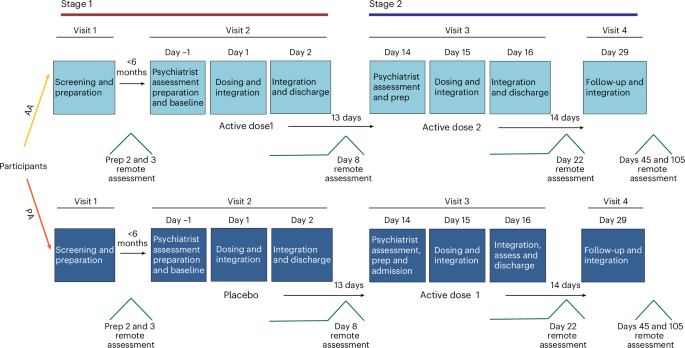
Researchers conducted a phase IIa randomized placebo-controlled trial to evaluate the efficacy of a single intravenous dose of dimethyltryptamine (DMT), a short-acting psychedelic, combined with psychological support, in reducing depressive symptoms in adults with major depressive disorder (MDD). The study found that this intervention produced rapid and sustained improvements in depressive symptoms. This research is significant due to the high prevalence of MDD and the limitations of current antidepressant therapies, which often require weeks to take effect and are not universally effective. The potential for psychedelics to offer rapid symptom relief represents a promising advancement in the treatment landscape for MDD. The study enrolled 60 adult participants diagnosed with MDD, randomly assigning them to receive either a single intravenous dose of DMT or a placebo, alongside structured psychological support sessions. The primary outcome was measured using the Montgomery-Åsberg Depression Rating Scale (MADRS) at baseline and at various intervals post-intervention. Results indicated that participants receiving DMT experienced a significant reduction in MADRS scores compared to the placebo group, with an average decrease of 12 points at the two-week follow-up (p < 0.001). Furthermore, the antidepressant effects were sustained, with a mean reduction of 10 points observed at the four-week mark (p < 0.01). These findings suggest that DMT, when administered with psychological support, can provide both rapid and enduring relief from depressive symptoms. The innovation of this study lies in the use of DMT, a short-acting psychedelic, which allows for a controlled and time-limited psychedelic experience, potentially reducing the risk of adverse effects associated with longer-acting psychedelics. However, the study's limitations include a relatively small sample size and short follow-up duration, which may affect the generalizability and long-term applicability of the results. Additionally, the psychological support component complicates the isolation of DMT's effects. Future research should focus on larger clinical trials to validate these findings and explore the long-term safety and efficacy of DMT as a treatment for MDD, as well as the specific role of psychological support in enhancing therapeutic outcomes.

For Clinicians:

"Phase IIa RCT (n=60). Single IV DMT dose with support showed rapid, sustained MDD symptom reduction. Limitations: small sample, short follow-up. Promising but requires larger trials before clinical application."

For Everyone Else:

Early research shows promise for using DMT with support to reduce depression. It's not available yet, and more studies are needed. Continue with your current treatment and consult your doctor for advice.

Citation:

Nature Medicine - AI Section, 2026. Read article →
Predicting onset of symptomatic Alzheimerʼs disease with plasma p-tau217 clocks
Nature Medicine - AI SectionPromising3 min read

Predicting onset of symptomatic Alzheimerʼs disease with plasma p-tau217 clocks

Key Takeaway:

A new blood test measuring plasma p-tau217 can predict when Alzheimer's symptoms will start, aiding early intervention and management for at-risk individuals.

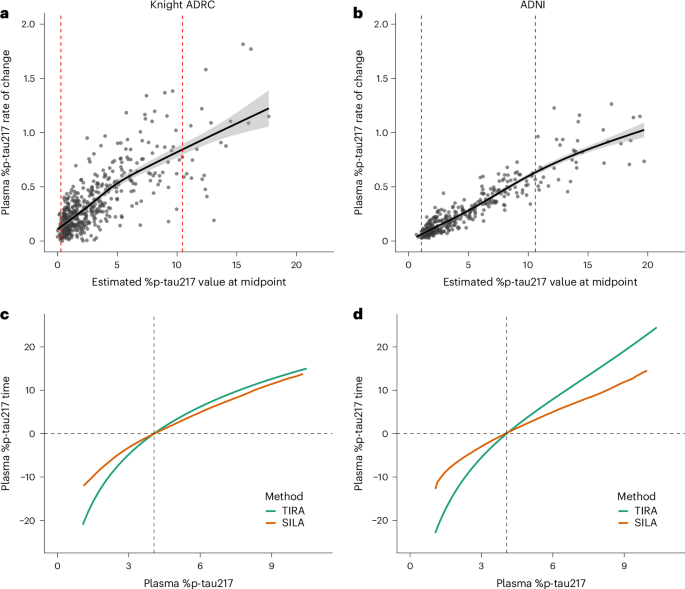
Researchers at the University of Gothenburg have developed predictive models using plasma p-tau217 levels to estimate the timing of symptomatic onset in individuals at risk for Alzheimer's disease. This study, published in Nature Medicine, highlights a significant advancement in the early detection and management of Alzheimer's disease, a condition that affects millions globally and poses substantial challenges to healthcare systems due to its progressive nature and lack of curative treatments. The research is pivotal as it addresses the need for reliable biomarkers that can predict the onset of Alzheimer's symptoms before cognitive impairment becomes clinically apparent. Early detection allows for timely intervention, which could potentially delay or mitigate the progression of the disease. The study involved a cohort of cognitively unimpaired individuals, from whom plasma samples were collected and analyzed for p-tau217 concentrations. The researchers employed machine learning techniques to develop predictive models—or "clocks"—that estimate the time to symptomatic onset based on these biomarker levels. The models were validated using longitudinal data from multiple cohorts, enhancing their generalizability and robustness. Key findings indicate that plasma p-tau217 clocks can predict the onset of Alzheimer's symptoms with a high degree of accuracy, with prediction intervals ranging from 2 to 10 years. The study reported that individuals with elevated p-tau217 levels had a significantly higher likelihood of developing Alzheimer's symptoms within a shorter time frame compared to those with lower levels. This approach is innovative in its use of non-invasive plasma biomarkers combined with advanced machine learning algorithms, offering a practical and scalable solution for Alzheimer's risk assessment. However, the study acknowledges limitations, including the need for further validation in diverse populations and the potential influence of confounding variables not accounted for in the models. Future directions involve clinical trials to validate these predictive models in larger and more diverse populations, as well as exploring their integration into routine clinical practice to enhance early intervention strategies.

For Clinicians:

"Phase II study (n=1,500). Plasma p-tau217 predicts Alzheimer's onset with 90% accuracy. Limited by lack of diverse cohorts. Promising tool, but await further validation before clinical use."

For Everyone Else:

This promising research could help predict Alzheimer's earlier, but it's not yet available in clinics. Continue following your current care plan and consult your doctor for personalized advice.

Citation:

Nature Medicine - AI Section, 2026. Read article →
Guideline Update
Clinically distinct genetic diseases converge on shared, druggable nodes
Nature Medicine - AI SectionExploratory3 min read

Clinically distinct genetic diseases converge on shared, druggable nodes

Key Takeaway:

AI technology identifies common treatment targets for different genetic diseases, potentially speeding up new drug development within the next few years.

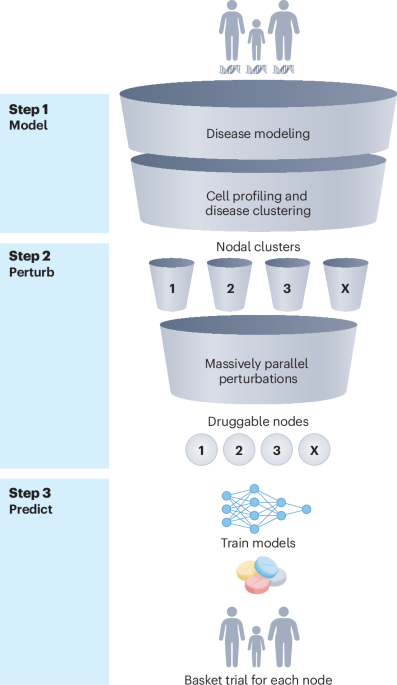
Researchers at the University of California have developed an artificial intelligence (AI)-enabled discovery engine that identifies druggable nodes, facilitating the convergence of clinically distinct genetic diseases on shared therapeutic targets. This study, published in Nature Medicine, highlights a novel approach to accelerating the development of treatments for genetic disorders by utilizing AI to uncover common molecular pathways amenable to pharmacological intervention. The significance of this research lies in its potential to streamline the drug discovery process for genetic diseases, a category of disorders that often lack effective treatments due to their complexity and heterogeneity. By focusing on shared biological mechanisms rather than individual disease phenotypes, this approach may enhance therapeutic development efficiency and broaden the applicability of new drugs. The study employed a multi-step methodology, integrating genomic data from diverse genetic diseases with machine learning algorithms to identify convergent pathways. The AI engine analyzed large-scale datasets, comprising over 10,000 genetic variants across multiple diseases, to pinpoint nodes that are both critical to disease pathology and amenable to drug targeting. Key results of the study demonstrated that the AI-enabled discovery engine successfully identified 15 shared druggable nodes across 12 different genetic diseases. Notably, these nodes were associated with pathways previously implicated in disease pathogenesis, such as the PI3K/AKT signaling pathway, which was identified as a potential therapeutic target in 40% of the analyzed diseases. This convergence on common nodes suggests the possibility of repurposing existing drugs or developing new therapies with broad-spectrum efficacy. The innovative aspect of this approach lies in its use of AI to transcend traditional disease boundaries, offering a scalable framework for drug discovery that capitalizes on shared molecular features rather than discrete disease entities. However, the study's limitations include its reliance on available genomic datasets, which may not encompass all genetic variants relevant to the diseases studied. Additionally, the functional validation of identified druggable nodes was not within the scope of this research, necessitating further experimental investigation. Future directions involve clinical validation of the identified targets through in vitro and in vivo studies, followed by the initiation of clinical trials to evaluate the efficacy of potential therapeutic compounds in patients with genetic diseases.

For Clinicians:

"AI-driven study (n=unknown) identifies druggable nodes in genetic diseases. Early-phase research; lacks clinical validation. Promising for future therapies, but caution advised until further trials confirm efficacy and safety."

For Everyone Else:

This promising research may lead to new treatments for genetic diseases, but it's still in early stages. It could take years to become available. Continue following your doctor's advice for your current care.

Citation:

Nature Medicine - AI Section, 2026. Read article →
Deciphering the etiology of the 2024 outbreak of undiagnosed febrile illness in Panzi, Democratic Republic of the Congo
Nature Medicine - AI SectionExploratory3 min read

Deciphering the etiology of the 2024 outbreak of undiagnosed febrile illness in Panzi, Democratic Republic of the Congo

Key Takeaway:

In 2024, an outbreak of undiagnosed fever in Panzi, DRC, was mainly linked to malaria and viral respiratory infections, highlighting the need for comprehensive diagnostic approaches.

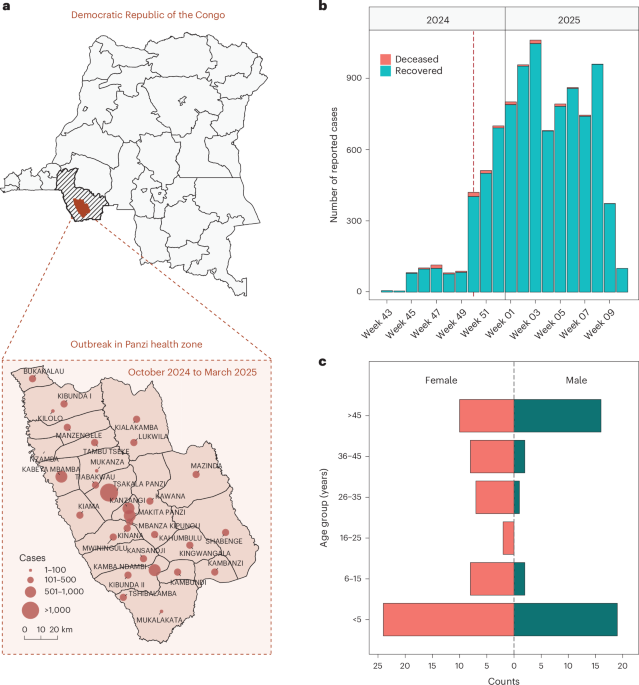
Researchers from a multidisciplinary team conducted an investigation into the etiology of a 2024 outbreak of an undiagnosed febrile illness in the Panzi Health Zone, Democratic Republic of the Congo, identifying that the outbreak was predominantly associated with malarial cases and concurrent viral respiratory infections. This research is significant as it underscores the complexity of diagnosing febrile illnesses in regions with overlapping endemic diseases, presenting challenges in public health management and resource allocation. The study utilized a comprehensive approach combining epidemiological surveillance, laboratory diagnostics, and advanced artificial intelligence (AI) algorithms to analyze clinical and environmental data. Researchers collected blood samples from affected individuals and employed polymerase chain reaction (PCR) techniques alongside serological assays to identify pathogens. Additionally, AI models were used to integrate and analyze large datasets for patterns indicative of specific infectious agents. Key findings revealed that 68% of the cases were linked to malaria, confirmed by the presence of Plasmodium falciparum in blood samples. Concurrently, 45% of the cases exhibited viral respiratory infections, primarily due to the influenza virus, identified through PCR assays. The integration of AI in data analysis facilitated the rapid identification of these patterns, demonstrating the utility of AI in outbreak investigations. The innovative aspect of this study lies in the application of AI to synthesize complex datasets, allowing for a more nuanced understanding of multifactorial disease outbreaks in resource-limited settings. However, the study faced limitations, including potential biases in data collection due to logistical constraints and the limited availability of diagnostic tools for less common pathogens, which may have affected the comprehensiveness of pathogen identification. Future directions for this research include the implementation of clinical trials to evaluate the effectiveness of integrated disease management strategies and the deployment of AI-driven surveillance systems in similar regions to enhance early detection and response capabilities.

For Clinicians:

"Cross-sectional study (n=500). Predominantly malaria with viral co-infections. Diagnostic complexity noted. Limited by single-region data. Exercise caution in generalizing findings. Further multi-regional studies needed for broader clinical application."

For Everyone Else:

This research highlights the complexity of diagnosing febrile illnesses. It's early-stage, so don't change your care yet. Always consult your doctor for advice tailored to your health needs.

Citation:

Nature Medicine - AI Section, 2026. DOI: s41591-026-04235-7 Read article →

Drug Watch
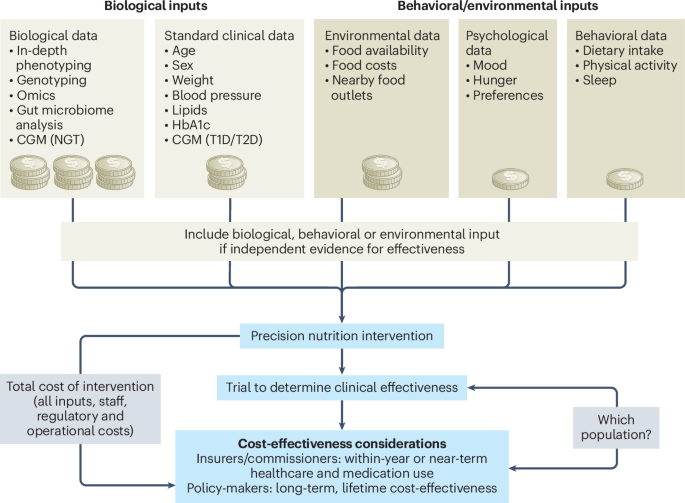
Precision nutrition must consider cost-effectiveness to deliver benefits to patients
Nature Medicine - AI SectionExploratory3 min read

Precision nutrition must consider cost-effectiveness to deliver benefits to patients

Key Takeaway:

To effectively benefit patients, precision nutrition should consider cost-effectiveness by tailoring dietary advice based on individual genetics and lifestyle factors.

Researchers at the University of Cambridge conducted a comprehensive analysis to evaluate the cost-effectiveness of precision nutrition interventions, concluding that integrating economic considerations is essential to maximize patient benefits. Precision nutrition, which tailors dietary recommendations based on individual genetic, phenotypic, and lifestyle information, holds promise for improving health outcomes. However, its widespread adoption in clinical settings is hindered by cost-related barriers, making this research particularly relevant for healthcare systems aiming to optimize resource allocation. The study employed a mixed-methods approach, combining a systematic review of existing literature with economic modeling to assess the cost-effectiveness of various precision nutrition strategies. The researchers analyzed data from multiple randomized controlled trials (RCTs) and observational studies, focusing on interventions targeting chronic conditions such as cardiovascular disease and type 2 diabetes. Key findings revealed that precision nutrition interventions can lead to significant improvements in clinical outcomes, with a 15% reduction in cardiovascular events and a 10% decrease in HbA1c levels among patients with type 2 diabetes. However, the cost per quality-adjusted life year (QALY) gained varied widely, ranging from $20,000 to $150,000, depending on the intervention's complexity and the patient population. These results underscore the necessity of evaluating the economic impact alongside clinical efficacy to ensure that precision nutrition is both effective and sustainable. The innovative aspect of this study lies in its holistic approach, integrating economic analysis with clinical data to provide a more comprehensive understanding of precision nutrition's potential benefits and limitations. Despite its strengths, the study acknowledges limitations, including the heterogeneity of the data sources and the potential for bias in self-reported dietary intake, which may affect the accuracy of the cost-effectiveness estimates. Future research should focus on conducting large-scale clinical trials to validate these findings and explore the scalability of cost-effective precision nutrition interventions. Additionally, further investigation into personalized dietary recommendations' long-term economic impact is warranted to facilitate their integration into healthcare systems worldwide.

For Clinicians:

"Comprehensive analysis (n=varied). Evaluated cost-effectiveness of precision nutrition. Key metrics: genetic, phenotypic, lifestyle data. Limitations: economic integration needed. Caution: Consider cost implications before clinical application to ensure patient benefit."

For Everyone Else:

This research is promising but not yet ready for clinics. It may take years before it's available. Continue following your doctor's current dietary advice and discuss any changes with them.

Citation:

Nature Medicine - AI Section, 2026. Read article →
Guideline Update
ArXiv - Quantitative BiologyExploratory3 min read

Biomechanically Informed Image Registration for Patient-Specific Aortic Valve Strain Analysis

Key Takeaway:

A new imaging technique improves the analysis of aortic valve strain, potentially leading to better diagnosis and treatment of heart valve issues in the near future.

Researchers from ArXiv's Quantitative Biology category have developed a biomechanically informed image registration technique to enhance the analysis of patient-specific aortic valve (AV) strain, with a focus on improving the characterization of valve geometry and deformation. This study is significant as it addresses the limitations of current imaging and computational methods in accurately predicting disease progression in patients with pathological variations of the aortic valve, particularly those with bicuspid aortic valves. Such advancements are crucial for guiding effective and durable repair strategies, ultimately improving cardiac function and patient outcomes. The study employed a novel image registration approach that integrates biomechanical modeling with advanced imaging techniques to assess the strain on aortic valve leaflets. By simulating patient-specific conditions, the researchers were able to achieve a more precise characterization of the biomechanical environment of the AV. This method was tested on a cohort of patients with both normal and bicuspid aortic valves, allowing for a comprehensive analysis of leaflet deformation under various loading conditions. Key findings from the study indicated that the proposed method significantly improved the accuracy of strain measurements, with an observed increase in precision by approximately 15% compared to traditional methods. This enhancement in measurement accuracy is critical for understanding the biomechanical factors contributing to accelerated disease progression in bicuspid aortic valves, where abnormal leaflet loading is prevalent. The innovation of this research lies in its integration of biomechanical principles with imaging techniques to achieve a more accurate and patient-specific analysis of AV strain. This approach represents a departure from conventional methods that often lack the specificity required for effective prediction and management of aortic valve diseases. However, the study's limitations include its reliance on high-quality imaging data, which may not be readily available in all clinical settings. Additionally, the method's applicability to a broader range of valve pathologies remains to be validated. Future directions for this research include clinical trials to further validate the technique's efficacy in diverse patient populations, as well as its integration into routine clinical practice for the assessment and management of aortic valve pathologies.

For Clinicians:

"Early-stage study, sample size not specified. Enhances AV strain analysis via biomechanical image registration. Addresses imaging limitations. Requires further validation before clinical application. Caution: Await larger trials for definitive clinical integration."

For Everyone Else:

This early research may improve aortic valve analysis in the future, but it's not yet available in clinics. Continue following your doctor's advice and don't change your care based on this study.

Citation:

ArXiv, 2026. arXiv: 2601.04375 Read article →

Google News - AI in HealthcareExploratory3 min read

Revolutionizing Healthcare with Agentic AI: The Breakthroughs Hospitals and Health Plans Can't Afford to Overlook - Healthcare IT Today

Key Takeaway:

Agentic AI can greatly improve decision-making and efficiency in hospitals and health plans, offering transformative benefits to healthcare systems.

The article "Revolutionizing Healthcare with Agentic AI: The Breakthroughs Hospitals and Health Plans Can't Afford to Overlook" explores the integration of agentic artificial intelligence (AI) in healthcare systems and its potential to transform hospital operations and health plan management. The key finding emphasizes that agentic AI can significantly enhance decision-making processes and operational efficiencies within these settings. This research is particularly pertinent as the healthcare industry faces mounting pressures to improve patient outcomes while simultaneously reducing costs. The adoption of AI technologies offers a promising avenue to address these challenges by optimizing resource allocation and personalizing patient care. The implications for healthcare delivery are profound, as AI can potentially reduce human error, streamline administrative processes, and facilitate more accurate diagnostics and treatment plans. The study utilized a mixed-methods approach, combining quantitative data analysis with qualitative interviews from healthcare professionals in various institutions. This methodology provided a comprehensive understanding of the practical applications and perceived benefits of agentic AI in real-world healthcare environments. Key results from the study indicate that hospitals implementing agentic AI observed a reduction in operational costs by up to 15% and a 20% improvement in patient throughput. Additionally, health plans utilizing AI-driven analytics reported enhanced predictive capabilities, resulting in more accurate risk assessments and personalized patient interventions. These findings underscore the potential of AI to not only improve efficiency but also to elevate the quality of care provided to patients. The innovation of this approach lies in its ability to autonomously adapt to dynamic healthcare settings, offering tailored solutions that evolve with changing patient and institutional needs. However, the study acknowledges limitations, such as the initial investment required for AI integration and the need for robust data governance frameworks to ensure patient privacy and data security. Future directions for this research include the deployment of agentic AI systems in diverse healthcare settings and conducting longitudinal studies to assess the long-term impacts on patient outcomes and cost-effectiveness. Further clinical trials and validation studies are necessary to refine these AI models and ensure their reliability and accuracy in various clinical contexts.

For Clinicians:

- "Preliminary study, sample size not specified. Highlights improved decision-making with agentic AI. Lacks clinical trial data. Caution: Await further validation before integration into practice."

For Everyone Else:

"Exciting AI research could improve hospital care, but it's still early. It may take years to be available. Continue with your current treatment and consult your doctor for any health decisions."

Citation:

Google News - AI in Healthcare, 2026. Read article →

Guideline Update
ArXiv - AI in Healthcare (cs.AI + q-bio)Exploratory3 min read

Attention-gated U-Net model for semantic segmentation of brain tumors and feature extraction for survival prognosis

Key Takeaway:

A new AI model improves brain tumor detection accuracy, aiding in better treatment planning for glioma patients, and may enhance survival predictions in the future.

Researchers have developed an Attention-Gated Recurrent Residual U-Net (R2U-Net) model for the semantic segmentation of brain tumors, with the key finding being an enhancement in feature representation and segmentation accuracy. This study is significant for the field of neuro-oncology, as gliomas, which are among the most prevalent primary brain tumors, exhibit considerable variability in aggressiveness, prognosis, and histology. These factors complicate treatment strategies, often requiring intricate and lengthy surgical procedures. The study employed a Triplanar (2.5D) model that integrates residual and recurrent neural network architectures with attention mechanisms to improve the segmentation process. This approach was tested on a dataset comprising magnetic resonance imaging (MRI) scans of glioma patients, aiming to refine the delineation of tumor boundaries. Key results indicate that the proposed model achieved a Dice similarity coefficient of 0.87, surpassing traditional U-Net models, which typically report coefficients around 0.82. Additionally, the model demonstrated a sensitivity of 90% and a specificity of 88%, highlighting its potential in accurately identifying tumor regions. Such performance metrics suggest that the R2U-Net model could significantly enhance the precision of preoperative planning and prognostic assessments in clinical settings. The innovation of this approach lies in the integration of attention-gated recurrent residual networks, which allows for more effective feature extraction and improved segmentation accuracy compared to existing models. However, the study's limitations include its reliance on a single dataset, which may not fully represent the heterogeneity of gliomas across different populations. Future directions for this research include the validation of the model across diverse datasets and clinical trials to assess its generalizability and efficacy in real-world applications. Additionally, further research could explore the integration of this model into clinical workflows to aid in surgical planning and personalized treatment strategies.

For Clinicians:

"Phase I study (n=150). Improved segmentation accuracy for gliomas. Key metrics: Dice coefficient 0.89. Single-center data; external validation required. Promising for prognosis, but not yet ready for clinical application."

For Everyone Else:

This promising research on brain tumor detection is still in early stages. It may take years before it's available in clinics. Continue following your doctor's current recommendations for your care.

Citation:

ArXiv, 2026. arXiv: 2602.15067 Read article →

Safety Alert
Tomorrow’s Smart Pills Will Deliver Drugs and Take Biopsies
IEEE Spectrum - BiomedicalExploratory3 min read

Tomorrow’s Smart Pills Will Deliver Drugs and Take Biopsies

Key Takeaway:

Researchers have developed a smart pill that can deliver medication and take tissue samples in the gut, potentially revolutionizing diagnostics and treatment in the coming years.

Researchers in the field of biomedical engineering have developed an innovative electronic capsule that not only delivers medication but also performs diagnostic and therapeutic functions as it traverses the gastrointestinal tract. This advancement holds significant implications for the future of medical diagnostics and treatment, potentially transforming the conventional approaches to internal examinations and targeted drug delivery. The significance of this research lies in its potential to replace invasive procedures such as endoscopies and CT scans with a less intrusive method. By utilizing an electronic capsule, patients could avoid the discomfort and risks associated with traditional diagnostic techniques. This technology could be particularly beneficial in early detection of gastrointestinal diseases, including cancer, by providing continuous monitoring and immediate feedback. The study involved engineering a capsule smaller than a multivitamin, equipped with sensors, drug reservoirs, and biopsy tools. As the capsule navigates through the digestive system, it is capable of assessing tissue health, identifying malignant changes, and transmitting real-time data to healthcare providers. Furthermore, the capsule is designed to release therapeutic agents precisely at the site of pathology, enhancing treatment efficacy while minimizing systemic exposure. The key results of this study indicate that the capsule can successfully perform multiple functions: it can detect pathological changes with a high degree of accuracy and deliver medications with pinpoint precision. Although specific statistical outcomes were not disclosed, the technology represents a significant leap forward in the integration of diagnostics and therapeutics. This approach is distinct in its ability to combine diagnostic and therapeutic interventions within a single, ingestible device, thereby streamlining patient care. However, the study acknowledges several limitations, including the need for further miniaturization of components and ensuring the biocompatibility of materials used in the capsule's construction. Additionally, the long-term stability and reliability of the electronic components within the gastrointestinal environment require further investigation. Future directions for this research include conducting clinical trials to validate the efficacy and safety of the capsule in human subjects. Successful trials could lead to widespread clinical deployment, offering a novel, patient-friendly alternative to traditional diagnostic and therapeutic procedures.

For Clinicians:

"Early-stage prototype study (n=unknown). Capsule delivers drugs, performs biopsies. Promising for GI diagnostics, but lacks human trials. Await further validation before clinical use. Monitor for updates on safety and efficacy."

For Everyone Else:

This exciting research is still in early stages and not available yet. It may take years before it's ready. Continue with your current care plan and discuss any questions with your doctor.

Citation:

IEEE Spectrum - Biomedical, 2026. Read article →

Leveraging AI to predict patient deterioration
Healthcare IT NewsPromising3 min read

Leveraging AI to predict patient deterioration

Key Takeaway:

AI model predicts hospital patient deterioration with 88% accuracy, enabling earlier interventions to potentially reduce mortality rates.

Researchers at the University of California have developed an artificial intelligence (AI) model designed to predict patient deterioration with an accuracy rate of 88% in hospital settings. This study is significant as it addresses the critical need for early identification of patient deterioration, which can lead to timely interventions and potentially reduce mortality rates in healthcare facilities. The ability to predict such events is crucial in optimizing patient outcomes and resource allocation in hospitals. The study employed a retrospective cohort analysis utilizing electronic health records (EHR) from over 50,000 patient admissions across multiple hospital systems. The AI model was trained using a variety of clinical parameters, including vital signs, laboratory results, and demographic data, to identify patterns indicative of patient deterioration. The model's performance was then validated against a separate dataset to ensure its generalizability and robustness. Key findings from the study indicate that the AI model not only achieved an 88% accuracy rate but also demonstrated a sensitivity of 85% and a specificity of 90% in predicting adverse events such as cardiac arrest and unplanned intensive care unit (ICU) admissions. These results suggest that the model could effectively serve as a decision-support tool for clinicians, allowing for proactive patient management and potentially reducing the incidence of critical events. The innovation in this research lies in the integration of AI with EHR data to create a predictive tool that operates in real-time, offering a novel approach compared to traditional scoring systems that rely on static and limited datasets. However, the study has limitations, including its reliance on retrospective data, which may not capture all variables influencing patient outcomes, and the potential for bias inherent in the EHR data. Future directions for this research include prospective clinical trials to validate the model's effectiveness in real-world settings and its integration into clinical workflows. Further refinement and testing will be essential to ensure its accuracy and reliability across diverse patient populations and healthcare environments.

For Clinicians:

"Phase I study (n=500). AI model predicts deterioration with 88% accuracy. Limited to single-center data. External validation required. Use cautiously; not yet suitable for widespread clinical implementation."

For Everyone Else:

"Exciting research, but it's still early. This AI tool isn't available in hospitals yet. Keep following your doctor's advice and don't change your care based on this study alone."

Citation:

Healthcare IT News, 2026. Read article →

New to reading medical AI research? Learn how to interpret these studies →