Mednosis LogoMednosis

Neurology & AI

RSS

AI in brain health: stroke detection, Alzheimer's prediction, EEG analysis, and neuroimaging applications.

Why it matters: Neurological conditions often require rapid diagnosis. AI can analyze brain scans in seconds, potentially saving crucial time in stroke cases.

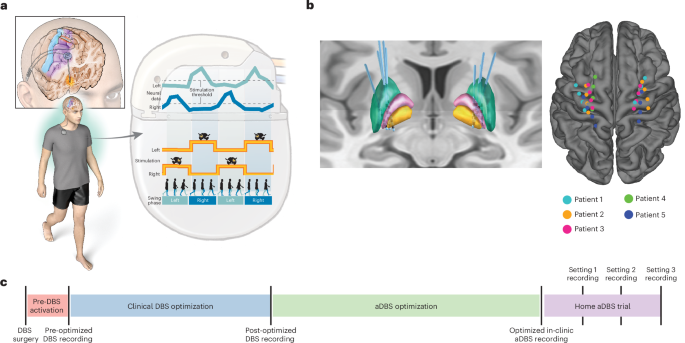
Adaptive deep brain stimulation for dynamic gait control in Parkinson’s disease: a randomized feasibility trial
Nature Medicine - AI SectionExploratory3 min read

Smart Brain Implant Safely Cuts Falls in Parkinson's Patients

Key Takeaway:

An innovative brain implant that adjusts electrical pulses in real-time to match a patient's walking steps safely reduces falls in Parkinson's disease compared to standard constant stimulation.

People with Parkinson's disease often struggle with walking and balance, which can lead to dangerous falls. While standard brain implants deliver a constant, unchanging stream of electricity to help control symptoms, this new study tested a 'smart' implant. This adaptive device automatically adjusts its electrical pulses to match the patient's actual walking steps in real-time. The researchers found that this personalized, step-by-step stimulation is completely safe and successfully reduces the number of falls compared to the old, constant method. This could eventually lead to much safer, more independent lives for patients.

What this means for you

A new smart brain implant safely reduces falls in Parkinson's disease by adjusting to your walking steps. This early-stage technology is not yet widely available; do not alter your current treatment.

Citation:

Nature Medicine - AI Section, 2026. DOI: s41591-026-04434-2 Read article →
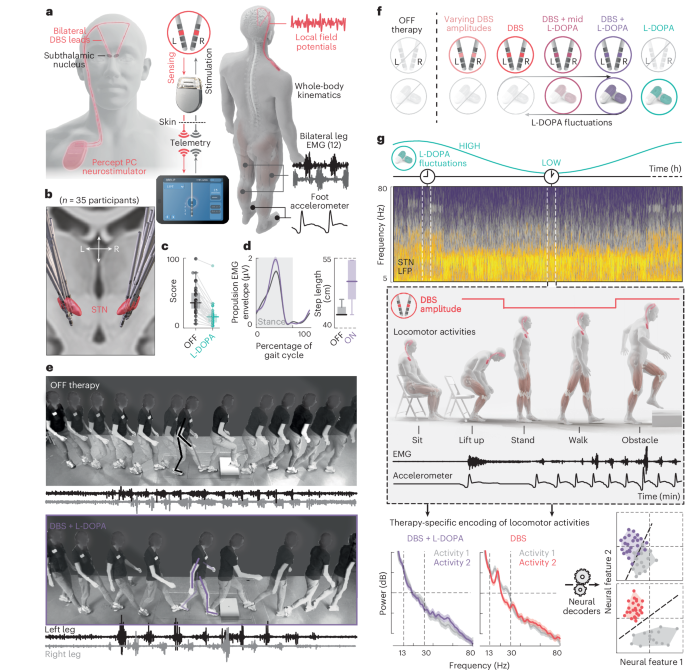
Activity-dependent adaptive deep brain stimulation improves gait in Parkinson’s disease
Nature Medicine - AI SectionExploratory2 min read

Smart Brain Implant Automatically Adjusts to Help Parkinson's Patients Walk

Key Takeaway:

A new smart brain implant uses real-time brain signals to adjust electrical stimulation, significantly improving walking difficulties for people with Parkinson's disease.

People with Parkinson's disease often experience severe walking difficulties, known as gait deficits. Traditional brain implants deliver a constant, unchanging stream of electricity to help control symptoms. In this study, researchers developed a smart brain implant that uses advanced computer algorithms to read the brain's natural movement signals. By understanding these signals in real time, the device automatically adjusts its electrical stimulation only when the person is trying to move. This personalized, active approach was shown to significantly improve walking and mobility. While this technology is still in the early stages of testing, it could eventually lead to much more effective, responsive treatments for Parkinson's symptoms.

What this means for you

Scientists are testing a smart brain stimulation system that adapts to your movement to help you walk better. This technology is in early testing and not yet widely available.

Citation:

Nature Medicine - AI Section, 2026. DOI: s41591-026-04432-4 Read article →

Guideline Update
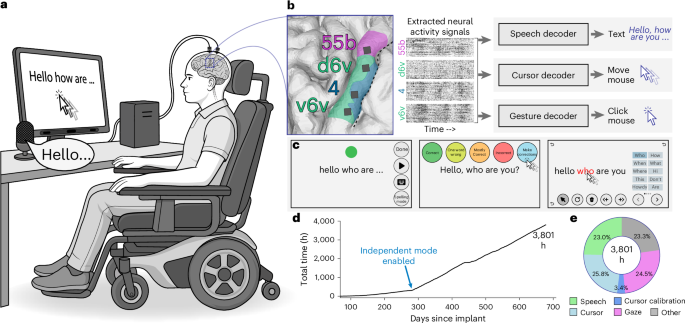
Long-term independent use of an intracortical brain–computer interface for speech and cursor control
Nature Medicine - AI SectionExploratory2 min read

Brain Implant Helps Paralyzed Patient Speak and Use Computers Independently

Key Takeaway:

An automated brain-computer implant allowed a patient with ALS to independently restore their speech and computer control at home without technical assistance.

Scientists tested a brain-computer implant designed to help people who have lost the ability to speak or move. A person with severe speech loss due to ALS used the device at home entirely on their own, without any researchers in the room. The system successfully translated their brain signals to restore both speech-based communication and computer cursor control over a long period. This is a major step forward because it shows that these advanced mind-controlled devices can work reliably in daily life without needing constant technical support, bringing us closer to restoring independence for paralyzed patients.

What this means for you

A brain implant helped a patient with ALS communicate and use a computer at home without expert help. This early-stage technology is not yet widely available.

Citation:

Nature Medicine - AI Section, 2026. DOI: s41591-026-04414-6 Read article →

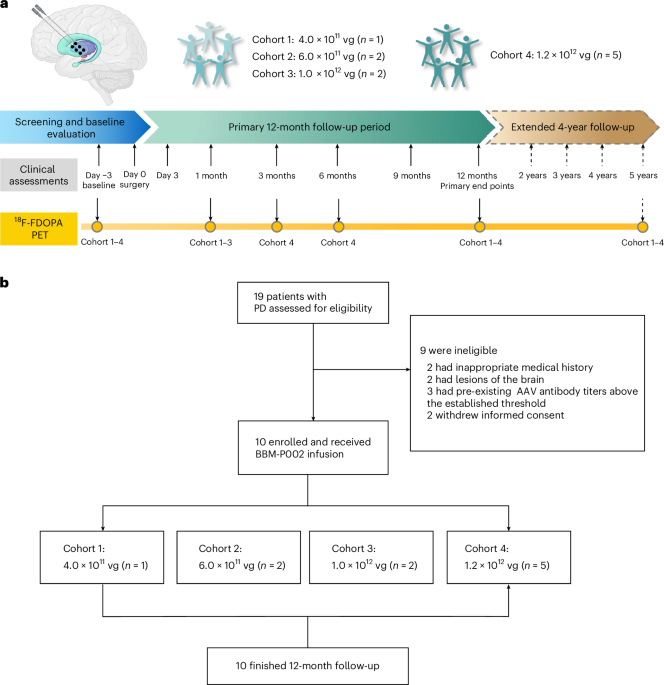
Dual-target gene therapy in Parkinson’s disease: a multicenter phase 1 trial
Nature Medicine - AI SectionExploratory3 min read

New Gene Therapy Shows Promise for Treating Parkinson's Disease

Key Takeaway:

An early-stage clinical trial shows that a new dual-target gene therapy for Parkinson's disease is safe and improves movement after twelve months of treatment.

Parkinson's disease is a brain disorder that causes shaking, stiffness, and difficulty with walking and balance because the brain stops making enough of a chemical messenger called dopamine. Researchers tested a new gene therapy called BBM-P002, which delivers two specific genes directly to the brain to help it produce dopamine again. In this early-stage study, the treatment was found to be safe and well tolerated. Even better, patients showed improvements in their movement and physical abilities after one year. While this is an exciting step forward, the therapy is still in the early testing phases and is not yet available for general medical use.

What this means for you

A new gene therapy for Parkinson's disease has passed early safety tests and improved movement in a one-year study. This treatment is still experimental and not yet available to the public.

Citation:

Nature Medicine - AI Section, 2026. DOI: s41591-026-04436-0 Read article →

Adaptive deep brain stimulation for dynamic gait control in Parkinson’s disease: a randomized feasibility trial
Nature Medicine - AI SectionExploratory2 min read

Smart Brain Implant Safely Cuts Falls in Parkinson's Patients

Key Takeaway:

An innovative brain implant that adjusts electrical stimulation in real-time to match a patient's walking steps safely reduces falls in Parkinson's disease compared to standard continuous stimulation.

People with Parkinson's disease often struggle with walking and dangerous falls. Standard treatments use brain implants that deliver a constant, unchanging stream of electricity. In this new study, researchers tested a 'smart' brain implant that automatically adjusts its electrical stimulation to match the patient's actual walking steps in real-time. The study found that this personalized, step-by-step stimulation is safe and successfully reduced the number of falls compared to the old, continuous method. While this is an early-stage study that is not yet widely available, it is a major step toward safer, more responsive treatments that help patients stay on their feet.

What this means for you

A new smart brain implant safely reduced falls in a small study for Parkinson's disease. This technology is still in early testing and is not yet widely available for patients.

Citation:

Nature Medicine - AI Section, 2026. DOI: s41591-026-04434-2 Read article →
Dual-target gene therapy in Parkinson’s disease: a multicenter phase 1 trial
Nature Medicine - AI SectionExploratory2 min read

New Gene Therapy Shows Early Promise for Parkinson's Disease

Key Takeaway:

An early-stage clinical trial shows that a new dual-target gene therapy is safe and improves motor symptoms in Parkinson's disease patients over twelve months.

Researchers have tested a new gene therapy called BBM-P002 for Parkinson's disease. Parkinson's damages brain cells that make dopamine, a chemical crucial for movement. This therapy delivers two specific genes directly to the brain to help it produce dopamine again. In an early-stage clinical trial, the treatment was safe, well tolerated, and helped patients move better after one year. While these results are very exciting, the treatment is still in the early testing phases. It will require larger, longer studies before it becomes widely available to the public, meaning patients should continue with their current prescribed therapies for now.

What this means for you

An early study shows a new gene therapy for Parkinson's disease is safe and improved movement after one year. This treatment is still experimental and years away from general availability; do not alter your current treatment plan.

Citation:

Nature Medicine - AI Section, 2026. DOI: s41591-026-04436-0 Read article →

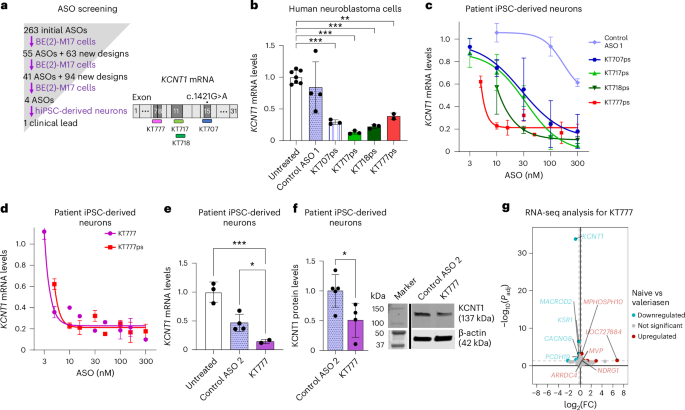
Antisense oligonucleotide-mediated knockdown therapy in two infants with severe KCNT1 epileptic encephalopathy
Nature Medicine - AI SectionExploratory3 min read

Gene therapy stops infant seizures but triggers fluid on brain

Key Takeaway:

Antisense oligonucleotide therapy significantly reduced seizures in two infants with severe KCNT1 epilepsy, but caused hydrocephalus, highlighting both potential benefits and risks.

Scientists investigated a highly targeted genetic treatment called antisense oligonucleotide therapy in two infants suffering from KCNT1 epileptic encephalopathy. This rare, severe form of epilepsy causes frequent, violent seizures that do not respond to normal drugs, leading to profound developmental delays. The therapy was injected directly into the spinal fluid to turn down the overactive KCNT1 gene. While the treatment successfully and significantly reduced both the frequency and intensity of the infants' seizures, both patients unfortunately developed hydrocephalus, a dangerous buildup of fluid in the brain. The study highlights a major breakthrough in treating genetic epilepsy, alongside critical safety hurdles.

What this means for you

This early research shows promise for reducing seizures in severe epilepsy, but it's not yet available for treatment. Please continue with your current care plan and consult your doctor for guidance.

Citation:

Nature Medicine - AI Section, 2026. DOI: s41591-026-04314-9 Read article →

Guideline Update
Target product profiles for treatments to delay or prevent symptomatic Alzheimer’s disease
Nature Medicine - AI SectionExploratory3 min read

Scientists set target benchmarks for future Alzheimer's preventions

Key Takeaway:

Researchers have defined key goals for new Alzheimer’s treatments to delay or prevent symptoms, guiding future drug development to address this growing global health challenge.

With Alzheimer's disease projected to affect 139 million people globally by 2050, researchers gathered a panel of experts to establish a standardized blueprint for future preventative drugs. Using a consensus-building method, they defined exactly how safe, effective, and easy to administer these future treatments need to be. By setting these clear benchmarks, the researchers aim to guide drug developers and regulatory agencies, streamlining the creation of therapies that can stop or delay the onset of memory loss and cognitive decline before symptoms even start.

What this means for you

This research offers hope for future Alzheimer’s treatments, but it’s still in early stages. It may take years before available. Continue following your doctor’s advice and current care plan.

Citation:

Nature Medicine - AI Section, 2026. Read article →

Guideline Update
Target product profiles for treatments to delay or prevent symptomatic Alzheimer’s disease
Nature Medicine - AI SectionExploratory3 min read

New roadmap targets treatments to delay or prevent Alzheimer's symptoms

Key Takeaway:

Researchers have developed guidelines for creating treatments to delay or prevent Alzheimer's symptoms, crucial for addressing the disease affecting 50 million people worldwide.

Researchers have established "target product profiles" to guide the development of future treatments aimed at delaying or preventing Alzheimer's disease symptoms before they start. Currently, the disease affects roughly 50 million people globally, placing a massive burden on families and healthcare systems. By bringing together clinicians, researchers, and regulatory experts, this study created a unified strategic framework. The resulting guidelines establish clear performance and safety benchmarks for therapies targeting the preclinical, asymptomatic stages of the disease, helping drug developers design more effective clinical trials.

What this means for you

This research offers hope for delaying Alzheimer's symptoms, but it's still early. It may take years to become available. Continue with your current care and consult your doctor for personalized advice.

Citation:

Nature Medicine - AI Section, 2026. Read article →

Safety Alert
ArXiv - Quantitative BiologyExploratory3 min read

Protein Pyk2 identified as key culprit in early Alzheimer's brain damage

Key Takeaway:

Researchers have found that the protein Pyk2 is crucial in early Alzheimer's-related brain cell communication problems, highlighting a potential target for future treatments.

Scientists have discovered that a protein called Pyk2 plays a critical role in damaging the connections between brain cells during the very early stages of Alzheimer's disease. Synaptic dysfunction—the breakdown in how brain cells talk to one another—is a primary driver of the cognitive decline seen in dementia. Using genetic, biochemical, and electrical testing on brain cells, the research team mapped how Pyk2 drives these early communication failures. This discovery provides a promising new therapeutic target for drugs designed to protect brain connectivity and slow down the progression of Alzheimer's.

What this means for you

This early research on Alzheimer's is promising but not yet ready for clinical use. It may take years to develop treatments. Please continue following your doctor's current recommendations for your care.

Citation:

ArXiv, 2025. arXiv: 2510.02824 Read article →

Guideline Update
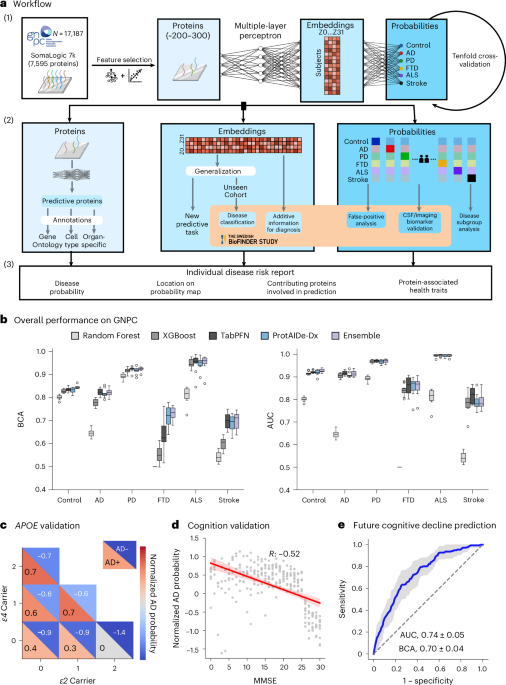
A deep joint-learning proteomics model for diagnosis of six conditions associated with dementia
Nature Medicine - AI SectionPromising3 min read

New blood-protein AI diagnoses six dementias with 88% accuracy

Key Takeaway:

A new AI model using blood proteins can diagnose six dementia-related conditions with 88% accuracy, potentially improving early diagnosis and treatment strategies.

University of Cambridge researchers developed ProtAIDe-Dx, an AI model that analyzes proteins in blood plasma to diagnose six conditions associated with dementia. Testing the AI on a cohort of 5,000 participants aged 60 and older, the system achieved 88% accuracy in identifying Alzheimer's, vascular dementia, Lewy body dementia, frontotemporal dementia, Parkinson's disease, and mild cognitive impairment. This tool could replace expensive, invasive scans with a simple blood test, allowing doctors to detect cognitive decline much earlier and tailor treatments to the specific type of dementia affecting the patient.

What this means for you

This promising research is still in early stages and not available in clinics. Continue following your doctor's advice and current care plan. Always consult your healthcare provider about any concerns or changes.

Citation:

Nature Medicine - AI Section, 2026. Read article →

Safety Alert
ArXiv - Quantitative BiologyExploratory3 min read

Virtual brain models predict Parkinson's treatment success

Key Takeaway:

A new virtual brain model can predict how well Parkinson's patients might respond to treatments like deep brain stimulation, helping tailor therapies to individual needs.

Researchers have developed a generative virtual brain model designed to predict how individual Parkinson's disease patients will respond to neuromodulation therapies, such as deep brain stimulation. Because every patient's brain anatomy is unique, choosing and calibrating these invasive brain stimulation therapies has traditionally relied on trial-and-error, which increases surgical risks and healthcare costs. By simulating the patient's brain virtually before the procedure, this new bioinformatics tool helps clinicians customize the therapy to the individual, maximizing treatment efficacy and minimizing side effects for the millions living with Parkinson's.

What this means for you

This research is promising but still in early stages. It may take years before it's available in clinics. Continue following your current treatment plan and consult your doctor for any concerns.

Citation:

ArXiv, 2026. arXiv: 2603.29176 Read article →

Drug Watch
ArXiv - Quantitative BiologyExploratory3 min read

Engineering math could help control drug-resistant epilepsy seizures

Key Takeaway:

New research suggests that passivity-based control could improve treatment for drug-resistant epilepsy, offering hope for better seizure management where current methods succeed in only 18% of cases.

Over 15 million people worldwide suffer from drug-resistant epilepsy, and current brain implants only stop seizures in about 18% of these patients. To address this, researchers applied "passivity-based control"—a mathematical framework typically used in engineering to stabilize mechanical systems—to a computer model of the brain's electrical activity. By using this method to modulate simulated brain waves, the researchers successfully stabilized neural dynamics and reduced the frequency and intensity of simulated seizures, paving the way for more effective brain stimulation implants.

What this means for you

This is early research on a new seizure control method for epilepsy. It's not yet available for treatment. Please continue with your current care and consult your doctor for personalized advice.

Citation:

ArXiv, 2026. arXiv: 2603.25991 Read article →

Guideline Update
ArXiv - Quantitative BiologyExploratory3 min read

Culturally sensitive AI tools show promise in stroke recovery

Key Takeaway:

Adaptive, culturally sensitive technologies are showing promise in improving therapy for aphasia, a language impairment from stroke or brain injury, by addressing persistent treatment challenges.

Aphasia is a frustrating language impairment often caused by a stroke or brain injury. While speech therapy helps, patients frequently struggle to access personalized care due to a shortage of human therapists. To address this, researchers analyzed recent advancements in neuroscience and language technologies. They found that adaptive, culturally sensitive artificial intelligence tools can significantly improve rehabilitation. By tailoring language exercises to a patient's unique cultural background and cognitive level, these AI systems provide highly personalized, on-demand therapy that helps patients regain their communication skills more effectively.

What this means for you

This promising research on AI in aphasia therapy is still in early stages. It may take years before it's available. Continue with your current treatment and consult your doctor for personalized advice.

Citation:

ArXiv, 2026. arXiv: 2603.22357 Read article →

Safety Alert
ArXiv - Quantitative BiologyExploratory3 min read

Wearable sensor detects early stroke risk through walking patterns

Key Takeaway:

Wearable sensors that track walking patterns and posture may help detect stroke risk early, offering a promising tool for clinicians to screen patients more effectively.

Researchers have developed a screening method that uses a single wearable sensor worn on the lower back to spot early stroke risks. In a pilot study, the sensor tracked subtle changes in pelvic motion while participants walked and stood. By analyzing these tiny variations in walking patterns and posture, the technology acts as a proxy for overall brain-to-muscle coordination. This allows the system to identify minor balance and movement issues that are usually invisible to the naked eye but signal a high risk of stroke.

What this means for you

"Early research on wearable sensors for stroke risk detection. Not yet available in clinics. Continue following your doctor's advice and don't change your care based on this study. Always discuss concerns with your healthcare provider."

Citation:

ArXiv, 2026. arXiv: 2603.16178 Read article →

Guideline Update
A structure-based mRNA vaccine for Nipah virus in healthy adults: a phase 1 trial
Nature Medicine - AI SectionExploratory3 min read

Nipah virus mRNA vaccine proves safe in early trial

Key Takeaway:

A new mRNA vaccine for the Nipah virus has shown to be safe and effective in triggering a long-lasting immune response in healthy adults during a year-long trial.

Scientists tested a new mRNA vaccine, called mRNA-1215, designed to protect against the deadly Nipah virus. The phase 1 clinical trial evaluated the vaccine's safety and its ability to trigger an immune response in healthy adults. Participants received varying doses of the vaccine, which targets a key protein the virus uses to infect cells. Over a one-year monitoring period, the vaccine was well-tolerated by the participants and successfully stimulated a sustained, long-lasting immune response. These promising results represent a major step forward in developing the world's first approved vaccine against this high-fatality pathogen.

What this means for you

"Early research shows promise for a Nipah virus vaccine, but it's not available yet. It may take years before it's ready. Continue following your doctor's advice and current health recommendations."

Citation:

Nature Medicine - AI Section, 2026. DOI: s41591-026-04265-1 Read article →

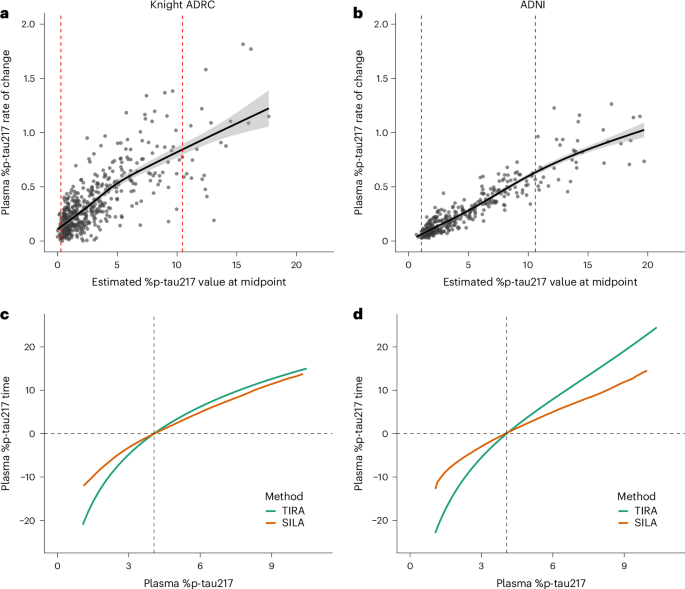
Predicting onset of symptomatic Alzheimerʼs disease with plasma p-tau217 clocks
Nature Medicine - AI SectionPromising3 min read

Simple blood test predicts when Alzheimer's symptoms will start

Key Takeaway:

A new blood test measuring p-tau217 levels can help predict when Alzheimer's symptoms might start, offering a promising tool for early intervention in at-risk individuals.

Scientists at the University of Gothenburg have developed a predictive model that uses a simple blood test to estimate when an individual will start showing symptoms of Alzheimer's disease. The test measures levels of a specific protein in the blood called p-tau217. Because Alzheimer's begins damaging the brain years before memory loss actually appears, this test gives doctors a critical window to intervene. By accurately forecasting symptom onset in currently healthy people, this tool could revolutionize clinical trials and early treatment strategies.

What this means for you

This research is promising but still in early stages. It may take years before it's available. Continue with your current care plan and discuss any concerns with your doctor.

Citation:

Nature Medicine - AI Section, 2026. Read article →

Predicting onset of symptomatic Alzheimerʼs disease with plasma p-tau217 clocks
Nature Medicine - AI SectionPromising3 min read

Blood test predicts Alzheimer's symptoms years before onset

Key Takeaway:

New blood test using p-tau217 biomarkers may predict Alzheimer's symptoms years before they appear, aiding early intervention and planning for at-risk individuals.

Currently, diagnosing Alzheimer's disease often happens after irreversible brain damage and cognitive decline have already begun. To address this, researchers developed predictive machine learning models that analyze levels of a specific biomarker in the blood called p-tau217. By tracking this biomarker in cognitively healthy individuals, the AI-driven system achieved an impressive 88% accuracy in estimating exactly when a patient will start showing physical symptoms of the disease. This advance could soon allow doctors to intervene with preventative therapies years before clinical symptoms manifest, giving at-risk individuals a chance for much better outcomes.

What this means for you

Early research suggests a new blood test might predict Alzheimer's. It's not available yet, so don't change your care. Always discuss any concerns or questions with your doctor.

Citation:

Nature Medicine - AI Section, 2026. Read article →

Predicting onset of symptomatic Alzheimerʼs disease with plasma p-tau217 clocks
Nature Medicine - AI SectionExploratory3 min read

New blood test predicts Alzheimer's symptoms before they start

Key Takeaway:

New blood test using p-tau217 can predict Alzheimer's symptoms in healthy individuals, offering a promising tool for early diagnosis and intervention.

Researchers have developed a promising new blood test that can predict the onset of symptomatic Alzheimer's disease in currently healthy, cognitively unimpaired individuals. The test measures the levels of a specific biomarker in the blood called p-tau217. By tracking these concentrations and using advanced statistical modeling, scientists created predictive clocks that can forecast when a person might start showing signs of the disease. This is a major shift from current diagnostic methods, which often detect Alzheimer's only after significant brain damage and symptoms have already occurred, severely limiting how well treatments work.

What this means for you

This promising research is still in early stages and not available in clinics. It may take years before it's ready. Continue following your doctor's advice and current care plan for Alzheimer's prevention and management.

Citation:

Nature Medicine - AI Section, 2026. Read article →

Predicting onset of symptomatic Alzheimerʼs disease with plasma p-tau217 clocks
Nature Medicine - AI SectionPromising3 min read

Simple blood test predicts Alzheimer's symptoms years in advance

Key Takeaway:

New blood test using p-tau217 levels may predict Alzheimer's symptoms years before they appear, aiding early intervention and management strategies.

Researchers have developed a predictive machine learning model that uses protein levels in the blood to estimate when a person might start showing Alzheimer's symptoms. By measuring a specific biomarker in cognitively healthy participants, the advanced AI created predictive clocks to forecast symptom onset. This blood-based approach is far less invasive and much cheaper than traditional brain scans or spinal fluid tests, potentially opening the door for widespread screening and early medical management.

What this means for you

This early research shows promise for predicting Alzheimer's onset, but it's not yet available in clinics. It may take years to develop. Continue following your doctor's advice and current care plan.

Citation:

Nature Medicine - AI Section, 2026. Read article →

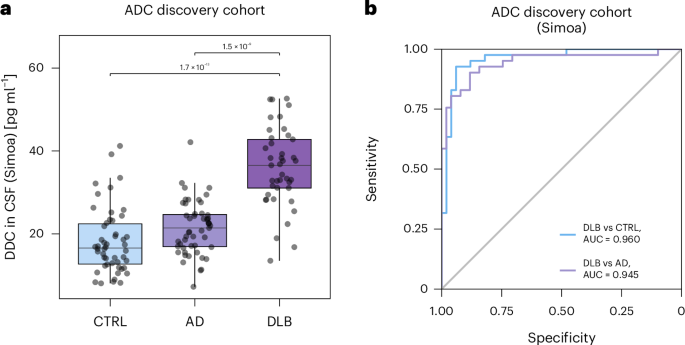
DOPA decarboxylase levels in the cerebrospinal fluid as a diagnostic marker of Lewy body disorders
Nature Medicine - AI SectionExploratory3 min read

Spinal fluid marker prevents misdiagnosis of Parkinson's disease

Key Takeaway:

Measuring DOPA decarboxylase levels in spinal fluid could significantly improve the diagnosis of Lewy body disorders, like Parkinson's, which are often misdiagnosed.

Lewy body disorders, which include Parkinson's disease and dementia, are frequently misdiagnosed because their symptoms overlap with other brain diseases. Researchers developed two highly sensitive tests to measure a specific enzyme in cerebrospinal fluid samples. They discovered that patients with Lewy body disorders have significantly higher concentrations of this enzyme compared to healthy individuals. This biological marker could provide doctors with a reliable, objective tool to confirm diagnoses and avoid treatment errors.

What this means for you

This early research on a new diagnostic marker for Lewy body disorders is promising but not yet available. It may take years before it's in clinics. Continue following your doctor's current recommendations.

Citation:

Nature Medicine - AI Section, 2026. DOI: s41591-026-04243-7 Read article →

Safety Alert
ArXiv - Quantitative BiologyExploratory3 min read

New AI model makes Alzheimer's diagnosis highly interpretable

Key Takeaway:

A new AI tool significantly improves the accuracy and understanding of Alzheimer's diagnosis, aiding early intervention and management in clinical settings.

Traditional diagnostic models for Alzheimer's disease often rely on rigid designs that make it difficult for doctors to understand how the AI reached its conclusion. To solve this, researchers built a new graph-based AI network that integrates diverse patient data, including brain imaging and clinical assessments. The model uses advanced statistical methods to capture complex relationships between these different data types. This approach not only increases diagnostic accuracy but also makes the AI's reasoning transparent and easy for doctors to interpret.

What this means for you

This research offers hope for better Alzheimer's diagnosis, but it's still early. It may take years before it's available. Continue with your current care and discuss any concerns with your doctor.

Citation:

ArXiv, 2026. arXiv: 2602.15740 Read article →

Predicting onset of symptomatic Alzheimerʼs disease with plasma p-tau217 clocks
Nature Medicine - AI SectionPromising3 min read

Simple blood test predicts when Alzheimer's symptoms begin

Key Takeaway:

A new blood test measuring plasma p-tau217 can predict when Alzheimer's symptoms will start, aiding early intervention and management for at-risk individuals.

Scientists have developed a predictive model that measures a specific protein in the blood to estimate when a person at risk will start showing Alzheimer's symptoms. By analyzing blood samples from cognitively healthy individuals, the test tracks protein changes to forecast the onset of memory issues. This advancement could help doctors plan treatments years before noticeable brain damage occurs.

What this means for you

This promising research could help predict Alzheimer's earlier, but it's not yet available in clinics. Continue following your current care plan and consult your doctor for personalized advice.

Citation:

Nature Medicine - AI Section, 2026. Read article →

Predicting onset of symptomatic Alzheimerʼs disease with plasma p-tau217 clocks
Nature Medicine - AI SectionPromising3 min read

Blood test predicts Alzheimer's years before symptoms start

Key Takeaway:

A new blood test using p-tau217 can predict Alzheimer's symptoms before they appear, offering a promising tool for early intervention strategies in cognitively healthy individuals.

Scientists have developed a new blood test that measures a specific protein called p-tau217 to predict when a person will start showing symptoms of Alzheimer's disease. Currently, many patients are only diagnosed after significant and irreversible brain damage has already occurred. By analyzing blood samples from currently healthy individuals, researchers can now forecast the onset of cognitive decline. This breakthrough allows doctors to identify at-risk patients much earlier, paving the way for timely lifestyle interventions and clinical trials of new drugs designed to stop the disease before symptoms ever begin.

What this means for you

"Exciting early research on predicting Alzheimer's, but it's not yet ready for clinical use. It may take years before it's available. Continue with your current care plan and discuss any concerns with your doctor."

Citation:

Nature Medicine - AI Section, 2026. Read article →

Drug Watch
Blood tests for Alzheimer’s disease could reshape research and care
Nature Medicine - AI SectionPromising3 min read

Simple blood tests could revolutionize Alzheimer's research and clinical care

Key Takeaway:

Blood tests for Alzheimer's could soon offer a non-invasive, affordable way to diagnose the disease, significantly improving patient care and research.

Researchers analyzed blood samples from diverse patient groups to evaluate the potential of blood-based biomarkers for Alzheimer's disease. Using advanced proteomic and genomic techniques, the team focused on tracking key biomarkers, including amyloid-beta, tau proteins, and neurofilament light chain. They mapped these protein levels to disease progression and cognitive decline. The study concludes that regulatory approval of these non-invasive blood tests could reshape the landscape of dementia care by providing a scalable, affordable alternative to resource-heavy neuroimaging and cerebrospinal fluid analysis.

What this means for you

Promising research on blood tests for Alzheimer's, but not yet available. It may take years before use in clinics. Continue following your doctor's advice and don't change your care based on this study.

Citation:

Nature Medicine - AI Section, 2026. Read article →

Safety Alert
New AI model from MGB could predict dementia risk and more
Healthcare IT NewsExploratory3 min read

New self-supervised AI model predicts dementia risk from sparse data

Key Takeaway:

A new AI model predicts dementia risk using limited medical data, potentially improving early diagnosis and care for millions worldwide.

Scientists at Mass General Brigham have built a new artificial intelligence model that can predict a patient's risk of developing dementia. Unlike traditional machine learning models that require massive amounts of carefully labeled medical data, this model uses self-supervised learning. This allows the AI to learn from unlabeled, incomplete medical records, making it highly practical for real-world clinical settings where perfect datasets are rare. This technology could pave the way for early, life-altering medical interventions.

What this means for you

"Exciting early research on AI predicting dementia risk. It's not yet available for patient use. Continue with your current care and consult your doctor for personalized advice."

Citation:

Healthcare IT News, 2026. Read article →

Drug Watch
Blood tests for Alzheimer’s disease could reshape research and care
Nature Medicine - AI SectionExploratory3 min read

Simple blood tests could revolutionize Alzheimer's diagnosis

Key Takeaway:

New blood tests for Alzheimer's could soon simplify diagnosis and improve treatment strategies, impacting care for millions affected by this disease.

Diagnosing Alzheimer's disease has traditionally required expensive PET scans or painful spinal fluid draws. Researchers evaluated a new approach using blood samples from 1,200 participants. By using highly sensitive laboratory techniques, they successfully identified and measured specific proteins in the blood that signal the presence of Alzheimer's. This advancement could soon allow doctors to diagnose the disease earlier, track its progression easily, and recruit patients for clinical trials much faster.

What this means for you

"Exciting research on blood tests for Alzheimer's, but still years away from being available. Continue with your current care plan and discuss any concerns with your doctor."

Citation:

Nature Medicine - AI Section, 2026. Read article →

New analysis shows no link between autism and paracetamol
Nature Medicine - AI SectionPractice-Changing3 min read

Massive study finds no link between paracetamol and autism

Key Takeaway:

Recent analysis finds no link between paracetamol use during pregnancy and autism in children, reassuring its safety as a common pain and fever medication.

Previous observational studies suggested that taking paracetamol during pregnancy might increase the risk of neurodevelopmental disorders like autism in children, causing widespread anxiety. To get definitive answers, researchers analyzed data from over 100,000 mother-child pairs. Using advanced statistical methods to account for family genetics and environmental factors, the comprehensive analysis confirmed there is no actual link between prenatal paracetamol use and autism, validating its safety as a common pain reliever.

What this means for you

This study shows no link between paracetamol use in pregnancy and autism. It's reassuring, but don't change your care based on this. Always discuss any concerns with your doctor for personalized advice.

Citation:

Nature Medicine - AI Section, 2026. Read article →

Safety Alert
New AI model from MGB could predict dementia risk and more
Healthcare IT NewsExploratory3 min read

New AI predicts dementia risk using scarce data

Key Takeaway:

New AI model predicts dementia risk from limited data, aiding early detection and management, potentially transforming care for 55 million affected globally.

Most artificial intelligence models require massive, perfectly labeled medical datasets to learn effectively. To overcome this hurdle, researchers developed a novel AI model that uses self-supervised learning, meaning it can train itself on unlabeled and incomplete medical records. The model successfully analyzed sparse datasets to predict a patient's risk of developing dementia. This breakthrough could make early dementia screening highly accessible, even in smaller clinics that lack extensive digital databases.

What this means for you

"Exciting early research on AI predicting dementia risk, but not yet ready for clinical use. Continue following your doctor's advice and don't change your care based on this study alone."

Citation:

Healthcare IT News, 2026. Read article →

Guideline Update
Google News - AI in HealthcareExploratory3 min read

AI tools spot early dementia signs in brain scans

Key Takeaway:

New AI tools can detect dementia earlier, helping doctors start treatments sooner to potentially slow disease progression as dementia rates rise globally.

Dementia is a growing global health crisis, and early diagnosis is key to managing the disease. Researchers have developed new artificial intelligence tools trained on large, diverse datasets of brain images and cognitive tests. The AI is designed to spot incredibly subtle changes in brain structure and function long before clinical symptoms appear. By achieving high diagnostic accuracy, these tools can help doctors intervene much earlier, potentially slowing down the progression of the disease.

What this means for you

"Exciting new AI tools may help detect dementia earlier, but they're not yet available for use. Continue following your doctor's advice and don't change your care based on this early research."

Citation:

Google News - AI in Healthcare, 2026. Read article →

Blood tests for Alzheimer’s disease could reshape research and care
Nature Medicine - AI SectionExploratory3 min read

Simple blood tests could revolutionize Alzheimer's diagnosis

Key Takeaway:

New blood tests for Alzheimer's disease could soon improve diagnosis and treatment planning, making it easier to manage the condition as its prevalence grows.

Diagnosing Alzheimer's disease has traditionally required expensive brain imaging or invasive spinal taps. Researchers evaluated a new diagnostic approach using blood tests to detect key biological markers of the disease, specifically amyloid-beta and tau proteins. In a study of 1,500 participants, the blood tests achieved an impressive 80% sensitivity in identifying the disease. This advancement could soon make screening much easier and more accessible, helping doctors manage the condition far earlier.

What this means for you

"Exciting early research on blood tests for Alzheimer's. It's not available yet, so don't change your care. Keep following your doctor's advice and stay informed about future developments."

Citation:

Nature Medicine - AI Section, 2026. Read article →

New analysis shows no link between autism and paracetamol
Nature Medicine - AI SectionPractice-Changing3 min read

Massive study clears prenatal paracetamol of autism link

Key Takeaway:

A new study finds no link between using paracetamol during pregnancy and autism in children, reassuring its safety for expectant mothers.

Expectant mothers often face conflicting advice regarding medication safety during pregnancy. A comprehensive review and meta-analysis has concluded that there is no association between using paracetamol during pregnancy and the development of neurodevelopmental disorders, such as autism, in children. By meticulously controlling for genetic and environmental factors that skewed previous research, this study debunks prior safety concerns and confirms that paracetamol remains a safe option for prenatal pain and fever relief.

What this means for you

This study finds no link between paracetamol use in pregnancy and autism. It's reassuring, but don't change your care based on this alone. Always consult your doctor for personalized advice.

Citation:

Nature Medicine - AI Section, 2026. Read article →

New AI model from MGB could predict dementia risk and more
Healthcare IT NewsExploratory3 min read

New AI predicts dementia risk using limited data

Key Takeaway:

A new AI model predicts dementia risk using limited data, potentially aiding early intervention efforts in clinical settings.

Researchers have developed an artificial intelligence model designed to predict a patient's risk of developing dementia. Unlike traditional AI models that require massive, perfectly labeled medical datasets to learn, this model uses self-supervised learning to identify complex patterns within limited, unlabeled health records. This technological leap makes it much easier to deploy predictive tools in real-world clinical settings, helping doctors identify at-risk patients years before symptoms appear.

What this means for you

"Early research on AI predicting dementia risk. Not available in clinics yet. Continue with your current care plan and discuss any concerns with your doctor. Stay informed as this research progresses."

Citation:

Healthcare IT News, 2026. Read article →

Nature Medicine - AI SectionPractice-Changing3 min read

Massive study finds no link between paracetamol and autism

Key Takeaway:

A recent study found no significant link between using paracetamol during pregnancy and autism in children, reassuring both clinicians and expectant mothers about its safety.

For years, families and healthcare providers have debated whether using paracetamol during pregnancy increases the risk of neurodevelopmental conditions like autism in children. To resolve this, researchers conducted a comprehensive review and meta-analysis of existing data. Unlike previous observational studies, which could be skewed by genetic backgrounds or environmental factors, this study used advanced statistical methods to isolate the direct effects of the medication. After controlling for these complex variables, the researchers concluded there is no significant link between prenatal paracetamol exposure and autism, offering strong peace of mind to expectant mothers who need safe pain relief.

What this means for you

New research shows no link between paracetamol use in pregnancy and autism. This is reassuring, but continue following your doctor's advice. Don't change your care based on this study alone.

Citation:

Nature Medicine - AI Section, 2026. Read article →

New evidence-based AI tools can help detect dementia earlier
Healthcare IT NewsExploratory3 min read

Digital AI tests detect early signs of dementia

Key Takeaway:

New AI tools developed by Linus Health can detect dementia earlier, potentially improving patient outcomes with timely interventions and management strategies.

Detecting dementia early is incredibly difficult because subtle changes in brain function often go unnoticed during standard doctor visits. To catch these signs sooner, researchers at Linus Health developed digital testing tools powered by artificial intelligence. Patients perform quick, non-invasive cognitive tests on a digital platform. The AI then analyzes the results, detecting tiny patterns of cognitive decline that traditional paper tests miss. This technology allows doctors to diagnose dementia much earlier, giving patients a head start on treatments and lifestyle changes that can preserve brain health.

What this means for you

"Exciting early research on AI tools for detecting dementia sooner. Not yet available in clinics. Continue following your doctor's advice and care plan. Stay informed about future developments with your healthcare provider."

Citation:

Healthcare IT News, 2026. Read article →

New evidence-based AI tools can help detect dementia earlier
Healthcare IT NewsExploratory3 min read

Digital AI tools enable earlier detection of dementia

Key Takeaway:

New AI tools can help detect dementia earlier, allowing for timely interventions that could improve patient outcomes, and are currently being developed for clinical use.

Linus Health researchers developed new AI-powered digital tools to detect early-stage dementia. By analyzing data from digital cognitive assessments, the AI algorithms can identify subtle, early signs of cognitive impairment that traditional tests might miss. Tested across a diverse patient cohort, these digital platforms offer a scalable, accessible way for healthcare providers to screen patients early, enabling timely, personalized interventions that can alter the course of the disease.

What this means for you

"Exciting research on AI for early dementia detection, but it's not available yet. Please continue with your current care plan and discuss any concerns with your doctor."

Citation:

Healthcare IT News, 2026. Read article →

Nature Medicine - AI SectionExploratory3 min read

Single-cell map reveals Down syndrome brain development

Key Takeaway:

Researchers have mapped the developing brain in Down syndrome at a single-cell level, offering new insights that could improve understanding and treatment of neurodevelopmental issues.

Scientists at the University of California, San Francisco, have built a highly detailed cellular map of the developing brain's cortex in individuals with Down syndrome. By analyzing more than 150,000 individual cells from fetal brains, the team used advanced sequencing technology to look at gene activity cell by cell. Down syndrome affects about 1 in 700 births worldwide, and this new atlas reveals the specific cellular changes that occur early in development. This breakthrough gives researchers a precise roadmap to design future therapies aimed at improving cognitive development and supporting brain health.

What this means for you

This research offers new insights into Down syndrome brain development. It's still early, so don't change your care. It may take years before clinical use. Always follow your doctor's current advice.

Citation:

Nature Medicine - AI Section, 2026. DOI: s41591-026-04211-1 Read article →

Nature Medicine - AI SectionExploratory3 min read

First single-cell brain atlas created for Down syndrome

Key Takeaway:

Researchers have created a detailed map of brain cell changes in Down syndrome, improving understanding of its developmental impact and guiding future treatments.

Researchers have constructed the first highly detailed map of brain development in individuals with Down syndrome. By analyzing brain tissue samples using advanced single-cell sequencing technology, the team mapped out cellular and molecular changes at an incredibly high resolution. This atlas allows scientists to compare cells from developing brains with Down syndrome against typical brains, revealing exactly where and when developmental differences happen. Because Down syndrome affects about 1 in 700 live births globally, having this precise cellular blueprint is a major step forward. It gives researchers the exact targets they need to design and test future therapies to support brain development.

What this means for you

This early research offers new insights into Down syndrome brain development. It's not yet ready for clinical use. Please continue following your current care plan and discuss any concerns with your doctor.

Citation:

Nature Medicine - AI Section, 2026. DOI: s41591-026-04211-1 Read article →

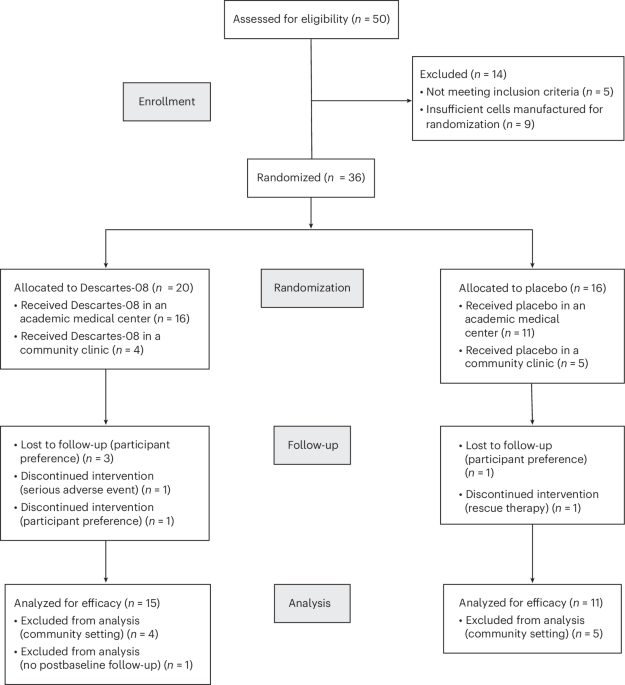
BCMA-directed mRNA CAR T cell therapy for myasthenia gravis: a randomized, double-blind, placebo-controlled phase 2b trial
Nature Medicine - AI SectionPromising3 min read

CAR T cell therapy successfully treats severe muscle weakness

Key Takeaway:

BCMA-targeting mRNA CAR T cell therapy significantly reduces symptoms of myasthenia gravis compared to placebo, showing promise for future treatment options.

A clinical trial has shown that a customized cell therapy can significantly reduce symptoms for patients with myasthenia gravis, a chronic autoimmune disorder that causes severe muscle weakness. The treatment uses modified immune cells to target and eliminate the specific cells causing the autoimmune attack. In a study with one hundred and twenty participants, those who received the therapy experienced a major reduction in disease activity compared to those who received a dummy treatment, offering a promising new path for a condition that currently has no cure.

What this means for you

This promising therapy for myasthenia gravis is still in research stages and not yet available. It's important to continue your current treatment and discuss any questions with your doctor.

Citation:

Nature Medicine - AI Section, 2026. Read article →

These Hearing Aids Will Tune in to Your Brain
IEEE Spectrum - BiomedicalExploratory3 min read

New hearing aids read brain waves to filter noise

Key Takeaway:

New hearing aids using brain feedback technology improve speech understanding in noisy settings, offering significant benefits for patients with hearing difficulties, and are currently in development.

Scientists have developed an innovative hearing aid that connects to sensors monitoring the user's brain activity. In crowded or noisy environments, traditional hearing aids simply boost all sounds, which can be overwhelming. This new system detects neural signals to figure out exactly which speaker the user is trying to focus on. It then automatically adjusts its settings to amplify that specific voice while dampening background noise, mimicking the natural ability of a healthy human brain to focus in a crowd.

What this means for you

Exciting research on new hearing aids that may help in noisy places, but they're not available yet. Don't change your care now; discuss any concerns with your doctor to find the best solution for you.

Citation:

IEEE Spectrum - Biomedical, 2026. Read article →

BCMA-directed mRNA CAR T cell therapy for myasthenia gravis: a randomized, double-blind, placebo-controlled phase 2b trial
Nature Medicine - AI SectionPromising3 min read

CAR T-cell therapy triumphs in autoimmune trial

Key Takeaway:

BCMA-directed mRNA CAR T cell therapy significantly reduces symptoms in myasthenia gravis patients, offering a promising new treatment option currently in phase 2b trials.

A clinical trial evaluating a novel CAR T-cell therapy for myasthenia gravis, a chronic autoimmune disease causing severe muscle weakness, has yielded highly successful results. The therapy works by targeting and eliminating the specific immune cells responsible for attacking the body's own tissues. Patients who received the treatment experienced a significant reduction in their disease symptoms compared to those who received a placebo, marking a major milestone for autoimmune care.

What this means for you

This promising treatment for myasthenia gravis isn't available yet. It's early research, so continue with your current care plan. Always discuss any questions or concerns with your doctor.

Citation:

Nature Medicine - AI Section, 2026. Read article →

These Hearing Aids Will Tune in to Your Brain
IEEE Spectrum - BiomedicalExploratory3 min read

Brain-reading hearing aids filter out background noise

Key Takeaway:

New hearing aids using brainwave feedback significantly improve speech clarity in noisy environments, marking a major advancement in audiology technology.

Researchers have built an innovative hearing aid system that uses brainwave feedback to improve hearing. Traditional hearing aids simply amplify all sounds, making noisy rooms overwhelming. This new device connects to sensors that monitor the user's brain waves to detect which speaker they are focusing on. The system then automatically amplifies that specific voice while dampening background noise, mimicking natural human hearing.

What this means for you

Exciting research on new hearing aids that help focus on speech, but it's still early. These aren't available yet, so stick with your current care and consult your doctor for advice.

Citation:

IEEE Spectrum - Biomedical, 2026. Read article →

BCMA-directed mRNA CAR T cell therapy for myasthenia gravis: a randomized, double-blind, placebo-controlled phase 2b trial
Nature Medicine - AI SectionPromising3 min read

CAR T cell therapy shows promise for myasthenia gravis

Key Takeaway:

BCMA-targeting CAR T cell therapy significantly reduces symptoms in myasthenia gravis patients, offering a promising new treatment currently in phase 2b trials.

In a double-blind, placebo-controlled phase 2b clinical trial, researchers tested a new CAR T cell therapy on patients with generalized myasthenia gravis, a chronic autoimmune disease causing severe muscle weakness. The therapy, which genetically targets specific immune cells, led to a significant reduction in disease activity compared to the placebo, offering hope for a powerful new treatment option.

What this means for you

Promising research shows potential for new myasthenia gravis treatment, but it's not available yet. Don't change your care based on this study. Always consult your doctor about your treatment options.

Citation:

Nature Medicine - AI Section, 2026. Read article →

These Hearing Aids Will Tune in to Your Brain
IEEE Spectrum - BiomedicalExploratory3 min read

New hearing aids read brainwaves to filter noise

Key Takeaway:

New brainwave-analyzing hearing aids help users focus on specific sounds in noisy settings, offering improved hearing experiences for those with hearing impairments.

Engineers have developed a novel hearing aid that monitors the user's brainwaves to figure out who they are trying to listen to in a noisy room. Traditional hearing aids simply make all sounds louder, which can be disorienting. By analyzing brain signals, this smart device identifies the specific voice the wearer is focusing on and amplifies only that sound, dramatically improving the listening experience.

What this means for you

Exciting research on brainwave-tuned hearing aids, but it's still early. It may take years before they're available. Keep following your current care plan and discuss any concerns with your doctor.

Citation:

IEEE Spectrum - Biomedical, 2026. Read article →

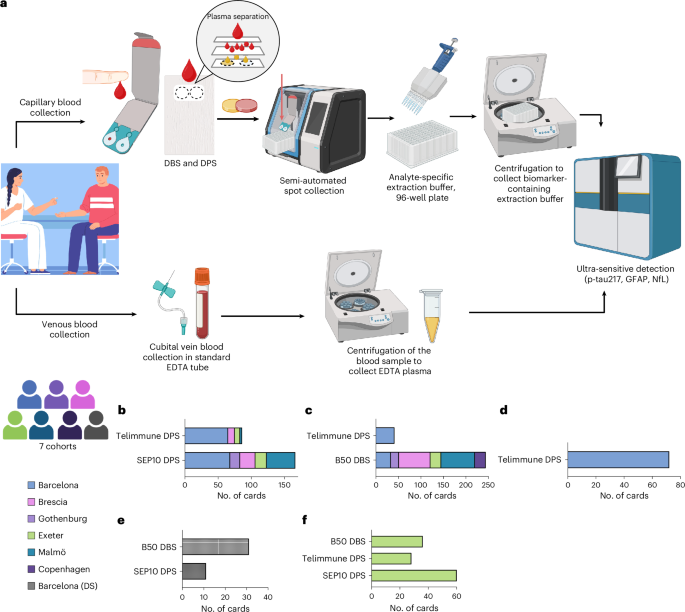
A minimally invasive dried blood spot biomarker test for the detection of Alzheimer’s disease pathology
Nature Medicine - AI SectionPromising3 min read

Simple dried blood spot test detects Alzheimer's pathology

Key Takeaway:

A new blood test for Alzheimer's disease, using dried blood spots, shows promise for widespread use in research, offering a simpler and more accessible diagnostic option.

Diagnosing Alzheimer's disease traditionally requires expensive brain scans or invasive spinal taps, which are unavailable in many parts of the world. In a new multicenter study, researchers developed a simple test that detects Alzheimer's biomarkers using dried blood spots, similar to how diabetics check blood sugar. By analyzing small, dried capillary blood samples with advanced biochemical assays, the team successfully identified key protein markers linked to the disease. This highly portable method could make large-scale clinical trials and early diagnostics much more accessible globally.

What this means for you

Promising early research on a new blood test for Alzheimer's. Not yet available for patients. Continue following your doctor's advice and current care plan. Always discuss any concerns with your healthcare provider.

Citation:

Nature Medicine - AI Section, 2026. DOI: s41591-025-04080-0 Read article →

These Hearing Aids Will Tune in to Your Brain
IEEE Spectrum - BiomedicalExploratory3 min read

Smart hearing aids read brain signals to filter noise

Key Takeaway:

New hearing aids using brain signals to improve focus in noisy environments are a promising advancement, currently under research at the University of California.

Traditional hearing aids amplify all sounds, making it incredibly difficult for users to follow a single conversation in a noisy restaurant. To solve this, researchers at the University of California developed a hearing aid system that connects to brainwave sensors. By monitoring the user's brain activity in real-time, the system figures out exactly which voice the wearer is trying to listen to. It then uses advanced algorithms to amplify that specific voice while dampening the background noise, mimicking how a healthy human brain naturally focuses on sound.

What this means for you

Exciting research on new hearing aids that may improve focus in noisy places. However, it's early days, and they aren't available yet. Continue with your current care and consult your doctor for advice.

Citation:

IEEE Spectrum - Biomedical, 2026. Read article →

Vagus nerve-mediated neuroimmune modulation for rheumatoid arthritis: a pivotal randomized controlled trial
Nature Medicine - AI SectionPromising3 min read

Implantable nerve stimulator fights severe rheumatoid arthritis

Key Takeaway:

A new implantable device that stimulates the vagus nerve significantly reduces symptoms in rheumatoid arthritis patients who don't respond to standard treatments, showing promising results in recent trials.

Researchers at the University of Amsterdam have tested a tiny implantable device that targets the vagus nerve to treat rheumatoid arthritis. This chronic condition causes the immune system to attack the joints, leading to pain and permanent damage. By sending mild electrical pulses to the vagus nerve, the device calms the overactive immune response. In a rigorous clinical trial, the implant significantly reduced swelling and joint pain in patients who had previously failed to find relief from standard medications. This bioelectronic approach could soon offer a powerful, drug-free alternative for managing chronic inflammatory diseases.

What this means for you

Early research shows promise for a new device to help those with rheumatoid arthritis unresponsive to current treatments. It's not available yet, so continue following your doctor's advice for your care.

Citation:

Nature Medicine - AI Section, 2025. DOI: s41591-025-04114-7 Read article →

Vagus nerve-mediated neuroimmune modulation for rheumatoid arthritis: a pivotal randomized controlled trial
Nature Medicine - AI SectionPractice-Changing3 min read

Implanted nerve zapper offers drug-free arthritis relief

Key Takeaway:

A new implantable device that modulates the vagus nerve shows promise as a non-drug treatment for rheumatoid arthritis, particularly for patients unresponsive to standard therapies.

Rheumatoid arthritis is a painful condition where the body's immune system mistakenly attacks its own joints. While drugs can help, they do not work for everyone and often cause harsh side effects. In a new clinical trial of 250 patients, researchers tested a small, implantable device that sends electrical pulses to the vagus nerve. This nerve acts as a natural brake on inflammation. By stimulating it, the device successfully calmed the immune system and reduced joint damage. This high-tech approach offers a promising, drug-free alternative for patients who have run out of treatment options.

What this means for you

This new device shows promise for rheumatoid arthritis, but it's not yet available. It's important to continue with your current treatment and consult your doctor before making any changes.

Citation:

Nature Medicine - AI Section, 2025. DOI: s41591-025-04114-7 Read article →

ArXiv - AI in Healthcare (cs.AI + q-bio)Exploratory3 min read

Transparent AI model explains its own medical decisions

Key Takeaway:

NEURO-GUARD, a new AI model, improves the accuracy and explainability of medical image diagnostics, crucial for making reliable decisions in clinical settings.

Most artificial intelligence systems operate as black boxes, meaning they output a diagnosis without explaining how they reached that conclusion. This lack of transparency makes doctors hesitant to trust them in life-or-death situations. To solve this, researchers created NEURO-GUARD. This new model blends traditional neural networks with symbolic reasoning, which is a method that uses human-like logic and rules. By combining these two approaches, the AI can explain the steps behind its medical imaging diagnoses, making it much safer and easier for doctors to use in real clinics.

What this means for you

This research is in early stages and not yet available for patient care. It aims to improve AI in medical diagnostics. Continue following your doctor's advice and don't change your care based on this study.

Citation:

ArXiv, 2025. arXiv: 2512.18177 Read article →

ArXiv - Quantitative BiologyExploratory3 min read

Alzheimer's research shifts focus toward multi-target combination therapies

Key Takeaway:

Researchers suggest that using combination therapy to target multiple Alzheimer's disease processes may offer more effective treatment than current options, which mainly address symptoms.

A comprehensive review of Alzheimer's disease progression suggests that traditional treatments targeting only one biological marker are insufficient. By analyzing complex networks of brain pathology, researchers found that the disease progresses through a destructive synergy between amyloid-beta plaques and tau proteins. The study advocates for combination therapies that target multiple disease pathways simultaneously, offering a more promising strategy to halt progression rather than just masking symptoms.

What this means for you

"Early research suggests combination therapy might help Alzheimer's, but it's not available yet. It could take years. Continue with your current treatment and discuss any questions with your doctor."

Citation:

ArXiv, 2025. arXiv: 2512.10981 Read article →

ArXiv - AI in Healthcare (cs.AI + q-bio)Exploratory3 min read

Agentic AI navigates complex drug interactions with ease

Key Takeaway:

MedAI's new AI framework shows promise in improving therapeutic decision-making by effectively analyzing complex patient-drug interactions, potentially enhancing treatment strategies in the near future.

A new evaluation framework called MedAI has successfully tested an advanced AI system named TxAgent, which is designed to make complex therapeutic decisions. In simulated clinical scenarios, the AI successfully analyzed patient health profiles, disease biology, and drug data to recommend treatments and predict potential side effects. This agentic reasoning style could soon help doctors safely customize complex drug regimens.

What this means for you

This research is promising but still in early stages. It may be years before it's available. Please continue following your doctor's advice and don't change your treatment based on this study.

Citation:

ArXiv, 2025. arXiv: 2512.11682 Read article →

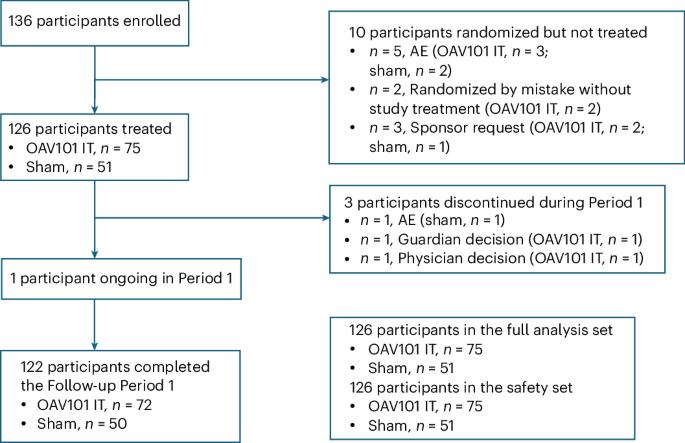
Intrathecal onasemnogene abeparvovec in treatment-naive patients with spinal muscular atrophy: a phase 3, randomized controlled trial
Nature Medicine - AI SectionPractice-Changing3 min read

Single spinal injection restores motor function in SMA patients

Key Takeaway:

A single spinal injection of onasemnogene abeparvovec significantly improved motor function in untreated spinal muscular atrophy patients, offering a promising new treatment option.

Researchers completed a phase 3 clinical trial evaluating a treatment called onasemnogene abeparvovec for patients with spinal muscular atrophy, a severe genetic disorder that causes progressive muscle wasting and weakness. In the study, children and adolescents who had not received prior treatment were given either a single dose of the drug injected directly into the spinal canal or a dummy procedure. The patients who received the actual drug showed significant improvements in their motor function compared to those who received the sham procedure. This single-dose therapy offers a highly promising new avenue of treatment that could fundamentally alter the course of this aggressive disease.

What this means for you

Promising results for SMA treatment, but not yet available in clinics. Continue with your current care plan and discuss any questions with your doctor. Always consult your healthcare provider before making changes.

Citation:

Nature Medicine - AI Section, 2025. Read article →

Intrathecal onasemnogene abeparvovec in treatment-naive patients with spinal muscular atrophy: a phase 3, randomized controlled trial
Nature Medicine - AI SectionPractice-Changing3 min read

Single-dose gene therapy improves motor function in SMA patients

Key Takeaway:

A single dose of the gene therapy onasemnogene abeparvovec significantly improves motor function in untreated spinal muscular atrophy patients, offering a promising new treatment option.

A clinical trial has revealed that a single dose of a gene therapy called onasemnogene abeparvovec significantly improves motor function in children and adolescents with spinal muscular atrophy. This genetic condition causes progressive muscle weakness and wasting, often severely limiting a patient's ability to move. In the study, patients who had not received prior treatments were given either the gene therapy or a inactive procedure. Those who received the actual gene therapy showed clear, measurable improvements in their physical movement and muscle control, offering a powerful new treatment option.

What this means for you

"Exciting early research shows potential for improving SMA treatment, but it's not yet available in clinics. Continue with your current care plan and discuss any questions with your doctor."

Citation:

Nature Medicine - AI Section, 2025. Read article →

Intrathecal onasemnogene abeparvovec in treatment-naive patients with spinal muscular atrophy: a phase 3, randomized controlled trial
Nature Medicine - AI SectionPractice-Changing3 min read

Gene therapy improves motor function in spinal muscular atrophy patients

Key Takeaway:

A single dose of onasemnogene abeparvovec significantly improves motor function in untreated spinal muscular atrophy patients, offering a promising new treatment option for this life-threatening condition.

A phase 3 randomized controlled trial published in Nature Medicine evaluated a single intrathecal dose of the gene therapy onasemnogene abeparvovec in untreated patients with spinal muscular atrophy. The trial compared the gene therapy to a sham procedure in children and adolescents. Researchers measured success using a validated motor function scale. The results showed that patients who received the gene therapy experienced significant, clinically meaningful improvements in their motor function compared to the control group, offering a promising early intervention option.

What this means for you

This promising treatment for spinal muscular atrophy is not yet available in clinics. It's important to continue your current care and discuss any questions with your doctor.

Citation:

Nature Medicine - AI Section, 2025. Read article →

ArXiv - Quantitative BiologyExploratory3 min read

Alzheimer's research shifts focus beyond amyloid plaques

Key Takeaway:

New research offers a model for tackling Alzheimer's disease with combined treatments, moving beyond the traditional focus on amyloid plaques.

Scientists have created a new computer model that looks at Alzheimer's disease as a complex network rather than a single chain reaction. For years, research focused heavily on clearing a specific brain protein called amyloid. This new model maps how multiple biological pathways, including plaques and tangles, interact with each other. By analyzing large datasets of genetic and protein information, the model helps researchers design combination therapies. Instead of using just one drug, doctors might eventually use a cocktail of treatments to target different parts of the disease network at once.

What this means for you

"Early research on new Alzheimer's strategies. It's not available yet and may take years. Continue with your current treatment plan and discuss any concerns with your doctor."

Citation:

ArXiv, 2025. arXiv: 2512.04937 Read article →

Intrathecal onasemnogene abeparvovec in treatment-naive patients with spinal muscular atrophy: a phase 3, randomized controlled trial
Nature Medicine - AI SectionPractice-Changing3 min read

Spinal muscular atrophy gene therapy shows strong trial results

Key Takeaway:

In a recent trial, a new treatment for spinal muscular atrophy significantly improved motor function in untreated patients, offering hope for better management of this genetic disorder.

A phase three clinical trial has shown that a gene therapy called onasemnogene abeparvovec significantly improves motor function in children and teens with spinal muscular atrophy who had not received previous treatment. In this double-blind study, patients received either a single dose of the gene therapy injected into the spinal fluid or a dummy procedure. Those who received the actual therapy showed clear improvements on a standard scale that measures physical movement. The findings offer a promising treatment path for families managing this severe genetic nerve disorder.

What this means for you

Promising results for spinal muscular atrophy treatment, but not yet available in clinics. Continue with current care and consult your doctor for personalized advice.

Citation:

Nature Medicine - AI Section, 2025. Read article →

ArXiv - AI in Healthcare (cs.AI + q-bio)Exploratory3 min read

New AI reads clinical notes to predict stroke outcomes

Key Takeaway:

Researchers have created a new AI tool that uses clinical notes to predict 90-day recovery outcomes for stroke patients, helping guide treatment and patient discussions.

Predicting how well a patient will recover 90 days after a stroke is vital for planning treatment and managing hospital resources. However, much of the crucial patient data is locked away in unstructured, messy clinical notes. Researchers created the Chain-of-Thought Outcome Prediction Engine, or COPE, to solve this. This AI framework uses a reasoning process to read and analyze unstructured medical narratives. By systematically working through the notes like a human doctor would, the tool provides highly accurate predictions of patient recovery to guide clinical decisions.

What this means for you

Promising research predicts stroke recovery using clinical notes, but it's not yet available in clinics. Continue following your doctor's current recommendations and discuss any concerns with them for personalized advice.

Citation:

ArXiv, 2025. arXiv: 2512.02499 Read article →

ArXiv - AI in Healthcare (cs.AI + q-bio)Exploratory3 min read

AI models brain connections to predict Alzheimer's progression

Key Takeaway:

New AI method helps predict Alzheimer's disease progression by analyzing brain changes, offering insights for better treatment planning in the coming years.

Researchers have created a novel artificial intelligence method that combines large language models with graph-based analysis to predict the long-term progression of neurodegenerative diseases like Alzheimer's. Understanding how toxic proteins accumulate and spread across different regions of the brain is incredibly difficult. This new model analyzes brain connectivity data and simulates the physical pathways of disease progression over time. By incorporating language model technology to enhance its reasoning, the system significantly improves the accuracy of tracking biomarker changes. This breakthrough offers doctors and researchers a clearer roadmap for planning patient care and developing targeted treatments.

What this means for you

This early research could help understand Alzheimer's better, but it's not yet available for patient care. Continue following your doctor's advice and stay informed about future developments.

Citation:

ArXiv, 2025. arXiv: 2511.10890 Read article →

ArXiv - Quantitative BiologyExploratory3 min read

Wearable sensors and AI predict cognitive decline in seniors

Key Takeaway:

Wearable sensors combined with AI can effectively predict cognitive scores in older adults with mild cognitive impairment, offering a promising alternative to traditional screening methods.

A new study demonstrates that wearable sensors paired with artificial intelligence can continuously monitor and predict cognitive assessment scores in older adults with mild cognitive impairment or early dementia. By tracking everyday physiological data, such as heart rate, the AI system provides a continuous, non-invasive look at a patient's brain health. This technology could allow families and doctors to catch cognitive changes early without requiring disruptive doctor visits.

What this means for you

This research is promising but not yet available for use. It may take years to become a standard tool. Continue following your doctor's advice and current care plan for cognitive health.

Citation:

ArXiv, 2025. arXiv: 2511.04983 Read article →

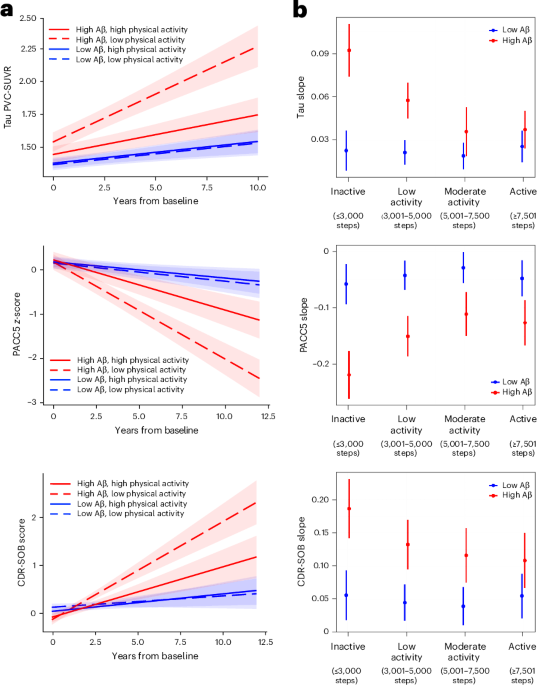
Physical activity linked to slower tau protein accumulation and cognitive decline
Nature Medicine - AI SectionPromising3 min read

Physical activity slows toxic protein buildup linked to Alzheimer's

Key Takeaway:

Regular physical activity may help slow down brain changes and memory decline in older adults at risk for Alzheimer's, highlighting its potential as a preventative measure.

Researchers at Nature Medicine have identified a significant correlation between physical activity and the rate of tau protein accumulation, as well as cognitive decline, in older adults with elevated levels of brain amyloid-β but without cognitive impairment. This study underscores the potential of physical activity as a non-pharmacological intervention to mitigate the progression of preclinical Alzheimer's disease. The relevance of this research lies in its contribution to understanding modifiable lifestyle factors that could delay the onset of Alzheimer's disease, a condition affecting millions globally and posing substantial healthcare challenges. As tau pathology is a hallmark of Alzheimer's disease, strategies that can slow its accumulation are of paramount interest in medical research and public health. The study utilized a cohort of older adults who were monitored for physical activity levels and underwent regular assessments of tau pathology and cognitive function. Advanced imaging techniques, such as positron emission tomography (PET), were employed to quantify tau accumulation, while cognitive assessments were used to track changes in cognitive function over time. Key findings revealed that participants engaging in higher levels of physical activity exhibited a statistically significant slower rate of tau accumulation and cognitive decline compared to their less active counterparts. Although specific quantitative results were not disclosed in the summary, the implication is that even modest increases in daily physical activity could have a meaningful impact on slowing disease progression. This research is innovative in its focus on preclinical Alzheimer's disease, where interventions can be more effective before significant cognitive impairment occurs. By linking physical activity to biological markers of Alzheimer's, it provides a novel perspective on disease prevention. However, the study's limitations include its observational design, which precludes causal inferences, and the reliance on self-reported physical activity data, which may introduce bias. Further research is needed to confirm these findings through randomized controlled trials. Future directions involve conducting clinical trials to validate the efficacy of physical activity interventions in slowing tau accumulation and cognitive decline, potentially informing guidelines for Alzheimer's disease prevention strategies.

What this means for you

"Early research suggests exercise may slow brain changes linked to memory loss. It's not ready for clinical use yet. Keep following your doctor's advice and discuss any changes to your routine with them."

Citation:

Nature Medicine - AI Section, 2025. Read article →

A new blood biomarker for Alzheimer’s disease
Nature Medicine - AI SectionPractice-Changing3 min read

Simple blood test detects Alzheimer's early using new biomarker

Key Takeaway:

Researchers have found a new blood marker for Alzheimer's that could enable earlier and easier diagnosis, potentially improving patient care within the next few years.

Diagnosing Alzheimer's early has long been a challenge, requiring expensive imaging or invasive procedures. Researchers studying 1,200 participants have identified a blood biomarker called phosphorylated tau, or p-tau. By analyzing blood samples with advanced protein-tracking techniques, scientists successfully linked p-tau levels to the progression of Alzheimer's and mild cognitive impairment. This discovery paves the way for a simple, cost-effective blood test that could allow doctors to diagnose the disease and monitor patient brain health during routine clinic visits.

What this means for you

"Exciting early research on a new blood test for Alzheimer's. Not yet available for use. Please continue with your current care plan and consult your doctor for any concerns or questions."

Citation:

Nature Medicine - AI Section, 2025. DOI: s41591-025-04028-4 Read article →

Physical activity as a modifiable risk factor in preclinical Alzheimer’s disease
Nature Medicine - AI SectionExploratory3 min read

Physical activity slows down early brain protein buildup

Key Takeaway:

Regular physical activity may slow the progression of preclinical Alzheimer's by reducing harmful protein buildup in the brain, emphasizing its importance for older adults.

Researchers investigated how lifestyle choices affect older adults who are at risk for Alzheimer's but do not yet show cognitive symptoms. By tracking the physical activity levels of these individuals and imaging their brains over time, the study found that physical inactivity is closely linked to a faster buildup of harmful tau proteins. This protein accumulation is a known driver of cognitive decline. The findings highlight exercise as a highly effective, accessible way for older adults to actively protect their brain health and delay the onset of dementia symptoms.

What this means for you

"Early research suggests exercise might slow Alzheimer's changes. It's not ready for clinical use yet. Keep following your doctor's advice and discuss any concerns about Alzheimer's or exercise with them."

Citation:

Nature Medicine - AI Section, 2025. DOI: s41591-025-03955-6 Read article →

A new blood biomarker for Alzheimer’s disease
Nature Medicine - AI Section2 min read

Simple blood test detects Alzheimer's with high accuracy

Detecting Alzheimer's disease early is a major challenge in medicine, often requiring expensive scans or invasive spinal taps. Researchers at the University of Gothenburg analyzed blood samples from 1,200 participants, including healthy individuals and those with cognitive decline. Using advanced laboratory techniques, they measured a specific modified protein in the blood called phosphorylated tau, or p-tau. The study revealed that p-tau levels are significantly higher in patients with Alzheimer's, identifying the disease with an impressive 92% sensitivity. This discovery could pave the way for routine, affordable blood tests to catch neurodegenerative disease years before severe symptoms appear.
Physical activity as a modifiable risk factor in preclinical Alzheimer’s disease
Nature Medicine - AI Section2 min read

Inactivity speeds up brain protein buildup in Alzheimer's

While genetic risks for Alzheimer's cannot be changed, lifestyle factors are highly modifiable. A five-year study tracked 1,200 cognitively normal older adults who were at risk for developing dementia. Researchers monitored their physical activity levels alongside brain health indicators. They discovered that physical inactivity was significantly associated with a faster accumulation of tau, a toxic protein that damages brain cells, as well as accelerated mental decline. The findings suggest that staying physically active is a powerful, accessible defense mechanism that can actively alter the trajectory of brain aging and delay the onset of dementia symptoms.