Mednosis LogoMednosis
Nov 9, 2025

Clinical Innovation: Week of November 09, 2025

10 research items

ArXiv - Quantitative BiologyExploratory3 min read

AI agent slashes cancer therapy design from twelve years to months

Key Takeaway:

New AI system speeds up CAR-T cancer therapy development by identifying targets and predicting side effects, potentially reducing timelines from 8-12 years.

Developing CAR-T cell therapies for cancer is a notoriously slow and expensive process, typically taking between 8 and 12 years. To solve this bottleneck, researchers created the Bio AI Agent, a system powered by large language models. This AI autonomously identifies viable therapy targets, predicts potential toxicities, and designs optimized molecular structures. By handling these complex steps in a unified digital workflow, the system aims to dramatically accelerate the development of personalized cancer treatments, potentially bringing therapies to patients in a fraction of the traditional time.

What this means for you

This research is promising but still in early stages. It may take years before it's available. Continue following your current treatment plan and consult your doctor for personalized advice.

Citation:

ArXiv, 2025. arXiv: 2511.08649 Read article →

A new blood biomarker for Alzheimer’s disease
Nature Medicine - AI SectionPractice-Changing3 min read

Simple blood test detects Alzheimer's early using new biomarker

Key Takeaway:

Researchers have found a new blood marker for Alzheimer's that could enable earlier and easier diagnosis, potentially improving patient care within the next few years.

Diagnosing Alzheimer's early has long been a challenge, requiring expensive imaging or invasive procedures. Researchers studying 1,200 participants have identified a blood biomarker called phosphorylated tau, or p-tau. By analyzing blood samples with advanced protein-tracking techniques, scientists successfully linked p-tau levels to the progression of Alzheimer's and mild cognitive impairment. This discovery paves the way for a simple, cost-effective blood test that could allow doctors to diagnose the disease and monitor patient brain health during routine clinic visits.

What this means for you

"Exciting early research on a new blood test for Alzheimer's. Not yet available for use. Please continue with your current care plan and consult your doctor for any concerns or questions."

Citation:

Nature Medicine - AI Section, 2025. DOI: s41591-025-04028-4 Read article →

Physical activity as a modifiable risk factor in preclinical Alzheimer’s disease
Nature Medicine - AI SectionExploratory3 min read

Physical activity slows down early brain protein buildup

Key Takeaway:

Regular physical activity may slow the progression of preclinical Alzheimer's by reducing harmful protein buildup in the brain, emphasizing its importance for older adults.

Researchers investigated how lifestyle choices affect older adults who are at risk for Alzheimer's but do not yet show cognitive symptoms. By tracking the physical activity levels of these individuals and imaging their brains over time, the study found that physical inactivity is closely linked to a faster buildup of harmful tau proteins. This protein accumulation is a known driver of cognitive decline. The findings highlight exercise as a highly effective, accessible way for older adults to actively protect their brain health and delay the onset of dementia symptoms.

What this means for you

"Early research suggests exercise might slow Alzheimer's changes. It's not ready for clinical use yet. Keep following your doctor's advice and discuss any concerns about Alzheimer's or exercise with them."

Citation:

Nature Medicine - AI Section, 2025. DOI: s41591-025-03955-6 Read article →

Monash project to build Australia's first AI foundation model for healthcare
Healthcare IT NewsExploratory3 min read

Australia builds its first national medical AI foundation model

Key Takeaway:

Monash University is developing Australia's first AI model to analyze large-scale patient data, potentially improving healthcare decision-making within the next few years.

Monash University researchers are developing Australia's first healthcare-specific AI foundation model. Backed by a prestigious medical fellowship, this initiative aims to build an AI capable of analyzing vast amounts of complex, multimodal patient data. Instead of looking at medical images, genetic codes, or clinical charts in isolation, this new model will synthesize all of these data sources at scale. This comprehensive approach is designed to help doctors make more accurate diagnoses and customize treatment plans for individual patient needs.

What this means for you

This AI healthcare model is in early research stages. It may take years to be available. Please continue with your current care and consult your doctor for any health decisions.

Citation:

Healthcare IT News, 2025. Read article →

Endotyping-informed therapy for patients with chest pain and no obstructive coronary artery disease: a randomized trial
Nature Medicine - AI SectionPractice-Changing3 min read

Tailored heart scans solve mysterious chest pain treatment gap

Key Takeaway:

Endotyping-informed therapy, guided by heart imaging, significantly improves outcomes for patients with chest pain but no blocked arteries, addressing a key treatment gap in cardiovascular care.

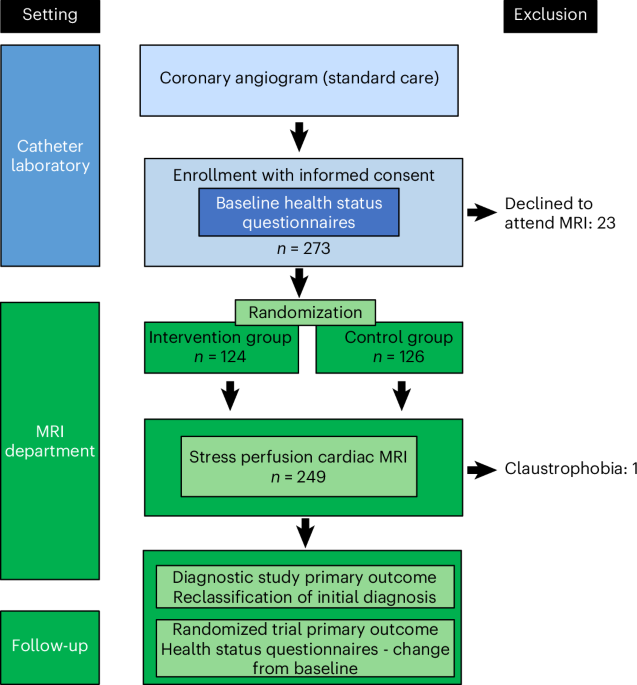
Many patients experience chest pain but show no blocked arteries during standard angiograms, leaving doctors without a clear treatment plan. To address this, researchers conducted a trial with 300 patients, splitting them into standard care or therapy guided by cardiovascular magnetic resonance imaging. This specialized imaging allowed doctors to pinpoint the precise underlying cause of the pain, such as microvascular issues. Patients who received this tailored, imaging-informed treatment experienced significantly better health outcomes, proving that precise testing leads to better recovery.

What this means for you

This research shows promise for chest pain treatment without artery blockage, but it's not yet available. It's important to continue with your current care and consult your doctor for personalized advice.

Citation:

Nature Medicine - AI Section, 2025. DOI: s41591-025-04044-4 Read article →

Google News - AI in HealthcareExploratory3 min read

FDA reviews generative AI chatbots for treating clinical depression

Key Takeaway:

The FDA is exploring AI therapy chatbots as a promising new tool for treating depression, potentially offering support to millions affected by this condition.

The FDA's Digital Health Advisory Committee has formally evaluated the use of generative AI chatbots to deliver therapy to patients suffering from depression. With hundreds of millions of people affected by depressive disorders worldwide, traditional therapy resources are heavily strained. The committee reviewed AI models designed to simulate human conversation and deliver cognitive behavioral therapy. By assessing how well these chatbots engage users and personalize their responses, the FDA is exploring whether automated tools can safely expand access to mental health support.

What this means for you

Early research shows AI chatbots may help with depression, but they're not available yet. Don't change your treatment based on this. Always consult your doctor about your care.

Citation:

Google News - AI in Healthcare, 2025. Read article →

ArXiv - AI in Healthcare (cs.AI + q-bio)Exploratory3 min read

New AI screens social media to flag mental health struggles

Key Takeaway:

Researchers have developed an AI tool that accurately identifies mental health issues like depression and anxiety from social media posts, potentially aiding early diagnosis and intervention.

Researchers have developed multiMentalRoBERTa, an AI model trained to identify specific mental health conditions from the text of social media posts. The system is trained on a dataset of online posts to distinguish between stress, anxiety, depression, PTSD, suicidal ideation, and casual conversation. By accurately classifying these text-based signs of distress, the AI tool aims to assist in the early detection of mental health struggles, allowing healthcare providers and support networks to step in with timely resources and interventions.

What this means for you

This early research shows promise in identifying mental health issues via social media. It's not clinic-ready yet. Continue following your current care plan and discuss any concerns with your doctor.

Citation:

ArXiv, 2025. arXiv: 2511.04698 Read article →

Reimagining cybersecurity in the era of AI and quantum
MIT Technology Review - AIExploratory3 min read

AI and quantum computing redefine hospital cybersecurity defenses

Key Takeaway:

AI and quantum technologies are set to significantly enhance healthcare cybersecurity, improving the protection of patient data in the coming years.

As healthcare systems rely more heavily on digital networks and electronic health records, they face increasingly sophisticated cyber threats. Researchers explored how artificial intelligence and quantum technologies are changing the landscape of digital security. While hackers can use AI to automate and speed up attacks, hospitals can deploy these same technologies to predict vulnerabilities and secure patient data. The study highlights the urgent need for medical institutions to upgrade their defensive frameworks to counter modern, automated digital threats.

What this means for you

This research on AI and quantum tech in cybersecurity is very early. It may take years to impact healthcare. Continue following your doctor's advice to protect your health and data.

Citation:

MIT Technology Review - AI, 2025. Read article →

The Complicated Reality of 3D Printed Prosthetics
IEEE Spectrum - BiomedicalExploratory3 min read

The complex reality behind 3D printed prosthetic limbs

Key Takeaway:

3D printed prosthetics offer affordable, customizable options but come with complex challenges, requiring careful consideration by clinicians and patients in their use.

A comprehensive analysis of 3D printing in the prosthetics industry has revealed a mix of major benefits and practical hurdles. On the positive side, 3D printing allows clinicians to create highly customized, low-cost prosthetic limbs for patients experiencing limb loss. However, the study also highlights technical and economic challenges that manufacturers and patients face during long-term use. The findings suggest that while the technology is promising, healthcare providers must carefully weigh these practical limitations when prescribing 3D printed devices.

What this means for you

"3D printed prosthetics show promise but are still in early research stages. They aren't available in clinics yet. Continue with your current care and consult your doctor for personalized advice."

Citation:

IEEE Spectrum - Biomedical, 2025. Read article →

10 Outstanding Companies For Women’s Health
The Medical FuturistExploratory3 min read

Ten standout digital startups transforming women's healthcare

Key Takeaway:

Ten innovative companies are transforming women's health with new digital technologies, highlighting the growing importance of tailored healthcare solutions for women.

The femtech market is experiencing rapid growth as digital health tools are designed specifically for women's unique healthcare needs. A new evaluation highlighted ten outstanding companies leading this wave of innovation. These selected companies were analyzed based on their market presence, technological creativity, and potential to improve patient outcomes. By focusing on areas historically underrepresented in traditional medical research, these companies are using mobile apps, wearable devices, and personalized digital platforms to give women better control over their health.

What this means for you

"Exciting developments in women's health tech, but these innovations are still emerging. It may take time before they're widely available. Always consult your doctor before making changes to your health care routine."

Citation:

The Medical Futurist, 2025. Read article →

New to reading medical AI research? Learn how to interpret these studies →