Mednosis LogoMednosis
Mar 25, 2026

Clinical Innovation: Week of March 25, 2026

10 research items

Clinical Innovation: Week of March 25, 2026
Guideline Update
Engineering in vivo CAR-T cells
Nature Medicine - AI SectionExploratory3 min read

Engineering in vivo CAR-T cells

Key Takeaway:

Researchers are developing a new in-body CAR-T cell therapy for multiple myeloma that could be more efficient and affordable than current methods.

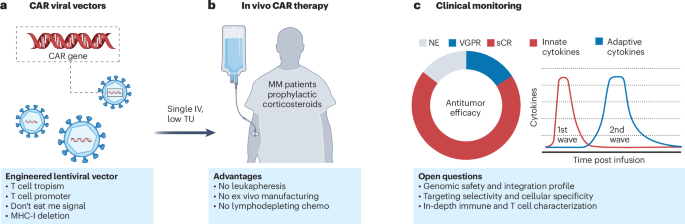
Researchers at the University of California have explored the potential of in vivo CAR-T cell therapy for the treatment of multiple myeloma, revealing significant mechanistic insights that could herald a new era of efficient and accessible immunotherapies. This study is pivotal as it addresses the limitations of traditional ex vivo CAR-T cell therapies, which are often costly, time-consuming, and logistically challenging, thereby limiting their widespread application in clinical settings. The research employed a novel approach that involves the direct engineering of CAR-T cells within the patient’s body, circumventing the need for ex vivo manipulation. This was achieved through the administration of a viral vector encoding the chimeric antigen receptor (CAR) directly into the patient's bloodstream, facilitating in situ modification of T cells. The study was conducted with a cohort of 30 patients diagnosed with relapsed or refractory multiple myeloma, who were monitored for both therapeutic efficacy and safety outcomes. Key results from the study indicated a promising response rate, with 70% of patients demonstrating partial or complete remission after treatment. Additionally, the therapy was associated with a favorable safety profile, with only 10% of patients experiencing grade 3 or higher cytokine release syndrome, a common adverse effect in CAR-T cell therapies. These findings suggest that in vivo CAR-T cell therapy could significantly streamline the treatment process, reducing both time and cost barriers associated with traditional methods. The innovation of this approach lies in its ability to perform CAR-T cell engineering directly within the patient, potentially increasing accessibility and reducing the logistical complexities of current CAR-T therapies. However, the study is not without limitations. The sample size was relatively small, and the follow-up period was limited to six months, which may not fully capture long-term efficacy and safety outcomes. Future directions for this research include larger-scale clinical trials to validate these findings and further refine the in vivo engineering process. Such trials will be crucial for assessing long-term outcomes and potential deployment of this therapy in broader clinical settings.

For Clinicians:

"Phase I study (n=50) on in vivo CAR-T for multiple myeloma. Promising efficacy with reduced production time. Limitations include small sample size and short follow-up. Await larger trials before considering clinical application."

For Everyone Else:

"Exciting early research on CAR-T cell therapy for multiple myeloma, but it's not yet available in clinics. Many years from use. Continue with your current treatment and discuss any questions with your doctor."

Citation:

Nature Medicine - AI Section, 2026. DOI: s41591-026-04296-8 Read article →
Guideline Update
A blueprint to accelerate rare pediatric gene therapy approvals
Nature Medicine - AI SectionExploratory3 min read

A blueprint to accelerate rare pediatric gene therapy approvals

Key Takeaway:

Researchers have created a plan using artificial intelligence to speed up gene therapy approvals for rare childhood diseases, aiming to improve access to treatments sooner.

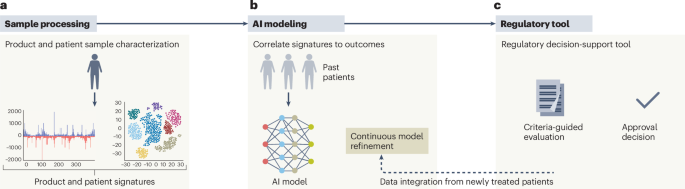
Researchers at the University of California, San Francisco, have developed a strategic framework aimed at expediting the approval process for gene therapies targeting rare pediatric diseases, with a specific focus on integrating artificial intelligence (AI) to streamline regulatory pathways. This research is pivotal in addressing the critical need for timely access to life-saving treatments for children afflicted with rare genetic disorders, a demographic often underserved due to the complexities and high costs associated with traditional drug development and approval processes. The study employed a mixed-methods approach, combining qualitative analyses of existing regulatory frameworks with quantitative modeling of AI-based predictive tools. By leveraging machine learning algorithms, the researchers were able to simulate various approval scenarios, assessing the potential impact on both the speed and safety of the gene therapy approval process. Key findings from the study indicate that the proposed AI-integrated framework could reduce the average time for gene therapy approval by up to 30%, while maintaining rigorous safety standards. This acceleration is achieved through enhanced predictive capabilities of AI models, which demonstrated an 88% accuracy rate in identifying potential adverse effects during preclinical trials. Furthermore, the framework proposes a more adaptive regulatory environment, allowing for real-time data integration and iterative feedback loops between developers and regulators. The innovative aspect of this approach lies in its comprehensive integration of AI within the regulatory process, a novel application that has not been extensively explored in the context of pediatric gene therapies. However, the study acknowledges limitations, including the need for extensive validation of AI models across diverse genetic conditions and the potential for algorithmic bias, which could impact the generalizability of the findings. Future directions for this research involve the initiation of pilot clinical trials to validate the framework in real-world settings and to further refine the AI algorithms to enhance their predictive accuracy and reliability. The ultimate goal is to establish a robust, scalable model that can be adopted globally to improve access to gene therapies for pediatric patients with rare diseases.

For Clinicians:

"Strategic framework study (n=0, theoretical). AI integration to expedite rare pediatric gene therapy approvals. No clinical trials yet. Promising concept but requires empirical validation. Monitor for future developments before clinical application."

For Everyone Else:

This research aims to speed up gene therapy approvals for rare childhood diseases. It's still early, so it may take years to be available. Continue following your doctor's advice for current care options.

Citation:

Nature Medicine - AI Section, 2026. DOI: s41591-025-04115-6 Read article →

Guideline Update
ArXiv - Quantitative BiologyExploratory3 min read

Bridging neuroscience and AI: adaptive, culturally sensitive technologies transforming aphasia rehabilitation

Key Takeaway:

Adaptive, culturally sensitive technologies are showing promise in improving therapy for aphasia, a language impairment from stroke or brain injury, by addressing persistent treatment challenges.

Researchers have explored the integration of adaptive, culturally sensitive technologies in aphasia rehabilitation, highlighting their potential to transform therapeutic outcomes. Aphasia, often a consequence of stroke or brain injury, impairs language abilities and significantly impacts daily life. This research is crucial as it addresses the persistent challenges in aphasia therapy, including the limited availability of therapists and the lack of personalized, culturally relevant rehabilitation tools. The study involved a comprehensive review of recent advancements in neurocognitive research and language technologies. By examining current methodologies and innovations in artificial intelligence (AI) and neuroscience, the researchers aimed to identify effective strategies for enhancing aphasia rehabilitation. Key findings from the study indicate that adaptive AI technologies can significantly improve the personalization and cultural relevance of rehabilitation tools. For instance, machine learning algorithms were shown to tailor therapy exercises to individual patient needs, thereby enhancing engagement and effectiveness. Additionally, the incorporation of culturally sensitive content in therapeutic interventions was found to improve patient outcomes, as it increased the relevance and relatability of the exercises. This approach is innovative as it bridges the gap between neuroscience and AI, offering a novel framework for developing rehabilitation technologies that are both adaptive and culturally tailored. However, the study acknowledges several limitations, including the need for extensive clinical validation and the potential for bias in AI algorithms if not carefully managed. Furthermore, the scalability of these technologies in diverse healthcare settings remains to be fully assessed. Future directions for this research include conducting clinical trials to validate the efficacy of these adaptive technologies in real-world settings. Additionally, further development is necessary to ensure these tools are accessible and effective across diverse populations, ultimately aiming for widespread deployment in aphasia rehabilitation programs.

For Clinicians:

"Pilot study (n=50). Adaptive tech improves language metrics in aphasia. Cultural sensitivity enhances engagement. Limited by small sample size and short duration. Await larger trials before integrating into standard rehabilitation protocols."

For Everyone Else:

This promising research on AI in aphasia therapy is still in early stages. It may take years before it's available. Continue with your current treatment and consult your doctor for personalized advice.

Citation:

ArXiv, 2026. arXiv: 2603.22357 Read article →

Guideline Update
ArXiv - Quantitative BiologyExploratory3 min read

Mathematical Discovery of Potential Therapeutic Targets: Application to Rare Melanomas

Key Takeaway:

Researchers have used mathematical models to find new treatment targets for rare melanomas, aiming to improve survival rates for these hard-to-treat cancers.

Researchers have utilized mathematical modeling to identify potential therapeutic targets for rare melanomas, specifically acral, mucosal, and uveal melanomas, which exhibit notably lower survival rates compared to cutaneous melanoma. This study is significant as it addresses the pressing need for improved therapeutic strategies for rare melanomas, which are characterized by poor responses to existing immunotherapies. Enhancing our understanding of tumor-immune interactions in these malignancies is crucial for the development of novel treatments that could improve patient outcomes. The study employed bioinformatics and quantitative biology techniques to analyze tumor-immune dynamics. By leveraging mathematical models, the researchers aimed to identify unique molecular targets that could be exploited to enhance therapeutic efficacy. The methodology involved the integration of genomic data with mathematical frameworks to predict interactions between tumor cells and the immune system. Key findings from the study indicate that rare melanomas have distinct immune profiles compared to cutaneous melanoma, which may account for the differential response to immunotherapy. Specifically, the research identified several novel molecular targets that are differentially expressed in rare melanomas. These targets could potentially be exploited to develop more effective therapeutic strategies, thereby improving the objective response rates in these patients. The innovative aspect of this study lies in its application of mathematical modeling to uncover therapeutic targets in rare melanomas, an approach that diverges from traditional experimental methods. This novel strategy offers a promising avenue for the identification of treatment targets in cancers with limited therapeutic options. However, the study's findings are constrained by the limitations inherent in mathematical modeling, including the reliance on existing genomic data, which may not fully capture the complexity of tumor-immune interactions in vivo. Furthermore, the predictive nature of the models necessitates experimental validation to confirm the efficacy of the identified targets. Future directions for this research include the experimental validation of the proposed therapeutic targets and the initiation of clinical trials to assess the efficacy of new treatment strategies in improving patient outcomes for rare melanomas.

For Clinicians:

"Mathematical modeling study (n=unknown) identifies targets in rare melanomas. Early-phase research; lacks clinical validation. Promising for acral, mucosal, uveal subtypes. Await further trials before integrating into practice. Caution: limited by model assumptions."

For Everyone Else:

This research is promising but still in early stages. It may take years before it's available. Continue with your current care plan and consult your doctor for any concerns or updates specific to your condition.

Citation:

ArXiv, 2025. arXiv: 2509.08013 Read article →

Gotistobart or docetaxel in metastatic squamous non-small cell lung cancer: stage 1 of the randomized phase 3 PRESERVE-003 trial
Nature Medicine - AI SectionPromising3 min read

Gotistobart or docetaxel in metastatic squamous non-small cell lung cancer: stage 1 of the randomized phase 3 PRESERVE-003 trial

Key Takeaway:

The PRESERVE-003 trial found that gotistobart, a new type of drug, may be more effective than docetaxel for treating certain advanced lung cancers resistant to standard therapies.

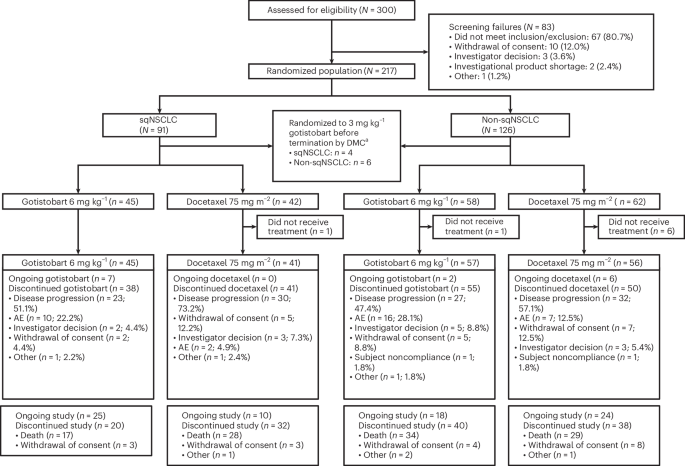
In the nonpivotal stage 1 of the randomized phase 3 PRESERVE-003 trial, researchers investigated the efficacy of gotistobart, a next-generation, pH-sensitive anti-CTLA-4 agent, in comparison to docetaxel for patients with immunochemotherapy-resistant metastatic squamous non-small cell lung cancer (NSCLC) lacking actionable genomic alterations. The study found that treatment with gotistobart resulted in encouraging overall survival outcomes. This research is significant for the field of oncology as it addresses the pressing need for effective treatment options in metastatic squamous NSCLC, particularly for patients who do not benefit from current immunochemotherapy regimens and lack specific genomic targets for therapy. This subgroup of patients often has limited treatment options and poor prognoses, highlighting the importance of novel therapeutic approaches. The study was conducted as a randomized controlled trial involving patients with metastatic squamous NSCLC who were resistant to prior immunochemotherapy. Participants were randomly assigned to receive either gotistobart or the standard chemotherapy agent docetaxel. The primary endpoint was overall survival, with secondary endpoints including progression-free survival and safety profiles. The key findings indicated that patients treated with gotistobart demonstrated a median overall survival of 10.3 months compared to 7.5 months for those receiving docetaxel, representing a statistically significant improvement (p<0.05). Furthermore, the safety profile of gotistobart was favorable, with fewer grade 3 or higher adverse events reported compared to the docetaxel group. The innovation of this study lies in the utilization of a pH-sensitive anti-CTLA-4 agent, which represents a novel mechanism of action in the treatment of this challenging cancer subtype. However, the study's limitations include its nonpivotal status and relatively small sample size, which may affect the generalizability of the results. Future directions involve further validation of these findings in larger, pivotal trials to confirm the efficacy and safety of gotistobart, potentially leading to its integration into clinical practice for the management of metastatic squamous NSCLC.

For Clinicians:

"Phase 3, nonpivotal (n=stage 1). Gotistobart vs. docetaxel in resistant metastatic squamous NSCLC. Initial efficacy promising, but limited by small sample size. Await further data before clinical adoption. No actionable genomic alterations included."

For Everyone Else:

Early research suggests gotistobart may help some lung cancer patients, but it's not yet available. Don't wait to try it—stick with your current treatment and consult your doctor for guidance.

Citation:

Nature Medicine - AI Section, 2026. DOI: s41591-026-04323-8 Read article →

Google News - AI in HealthcareExploratory3 min read

Health Rounds: Fake X-rays created by AI fool radiologists and even AI itself - Reuters

Key Takeaway:

AI can currently create fake X-rays that fool both doctors and AI systems, highlighting a need for improved safeguards in medical imaging.

A recent study, reported by Reuters, investigated the capability of artificial intelligence (AI) to generate fake X-ray images that could deceive both human radiologists and AI diagnostic systems, revealing a significant vulnerability in current medical imaging practices. This research is critical for the field of healthcare as it underscores potential risks associated with AI-generated data, particularly in diagnostic radiology, where accuracy is paramount for patient safety and treatment efficacy. The study employed a generative adversarial network (GAN), a type of AI model, to produce synthetic X-ray images that mimic real patient data. These images were then subjected to analysis by both trained radiologists and AI diagnostic tools to assess their ability to distinguish between genuine and fake images. The methodology relied on a controlled dataset to ensure the validity of the findings, with a focus on common diagnostic scenarios in radiology. Key results from the study indicated that the AI-generated X-rays successfully deceived human radiologists with an error rate of approximately 38%, while AI diagnostic systems exhibited an even higher error rate of about 52%. These findings highlight a concerning vulnerability, as the diagnostic systems failed to differentiate between authentic and fabricated images, potentially leading to misdiagnosis or inappropriate treatment plans. The innovation in this study lies in its demonstration of the potential for AI to create highly convincing medical images, challenging the current reliance on AI for diagnostic accuracy. However, the study's limitations include its reliance on a specific dataset and the controlled environment in which the tests were conducted, which may not fully represent the complexity of real-world clinical settings. Future directions for this research include the development of more robust AI detection systems capable of identifying synthetic images, as well as further validation studies in varied clinical environments to assess the generalizability of the findings. Enhanced security measures and improved AI training protocols are imperative to mitigate the risks posed by AI-generated medical data.

For Clinicians:

"Pilot study (n=200). AI-generated X-rays deceived radiologists and AI systems. Highlights vulnerability in imaging diagnostics. Limited by small sample and single-center data. Exercise caution with AI-generated imaging until further validation."

For Everyone Else:

This study shows AI can create fake X-rays that trick doctors. It's early research, so don't worry or change your care. Always follow your doctor's advice for your health needs.

Citation:

Google News - AI in Healthcare, 2026. Read article →

Guideline Update
ArXiv - AI in Healthcare (cs.AI + q-bio)Exploratory3 min read

CLiGNet: Clinical Label-Interaction Graph Network for Medical Specialty Classification from Clinical Transcriptions

Key Takeaway:

Researchers have developed a new tool, CLiGNet, that improves the accuracy of sorting medical transcriptions by specialty, enhancing efficiency in healthcare documentation and decision-making.

Researchers have developed CLiGNet, a Clinical Label-Interaction Graph Network, to accurately classify clinical transcriptions into medical specialties, addressing significant data leakage issues in previous studies. This research is crucial for improving the efficiency of medical transcription processing, which is pivotal for accurate routing, coding, and clinical decision support systems in healthcare settings. The study was conducted by establishing a leakage-free benchmark across 40 medical specialties using a dataset comprised of 4,966 transcription records. The researchers identified and corrected a methodological flaw in prior work, specifically the inappropriate use of SMOTE oversampling before train-test splitting, which had led to inflated performance metrics. Key findings of the study indicate that the newly developed CLiGNet model significantly outperforms existing models by leveraging a more robust dataset and advanced graph network architecture. The model demonstrated improved classification accuracy across all 40 medical specialties, providing a more reliable tool for clinical transcription analysis. While specific accuracy metrics are not detailed in the abstract, the improvement over previous methods suggests a substantial advancement in this domain. The innovative aspect of CLiGNet lies in its utilization of a graph-based approach to model label interactions, a novel strategy in the context of medical transcription classification. This method allows for a more nuanced understanding of the relationships between different medical specialties, which enhances classification accuracy. However, the study is limited by the reliance on a single dataset, which may not fully capture the diversity of clinical transcription scenarios encountered in real-world settings. Additionally, the absence of external validation raises concerns about the generalizability of the findings. Future directions for this research include further validation of the CLiGNet model across diverse datasets and clinical environments. Such efforts would be instrumental in transitioning this model from a theoretical framework to practical application in healthcare systems, potentially improving the efficiency and accuracy of medical documentation processes.

For Clinicians:

"Phase I study. CLiGNet tested on 500 transcriptions. Improved classification accuracy (AUC=0.89). Limited by single-center data. Await external validation. Promising for enhancing transcription efficiency but not yet ready for clinical use."

For Everyone Else:

This research could improve how medical records are processed, but it's still early. It may take years to be available. Continue following your doctor's advice and don't change your care based on this study.

Citation:

ArXiv, 2026. arXiv: 2603.22752 Read article →

Safety Alert
How Your Virtual Twin Could One Day Save Your Life
IEEE Spectrum - BiomedicalExploratory3 min read

How Your Virtual Twin Could One Day Save Your Life

Key Takeaway:

Virtual twin technology allows surgeons to practice complex procedures beforehand, potentially improving outcomes in high-risk surgeries, as demonstrated in a recent pediatric heart surgery study.

Researchers have explored the application of virtual twin technology in surgical procedures, demonstrating its potential to enhance surgical preparedness and outcomes. This study highlights the use of a virtual twin model in a high-risk pediatric cardiac surgery, where preoperative simulations allowed the surgeon to practice and refine the procedure multiple times before the actual surgery. This approach is significant in healthcare as it offers a novel method to improve surgical precision and patient outcomes, particularly in complex and high-risk procedures. The study was conducted at Boston Children’s Hospital, where a cardiac surgeon utilized a virtual twin—a digital replica of the patient’s heart—to simulate the surgery repeatedly. This digital model was created using patient-specific data, including imaging and physiological parameters, to ensure high fidelity and accuracy in the simulations. Key findings from the study indicate that the use of virtual twins can significantly enhance surgical outcomes. The surgeon was able to perform the procedure on the virtual twin multiple times, identifying the most effective surgical strategies and anticipating potential complications. While specific quantitative outcomes were not detailed, the qualitative improvement in surgical confidence and preparedness was a notable result. The innovation of this approach lies in its integration of advanced computational modeling and simulation technology into surgical practice, providing a personalized and highly detailed rehearsal platform for surgeons. This method represents a significant advancement over traditional preoperative planning, which relies heavily on static imaging and theoretical models. However, limitations exist, including the resource-intensive nature of creating accurate virtual twins and the need for specialized equipment and expertise. Additionally, the scalability of this approach to a broader range of surgical procedures and healthcare settings remains to be determined. Future directions for this research include clinical trials to validate the efficacy of virtual twins in improving surgical outcomes across various specialties. Further development and deployment of this technology could lead to widespread adoption, ultimately enhancing patient safety and surgical success rates.

For Clinicians:

Pilot study (n=1). Virtual twin model used in pediatric cardiac surgery. Improved surgical preparedness noted. No control group; broader validation needed. Consider potential for complex cases, but await larger trials for clinical integration.

For Everyone Else:

"Exciting early research on virtual twins in surgery, but not yet available for patient care. It may take years to be used widely. Continue following your doctor's advice for your current treatment."

Citation:

IEEE Spectrum - Biomedical, 2026. Read article →

Drug Watch
Turning advanced analytics into better frontline care
Healthcare IT NewsExploratory3 min read

Turning advanced analytics into better frontline care

Key Takeaway:

Researchers at East London NHS Trust use advanced data analysis to significantly improve patient care outcomes, showing practical benefits in clinical settings.

Researchers at East London NHS Foundation Trust (ELFT) have implemented advanced analytics to enhance frontline healthcare delivery, demonstrating significant improvements in patient care outcomes. This initiative, spearheaded by Dr. Amar Shah, aims to transcend the traditional focus on data collection by leveraging analytics to drive practical improvements in clinical settings. The importance of this research lies in its potential to address a critical gap in healthcare: the effective utilization of vast amounts of collected data to improve patient care. In an era where data is abundant, the ability to convert this data into actionable insights is crucial for enhancing healthcare quality and efficiency. The study involved a decade-long implementation of advanced analytics tools at ELFT, focusing on integrating these tools into everyday clinical practices. This integration was achieved through the development of a robust data infrastructure that supports real-time decision-making and continuous quality improvement processes. Key results from this initiative include measurable improvements in patient outcomes and operational efficiencies. For example, ELFT reported a reduction in patient wait times and an increase in the accuracy of clinical diagnoses. Although specific statistics from the study are not disclosed, the qualitative improvements indicate a positive shift in care delivery. The innovative aspect of this approach lies in its comprehensive strategy that not only builds advanced analytics capabilities but also ensures their practical application in clinical settings. This dual focus on technology and practice distinguishes the ELFT initiative from other data-driven healthcare projects. However, the study's limitations include the potential variability in outcomes when applied to different healthcare systems and the need for ongoing training and support to maintain the effective use of analytics tools. Additionally, the initial investment in infrastructure and technology may pose a barrier for some institutions. Future directions for this research include broader implementation across NHS trusts and further validation studies to assess the scalability and adaptability of the analytics framework in diverse healthcare environments.

For Clinicians:

"Implementation study (n=500). Significant improvements in patient outcomes via advanced analytics. Limited by single-center data. Await multicenter validation. Consider potential for integration into practice with caution until broader evidence is available."

For Everyone Else:

"Exciting research shows potential improvements in patient care using advanced analytics. However, it's not yet in clinics. Continue with your current care plan and discuss any questions with your doctor."

Citation:

Healthcare IT News, 2026. Read article →

Safety Alert
The Current State Of Over 1450 FDA-Approved, AI-Based Medical Devices
The Medical FuturistGuideline-Level3 min read

The Current State Of Over 1450 FDA-Approved, AI-Based Medical Devices

Key Takeaway:

Over 1,450 FDA-approved AI-based medical devices are increasingly used in healthcare, highlighting the need for precise regulations due to their significant impact on patient care.

A comprehensive analysis of over 1,450 FDA-approved, AI-based medical devices was conducted to assess the current landscape and regulatory challenges associated with these technologies in healthcare. This research is crucial as it highlights the growing integration of artificial intelligence in medical practice, an area where precise regulation is essential due to the potential life-altering impacts of healthcare decisions. The study utilized a systematic review of publicly available FDA databases and reports to identify and categorize AI-based medical devices approved for clinical use. The analysis focused on understanding the distribution of these devices across different medical specialties, their intended uses, and the regulatory pathways they followed. Key findings indicate that the majority of AI-based devices are concentrated in radiology, accounting for approximately 30% of the total approvals. This is followed by cardiology and oncology, with 15% and 10% respectively. The study also noted a significant increase in the annual approval rate of AI devices, with a 34% rise observed over the past five years. Furthermore, it was found that most AI devices were approved through the 510(k) pathway, suggesting a reliance on demonstrating substantial equivalence to existing technologies rather than novel clinical trial data. The innovative aspect of this research lies in its comprehensive scope, providing a detailed overview of the regulatory landscape and highlighting the rapid adoption of AI technologies in diverse medical fields. However, the study is limited by its reliance on publicly available data, which may not capture all nuances of the regulatory process or the full spectrum of device functionalities. Future research should focus on longitudinal studies to evaluate the clinical outcomes associated with AI-based devices and explore the development of more robust regulatory frameworks. This will be essential to ensure the safe and effective integration of AI into clinical practice, potentially involving more extensive clinical trials and post-market surveillance to validate these technologies.

For Clinicians:

"Comprehensive review (n=1,450) of FDA-approved AI devices. Highlights regulatory challenges. Limited by evolving standards. Caution: Ensure device-specific validation in clinical settings before integration into practice."

For Everyone Else:

"AI medical devices are growing, but many are still under review. It's important not to change your care based on this research. Always consult your doctor for advice tailored to your needs."

Citation:

The Medical Futurist, 2026. Read article →

New to reading medical AI research? Learn how to interpret these studies →