Mednosis LogoMednosis
Feb 13, 2026

Clinical Innovation: Week of February 13, 2026

10 research items

Clinical Innovation: Week of February 13, 2026
A short-acting psychedelic intervention for major depressive disorder: a phase IIa randomized placebo-controlled trial
Nature Medicine - AI SectionExploratory3 min read

DMT therapy offers rapid relief for major depression

Key Takeaway:

A single intravenous dose of DMT, a short-acting psychedelic, with psychological support, rapidly and sustainably reduces depression symptoms in adults with major depressive disorder, according to a recent trial.

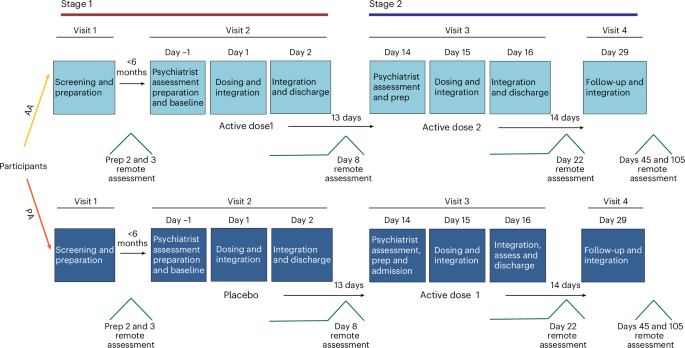
Researchers conducted a clinical trial with 60 adults suffering from major depressive disorder to test the effects of dimethyltryptamine, or DMT, which is a fast-acting psychedelic compound. Participants received a single intravenous dose of DMT alongside professional psychological support. The study found that this combination therapy led to rapid and long-lasting reductions in depressive symptoms. Because traditional antidepressants can take several weeks or months to work and often fail for many patients, this short-acting psychedelic approach represents a major breakthrough, offering a quick and sustained alternative for people struggling with severe, hard-to-treat depression.

What this means for you

This early research on DMT for depression shows promise, but it's not available in clinics yet. It's important to continue your current treatment and discuss any changes with your doctor.

Citation:

Nature Medicine - AI Section, 2026. Read article →
Predicting onset of symptomatic Alzheimerʼs disease with plasma p-tau217 clocks
Nature Medicine - AI SectionPromising3 min read

Blood test predicts Alzheimer's years before symptoms start

Key Takeaway:

A new blood test using p-tau217 can predict Alzheimer's symptoms before they appear, offering a promising tool for early intervention strategies in cognitively healthy individuals.

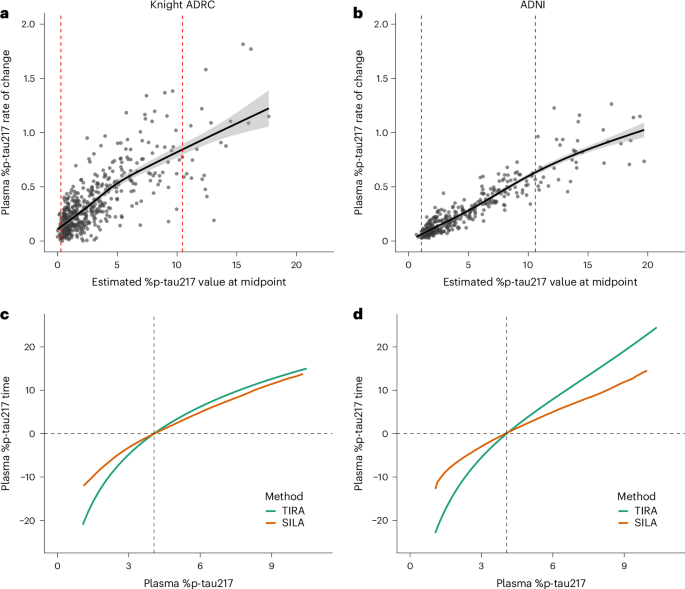
Scientists have developed a new blood test that measures a specific protein called p-tau217 to predict when a person will start showing symptoms of Alzheimer's disease. Currently, many patients are only diagnosed after significant and irreversible brain damage has already occurred. By analyzing blood samples from currently healthy individuals, researchers can now forecast the onset of cognitive decline. This breakthrough allows doctors to identify at-risk patients much earlier, paving the way for timely lifestyle interventions and clinical trials of new drugs designed to stop the disease before symptoms ever begin.

What this means for you

"Exciting early research on predicting Alzheimer's, but it's not yet ready for clinical use. It may take years before it's available. Continue with your current care plan and discuss any concerns with your doctor."

Citation:

Nature Medicine - AI Section, 2026. Read article →
Guideline Update
Nature Medicine - AI SectionExploratory3 min read

New framework pushes for diverse clinical trial participation

Key Takeaway:

A new framework called "Inclusion by Design" aims to ensure diverse participation in clinical trials, improving their relevance and effectiveness for all patient groups.

Researchers have introduced a new system called "Inclusion by Design" to ensure that clinical trials recruit a truly diverse group of participants. Historically, medical research has relied on narrow patient demographics, which means the resulting drugs and treatments might not work as intended for people of different ethnicities, ages, or backgrounds. This new framework builds equity directly into the design and rules of clinical trials. By making representation trackable and auditable, the system aims to make medical research more accurate, reliable, and beneficial for all patient populations.

What this means for you

"Early research on improving diversity in clinical trials. It may take years to implement. Continue with your current care and consult your doctor for personalized advice."

Citation:

Nature Medicine - AI Section, 2026. Read article →

PD-1 blockade reprograms antiviral immunity and reduces the HIV reservoir
Nature Medicine - AI SectionExploratory3 min read

Cancer immunotherapy successfully reduces hidden HIV reservoirs

Key Takeaway:

Blocking PD-1, a protein that weakens immune response, can reduce hidden HIV levels and improve immune function in patients with HIV and cancer, offering a new treatment avenue.

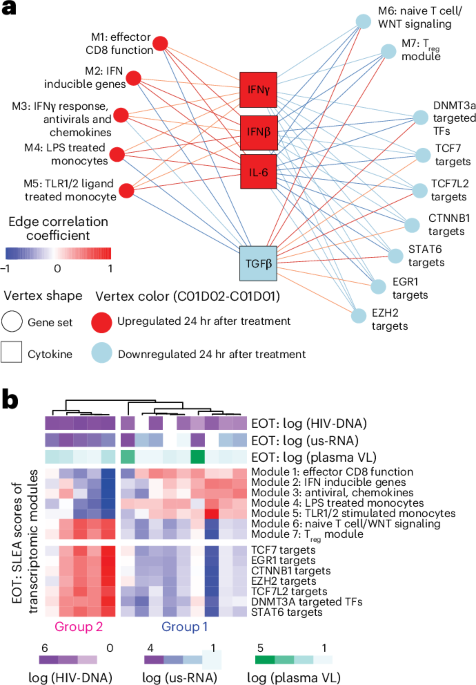
Patients living with HIV must take daily medication because the virus hides in inactive reservoirs that the immune system cannot see. Researchers studying HIV patients undergoing cancer treatment discovered that a therapy called PD-1 blockade, which boosts the immune system to fight cancer, also helps target these hidden viral reservoirs. The therapy reprogrammed the patients' immune systems, triggering a strong antiviral response that successfully reduced the amount of dormant HIV in the body. This finding opens up a promising new strategy for eradicating hidden HIV and moving closer to a true cure.

What this means for you

This early research shows potential in reducing HIV, but it's not yet available in clinics. It may take years before use. Continue following your doctor's advice and current treatment plan.

Citation:

Nature Medicine - AI Section, 2026. DOI: s41591-025-04152-1 Read article →

Safety Alert
ArXiv - Quantitative BiologyExploratory3 min read

MEmilio software simulates pandemic spread with high precision

Key Takeaway:

The new MEmilio software allows for faster and more accurate simulations of infectious disease spread, aiding public health responses to epidemics and pandemics.

Researchers have built a high-performance simulation software named MEmilio to model how infectious diseases spread. In the past, health officials had to use fragmented, incompatible software programs to look at different aspects of an epidemic, such as local community spread versus national travel patterns. MEmilio combines these different modeling methods into one unified platform. This allows scientists to run highly detailed, fast simulations of disease outbreaks, giving governments and public health agencies the precise data they need to plan lockdowns, distribute vaccines, and respond effectively to future pandemics.

What this means for you

This software is in early research stages and not yet available for public use. It aims to improve epidemic response. Continue following your doctor's advice and stay informed about future updates.

Citation:

ArXiv, 2026. arXiv: 2602.11381 Read article →

Google News - AI in HealthcareExploratory3 min read

Agentic AI is transforming hospital and health plan operations

Key Takeaway:

Agentic AI is transforming healthcare by improving decision-making and patient outcomes, making it essential for hospitals and health plans to adopt these technologies soon.

A review of modern healthcare systems highlights the rise of "agentic AI," which refers to artificial intelligence programs designed to act independently to complete complex medical and administrative tasks. Unlike basic AI tools that simply answer questions, agentic AI can make decisions, coordinate care, and manage administrative workflows without constant human supervision. Hospitals and insurance plans using these systems report improved operational efficiency and better patient outcomes. As healthcare demands increase, adopting these autonomous digital assistants is becoming essential for medical organizations to keep up with costs and workloads.

What this means for you

This AI research is promising but still in early stages. It may take years to be available. Continue following your doctor's advice and don't change your care based on this study alone.

Citation:

Google News - AI in Healthcare, 2026. Read article →

Guideline Update
ArXiv - AI in Healthcare (cs.AI + q-bio)Exploratory3 min read

New AI model improves brain tumor detection and survival predictions

Key Takeaway:

A new AI model improves brain tumor detection and survival predictions, potentially aiding precise treatment planning for glioma patients.

Scientists have developed an advanced artificial intelligence model designed to analyze brain scans of patients with gliomas, a highly variable type of brain tumor. The AI uses a specialized deep learning architecture that combines three different viewing angles of the brain to capture detailed spatial context. This allows the model to precisely map the boundaries of the tumor and extract key features that help doctors predict patient survival rates. By providing highly accurate tumor maps and prognosis data, this technology helps neurosurgeons plan safer, more effective surgeries and customize post-operative treatments.

What this means for you

This research is promising but still in early stages. It may take years before it's available. Please continue following your doctor's current recommendations and discuss any concerns with them.

Citation:

ArXiv, 2026. arXiv: 2602.15067 Read article →

Safety Alert
Tomorrow’s Smart Pills Will Deliver Drugs and Take Biopsies
IEEE Spectrum - BiomedicalExploratory3 min read

Tiny electronic pill delivers medicine and takes biopsies

Key Takeaway:

MIT and Brigham researchers have created a small electronic pill that can deliver drugs and take biopsies in the gut, potentially transforming diagnosis and treatment within a few years.

Engineers have created a high-tech electronic capsule, smaller than a standard multivitamin, that patients can swallow. As the pill travels autonomously through the digestive tract, it can deliver targeted doses of medication directly to diseased areas. Simultaneously, the capsule is equipped with microscopic tools and sensors that allow it to assess tissue health and even collect physical tissue biopsies from the gut wall. This innovation could soon offer a painless, non-invasive alternative to traditional procedures like endoscopies and CT scans, making early detection of gastrointestinal diseases and cancers much easier.

What this means for you

Exciting research on a tiny pill that delivers medicine and checks tissue health. It's still in early stages, so it won't be available soon. Keep following your doctor's current advice for your care.

Citation:

IEEE Spectrum - Biomedical, 2026. Read article →

Leveraging AI to predict patient deterioration
Healthcare IT NewsExploratory3 min read

Predictive AI spots patient deterioration before emergencies happen

Key Takeaway:

AI tools can now predict patient deterioration, allowing for earlier interventions and potentially improving outcomes in healthcare settings.

Researchers have developed a machine learning system designed to predict when a hospitalized patient's health is about to take a turn for the worse. The AI constantly analyzes data from electronic health records, including real-time vital signs, lab test results, and patient demographics. By comparing these variables against a massive historical database, the model can spot subtle patterns of decline that humans might miss. This early warning system allows nurses and doctors in busy hospital wards to intervene hours before a patient experiences a critical medical emergency, significantly improving survival rates.

What this means for you

This AI research is promising but still in early stages. It may take years before it's available. Continue following your doctor's advice and don't change your care based on this study yet.

Citation:

Healthcare IT News, 2026. Read article →

Drug Watch
Gene Therapy’s Giant Leap: From Rare Conditions To Common Cures
The Medical FuturistExploratory3 min read

Gene therapy expands from rare diseases to common cures

Key Takeaway:

Gene therapy, initially for rare disorders, is now advancing to treat common diseases like cancer and infections, potentially transforming treatment options in the coming years.

Gene therapy has historically been reserved for treating rare, single-gene genetic disorders that affect small numbers of people. However, a new analysis of recent clinical trials and technological progress shows that gene therapy is undergoing a massive expansion. Researchers are now successfully adapting these genetic tools to target much more common and widespread health conditions, including various forms of cancer and infectious diseases. This shift from niche treatments to mainstream medicine has the potential to completely revolutionize how we treat some of the world's most common and deadly illnesses.

What this means for you

Exciting research on gene therapy shows promise for common diseases, but it's still early. It may take years to become available. Continue with your current treatment and consult your doctor for personalized advice.

Citation:

The Medical Futurist, 2026. Read article →

New to reading medical AI research? Learn how to interpret these studies →