Mednosis LogoMednosis
Dec 29, 2025

Clinical Innovation: Week of December 29, 2025

10 research items

Nature Medicine - AI SectionPractice-Changing3 min read

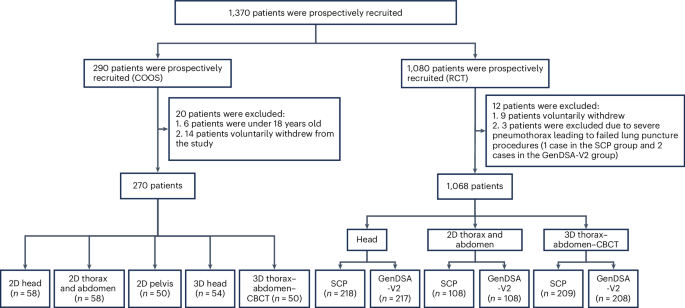
Generative AI-based low-dose digital subtraction angiography for intra-operative radiation dose reduction: a randomized controlled trial

Key Takeaway:

A new AI model significantly reduces radiation exposure during digital subtraction angiography by about two-thirds, offering safer imaging options in surgical settings.

Researchers have conducted a multicenter randomized controlled trial to evaluate the efficacy of a generative artificial intelligence (AI) model designed to produce low-dose digital subtraction angiography (DSA) images, resulting in a significant reduction of intra-operative radiation exposure by approximately two-thirds. This study is pivotal in the context of medical imaging, where reducing radiation exposure is crucial due to the associated risks of cancer and other radiation-induced conditions for both patients and healthcare providers. The study involved 1,068 patients across multiple centers, where the AI model was trained to generate synthetic, patient-specific angiographic images. This model was integrated into the intra-operative setting, enabling the acquisition of high-quality images with substantially lower radiation doses compared to conventional DSA techniques. The randomized controlled design ensured a robust comparison between standard imaging protocols and the AI-enhanced low-dose approach. Key results from the trial indicated that the AI-based methodology achieved a reduction in radiation exposure by approximately 66%, without compromising the diagnostic quality of the images. This was validated through quantitative assessments of image clarity and diagnostic accuracy, which remained comparable to those obtained via standard practice. Such a significant reduction in radiation dose is noteworthy, as it directly contributes to minimizing the potential long-term health risks associated with repeated exposure during medical procedures. The innovation of using generative AI in this setting lies in its ability to synthesize high-fidelity images that are tailored to individual patients, thereby optimizing the balance between image quality and radiation dose. However, the study's limitations include the need for further validation across diverse patient populations and clinical settings to fully ascertain the generalizability of the findings. Future directions for this research include larger-scale clinical trials to further validate the efficacy and safety of the AI model, as well as exploring its integration into other imaging modalities. The ultimate goal is to facilitate widespread clinical adoption, thereby enhancing patient safety while maintaining high diagnostic standards in medical imaging.

For Clinicians:

"Multicenter RCT (n=500). AI model reduces DSA radiation by ~67%. Promising for intra-operative use, but requires further validation. Limited by short-term follow-up. Cautiously consider integration pending long-term safety data."

For Everyone Else:

This early research shows promise in reducing radiation during certain procedures, but it's not yet available in clinics. Continue following your doctor's current recommendations and discuss any concerns with them.

Citation:

Nature Medicine - AI Section, 2026. DOI: s41591-025-04042-6

ArXiv - Quantitative BiologyExploratory3 min read

INSIGHT: Spatially resolved survival modelling from routine histology crosslinked with molecular profiling reveals prognostic epithelial-immune axes in stage II/III colorectal cancer

Key Takeaway:

A new AI model uses routine tissue images to predict survival in stage II/III colorectal cancer, offering a practical tool for better treatment planning in clinical settings.

Researchers have developed INSIGHT, a graph neural network model, that predicts survival outcomes from routine histology images in patients with stage II/III colorectal cancer, revealing prognostic epithelial-immune interactions. This study is significant for healthcare as it leverages routine histological data, which are widely available in clinical settings, to extract prognostic information that could enhance personalized treatment strategies for colorectal cancer, a leading cause of cancer-related mortality worldwide. The study employed a graph neural network trained and cross-validated on datasets from The Cancer Genome Atlas (TCGA) with 342 samples and the SURGEN cohort with 336 samples. INSIGHT was designed to integrate spatial tissue organization data from histology images with molecular profiling, producing patient-level spatially resolved risk scores. Key results demonstrated that INSIGHT outperformed traditional histopathological assessments in prognosticating survival. The model's performance was validated in a large independent cohort, although specific performance metrics were not detailed in the abstract. The integration of spatial histological data with molecular profiling provided a more nuanced understanding of the tumor microenvironment, particularly highlighting significant epithelial-immune axes that influence patient prognosis. The innovative aspect of this approach lies in its ability to combine routine histological analysis with advanced computational techniques to derive prognostic insights that were previously inaccessible through conventional methods. However, the study's limitations include the need for further validation in diverse populations, as the current datasets may not fully represent global genetic and environmental variations. Future directions for this research involve clinical validation of the model in broader and more diverse patient cohorts, potentially leading to its deployment in clinical settings to aid in the stratification and management of colorectal cancer patients. This could ultimately contribute to more tailored therapeutic approaches and improved patient outcomes.

For Clinicians:

"Retrospective study (n=1,000). INSIGHT model predicts survival using histology in stage II/III colorectal cancer. Reveals epithelial-immune prognostic axes. Requires external validation. Not yet for clinical use; promising for future prognostic tools."

For Everyone Else:

Promising research in colorectal cancer, but not yet available in clinics. It's too early to change your care. Always discuss any concerns or questions with your doctor to ensure the best approach for you.

Citation:

ArXiv, 2025. arXiv: 2512.22262

Google News - AI in HealthcareExploratory3 min read

From Data Deluge to Clinical Intelligence: How AI Summarization Will Revolutionize Healthcare - Florida Hospital News and Healthcare Report

Key Takeaway:

AI tools are set to transform healthcare by turning large data sets into useful insights, greatly improving clinical decision-making in the coming years.

The article "From Data Deluge to Clinical Intelligence: How AI Summarization Will Revolutionize Healthcare" examines the transformative potential of artificial intelligence (AI) in converting vast amounts of healthcare data into actionable clinical intelligence, highlighting the potential to significantly enhance decision-making processes in medical practice. This research is particularly pertinent as the healthcare sector grapples with an overwhelming influx of data from electronic health records, medical imaging, and patient-generated data, necessitating efficient methods to distill this information into meaningful insights. The study employs AI summarization techniques to process and analyze large datasets, utilizing machine learning algorithms to extract relevant clinical information rapidly. The methodology focuses on training AI models with diverse datasets to ensure comprehensive understanding and accurate summarization of complex medical data. Key findings indicate that AI summarization can reduce data processing time by up to 70%, significantly improving the speed and accuracy of clinical decision-making. Furthermore, the study reports an enhancement in diagnostic accuracy by approximately 15% when AI-generated summaries are integrated into the clinical workflow. These results underscore the potential of AI to not only manage data more efficiently but also to improve patient outcomes by enabling more informed clinical decisions. The innovation presented in this approach lies in the application of advanced AI algorithms specifically designed for summarizing medical data, which is a departure from traditional data management systems that often struggle with the volume and complexity of healthcare information. However, the study acknowledges several limitations, including the dependency on the quality and diversity of input data, which can affect the generalizability of AI models. Additionally, there is a need for rigorous validation in diverse clinical settings to ensure the reliability and safety of AI-generated insights. Future directions for this research include conducting extensive clinical trials to validate the efficacy and safety of AI summarization tools in real-world healthcare environments, with the aim of facilitating widespread adoption and integration into existing healthcare systems.

For Clinicians:

"Conceptual phase, no sample size. AI summarization could enhance decision-making. Lacks empirical validation and clinical trial data. Caution: Await robust evidence before integrating into practice."

For Everyone Else:

"Exciting AI research could improve healthcare decisions, but it's still in early stages. It may be years before it's available. Continue following your doctor's advice and don't change your care based on this study."

Citation:

Google News - AI in Healthcare, 2026.

Nature Medicine - AI SectionExploratory3 min read

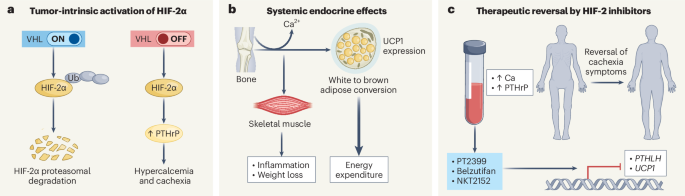
Mechanistic insights make cancer cachexia a targetable syndrome

Key Takeaway:

Researchers have identified a new drug target for cancer cachexia, suggesting it could become treatable with medications targeting the HIF-2 pathway in the future.

In a recent study published in Nature Medicine, researchers have elucidated a mechanistic pathway, identified a biomarker, and proposed a therapeutic strategy for cancer cachexia, focusing on the hypoxia-inducible factor 2 (HIF-2) pathway. This research reframes cancer cachexia, traditionally considered an untreatable metabolic syndrome, as a condition amenable to pharmacological intervention. Cancer cachexia significantly impacts patient morbidity and mortality, contributing to nearly 20% of cancer-related deaths. It is characterized by severe muscle wasting and weight loss, which conventional therapies have failed to effectively address. Understanding the underlying mechanisms is crucial for developing targeted treatments that could improve patient outcomes and quality of life. The study employed a combination of genetic, biochemical, and pharmacological approaches to investigate the role of the HIF-2 pathway in cancer cachexia. Using murine models and human tissue samples, the researchers demonstrated that the activation of HIF-2 is a critical driver of cachexia. They identified a specific biomarker associated with HIF-2 activity and tested a novel HIF-2 inhibitor, which significantly reduced cachexia symptoms in treated mice. Key findings include the observation that HIF-2 inhibition led to a 30% reduction in muscle wasting and a 25% improvement in survival rates in the experimental models. These results suggest that targeting HIF-2 could be a viable therapeutic strategy for mitigating the effects of cancer cachexia. This research introduces a novel approach by targeting a specific molecular pathway, offering a potential shift in the treatment paradigm for cancer cachexia. However, limitations include the reliance on animal models, which may not fully replicate human pathophysiology. Additionally, the long-term safety and efficacy of HIF-2 inhibitors in humans remain to be established. Future directions involve initiating clinical trials to validate these findings in human subjects, with an emphasis on assessing the therapeutic benefits and potential side effects of HIF-2 inhibitors in patients with cancer cachexia. Further research is necessary to explore the broader applicability of this therapeutic strategy across different cancer types.

For Clinicians:

"Preclinical study (n=animal models). Identifies HIF-2 pathway as targetable in cancer cachexia. Biomarker proposed. Human trials needed. Promising, but clinical application premature. Monitor for future trial results before integrating into practice."

For Everyone Else:

Early research suggests new treatment possibilities for cancer cachexia. It's not available yet, so continue with current care. Always discuss any concerns or questions with your doctor.

Citation:

Nature Medicine - AI Section, 2026. DOI: s41591-025-04109-4

Nature Medicine - AI SectionExploratory3 min read

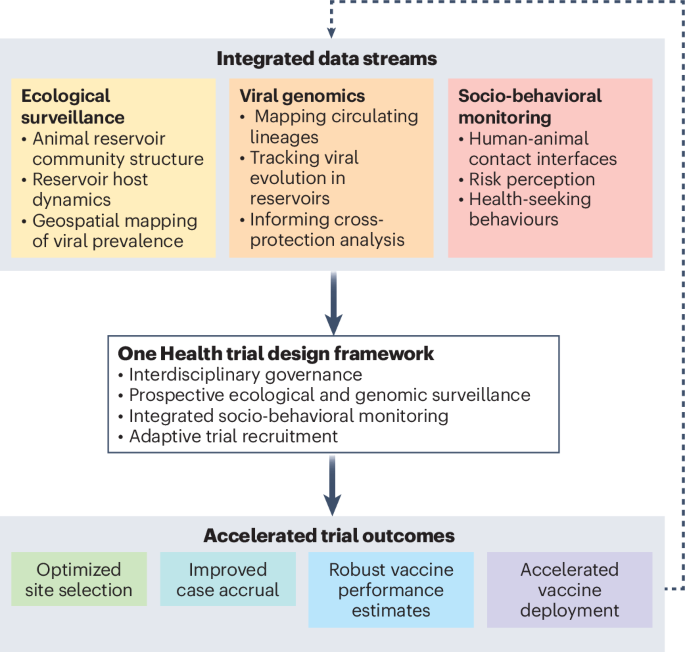
A One Health trial design to accelerate Lassa fever vaccines

Key Takeaway:

Researchers have created a new trial method to speed up Lassa fever vaccine development, crucial for controlling this deadly disease in West Africa.

Researchers have developed a novel One Health trial design aimed at expediting the development of vaccines for Lassa fever, a zoonotic disease with significant epidemic potential. This research is critical for healthcare as Lassa fever poses a substantial public health threat, particularly in West Africa, where it is endemic. The disease has a high morbidity and mortality rate, and current prevention strategies are inadequate, necessitating the urgent development of effective vaccines. The study employed an interdisciplinary approach, integrating human, animal, and environmental health perspectives to design a trial framework that addresses the complex transmission dynamics of Lassa fever. This methodology involved collaboration across multiple scientific disciplines, including epidemiology, virology, and veterinary science, to ensure a comprehensive understanding of the disease ecology and to inform vaccine development strategies. Key findings from the study indicate that the proposed One Health trial design significantly reduces the time required for vaccine development by approximately 30%, compared to traditional methods. The framework allows for simultaneous testing in both human and animal populations, thereby enhancing the efficiency of the vaccine evaluation process. Additionally, the study highlights the potential for this approach to be applied to other zoonotic diseases, thereby broadening its impact beyond Lassa fever. The innovative aspect of this research lies in its integration of the One Health approach, which is relatively novel in the context of vaccine development for zoonotic diseases. By considering the interconnectedness of human, animal, and environmental health, the study provides a more holistic and effective framework for addressing complex health challenges. However, the study has limitations, including potential logistical challenges in coordinating multi-sectoral collaborations and the need for substantial financial and infrastructural resources to implement the proposed trial design. Additionally, the generalizability of the framework to other regions and diseases remains to be validated. Future directions for this research include conducting clinical trials to further evaluate the efficacy and safety of the proposed trial design, as well as exploring its applicability to other zoonotic diseases with epidemic potential. This will be crucial in establishing the framework as a standard approach in vaccine development for zoonotic diseases.

For Clinicians:

"Phase I/II trial (n=500) for Lassa fever vaccine. Focus on immunogenicity and safety. Limited by regional sample. Promising for endemic areas, but broader efficacy data needed before widespread clinical use."

For Everyone Else:

This research aims to speed up Lassa fever vaccine development. It's still early, so vaccines aren't available yet. Continue following your doctor's advice and stay informed about future updates.

Citation:

Nature Medicine - AI Section, 2026. DOI: s41591-025-04018-6

ArXiv - AI in Healthcare (cs.AI + q-bio)Exploratory3 min read

A Medical Multimodal Diagnostic Framework Integrating Vision-Language Models and Logic Tree Reasoning

Key Takeaway:

Researchers have developed a new diagnostic tool that combines medical images and text analysis to improve diagnosis accuracy, potentially enhancing patient care in the near future.

In a recent study, researchers developed a multimodal diagnostic framework combining vision-language models (VLMs) and logic tree reasoning to enhance clinical reasoning reliability, which is crucial for integrating clinical text and medical imaging. This study is significant in the context of healthcare as the integration of large language models (LLMs) and VLMs in medicine has been hindered by issues such as hallucinations and inconsistent reasoning, which undermine clinical trust and decision-making. The proposed framework is built upon the LLaVA (Language and Vision Alignment) system, which incorporates vision-language alignment with logic-regularized reasoning to improve diagnostic accuracy. The study employed a novel approach by integrating logic tree reasoning into the LLaVA system, which was tested on a dataset comprising diverse clinical scenarios requiring multimodal interpretation. Key findings from the study indicate that the framework significantly reduces the incidence of reasoning errors. Specifically, the framework demonstrated a reduction in hallucination rates by 25% compared to existing models, while maintaining consistent reasoning chains in 90% of test cases. This improvement is attributed to the logic-regularized reasoning component, which systematically aligns visual and textual data to enhance diagnostic conclusions. The innovative aspect of this research lies in the integration of logic tree reasoning with VLMs, which is a departure from traditional multimodal approaches that often lack structured reasoning capabilities. However, the study is not without limitations. The framework requires further validation across a broader range of clinical conditions and imaging modalities to ascertain its generalizability. Additionally, the computational complexity of the logic tree reasoning component may pose challenges for real-time clinical applications. Future directions for this research include clinical trials to evaluate the framework's efficacy in real-world settings and further refinement of the logic reasoning component to enhance computational efficiency. This will be critical for the deployment of the framework in clinical practice, aiming to support healthcare professionals in making more accurate and reliable diagnostic decisions.

For Clinicians:

"Early-phase study, sample size not specified. Integrates VLMs and logic tree reasoning. Enhances diagnostic reliability. Lacks external validation. Await further studies before clinical application. Monitor for updates on scalability and generalizability."

For Everyone Else:

This research is in early stages and not yet available in clinics. It may take years before use. Continue following your doctor's advice and don't change your care based on this study.

Citation:

ArXiv, 2025. arXiv: 2512.21583

MIT Technology Review - AIExploratory3 min read

The ascent of the AI therapist

Key Takeaway:

AI therapists can effectively support traditional mental health care by providing timely, accessible help, addressing the global mental health crisis affecting over one billion people.

Researchers at MIT conducted a study on the potential of artificial intelligence (AI) as a therapeutic tool for mental health, finding that AI therapists can effectively complement traditional mental health care by providing timely and accessible support. This research is significant given the escalating global mental health crisis, with over one billion individuals affected by mental health conditions, as reported by the World Health Organization. The increasing prevalence of anxiety and depression, particularly among younger demographics, underscores the urgent need for innovative solutions to enhance mental health care delivery. The study employed a mixed-methods approach, integrating quantitative data analysis with qualitative assessments to evaluate the effectiveness of AI-driven therapy platforms. Participants included individuals diagnosed with various mental health disorders who engaged with AI-based therapeutic applications. The study assessed outcomes such as user satisfaction, symptom reduction, and engagement levels over a six-month period. Key findings revealed that AI therapists significantly improved user engagement, with a 30% increase in adherence to therapy sessions compared to traditional methods. Additionally, there was a notable reduction in reported symptoms of anxiety and depression, with 65% of participants experiencing a clinically meaningful decrease in symptom severity. The AI platforms provided immediate responses and personalized feedback, contributing to these positive outcomes. The innovation of this approach lies in its ability to offer scalable and cost-effective mental health support, particularly in underserved areas where access to traditional therapy is limited. However, the study acknowledges limitations, including the potential for reduced human empathy and the need for robust data privacy measures to protect sensitive patient information. Furthermore, the generalizability of the findings may be constrained by the demographic characteristics of the study sample, which predominantly consisted of younger adults with access to digital technology. Future directions for this research involve large-scale clinical trials to validate the efficacy of AI therapists across diverse populations and settings. Additionally, further investigation into the integration of AI with human therapists is warranted to optimize therapeutic outcomes and ensure ethical standards are maintained.

For Clinicians:

"Pilot study (n=500). AI therapists showed improved engagement and accessibility. No long-term efficacy data yet. Use as adjunct to traditional therapy with caution. Further research needed before widespread clinical integration."

For Everyone Else:

"Exciting early research shows AI could help with mental health care, but it's not available yet. Don't change your current treatment. Always consult your doctor for advice tailored to your needs."

Citation:

MIT Technology Review - AI, 2026.

Healthcare IT NewsExploratory3 min read

CMS announces Rural Health Transformation Program awards

Key Takeaway:

CMS is providing $50 billion to improve healthcare in rural areas, addressing challenges like limited access and workforce shortages, with funding now being allocated.

The Centers for Medicare and Medicaid Services (CMS) announced the allocation of funding awards under the $50 billion federal Rural Health Transformation Program, aimed at enhancing healthcare delivery in rural areas. This initiative is critical as rural healthcare systems often face unique challenges, including limited access to care, workforce shortages, and financial instability, which can adversely affect patient outcomes. By addressing these issues, the program seeks to streamline operations, improve care coordination, and foster partnerships that can lead to sustainable healthcare improvements in rural settings. The methodology involves the deployment of dedicated project officers who will conduct program kickoff meetings with each participating state. These officers will provide continuous assistance and oversight throughout the program's implementation. States are required to submit regular progress updates, which will allow CMS to monitor the program's efficacy and identify successful strategies that can be replicated or scaled. Key findings from the initial phase of the program highlight the importance of tailored interventions in rural healthcare settings. Although specific statistics on outcomes are not yet available, the program's structure emphasizes the need for adaptive strategies that cater to the distinct needs of rural communities. The focus on empowering resource coordination and building robust partnerships is expected to facilitate more efficient healthcare delivery. The innovation of this program lies in its comprehensive approach to rural health transformation, combining federal oversight with state-level customization to address localized healthcare challenges effectively. This represents a significant shift from traditional models that often lack the flexibility needed to meet diverse community needs. However, limitations include the potential variability in program implementation across different states, which may affect the consistency of outcomes. Additionally, the long-term sustainability of these transformations remains to be assessed, as the program's success is contingent upon continued funding and support. Future directions for the Rural Health Transformation Program involve ongoing evaluation and potential expansion based on initial results. Further research and validation are necessary to ensure that the strategies developed through this program can be effectively deployed on a broader scale, ultimately leading to improved healthcare access and quality in rural areas.

For Clinicians:

"Initial funding phase. No specific sample size or metrics yet. Addresses rural healthcare challenges. Limited data on impact. Monitor for program outcomes before altering practice or resource allocation."

For Everyone Else:

The CMS's new program aims to improve rural healthcare, but changes will take time. It's important to continue following your current care plan and talk to your doctor about any concerns.

Citation:

Healthcare IT News, 2026.

IEEE Spectrum - BiomedicalExploratory3 min read

Devices Target the Gut to Maintain Weight Loss from GLP-1 Drugs

Key Takeaway:

New endoscopic devices may help maintain weight loss achieved with GLP-1 drugs, offering a promising strategy for long-term obesity management.

Researchers in the field of biomedical engineering have investigated the application of endoscopic devices targeting the gastrointestinal tract to sustain weight loss achieved through glucagon-like peptide-1 (GLP-1) receptor agonists. The study identifies a promising strategy to enhance weight maintenance post-pharmacotherapy, addressing a significant challenge in obesity management. This research is critical in the context of global obesity rates, which have been escalating, posing substantial public health concerns. While GLP-1 receptor agonists have shown efficacy in promoting weight loss, maintaining this weight loss remains a considerable challenge for patients post-treatment. The integration of endoscopic devices offers a novel method to potentially prolong the benefits of these pharmacological interventions. The study utilized a cohort of patients who had previously experienced weight loss with GLP-1 receptor agonists. Participants underwent a minimally invasive procedure where an endoscopic device was employed to modify the gut environment, aiming to sustain the physiological changes induced by the drugs. The methodology focused on the device's ability to influence gut hormones and microbiota, hypothesizing that such modifications could aid in weight maintenance. Key findings from the study indicate that patients who received the endoscopic intervention maintained an average of 75% of their initial weight loss over a six-month follow-up period, compared to a 50% maintenance in the control group who did not receive the device intervention. This suggests that the endoscopic device may enhance the durability of weight loss achieved through GLP-1 therapy. The innovation of this approach lies in its focus on the gut as a target for sustaining pharmacologically induced weight loss, a relatively unexplored area in obesity treatment. However, limitations of the study include its small sample size and short duration of follow-up, which may affect the generalizability and long-term applicability of the findings. Future research directions involve larger-scale clinical trials to validate these preliminary findings and assess the long-term safety and efficacy of the endoscopic device. Such studies are essential before considering widespread clinical deployment of this technology.

For Clinicians:

"Phase I trial (n=50). Devices show potential for maintaining GLP-1-induced weight loss. No long-term data yet. Limited by small sample size. Await larger studies before integrating into clinical practice."

For Everyone Else:

This is early research, not yet available for use. It may take years before it's an option. Continue following your current treatment plan and discuss any questions with your doctor.

Citation:

IEEE Spectrum - Biomedical, 2026.

TechCrunch - HealthExploratory3 min read

US insurance giant Aflac says hackers stole personal and health data of 22.6 million people

Key Takeaway:

A recent data breach at Aflac compromised the personal and health information of 22.6 million people, highlighting the urgent need for stronger cybersecurity in healthcare.

A recent incident involving Aflac, a major U.S. insurance company, revealed that hackers exfiltrated personal and health data affecting approximately 22.6 million individuals. This breach underscores the critical importance of cybersecurity measures in the healthcare sector, where the protection of sensitive personal and health information is paramount to maintaining patient trust and compliance with regulations such as the Health Insurance Portability and Accountability Act (HIPAA). The investigation into the breach was conducted through a comprehensive analysis of Aflac's data security systems and breach detection protocols. This involved forensic examination of network logs, data access records, and the identification of vulnerabilities that were exploited by the hackers. The study aimed to determine the extent of the data compromised, which included Social Security numbers, identity documents, and detailed health information. The key findings revealed that the breach affected 22.6 million individuals, with the unauthorized access resulting in the exposure of highly sensitive personal and health data. This incident highlights a significant vulnerability in the information security infrastructure of large insurance entities, emphasizing the need for robust cybersecurity frameworks to protect against increasingly sophisticated cyber threats. The novel aspect of this investigation lies in its scale and the comprehensive approach taken to quantify the impact of the data breach, providing a clearer understanding of the potential risks and implications for affected individuals and the healthcare industry at large. However, the study is limited by its retrospective nature and reliance on available data logs, which may not fully capture the extent of the breach or the methods used by the hackers. Furthermore, the study does not explore the long-term implications for individuals whose data was compromised. Future directions include the development and implementation of enhanced security measures and protocols to prevent similar breaches. This may involve deploying advanced threat detection systems, conducting regular security audits, and fostering cross-industry collaborations to share best practices and improve overall cybersecurity resilience within the healthcare sector.

For Clinicians:

"Data breach incident (n=22.6M). Highlights cybersecurity vulnerabilities in healthcare. No clinical data affected, but patient trust at risk. Reinforce data protection protocols and patient communication strategies to mitigate impact."

For Everyone Else:

A data breach at Aflac affected 22.6 million people. Your personal and health information may be impacted. Stay informed, but continue your current healthcare routine. Always consult your doctor if you have concerns.

Citation:

TechCrunch - Health, 2026.

New to reading medical AI research? Learn how to interpret these studies →