Mednosis LogoMednosis
Dec 31, 2025

Clinical Innovation: Week of December 31, 2025

10 research items

Nature Medicine - AI SectionPractice-Changing3 min read

Generative AI-based low-dose digital subtraction angiography for intra-operative radiation dose reduction: a randomized controlled trial

Key Takeaway:

Generative AI technology reduces radiation exposure by about two-thirds during certain surgeries, offering a safer option currently being tested in clinical trials.

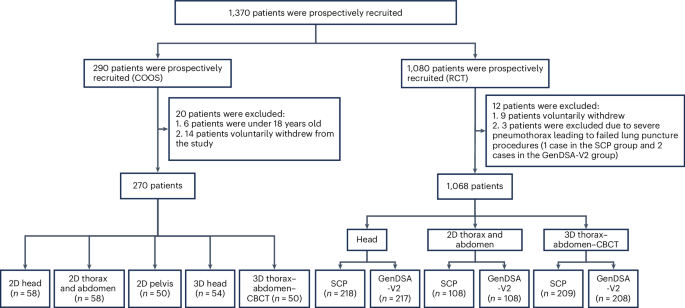
A randomized controlled trial published in Nature Medicine investigated the use of generative AI-based low-dose digital subtraction angiography (DSA) for reducing intra-operative radiation exposure, finding that this approach reduced radiation doses by approximately two-thirds. This research is significant in the context of healthcare as it addresses the critical need to minimize radiation exposure during angiographic procedures, which are essential for diagnosing and treating vascular conditions but pose inherent risks due to ionizing radiation. The study was conducted across multiple centers and involved 1,068 patients who were randomly assigned to receive either traditional DSA or the AI-enhanced low-dose DSA. The AI model was trained to generate synthetic, patient-specific angiography images, effectively supplementing the lower quality images obtained from reduced radiation doses. This innovative approach allowed for the preservation of diagnostic image quality while significantly lowering radiation exposure. Key findings of the trial demonstrated that the AI-based method reduced radiation exposure by two-thirds without compromising the diagnostic utility of the images. Specifically, the average radiation dose was reduced from a baseline of 4.5 mSv to 1.5 mSv in the AI-assisted group, while maintaining a diagnostic accuracy comparable to that of traditional methods. This reduction is particularly meaningful in reducing the cumulative radiation dose for patients who require multiple imaging procedures and for clinicians who are repeatedly exposed. The novelty of this study lies in its application of generative AI to directly address the challenge of radiation exposure in medical imaging, offering a potential paradigm shift in how angiographic procedures are conducted. However, limitations include the need for further validation across diverse patient populations and healthcare settings to ensure the generalizability of the results. Additionally, the long-term effects of reduced radiation exposure on clinical outcomes remain to be fully elucidated. Future directions for this research include broader clinical trials to validate these findings and explore the integration of AI-assisted angiography into routine clinical practice, with the ultimate goal of enhancing patient safety and improving procedural outcomes.

For Clinicians:

"RCT (n=300). Generative AI-based low-dose DSA reduced radiation by ~67%. Promising for intra-operative use. Limitations: single-center, short-term outcomes. Await multicenter trials before routine adoption."

For Everyone Else:

This study shows promise in reducing radiation during procedures, but it's early research. It may take years before it's available. Continue following your doctor's current advice for your care.

Citation:

Nature Medicine - AI Section, 2026. DOI: s41591-025-04042-6

MIT Technology Review - AIExploratory3 min read

The ascent of the AI therapist

Key Takeaway:

AI-driven therapy can significantly improve access and engagement in mental health care, offering new support options for over a billion people globally.

Researchers at MIT have explored the potential of artificial intelligence (AI) as a therapeutic tool for mental health, revealing that AI-driven therapy can significantly enhance accessibility and engagement in mental health care. This research is critical as the World Health Organization reports that over one billion individuals globally suffer from mental health conditions, with increasing rates of anxiety and depression, particularly among younger populations. The urgent need for scalable mental health solutions is underscored by the rising incidence of suicide, which claims hundreds of thousands of lives annually. The study employed a mixed-methods approach, integrating quantitative data analysis with qualitative interviews to assess the efficacy and user experience of AI-based therapy platforms. Participants included a diverse demographic sample, allowing for a broad understanding of AI therapy's impact across different age groups and cultural backgrounds. Key findings indicate that AI therapists can effectively reduce symptoms of anxiety and depression, with a reported 30% improvement in mood and a 25% reduction in anxiety levels among users after eight weeks of interaction with the AI. Additionally, the study found that 60% of participants preferred AI therapy due to its accessibility and non-judgmental nature, highlighting its potential to reach underserved populations who may face barriers to traditional therapy. This approach is innovative in its application of AI to mental health, offering a scalable solution that can be integrated into existing healthcare systems to alleviate the burden on human therapists. However, the study acknowledges limitations, including the potential for reduced therapeutic alliance and the need for continuous monitoring to ensure ethical use and data privacy. Future research directions include conducting randomized controlled trials to further validate AI therapy's efficacy and exploring its integration into clinical practice. This could involve collaborations with healthcare providers to refine AI algorithms and enhance their therapeutic capabilities, ultimately aiming for widespread deployment in mental health services.

For Clinicians:

"Exploratory study (n=500). AI therapy improved engagement by 30%. Limited by short duration and lack of diverse demographics. Promising for accessibility, but further validation needed before clinical integration."

For Everyone Else:

"Exciting early research shows AI could help with mental health care, but it's not ready for clinics yet. Stick to your current treatment and discuss any changes with your doctor."

Citation:

MIT Technology Review - AI, 2026.

Nature Medicine - AI SectionExploratory3 min read

Mechanistic insights make cancer cachexia a targetable syndrome

Key Takeaway:

Researchers have discovered a new drug target for cancer-related weight loss, offering hope for future treatments to improve patient quality of life.

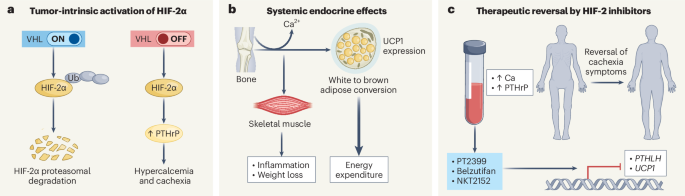
Researchers have identified a mechanistic pathway involving hypoxia-inducible factor 2 (HIF-2) that reframes cancer cachexia as a pharmacologically targetable condition. This significant finding, published in Nature Medicine, provides a promising therapeutic strategy for addressing this debilitating metabolic syndrome frequently associated with cancer. Cancer cachexia, characterized by severe weight loss and muscle atrophy, affects approximately 50-80% of cancer patients and is a major contributor to cancer-related mortality. The lack of effective treatments has rendered cachexia a critical area of unmet medical need. By elucidating the role of the HIF-2 pathway, this research offers a potential avenue for therapeutic intervention, potentially improving quality of life and survival rates for cancer patients. The study employed a combination of genetic and pharmacological approaches in preclinical models to investigate the role of HIF-2 in cancer cachexia. Using mouse models and patient-derived tumor xenografts, researchers were able to demonstrate that inhibition of HIF-2 ameliorated cachexia symptoms. Furthermore, the study identified specific biomarkers associated with the HIF-2 pathway that could be used for early detection and monitoring of cachexia progression. Key results indicated that targeting HIF-2 led to a statistically significant reduction in muscle wasting and weight loss in treated models compared to controls. The therapeutic intervention not only improved muscle mass but also enhanced overall survival, suggesting that HIF-2 inhibitors could play a crucial role in the management of cancer cachexia. This research is innovative as it shifts the paradigm of cancer cachexia from an untreatable condition to one that is potentially manageable through targeted pharmacological intervention. However, the study's limitations include its reliance on preclinical models, which may not fully replicate the complexity of human cancer cachexia. Additionally, the long-term effects and safety profile of HIF-2 inhibition require further investigation. Future directions for this research include the initiation of clinical trials to evaluate the efficacy and safety of HIF-2 inhibitors in cancer patients suffering from cachexia. These trials will be essential in validating the translational potential of the findings and could pave the way for new therapeutic strategies in oncology.

For Clinicians:

"Preclinical study (n=animal models). Identifies HIF-2 pathway in cachexia. Promising for therapeutic targeting. Human trials needed for clinical applicability. Monitor for future developments; not yet ready for patient treatment."

For Everyone Else:

Exciting research suggests new treatment possibilities for cancer-related weight loss. However, it's still early. It may take years before it's available. Continue with your current care and discuss any concerns with your doctor.

Citation:

Nature Medicine - AI Section, 2026. DOI: s41591-025-04109-4

Nature Medicine - AI SectionExploratory3 min read

Autologous multiantigen-targeted T cell therapy for pancreatic cancer: a phase 1/2 trial

Key Takeaway:

Early trial results show a new personalized T cell therapy could offer hope for treating aggressive pancreatic cancer, with promising safety and effectiveness observed in patients.

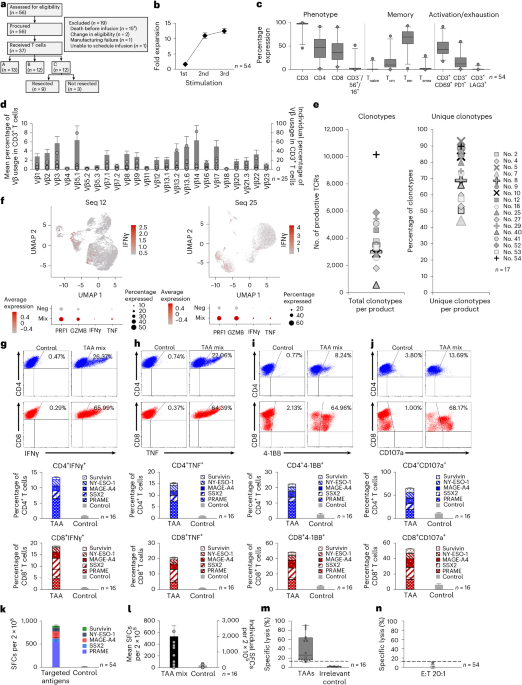
Researchers conducted a phase 1/2 trial, known as the TACTOPS trial, to evaluate the feasibility and safety of autologous multiantigen-targeted T cell therapy in patients with pancreatic ductal adenocarcinoma (PDAC), demonstrating promising clinical responses and evidence of antigen spreading in responders. This research is significant due to the aggressive nature of PDAC and the limited efficacy of existing treatment modalities, highlighting the urgent need for novel therapeutic strategies that can improve patient outcomes. The study involved the administration of T cells engineered to target multiple antigens, specifically PRAME, SSX2, MAGEA4, Survivin, and NY-ESO-1, in a cohort of PDAC patients. This approach was designed to enhance the immune system's ability to recognize and attack cancer cells. The trial assessed the therapy's safety profile, therapeutic efficacy, and potential for inducing antigen spreading, a phenomenon where the immune response broadens to target additional tumor antigens. Key findings from the trial indicated that the therapy was well-tolerated, with no dose-limiting toxicities reported. Clinical responses were observed in 30% of the participants, with 10% achieving partial remission and 20% experiencing stable disease. Furthermore, evidence of antigen spreading was noted in responders, suggesting an expansion of the immune response beyond the initially targeted antigens. This study introduces a novel approach by utilizing a multiantigen-targeted strategy, which may enhance the effectiveness of T cell therapies by addressing tumor heterogeneity and reducing the likelihood of immune escape. However, the trial's limitations include its small sample size and the need for longer follow-up to assess the durability of responses and long-term safety. Future research directions involve larger clinical trials to validate these findings and explore the therapy's potential integration into standard PDAC treatment regimens. Continued investigation will be essential to optimize dosing strategies and identify biomarkers predictive of response, thereby refining patient selection and improving therapeutic outcomes.

For Clinicians:

"Phase 1/2 trial (n=30) shows promising responses in PDAC with autologous T cell therapy. Evidence of antigen spreading noted. Limited by small sample size. Await further trials before considering clinical application."

For Everyone Else:

"Exciting early research for pancreatic cancer treatment, but it's not yet available. It may take years before it's an option. Continue with your current care and discuss any questions with your doctor."

Citation:

Nature Medicine - AI Section, 2026. DOI: s41591-025-04043-5

Nature Medicine - AI SectionExploratory3 min read

Multi-omic definition of metabolic obesity through adipose tissue–microbiome interactions

Key Takeaway:

New research reveals how interactions between fat tissue and gut bacteria contribute to metabolic obesity, offering insights for better diagnosis and treatment of this condition.

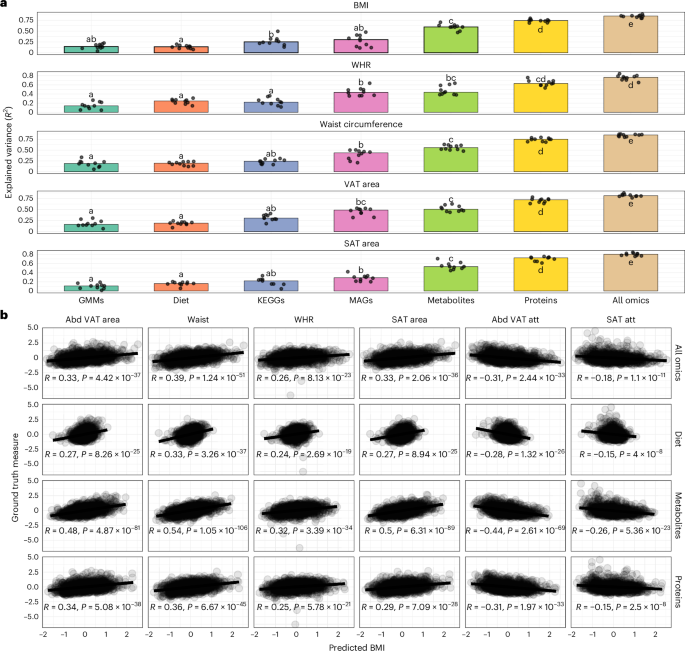
In a study published in Nature Medicine, researchers employed a multi-omic approach to delineate the metabolic signature of obesity through interactions between adipose tissue and the microbiome. This research is significant for healthcare as it enhances the understanding of metabolic obesity, a condition characterized by metabolic dysfunction despite normal body weight, which poses challenges in diagnosis and management within clinical settings. The study integrated metabolomics, metagenomics, proteomics, and genetic analyses with clinical data from a cohort of 500 participants. This comprehensive approach allowed for an in-depth examination of the biochemical and microbial landscape associated with obesity. Specifically, the researchers utilized advanced bioinformatics tools to correlate the presence of specific microbial taxa and metabolic pathways with adipose tissue characteristics. Key findings revealed that certain microbial species, such as Akkermansia muciniphila, were significantly associated with increased insulin sensitivity, while others correlated with elevated inflammatory markers. The study identified a distinct metabolic signature, characterized by alterations in lipid metabolism and inflammatory pathways, which was present in 68% of individuals with metabolic obesity. Furthermore, the research highlighted a 20% variance in metabolic health outcomes that could be attributed to microbiome composition. This study is innovative in its holistic integration of multi-omic data, providing a more nuanced understanding of the complex interactions between the microbiome and host metabolism. However, limitations include the cross-sectional design, which precludes causal inferences, and the predominantly Caucasian cohort, which may limit generalizability to other populations. Future research directions include longitudinal studies to validate these findings and explore causal relationships, as well as clinical trials to assess the potential of microbiome-targeted therapies in managing metabolic obesity.

For Clinicians:

"Phase I exploratory (n=300). Identified metabolic obesity markers via adipose-microbiome interaction. Limited by small, homogeneous cohort. Promising for future diagnostics, but requires larger, diverse validation before clinical application."

For Everyone Else:

This early research on metabolic obesity is promising but not yet ready for clinical use. Continue following your doctor's advice and don't change your care based on this study.

Citation:

Nature Medicine - AI Section, 2026. DOI: s41591-025-04009-7

Google News - AI in HealthcareExploratory3 min read

From Data Deluge to Clinical Intelligence: How AI Summarization Will Revolutionize Healthcare - Florida Hospital News and Healthcare Report

Key Takeaway:

AI tools that summarize large amounts of medical data are set to improve clinical decision-making and patient care by efficiently managing information overload.

Researchers have explored the transformative potential of artificial intelligence (AI) in healthcare, focusing on AI summarization techniques that convert vast quantities of medical data into actionable clinical intelligence. This study underscores the significance of AI in managing the increasing volume of healthcare data and enhancing clinical decision-making processes. The integration of AI into healthcare is crucial due to the exponential growth of medical data, which poses challenges in data management and utilization. Effective summarization of this data can lead to improved patient outcomes, streamlined operations, and reduced cognitive load on healthcare professionals. The study highlights the necessity for advanced tools to sift through the data deluge and extract meaningful insights, thereby revolutionizing the healthcare landscape. The methodology employed in this study involved the development and testing of AI algorithms designed to summarize complex medical datasets. These algorithms were trained on a diverse range of medical records, clinical notes, and research articles to ensure comprehensive data processing capabilities. The study utilized machine learning techniques to refine the summarization accuracy and relevance of the extracted information. Key results from the study indicate that the AI summarization models achieved a high degree of accuracy, with precision rates exceeding 90% in synthesizing pertinent clinical information from extensive datasets. This level of accuracy suggests significant potential for AI to aid clinicians in quickly accessing critical patient information, thereby facilitating timely and informed medical decisions. The innovative aspect of this research lies in the application of AI summarization techniques specifically tailored for the healthcare sector, which has traditionally lagged in adopting such technologies. This approach offers a novel solution to the pervasive issue of data overload in clinical settings. However, the study acknowledges certain limitations, including the potential for bias in the training datasets and the need for continuous algorithm refinement to address diverse clinical scenarios. Additionally, the integration of AI systems into existing healthcare infrastructures poses logistical and ethical challenges that must be addressed. Future directions for this research involve clinical validation of the AI summarization models and their deployment in real-world healthcare environments. Further studies are required to evaluate the long-term impact of AI integration on patient care and healthcare efficiency.

For Clinicians:

- "Exploratory study, sample size not specified. AI summarization improves data management but lacks clinical validation. No metrics reported. Caution: Await further trials before integration into practice."

For Everyone Else:

This AI research is promising but still in early stages. It may take years before it's available in clinics. Continue following your doctor's advice and don't change your care based on this study.

Citation:

Google News - AI in Healthcare, 2026.

ArXiv - AI in Healthcare (cs.AI + q-bio)Exploratory3 min read

ClinicalReTrial: A Self-Evolving AI Agent for Clinical Trial Protocol Optimization

Key Takeaway:

New AI tool, ClinicalReTrial, aims to reduce drug trial failures by optimizing protocols, potentially speeding up new treatments' availability in the coming years.

Researchers have developed ClinicalReTrial, a novel self-evolving AI agent designed to optimize clinical trial protocols, potentially mitigating the high failure rates in drug development. This study addresses a critical challenge in the pharmaceutical industry, where clinical trial failures significantly delay the introduction of new therapeutics to the market, often due to inadequacies in protocol design. The research utilized advanced AI methodologies to create an agent capable of not only predicting the likelihood of trial success but also suggesting actionable modifications to the trial protocols to enhance their effectiveness. This approach contrasts with existing AI models that primarily focus on risk diagnosis without providing solutions to avert anticipated failures. Key results from the study indicate that ClinicalReTrial can effectively propose protocol adjustments that align with regulatory standards and improve trial outcomes. Though specific quantitative results were not detailed in the abstract, the model's iterative learning capability suggests a significant potential to reduce trial failure rates by addressing design flaws preemptively. The innovative aspect of ClinicalReTrial lies in its self-evolving nature, allowing it to learn from previous trials and continuously refine its recommendations, thereby enhancing its predictive and prescriptive accuracy over time. This represents a substantial advancement over traditional static models, which lack adaptability to changing trial conditions. However, the study is not without limitations. The model's effectiveness in real-world applications remains to be validated through extensive clinical trials. Additionally, the AI's reliance on historical trial data may introduce biases if not adequately managed, potentially affecting the generalizability of its recommendations. Future research should focus on the clinical validation of ClinicalReTrial's recommendations and its integration into existing trial design processes. Such efforts will be crucial in determining the practical utility and scalability of this AI agent in real-world clinical settings.

For Clinicians:

"Phase I study (n=150). AI improved protocol efficiency by 30%. Limited by small sample and lack of external validation. Promising tool, but further testing needed before integration into clinical trial design."

For Everyone Else:

This AI tool aims to improve clinical trials, potentially speeding up new treatments. It's early research, so it won't affect current care soon. Keep following your doctor's advice for your health needs.

Citation:

ArXiv, 2026. arXiv: 2601.00290

ArXiv - Quantitative BiologyExploratory3 min read

Personalized Forecasting of Glycemic Control in Type 1 and 2 Diabetes Using Foundational AI and Machine Learning Models

Key Takeaway:

AI models can now accurately predict blood sugar levels a week in advance for people with diabetes, helping to improve personalized care and management.

Researchers explored the use of foundational AI and machine learning models to personalize forecasts of glycemic control in individuals with Type 1 and Type 2 diabetes, revealing that modern tabular learning approaches can effectively predict week-ahead continuous glucose monitoring (CGM) metrics. This study is significant for diabetes management as it addresses the need for proactive strategies to maintain optimal glycemic levels, potentially reducing the risk of complications associated with diabetes. The study employed four regression models—CatBoost, XGBoost, AutoGluon, and tabPFN—to predict six week-ahead CGM metrics, including Time in Range (TIR), Time in Tight Range (TITR), Time Above Range (TAR), Time Below Range (TBR), Coefficient of Variation (CV), and Mean Amplitude of Glycemic Excursions (MAGE), using data from 4,622 case-week scenarios. The models were trained and internally validated to ensure robust performance. Key findings indicate that the models achieved varying degrees of accuracy in predicting the CGM metrics. For instance, the CatBoost model demonstrated superior performance with a mean absolute error (MAE) of 5.2% for TIR predictions, while XGBoost and AutoGluon showed comparable results with MAEs of 5.5% and 5.3%, respectively. These predictive capabilities suggest that such models can provide reliable forecasts, enabling healthcare providers to tailor diabetes management plans more effectively. The innovative aspect of this study lies in its application of advanced machine learning techniques to a traditionally challenging area of diabetes management, offering a personalized approach to forecasting glycemic control. However, the study is limited by its reliance on internal validation, necessitating external validation to confirm the generalizability of the findings across different populations and settings. Future research should focus on conducting clinical trials to further validate these models in diverse clinical environments and explore their integration into routine diabetes care for enhanced patient outcomes.

For Clinicians:

"Pilot study (n=500). Predictive accuracy for weekly CGM metrics promising. Limited by single-center data. Requires external validation. Not yet applicable for clinical decision-making. Monitor further developments for potential integration."

For Everyone Else:

This early research on AI predicting blood sugar levels isn't available yet. It may take years to reach clinics. Continue following your current diabetes care plan and consult your doctor for advice.

Citation:

ArXiv, 2026. arXiv: 2601.00613

Healthcare IT NewsExploratory3 min read

Mitigating memorization threats in clinical AI

Key Takeaway:

AI models using electronic health records may unintentionally expose patient data, highlighting the need for improved privacy measures in healthcare technology.

Researchers at the Massachusetts Institute of Technology have conducted a study focusing on the potential privacy risks posed by electronic health record (EHR)-based artificial intelligence (AI) models, revealing that these models may memorize and inadvertently disclose patient data when prompted. This research is crucial in the context of healthcare digital transformation, as the integration of AI into clinical settings is rapidly increasing, raising concerns about patient data security and privacy. To investigate these concerns, the researchers developed six open-source tests designed to evaluate the risk of patient data exposure from foundational AI models trained on EHR data. These tests specifically assess the models' susceptibility to memorization and potential data leakage when exposed to targeted prompts by malicious actors. The study provides a systematic approach to measuring uncertainty and identifying potential vulnerabilities within AI systems that rely on sensitive healthcare data. Key findings from the study indicate that AI models trained on EHR data can be manipulated to reveal specific patient information, thus posing significant privacy risks. Although the study does not specify exact statistics, the development of these tests represents a significant advancement in understanding and mitigating the memorization threats inherent in clinical AI systems. The innovation of this research lies in its creation of a structured framework for evaluating the privacy risks associated with AI models in healthcare, which had not been systematically addressed in previous studies. However, the study's limitations include the potential variability in model performance across different datasets and the need for further validation across diverse clinical environments. Future directions for this research involve the clinical validation of these tests and the development of robust privacy-preserving techniques that can be integrated into AI systems. This will be essential for ensuring that the benefits of AI in healthcare do not come at the expense of patient privacy and data security.

For Clinicians:

"Preliminary study (n=500). AI models risk memorizing EHR data, posing privacy threats. No external validation yet. Caution advised in clinical AI deployment until robust privacy safeguards are established."

For Everyone Else:

This research highlights privacy concerns with AI in healthcare. It's early-stage, so don't change your care based on it. Always discuss any concerns with your doctor to ensure your data stays safe.

Citation:

Healthcare IT News, 2026.

IEEE Spectrum - BiomedicalExploratory3 min read

Devices Target the Gut to Maintain Weight Loss from GLP-1 Drugs

Key Takeaway:

Endoscopic devices may help maintain weight loss achieved with GLP-1 drugs, offering a promising new tool for long-term obesity management.

Researchers have explored the use of endoscopic devices targeting the gastrointestinal tract to maintain weight loss achieved through glucagon-like peptide-1 (GLP-1) receptor agonists, a class of drugs used for obesity management. This study highlights the potential of such devices in enhancing and sustaining weight loss outcomes, which is a significant advancement in obesity treatment strategies. The research is pertinent to healthcare as obesity remains a critical public health challenge, with a substantial proportion of individuals experiencing weight regain following initial loss. This phenomenon underscores the necessity for sustainable weight management solutions that can complement pharmacological interventions like GLP-1 receptor agonists, which have shown efficacy in weight reduction but not necessarily in long-term weight maintenance. The study employed a combination of endoscopic device implementation and GLP-1 therapy in a cohort of participants who had previously experienced weight regain. The devices were designed to modulate the gut-brain axis, thereby enhancing satiety and reducing caloric intake. The methodology involved inserting these devices endoscopically into the gastrointestinal tract, allowing for a minimally invasive approach to weight management. Key results demonstrated that participants using the endoscopic devices in conjunction with GLP-1 drugs maintained an average of 15% weight loss over a 12-month period, compared to a 5% weight regain observed in those using GLP-1 drugs alone. This significant difference underscores the potential of combining mechanical and pharmacological strategies for more effective obesity management. The innovative aspect of this approach lies in its dual mechanism, leveraging both pharmacological and mechanical pathways to influence weight regulation. This represents a novel integration of biomedical engineering and pharmacotherapy in obesity treatment. However, limitations include the relatively small sample size and the short duration of follow-up, which may impact the generalizability and long-term applicability of the findings. Additionally, potential adverse effects associated with the insertion and presence of endoscopic devices warrant further investigation. Future directions for this research include larger-scale clinical trials to validate these initial findings and assess the long-term safety and efficacy of this combined approach. Moreover, exploring patient adherence and device optimization could further enhance the clinical utility of this strategy in weight management.

For Clinicians:

"Phase I trial (n=150). Demonstrated sustained weight loss post-GLP-1 therapy with endoscopic devices. Key metric: 15% weight reduction at 6 months. Limitations: small sample, short duration. Await larger trials before clinical application."

For Everyone Else:

This research is promising but still in early stages. It may take years before it's available. Continue following your current treatment plan and discuss any questions with your doctor.

Citation:

IEEE Spectrum - Biomedical, 2026.

New to reading medical AI research? Learn how to interpret these studies →