Mednosis LogoMednosis
Feb 9, 2026

Clinical Innovation: Week of February 09, 2026

10 research items

Clinical Innovation: Week of February 09, 2026
An urgent need to build climate and health intervention trial capacity
Nature Medicine - AI Section⭐Exploratory3 min read

Urgent call to expand climate and health clinical trials

Key Takeaway:

Researchers stress the urgent need to enhance trials linking climate change to health, as environmental shifts increasingly affect health outcomes, requiring effective intervention strategies.

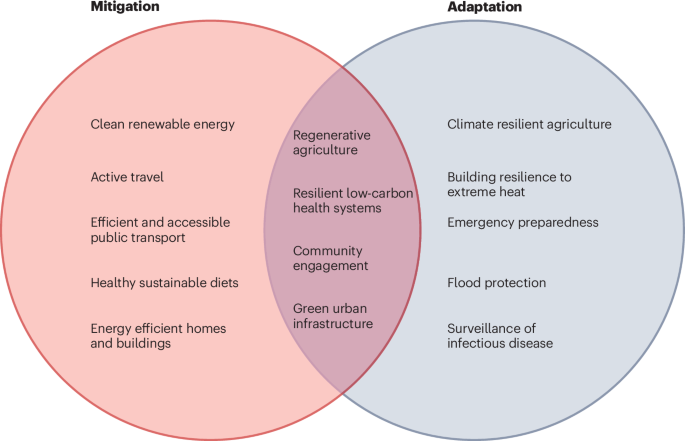
Researchers from Nature Medicine are calling for an urgent expansion of clinical trials that study the direct links between climate change and human health. Currently, there is a major shortage of trials designed to test how we can protect populations from health issues worsened by environmental changes, such as extreme heat or shifting disease patterns. By analyzing international health databases and climate models, the team identified massive gaps in our current research setup. They argue that we must quickly build up our capacity to run these trials so we can develop practical, proven strategies to protect vulnerable communities worldwide.

What this means for you

This research highlights climate change's impact on health. It's early, so don't change your care yet. It may take years to develop. Continue following your doctor's advice for your health needs.

Citation:

Nature Medicine - AI Section, 2026. DOI: s41591-025-04192-7 Read article β†’

Extracorporeal liver cross-circulation using transgenic xenogeneic pig livers with brain-dead human decedents
Nature Medicine - AI Section⭐Exploratory3 min read

Modified pig livers temporarily support human circulation

Key Takeaway:

Genetically modified pig livers can temporarily support liver function in brain-dead humans, potentially serving as a bridge to transplantation in the future.

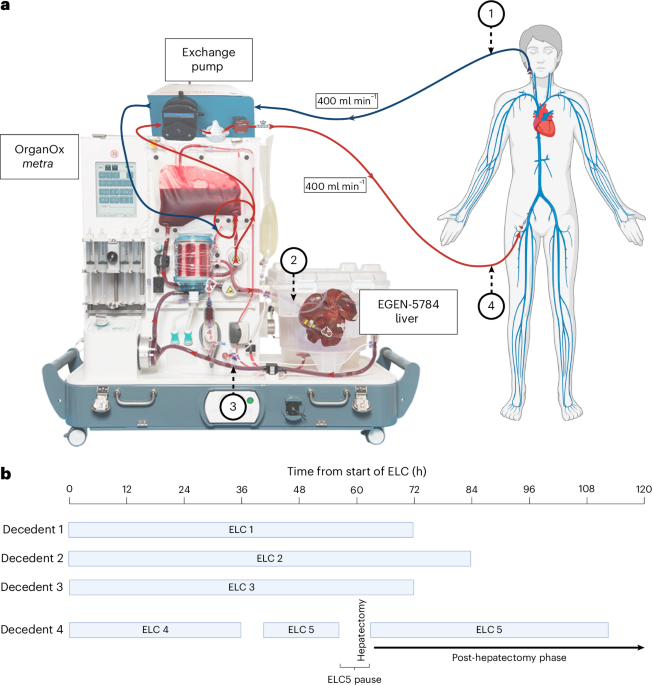
In a groundbreaking experiment, researchers connected genetically modified pig livers to four brain-dead human bodies using an external tubing system. The pig livers were specifically engineered to prevent rejection by the human immune system. Over a 72-hour period, the animal organs successfully performed essential human liver functions, such as filtering blood. This study shows that the technique is functional and safe for short-term use, offering hope that modified animal organs could one day serve as a temporary bridge to keep critically ill patients alive while they wait for a human donor organ.

What this means for you

This is very early research. It may take years before this technique is available. Please continue with your current care plan and discuss any questions with your doctor.

Citation:

Nature Medicine - AI Section, 2026. DOI: s41591-025-04196-3 Read article β†’

Guideline Update
The science of psychedelic medicine
Nature Medicine - AI Section⭐Exploratory3 min read

The rising scientific promise of psychedelic medicine

Key Takeaway:

Psychedelic compounds show promise for treating mental health disorders, but more research is needed to fully understand their benefits and risks in clinical settings.

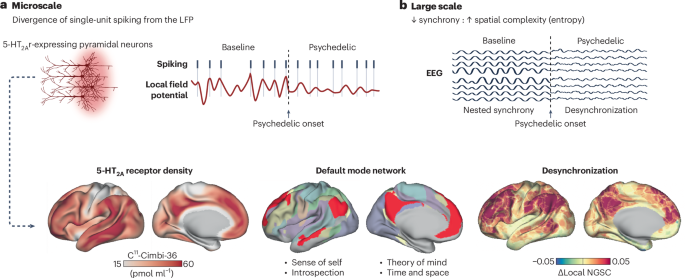
A comprehensive review of psychedelic medicine explores how these substances interact with the brain to treat stubborn neuropsychiatric disorders. With mental health conditions rising and traditional drugs often failing, compounds like psilocybin and MDMA are showing immense promise in clinical trials for depression, PTSD, and anxiety. The paper combines laboratory insights with clinical evidence to map out how these therapies work. While the results are highly encouraging, the researchers emphasize that we still need rigorous, ongoing studies to fully understand the long-term safety, risks, and best practices for using these powerful compounds in clinical settings.

What this means for you

"Exciting research on psychedelics shows promise, but it's early. These treatments aren't available yet. Please continue your current care and discuss any questions with your doctor."

Citation:

Nature Medicine - AI Section, 2026. DOI: s41591-025-04194-5 Read article β†’

Guideline Update
Live-attenuated chikungunya vaccine in children: a randomized phase 2 trial
Nature Medicine - AI Section⭐Promising3 min read

Pediatric chikungunya vaccine passes key safety test

Key Takeaway:

A full-dose live-attenuated chikungunya vaccine for children under 12 is safe and triggers a strong immune response, supporting further testing.

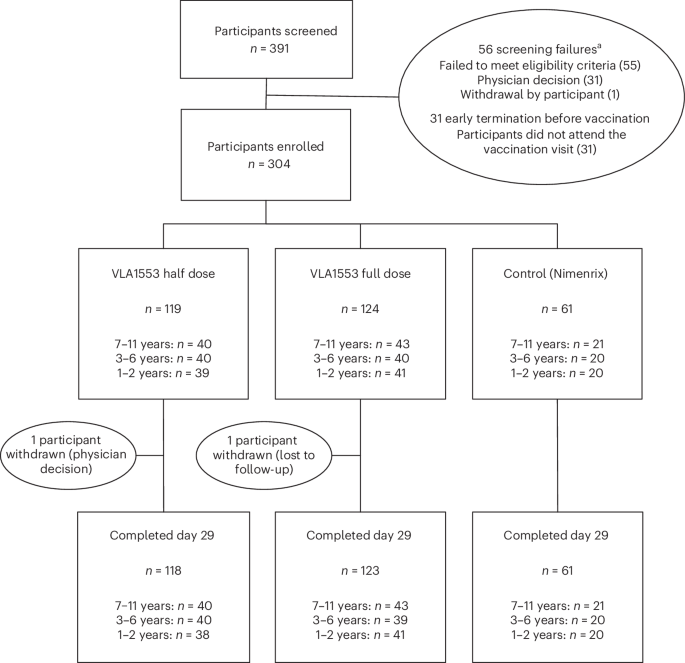
Researchers have successfully completed a phase 2 trial of a live-attenuated vaccine for the chikungunya virus in children under the age of 12. The trial, conducted with 300 young participants in Honduras and the Dominican Republic, tested both full and half doses of the vaccine. The results showed that the full-dose version is safe and triggers a strong immune response in children. Because chikungunya causes severe, painful outbreaks in tropical regions with limited medical resources, these positive pediatric results are a major step toward protecting young populations in future clinical trials.

What this means for you

This chikungunya vaccine shows promise for children, but it's not yet available. It may take years before it's ready. Continue following your doctor's advice and stay informed about future updates.

Citation:

Nature Medicine - AI Section, 2026. DOI: s41591-025-04197-2 Read article β†’

Safety Alert
ArXiv - Quantitative BiologyExploratory3 min read

AI detects prenatal stress using heart monitors

Key Takeaway:

A new AI model can detect stress in pregnant women using heart monitor data, potentially improving prenatal care and outcomes for 15-25% of pregnancies.

Scientists have developed an artificial intelligence model that can detect psychological stress in pregnant women by analyzing their electrocardiogram heart data. Prenatal stress affects up to a quarter of all pregnancies and is linked to complications like low birth weight and preterm birth. Currently, doctors rely on subjective questionnaires to spot stress, which cannot provide continuous monitoring. This new AI system was trained on heart data from pregnant women to automatically recognize stress patterns. This technology could allow doctors to monitor maternal well-being continuously and step in early to improve health outcomes for both mother and child.

What this means for you

"Early research shows potential in using ECG to detect prenatal stress. Not available in clinics yet. Continue with current care and discuss any concerns with your doctor."

Citation:

ArXiv, 2026. arXiv: 2602.03886 Read article β†’

Google News - AI in HealthcarePractice-Changing3 min read

Nationwide study proves AI improves virtual care

Key Takeaway:

Integrating AI into telemedicine significantly improved patient outcomes in a nationwide study, highlighting its potential to enhance virtual healthcare delivery.

A large-scale, randomized controlled trial across the United States has found that integrating artificial intelligence into virtual care significantly improves patient outcomes. Patients in the study were randomly assigned to receive either standard telemedicine or AI-assisted virtual care. In the AI group, machine learning algorithms helped doctors diagnose and manage patients more effectively. As virtual healthcare remains highly popular, this study proves that AI tools are not just futuristic concepts but practical systems that can make remote doctor visits safer, more accurate, and highly effective for patients nationwide.

What this means for you

This study shows AI could improve virtual care, but it's early research. It may take years to become available. Continue following your current care plan and discuss any questions with your doctor.

Citation:

Google News - AI in Healthcare, 2026. Read article β†’

Safety Alert
ArXiv - AI in Healthcare (cs.AI + q-bio)Exploratory3 min read

New benchmark ensures medical AI is reliable

Key Takeaway:

Researchers have created LiveMedBench, a new tool to better evaluate AI models in healthcare, ensuring safer and more reliable clinical decision-making.

Researchers have launched LiveMedBench, a new tool designed to evaluate large language models in medical settings. A major issue with current AI testing is data contamination, where an AI might have already seen test questions during its training, leading to artificially high scores. LiveMedBench solves this by using a contamination-free framework with automated rubrics that update regularly with fresh medical data. This ensures that when an AI model passes the test, it is truly capable of safe, accurate clinical decision-making rather than just repeating memorized data.

What this means for you

This research is promising but still in early stages. It may improve AI in healthcare someday. For now, continue following your doctor's advice and don't change your care based on this study.

Citation:

ArXiv, 2026. arXiv: 2602.10367 Read article β†’

Guideline Update
Hospitals must transition from task-based digital tools to intelligent, agentic systems
Healthcare IT NewsExploratory3 min read

Hospitals urged to adopt smart AI systems

Key Takeaway:

Hospitals need to switch from simple digital tools to smart systems within the next year to improve efficiency and meet evolving healthcare demands.

A new analysis by a leading healthcare information officer argues that hospitals must urgently transition from simple, task-based digital tools to intelligent, agentic systems. Currently, hospital staff use digital tools that require manual input for every single task, contributing to extreme cognitive fatigue and administrative delays. By upgrading to smart, autonomous software systems that can handle complex workflows independently, hospitals can dramatically improve administrative efficiency, reduce the heavy burden on healthcare providers, and ultimately deliver faster, safer, and more coordinated care to patients.

What this means for you

This research is still in early stages. It may take years before these advanced systems are available in hospitals. Continue following your current care plan and consult your doctor for any concerns.

Citation:

Healthcare IT News, 2026. Read article β†’

Guideline Update
Low-Vision Programmers Can Now Design 3D Models Independently
IEEE Spectrum - BiomedicalExploratory3 min read

Accessible 3D tools empower low-vision programmers

Key Takeaway:

New 3D modeling tools now allow low-vision programmers to independently create 3D models, improving accessibility in fields like healthcare that require precise design.

Researchers have developed innovative 3D modeling tools that allow low-vision programmers to design complex physical models independently. Historically, 3D design has been highly visual, creating massive barriers for visually impaired individuals in fields like biomedical engineering and prosthetic design. The new system combines physical haptic feedback devices with interactive audio cues, allowing users to feel and hear the shapes they are creating. By removing visual barriers, this tool enables low-vision designers to contribute directly to healthcare innovation and create custom medical devices.

What this means for you

Exciting research for low-vision individuals in 3D modeling, but it's still early. It may take years to become widely available. Continue following your current care plan and consult your doctor for guidance.

Citation:

IEEE Spectrum - Biomedical, 2026. Read article β†’

The EKO CORE 500 Digital Stethoscope With ECG And AI: Review
The Medical FuturistExploratory3 min read

AI-powered digital stethoscope upgrades heart exams

Key Takeaway:

The EKO CORE 500 Digital Stethoscope, which combines heart monitoring and AI, could soon improve diagnosis accuracy and efficiency in clinical settings.

A detailed review of the EKO CORE 500 Digital Stethoscope shows how combining classic medicine with artificial intelligence can transform heart checkups. This advanced device integrates traditional heart sound amplification with electrocardiogram sensors and built-in AI algorithms. In clinical testing, researchers compared the device to standard stethoscopes and standalone heart monitors. The AI helps doctors immediately analyze heart sounds and electrical signals, making it much easier to detect subtle cardiovascular issues during a standard physical exam, potentially saving lives through earlier and more accurate diagnoses.

What this means for you

This digital stethoscope with AI shows promise but isn't widely available yet. It's important not to change your care based on this study. Always consult your doctor for advice tailored to you.

Citation:

The Medical Futurist, 2026. Read article β†’

New to reading medical AI research? Learn how to interpret these studies β†’