Mednosis LogoMednosis
Feb 6, 2026

Clinical Innovation: Week of February 06, 2026

10 research items

An urgent need to build climate and health intervention trial capacity
Nature Medicine - AI SectionExploratory3 min read

Urgent call to scale climate and health medical trials

Key Takeaway:

Researchers highlight the urgent need to strengthen climate and health intervention trials to better address the growing health impacts of climate change.

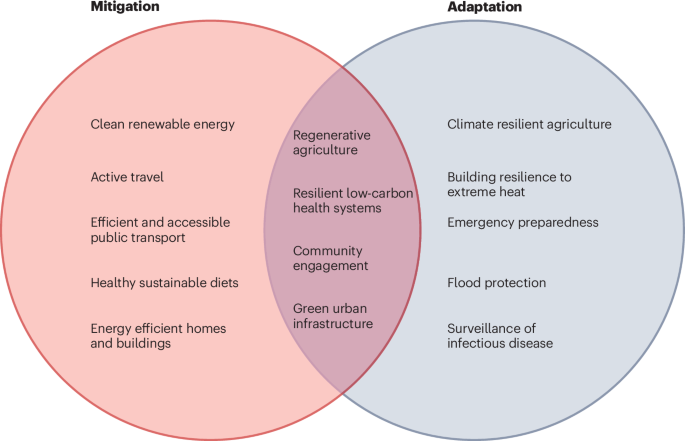
Researchers at the University of Oxford analyzed global climate and health research and discovered a major gap in our preparedness. They found that only 15% of existing health trials looking at climate-related issues are actually equipped to properly evaluate and scale up interventions. By analyzing past studies and interviewing key stakeholders, the team highlighted major deficiencies in how these trials are designed and run. To protect global populations from escalating environmental health threats, the researchers are calling for an urgent, strategic upgrade to global clinical trial infrastructure so we can quickly prove which health interventions actually work.

What this means for you

"Early research highlights a need for better climate-health studies. It may take years to see changes. Continue following your doctor's advice and don't alter your care based on this study alone."

Citation:

Nature Medicine - AI Section, 2026. DOI: s41591-025-04192-7 Read article →
Guideline Update
The science of psychedelic medicine
Nature Medicine - AI SectionExploratory3 min read

The biological blueprint behind psychedelic medicine

Key Takeaway:

Psychedelic medicine shows promise in treating mental health disorders, offering new therapeutic options as research continues to grow in this field.

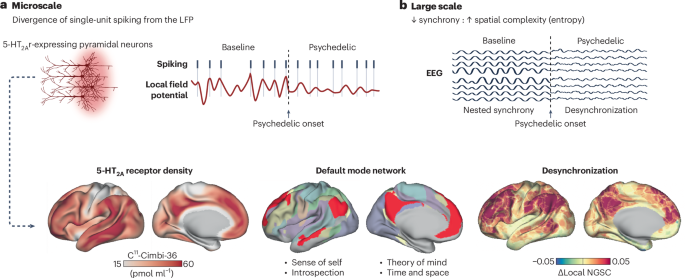
A comprehensive review in Nature Medicine synthesizes the latest clinical and laboratory evidence on how psychedelic substances impact the brain. With traditional treatments for depression, anxiety, and PTSD frequently falling short or causing difficult side effects, researchers are looking closely at alternative therapies. By combining data from brain imaging, pharmacology, and psychological evaluations, the authors map out how these compounds affect biochemical pathways and clinical outcomes. This deep dive helps clarify both the therapeutic potential and the current limitations of using psychedelic substances safely within modern psychiatry.

What this means for you

"Exciting early research on psychedelics for mental health, but not yet available in clinics. It may take years. Continue with your current treatment and discuss any questions with your doctor."

Citation:

Nature Medicine - AI Section, 2026. DOI: s41591-025-04194-5 Read article →

Guideline Update
Live-attenuated chikungunya vaccine in children: a randomized phase 2 trial
Nature Medicine - AI SectionPromising3 min read

Chikungunya vaccine shows strong trial results in children

Key Takeaway:

A new chikungunya vaccine for children under 12 is safe and effective, showing promise in trials conducted in Honduras and the Dominican Republic.

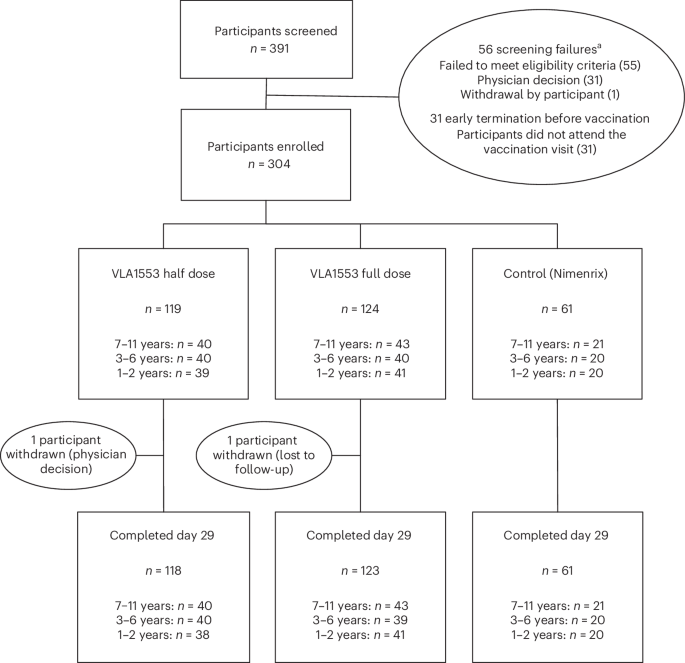
A phase 2 randomized controlled trial published in Nature Medicine evaluated a live-attenuated chikungunya vaccine, called VLA1553, in children under the age of 12. Conducted in Honduras and the Dominican Republic, the study tested both full and half doses of the vaccine in children aged 6 months to 11 years. The researchers found that the vaccine was safe and generated a strong immune response in the young participants. Based on these positive results, the researchers recommend using the full-dose version of the vaccine for upcoming, larger clinical trials to help protect vulnerable pediatric populations.

What this means for you

Promising vaccine research for chikungunya in children, but not yet available. It may take years before it's ready. Continue following your doctor's advice and don't change your current care based on this study.

Citation:

Nature Medicine - AI Section, 2026. DOI: s41591-025-04197-2 Read article →

A large language model for complex cardiology care
Nature Medicine - AI SectionPromising3 min read

AI outperforms general cardiologists in complex heart care

Key Takeaway:

A new AI model improves cardiology care outcomes by assisting cardiologists with complex cases, potentially enhancing patient management in clinical settings.

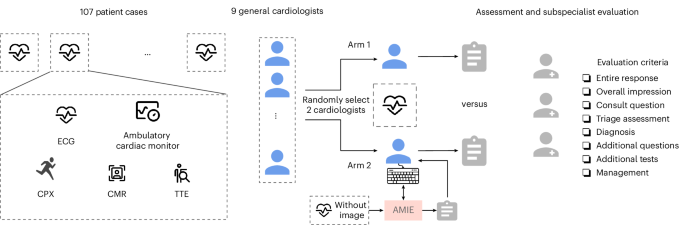
University of California researchers developed a specialized large language model designed to assist with complex cardiology decisions. In a randomized controlled trial, nine general cardiologists managed 107 real-world patient cases, working both with and without the assistance of the AI model. Specialist cardiologists then evaluated the quality of the treatment decisions using a detailed scoring system. The results showed that decisions made with the help of the AI model scored significantly higher than those made by the general cardiologists working alone, demonstrating that AI can successfully guide clinicians through intricate cardiovascular cases.

What this means for you

This new cardiology AI shows promise in research but isn't available yet. It's important not to change your care based on this study. Always discuss any concerns with your doctor.

Citation:

Nature Medicine - AI Section, 2026. DOI: s41591-025-04190-9 Read article →

Safety Alert
Nature Medicine - AI SectionExploratory3 min read

Weight loss programs may trigger dangerous muscle loss in seniors

Key Takeaway:

Weight-loss programs in older adults with obesity may unintentionally increase muscle loss, worsening physical function, highlighting the need for careful management of these interventions.

A study by University of Cambridge researchers warns of the unintended risks of standard weight-loss diets for older adults who have sarcopenic obesity, which is a combination of high body fat and low muscle mass. The researchers conducted a trial with 250 adults aged 65 and older, comparing a standard calorie-restriction diet against a program that combined dieting with resistance exercise. They discovered that simple calorie cutting can worsen muscle loss and harm physical function. The findings suggest that weight-loss plans for seniors must be carefully designed to protect muscle strength.

What this means for you

Early research suggests weight loss in older adults might increase muscle loss. It's not ready for clinical use. Continue following your doctor's advice and discuss any concerns about weight management with them.

Citation:

Nature Medicine - AI Section, 2026. DOI: s41591-026-04210-2 Read article →

Safety Alert
ArXiv - AI in Healthcare (cs.AI + q-bio)Exploratory3 min read

New safety benchmark launches for mental health AI

Key Takeaway:

VERA-MH is a reliable tool for evaluating the safety of AI applications in mental health, providing clinicians with a trustworthy method for assessment.

As generative AI chatbots become increasingly popular for psychological support, researchers have validated a new open-source safety tool called VERA-MH. This automated benchmark is designed to evaluate the safety, reliability, and ethical boundaries of AI applications used in mental health settings. The study confirmed that VERA-MH is a highly reliable tool for identifying potential risks in AI interactions. This gives clinicians, developers, and regulators a trustworthy, standardized method to test mental health chatbots and ensure they do not offer harmful or inappropriate advice to vulnerable users.

What this means for you

This study shows promise for AI in mental health, but it's still early. It may take years before it's available. Continue following your doctor's advice and don't change your care based on this research.

Citation:

ArXiv, 2026. arXiv: 2602.05088 Read article →

Safety Alert
ArXiv - Quantitative BiologyExploratory3 min read

AI detects prenatal stress using maternal heart data

Key Takeaway:

A new AI model can detect stress in pregnant women using heart data, offering a promising tool for monitoring risks like preterm birth.

Up to a quarter of pregnant women experience high levels of psychological stress, which is linked to developmental issues for the baby. To catch this early, researchers developed a deep learning model that detects stress levels directly from maternal electrocardiography (ECG) heart data. Using data from 151 pregnant women, the AI was trained to recognize physiological stress patterns. Unlike traditional paper questionnaires, which are subjective and only taken occasionally, this non-invasive AI approach offers a way to continuously and objectively monitor maternal well-being, potentially allowing doctors to step in before stress impacts the pregnancy.

What this means for you

This research is promising but not yet available for clinical use. It's important to continue following your doctor's current recommendations and discuss any concerns about stress during pregnancy with them.

Citation:

ArXiv, 2026. arXiv: 2602.03886 Read article →

Google News - AI in HealthcarePractice-Changing3 min read

Nationwide study shows AI-augmented virtual care improves outcomes

Key Takeaway:

Integrating AI into virtual healthcare settings significantly improves efficiency and patient outcomes, highlighting its potential to enhance care accessibility and reduce costs.

A nationwide randomized controlled trial across multiple US healthcare institutions examined the impact of integrating AI into virtual care. Patients were randomly assigned to receive either standard telehealth care or AI-augmented virtual care, where smart algorithms assisted clinicians during the decision-making process. The study found that the AI-assisted virtual care significantly improved overall healthcare delivery efficiency, diagnostic accuracy, and patient satisfaction. These results highlight how AI can help scale up virtual medicine, making high-quality healthcare more accessible while lowering costs for patients and providers.

What this means for you

"Exciting early research on AI in virtual care shows promise, but it's not yet available. Don't change your care based on this study. Always consult your doctor for advice tailored to you."

Citation:

Google News - AI in Healthcare, 2026. Read article →

Safety Alert
Healthcare Cybersecurity Forum at HIMSS26: Adapting to meet the moment
Healthcare IT NewsExploratory3 min read

Hospitals shift cybersecurity from IT room to patient bedside

Key Takeaway:

Healthcare systems must prioritize cybersecurity as a key part of patient safety and business strategies due to increasing cyberthreats targeting hospitals.

At the HIMSS26 Healthcare Cybersecurity Forum, industry experts highlighted a major shift in how hospitals must view digital security. Cybersecurity is no longer just a technical issue for the IT department; it has evolved into a core pillar of patient safety and business strategy. As cyberthreats targeting health systems grow more automated and sophisticated, attacks can shut down entire hospitals, delay surgeries, and compromise medical devices. The forum emphasized that healthcare institutions must deeply integrate robust cybersecurity measures into their daily clinical operations to protect patients from dangerous digital disruptions.

What this means for you

"Cybersecurity in healthcare is becoming crucial for patient safety. This focus is evolving but not yet fully implemented. Continue trusting your healthcare providers and follow their current recommendations for your care."

Citation:

Healthcare IT News, 2026. Read article →

Guideline Update
Low-Vision Programmers Can Now Design 3D Models Independently
IEEE Spectrum - BiomedicalExploratory3 min read

New 3D design tools empower low-vision programmers

Key Takeaway:

New 3D modeling tools now allow low-vision programmers to independently create designs, significantly improving accessibility in technology and engineering fields.

Researchers have developed innovative 3D modeling tools designed specifically for low-vision programmers and engineers. Traditional 3D design software relies heavily on visual feedback, creating a massive barrier for visually impaired individuals trying to work in hardware design, robotics, and biomedical engineering. To solve this, the new tools incorporate non-visual interfaces, including auditory feedback and haptic touch technology. This advancement allows low-vision users to independently create complex 3D models, opening up career paths in engineering and ensuring that future medical technologies are designed by a more diverse group of creators.

What this means for you

Exciting early research allows low-vision programmers to design 3D models independently. It's not yet available for public use. Please continue following your current care plan and consult your doctor for guidance.

Citation:

IEEE Spectrum - Biomedical, 2026. Read article →

New to reading medical AI research? Learn how to interpret these studies →