
Mednosis LogoMednosis
Jun 5, 2026

Clinical Innovation: Week of June 05, 2026

10 research items

Clinical Innovation: Week of June 05, 2026
Safety Alert
AAV gene therapy for homozygous familial hypercholesterolemia: a phase 1 trial
Nature Medicine - AI SectionExploratory2 min read

New Gene Therapy Shows Early Promise for Severe Inherited High Cholesterol

Key Takeaway:

An early-stage trial of a new gene therapy shows promise for safely treating a rare, severe inherited form of extremely high cholesterol.

Scientists have tested a new gene therapy designed to treat a severe, inherited form of high cholesterol called homozygous familial hypercholesterolemia. People with this genetic condition cannot clear bad cholesterol from their blood, putting them at extreme risk for early heart disease. In this very early study, researchers gave three patients a modified, harmless virus to deliver a healthy copy of the missing gene to their liver. The treatment was shown to be safe and successfully helped lower cholesterol levels. While highly promising, this therapy is still in the early stages of testing and is not yet widely available.

What this means for you

A new gene therapy for a severe, inherited high-cholesterol condition showed safe early results in three people. This treatment is experimental and not yet available to the general public.

Citation:

Nature Medicine - AI Section, 2026. DOI: s41591-026-04441-3 Read article →
Post-adjuvant chemotherapy in ctDNA-positive patients with resected colorectal cancer: a randomized phase 3 trial
Nature Medicine - AI SectionPromising2 min read

Early DNA Blood Test Fails to Help Direct Colon Cancer Treatment

Key Takeaway:

Using the drug trifluridine/tipiracil for colorectal cancer patients who test positive for residual tumor DNA during recovery does not successfully delay cancer recurrence.

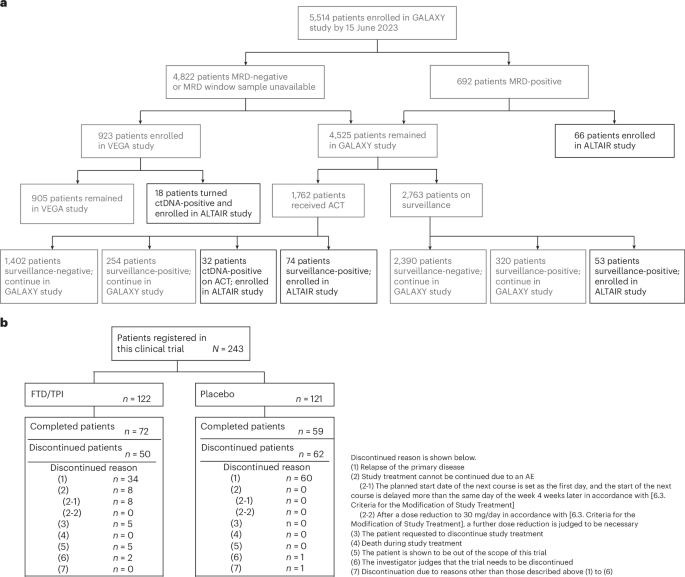
After surgery for colon cancer, doctors can use advanced blood tests to look for tiny pieces of tumor DNA, which act as an early warning sign that the cancer might return. In this study, researchers wanted to see if giving a chemotherapy drug called trifluridine/tipiracil to patients with these positive DNA tests would help keep them cancer-free longer. Surprisingly, the study found that this chemotherapy did not delay the return of the cancer compared to a dummy pill (placebo). This matters to patients because it shows that while new DNA tests are great at spotting early warning signs, we still need to find better, more effective treatments to actually fight the cancer at this early stage.

What this means for you

This study shows that a specific chemotherapy drug did not help prevent colon cancer from returning, even when sensitive DNA blood tests showed early warning signs. Do not alter your current treatment plan.

Citation:

Nature Medicine - AI Section, 2026. DOI: s41591-026-04428-0 Read article →

Oral small molecule GLP-1 receptor agonist aleniglipron in people with overweight or obesity: a randomized, double-blind, placebo-controlled phase 2b trial
Nature Medicine - AI SectionPromising2 min read

New Daily Pill Shows Promise for Significant Weight Loss

Key Takeaway:

An oral weight-loss pill called aleniglipron helped adults lose up to 11.3% of their body weight over 36 weeks, offering a potential needle-free alternative to current injections.

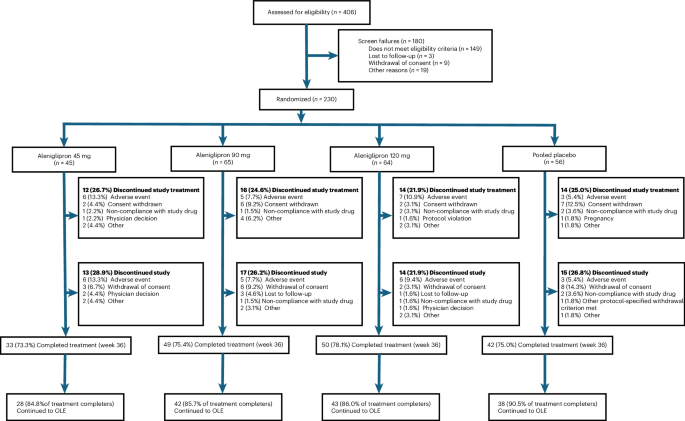
Researchers studied a new weight-loss pill called aleniglipron, which belongs to the same family of medications as popular weekly weight-loss injections. In a study of 230 adults who were overweight or obese, those taking the daily pill lost up to 11.3% of their body weight over 36 weeks compared to those taking a dummy pill (placebo). This is exciting because many people prefer taking a simple pill over giving themselves weekly shots. While these early results are very promising, the drug must still undergo larger, longer studies to prove it is completely safe and effective before it can be prescribed by doctors.

What this means for you

A new daily weight-loss pill showed promising results in a 230-person study, but it is still in testing and not yet available. Please consult your doctor before changing any treatments.

Citation:

Nature Medicine - AI Section, 2026. DOI: s41591-026-04476-6 Read article →

Google News - AI in HealthcarePromising2 min read

New National Safety Certification Launched for Hospital AI Programs

Key Takeaway:

The Joint Commission's new AI certification program establishes a national standard to ensure hospitals use artificial intelligence safely and responsibly, starting immediately.

The Joint Commission, a major organization that rates hospital safety, has launched a new certification program for artificial intelligence in healthcare. As hospitals increasingly use AI to help diagnose illnesses and manage patient care, this program will officially review and certify that hospitals are using these powerful technologies safely and ethically. For patients, this means there is now a national watchdog checking to make sure that the AI tools used during your medical treatments are secure, reliable, and properly supervised by doctors. It is a major step toward making sure technology improves your care without compromising your safety.

What this means for you

A leading healthcare organization has launched a new safety certification to make sure hospitals use artificial intelligence tools safely. This program is available now to help protect your health data.

Citation:

Google News - AI in Healthcare, 2026. Read article →

Safety Alert
Survodutide in adults with obesity and metabolic dysfunction-associated steatotic liver disease: SYNCHRONIZE-MASLD, a randomized, double-blind, placebo-controlled phase 3 trial
Nature Medicine - AI SectionPractice-Changing3 min read

Weekly Injection Cuts Liver Fat and Weight in New Trial

Key Takeaway:

A weekly injection of the dual-action drug survodutide significantly reduces liver fat and body weight in adults with obesity and metabolic liver disease.

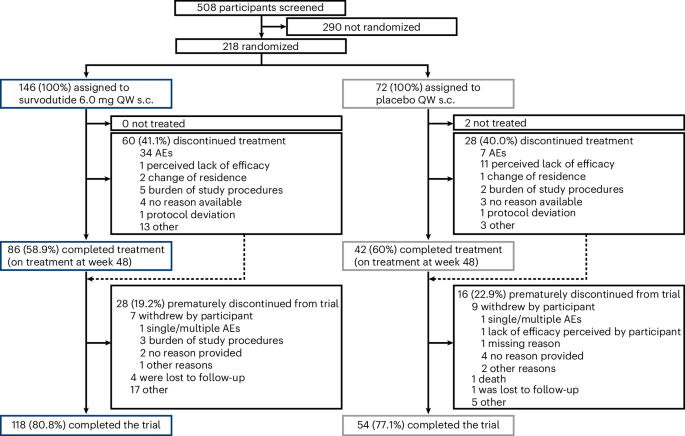
Researchers studied a new weekly injection called survodutide for adults struggling with obesity and a common liver condition called MASLD, which causes excess fat to build up in the liver. The study found that this drug, which mimics two natural gut hormones, successfully lowered both liver fat and overall body weight compared to a dummy treatment. This is important because excess liver fat can lead to permanent organ damage. While these results are highly encouraging, the drug is still being evaluated, meaning patients should continue to follow their current medical advice while scientists monitor its long-term safety and effectiveness.

What this means for you

A weekly injection called survodutide helps reduce liver fat and body weight. It is still being studied, so please consult your doctor before changing any current treatment plans.

Citation:

Nature Medicine - AI Section, 2026. DOI: s41591-026-04479-3 Read article →

Guideline Update
ArXiv - AI in Healthcare (cs.AI + q-bio)Promising3 min read

Smart AI Learns to Think Harder When Mistakes Are Costly

Key Takeaway:

A new AI scheduling method prioritizes computing power for high-stakes tasks, reducing costly errors by up to 33% and paving the way for safer healthcare AI.

When artificial intelligence models solve problems, they usually spend extra computing power on the hardest questions. However, this assumes all mistakes are equal. In reality, a minor typo is harmless, but a medical error can be catastrophic. Researchers developed a new system that estimates how damaging a mistake would be before the AI answers. It then routes high-stakes tasks to advanced "thinking" modes. Tested on 700 complex tasks, this risk-aware approach reduced severe, costly errors by 22% to 33%. While currently tested on software engineering, this method could eventually make healthcare AI much safer by ensuring the algorithm double-checks its work on critical patient decisions.

What this means for you

Researchers have designed a way for AI to think harder on high-stakes tasks to avoid costly mistakes. This early-stage technology is not yet ready for medical use.

Citation:

ArXiv, 2026. arXiv: 2606.04402 Read article →

Guideline Update
ArXiv - Quantitative BiologyExploratory2 min read

How the Brain Learns: Scientists Map Out Neocortex Secrets

Key Takeaway:

Researchers simulated how the brain learns using a computer model, showing that error-driven predictive learning in brain circuits can replicate human-like intelligence.

Scientists have created a computer model to explain how the outer layer of the brain, called the neocortex, actually learns. They proposed that the brain learns by constantly predicting what will happen next and correcting its own mistakes, a process called error-driven predictive learning. By testing this idea in a computer program with simulated brain cells, they showed it could successfully master difficult tasks. This research is exciting because it connects high-level computer science with actual brain chemistry. While it is still early-stage research and does not change medical care today, understanding this process could eventually help us design smarter artificial intelligence and find new ways to treat brain-related learning disorders.

What this means for you

Scientists used a computer model to show how brain cells might learn from mistakes. This is early-stage research and does not change current medical treatments or brain therapies.

Citation:

ArXiv, 2026. arXiv: 2606.08720 Read article →

Guideline Update
Rehumanizing global health care with agentic AI
MIT Technology Review - AIExploratory2 min read

Can Smart AI Save Our Strained Healthcare System?

Key Takeaway:

Integrating agentic AI into strained global healthcare systems could soon reduce clinician burnout and improve patient access by automating administrative tasks.

The global healthcare system is in trouble. Years of underfunding and difficulties in hiring new staff have collided with a growing demand for medical care from an aging population. This has led to fragmented care for patients and extremely high rates of stress and burnout for doctors and nurses. This article explores how a new wave of technology, called agentic AI, could help. By taking over time-consuming administrative tasks, these smart AI assistants could give medical staff their time back. Ultimately, this technology aims to make healthcare more human again by allowing doctors to focus on what they do best: caring for patients.

What this means for you

Global healthcare is facing major staff shortages. While new AI technology aims to help doctors spend more time with patients, these solutions are still in early development stages.

Citation:

MIT Technology Review - AI, 2026. Read article →

Four Scenarios of AI Scribe Adoption in Healthcare
The Medical FuturistExploratory2 min read

How AI Scribes Are Changing the Way Doctors Take Notes

Key Takeaway:

AI scribes can automatically convert doctor-patient conversations into medical records, potentially reducing administrative burnout and allowing physicians to focus more on direct patient care.

When you visit the doctor, they often spend a lot of time typing on a computer instead of looking at you. A new technology called an AI scribe is changing this. These smart apps listen to your conversation with the doctor and automatically write up the official medical record. A new analysis looks at four ways this technology might be adopted in clinics. While this could make doctor visits feel much more personal and less rushed, it is still in the early stages. Doctors must still carefully check these computer-generated notes to make sure every detail about your health is completely correct.

What this means for you

New AI tools can listen to your doctor's visit and write up the medical notes automatically. This technology is starting to appear in clinics, but doctors must still review all notes for accuracy.

Citation:

The Medical Futurist, 2026. Read article →

Drug Watch
Defining Autonomy for Wellness Robots in Senior Care
IEEE Spectrum - BiomedicalExploratory2 min read

How Self-Driving Tech Is Inspiring Future Senior Care Robots

Key Takeaway:

A new six-level scale adapted from self-driving car standards will help measure and guide the development of autonomous senior wellness robots by the early 2030s.

The senior care system is facing a major shortage of caregivers and daily activities for older adults. To help, researchers are developing socially assistive wellness robots. This paper introduces a new framework to define these robots and a six-level safety scale, inspired by self-driving car standards, to measure how independent they can be. By evaluating robots across four areas of care, this system aims to guide developers toward creating fully independent wellness robots by the early 2030s. For regular people, this means future senior living could feature safe, reliable robotic assistants to help loved ones stay active and socially engaged.

What this means for you

Researchers are designing a safety scale for senior wellness robots, aiming for safe use by the early 2030s. This is early-stage planning, so current care plans remain unchanged.

Citation:

IEEE Spectrum - Biomedical, 2026. Read article →

New to reading medical AI research? Learn how to interpret these studies →