Mednosis LogoMednosis
Sep 4, 2026

Clinical Innovation: Week of September 04, 2026

5 research items

Clinical Innovation: Week of September 04, 2026
From algorithms to patient outcomes — lessons from one of the first randomized trials of AI in medicine
Nature Medicine - AI SectionPromising3 min read

Can AI and Doctors Together Truly Improve Patient Health?

Key Takeaway:

Medical artificial intelligence must now demonstrate real-world improvements in patient health outcomes through collaborative clinician-AI systems rather than merely matching human diagnostic capabilities.

In the past, medical artificial intelligence was mostly judged on whether it could match the skill of a trained doctor on computer tests. Now, researchers emphasize that the true test of medical technology is whether it actually helps patients get better in real life. The next generation of artificial intelligence is focusing on how human doctors and computer systems work together as a team. Instead of looking only at accuracy on a screen, experts are calling for randomized clinical trials that track meaningful, real-world results like faster recovery times and lower complication rates. For patients, this shift ensures that high-tech tools are proven to genuinely improve their care before being rolled out widely.

What this means for you

Medical AI is moving from laboratory benchmarks to real-world tests to see if AI-assisted doctors actually improve patient health; patients should not alter treatments based on early computer testing alone.

Citation:

Nature Medicine - AI Section, 2026. Read article →

Guideline Update
Codeveloper of Ethernet Predecessor Dies at 91
IEEE Spectrum - BiomedicalPromising3 min read

Remembering the Pioneers Who Built Modern Wireless and Cellular Networks

Key Takeaway:

Foundational networking breakthroughs like ALOHAnet and early cellular networks created the indispensable communication framework that powers modern medical telemedicine and digital health infrastructure.

This report honors the lives and careers of several major engineering pioneers. Franklin Kuo helped create ALOHAnet, the first wireless computer network, which showed how computers could talk to each other through radio signals rather than physical wires. Muhammad Rezaul Karim developed the essential hardware and software logic that made the very first cellular phone networks work in Chicago during trials with 100 and then 2,500 users. Other recognized figures include Edwin C. Jones Jr. for engineering education, Harry Bostic for naval avionics, and Dr. Alexander Robert Spitzer for neurology. Together, these technological achievements built the wireless foundations we use every day for communication and healthcare.

What this means for you

This article honors deceased engineering pioneers who built early wireless, cellular, and internet networks. It is a historical remembrance of communication technology and contains no medical findings or advice to change your healthcare.

Citation:

IEEE Spectrum - Biomedical, 2026. Read article →

ArXiv - Quantitative BiologyExploratory2 min read

Computer Models Reveal How Minerals Control Silicon and Oxygen Isotopes

Key Takeaway:

Using advanced theoretical modeling, researchers found that silicon isotope behavior in silicate minerals depends directly on chemical composition rather than mineral structure, offering new insights into natural geochemical processes.

Researchers used advanced computer calculations to study how different types of minerals, such as quartz, separate different weights of oxygen and silicon atoms—a process called isotopic fractionation. Scientists previously believed that how tightly mineral structures were linked together determined this separation. However, this study revealed that this older idea is incorrect. Instead, the specific metal elements inside the mineral determine how silicon separates, acting very similarly to oxygen. While this basic science study focuses entirely on geology and physics, understanding these fundamental chemical interactions helps researchers better analyze natural minerals and environmental materials.

What this means for you

This is early basic science research on geological mineral chemistry, not a medical study. It has no impact on human health, medical treatments, or clinical care decisions.

Citation:

ArXiv, 2026. arXiv: 2609.03486 Read article →

Drug Watch
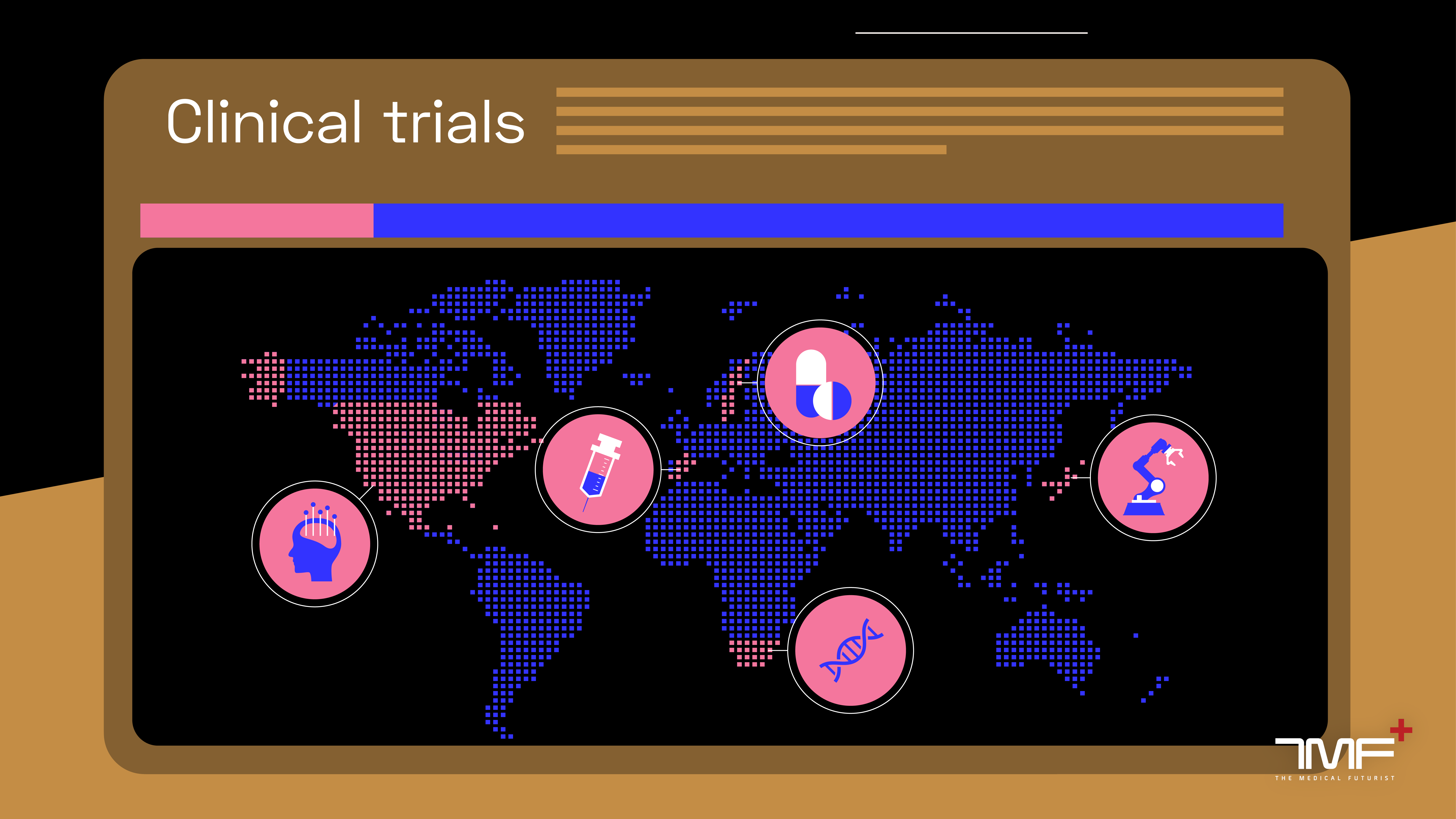
AI Assistance In Clinical Trials: The Practical Opportunities
The Medical FuturistExploratory3 min read

Can Smart Computers Fix Slow and Costly Medical Trials?

Key Takeaway:

Artificial intelligence is being explored to reduce steep costs, accelerate sluggish timelines, and improve historically low success rates across essential clinical trials over the coming decade.

Medical research is essential for discovering new treatments and keeping patients healthy, but running clinical trials today is extremely slow, expensive, and often ends in failure. Researchers are now looking at how artificial intelligence can step in to assist with these research studies. By using computer systems to handle complex tasks and organize data, experts hope to make the entire testing process faster, cheaper, and more dependable. While these ideas are still in the early stages, successfully applying modern technology to medical studies could eventually help safe and effective treatments reach real-world patients much sooner than traditional methods allow.

What this means for you

Researchers are investigating how artificial intelligence might make medical research faster and less expensive. This early conceptual work will not immediately affect standard clinical care or current medical treatments.

Citation:

The Medical Futurist, 2026. Read article →

Guideline Update
Architecting memory and storage in the AI era
MIT Technology Review - AIExploratory3 min read

How Powerful Computer Memory Could Speed Up Medical Breakthroughs

Key Takeaway:

Advanced computational memory systems may soon allow hospitals to evaluate millions of data points simultaneously, potentially accelerating critical medical research over the next several years.

Modern artificial intelligence needs enormous computing power to run smoothly, especially when dealing with complex healthcare challenges. Experts are designing advanced computer memory and storage systems that can handle massive amounts of health information at the same time. Instead of waiting hours or days for results, future medical systems could examine millions of data points in real time. While this technology is still in its conceptual stages and has not yet been tested in direct patient trials, building these strong digital foundations is a necessary step toward helping scientists discover life-saving treatments much faster.

What this means for you

New computer technology aims to help medical researchers analyze massive amounts of health data instantly. This early technical work is not yet ready for hospital care, so treatments remain unchanged.

Citation:

MIT Technology Review - AI, 2026. Read article →

New to reading medical AI research? Learn how to interpret these studies →