Mednosis LogoMednosis
Jun 24, 2026

Clinical Innovation: Week of June 24, 2026

7 research items

Clinical Innovation: Week of June 24, 2026
Google News - AI in HealthcareExploratory3 min read

Are Advanced AI Models Actually Ready for Real-World Hospitals?

Key Takeaway:

Evaluating how advanced artificial intelligence models handle real-world clinical challenges is essential to ensure patient safety before these tools enter hospitals.

As advanced artificial intelligence, or AI, becomes more common, scientists are looking at how well these powerful computer systems actually work in healthcare. A recent study published in the journal Nature looked at the readiness and reliability of these 'frontier' AI models when applied to medicine. The researchers found that while these AI systems show great promise, they are not yet consistent enough for everyday medical use. This matters to regular people because it means that while AI might help doctors in the future, the technology still needs rigorous safety testing before it can be trusted to help make decisions about your health and treatment plans.

What this means for you

Researchers are studying how advanced AI models handle complex health tasks. Because this technology is still in early testing, patients should not use AI to guide their medical decisions.

Citation:

Google News - AI in Healthcare, 2026. Read article →
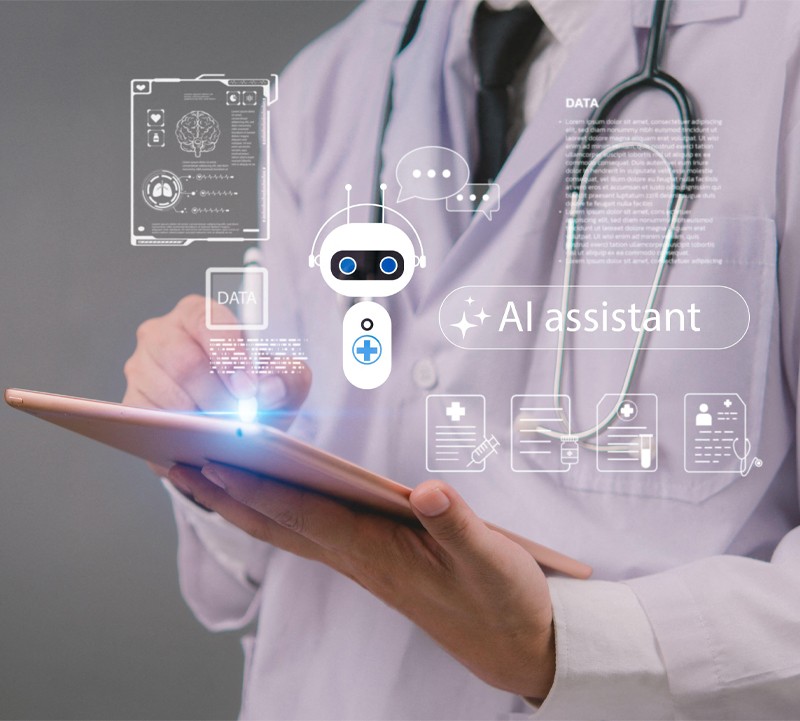
Agents AMIE and MIRA advance medical AI capabilities
Nature Medicine - AI SectionExploratory2 min read

New AI Assistants Aim to Help Doctors Make Hospital Decisions

Key Takeaway:

While advanced agentic AI models show potential in assisting with diagnosis and hospital admissions, they require further clinical validation and are not yet ready for real-world medical use.

Researchers are testing two new artificial intelligence systems, called AMIE and MIRA, designed to act as smart assistants for doctors. Instead of just answering simple questions, these 'agentic' AI models are designed to help make complex decisions, such as diagnosing illnesses, choosing treatments, and deciding when a patient needs to be admitted to the hospital. While the early results show that these AI systems have great potential to assist medical staff, they are still in the early testing phases. Because patient safety is the top priority, these tools are not yet ready to be used in real hospitals or clinics.

What this means for you

Scientists are testing new AI assistants to help doctors make diagnostic and hospital admission decisions. These tools are still in early development and are not yet ready or safe for actual patient care.

Citation:

Nature Medicine - AI Section, 2026. Read article →

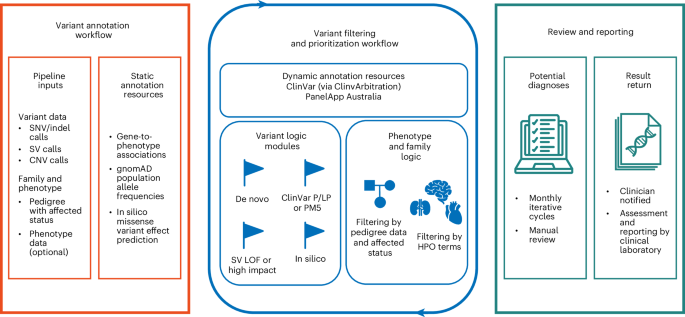
Automated reanalysis of genomic data for rare disease diagnostics at scale
Nature Medicine - AI SectionPromising2 min read

New Automated Tool Helps Solve Rare Disease Mysteries

Key Takeaway:

A new automated tool called Talos makes it easier to systematically reanalyze genetic data, helping doctors find previously missed diagnoses for patients with rare diseases.

When patients with rare diseases have their DNA tested, the results are often inconclusive because science is constantly changing. Currently, doctors must manually re-check this genetic data years later to see if new discoveries can provide an answer, which is incredibly time-consuming. Researchers have developed a new automated tool called Talos that automatically and systematically reanalyzes old genomic data at a large scale. The study found that this automated approach is highly practical and successfully helps identify new diagnoses. This matters to regular people because it could drastically shorten the painful, years-long search for a diagnosis that many families with rare diseases face.

What this means for you

A new tool named Talos helps scientists automatically re-check genetic data to find rare disease diagnoses. This technology is still in development, so patients should not change their current care plans.

Citation:

Nature Medicine - AI Section, 2026. DOI: s41591-026-04477-5 Read article →

Drug Watch
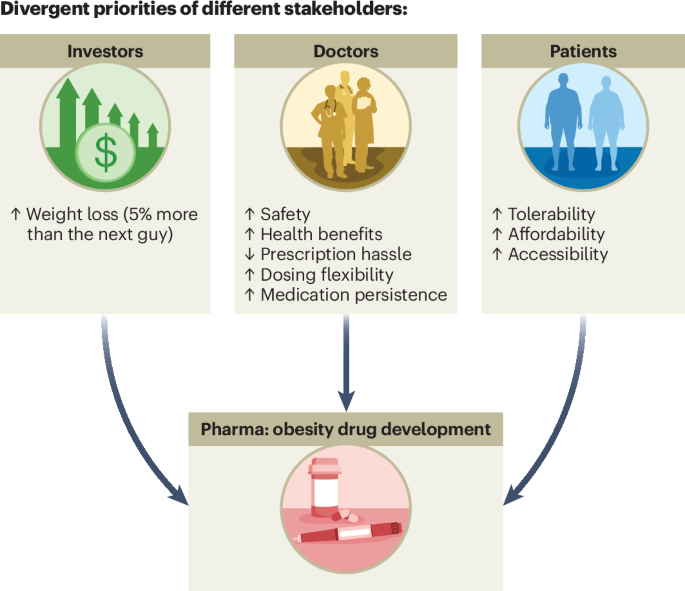
Shifting the goalposts in obesity drug development
Nature Medicine - AI SectionPromising2 min read

Why Weight-Loss Drugs Are Shifting Focus to Long-Term Safety

Key Takeaway:

Modern obesity treatment is shifting focus from maximum weight loss to long-term drug tolerability and helping patients stay on their medications safely over time.

For years, the success of weight-loss drugs was measured solely by how many pounds patients lost. Now, medical experts are changing the rules. A new analysis of recent clinical trials shows that drug developers are shifting their focus. Instead of just aiming for extreme weight loss, new research is prioritizing how well patients tolerate these medications and how easy it is to stay on them long-term. This matters to the average person because future treatments will likely be safer, have fewer side effects, and be much easier to take consistently over a lifetime, leading to better overall health.

What this means for you

New weight-loss drug research is focusing more on long-term safety and how easy medicines are to take, rather than just shedding pounds. Always consult your doctor before changing treatments.

Citation:

Nature Medicine - AI Section, 2026. Read article →

Guideline Update
ArXiv - AI in Healthcare (cs.AI + q-bio)Promising3 min read

Specialized Medical AI Beats General Chatbots on Real Doctor Queries

Key Takeaway:

Specialized clinical AI tools outperform general-purpose models on real-world medical questions, highlighting the immediate value of customized engineering for safer point-of-care decision support.

When doctors have tough questions during patient care, they increasingly turn to artificial intelligence for quick answers. However, most AI tools are tested on fake exam questions rather than real-world situations. In this study, researchers collected 620 real questions from doctors across 30 specialties. They had 149 medical experts compare answers from popular general AI chatbots against a specialized medical AI tool. The experts found that the specialized medical tool was significantly more accurate, helpful, and trustworthy. For everyday people, this means that while AI can help doctors find information faster, highly customized medical AI is much safer and more reliable than general chatbots.

What this means for you

Doctors tested specialized AI against general AI on real medical questions, finding the medical-specific tool much more accurate. Patients should know doctors use these tools only as helpful assistants.

Citation:

ArXiv, 2026. arXiv: 2606.28960 Read article →

Safety Alert
ArXiv - Quantitative BiologyPromising3 min read

New AI Tool Pinpoints Genetic Causes of Birth Defects

Key Takeaway:

A new AI workflow called DeepBD helps doctors more accurately identify the specific genetic mutations responsible for birth defects in infants and fetuses.

When a baby is born with a birth defect, doctors often sequence their DNA to find the cause. However, sorting through thousands of genetic variations to find the single culprit is incredibly difficult and slow. Researchers created an AI system called DeepBD to solve this. Trained on data from over 18,000 cases, DeepBD acts like an expert digital assistant. It analyzes the baby's symptoms alongside genetic data to rank the most likely harmful mutations. In tests, it successfully identified the correct genetic cause much faster and more accurately than existing tools, bringing us closer to quicker, more precise diagnoses for families.

What this means for you

This new AI tool helps identify genetic causes of birth defects. It is still in the research phase and not yet available for routine patient care.

Citation:

ArXiv, 2026. arXiv: 2606.24779 Read article →

Are Physicians Losing Skills Due To AI? What Is Cognitive Offloading?
The Medical FuturistExploratory2 min read

Is Medical AI Making Doctors Lose Their Core Skills?

Key Takeaway:

As doctors increasingly delegate mental tasks to artificial intelligence, they must balance this cognitive offloading with active skill preservation to maintain diagnostic accuracy.

As artificial intelligence becomes a common tool in clinics and hospitals, doctors are using it to help with everything from sorting patients by urgency to writing medical notes. This practice is called cognitive offloading, which means using technology to do mental work so our brains do not have to. While this helps reduce doctor burnout, experts are beginning to study whether relying too much on AI might cause doctors to lose their own medical skills over time. It is important for patients and doctors to find a balance where technology helps out without replacing the essential human judgment needed for safe medical care.

What this means for you

While artificial intelligence helps doctors manage their heavy workloads, patients should know that maintaining human medical expertise remains the top priority for safe and accurate healthcare.

Citation:

The Medical Futurist, 2026. Read article →

New to reading medical AI research? Learn how to interpret these studies →