Mednosis LogoMednosis
Jun 22, 2026

Clinical Innovation: Week of June 22, 2026

7 research items

Clinical Innovation: Week of June 22, 2026
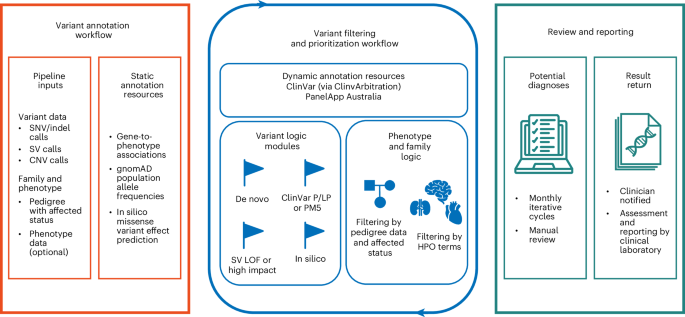
Automated reanalysis of genomic data for rare disease diagnostics at scale
Nature Medicine - AI SectionPromising2 min read

New AI Tool Reanalyzes DNA to Solve Rare Disease Mysteries

Key Takeaway:

A new automated tool called Talos successfully reanalyzes historical genomic data to find new diagnoses for rare disease patients, making continuous genetic testing scalable.

When patients with mysterious illnesses undergo genetic testing, doctors often cannot find the cause because science has not discovered the specific gene yet. As medical knowledge grows, re-checking that old genetic data can reveal answers, but doing this by hand for every patient is nearly impossible. Researchers have developed a new automated tool called Talos that solves this problem. Talos automatically and continuously re-analyzes old genetic data at a massive scale, matching it with the latest medical discoveries. This breakthrough means patients with rare, undiagnosed diseases could finally get the life-changing answers they have been waiting for, without doctors having to manually redo the work.

What this means for you

A new tool called Talos helps doctors automatically re-check old genetic tests to find new answers for rare diseases. This technology is still in development.

Citation:

Nature Medicine - AI Section, 2026. DOI: s41591-026-04477-5 Read article →
Drug Watch
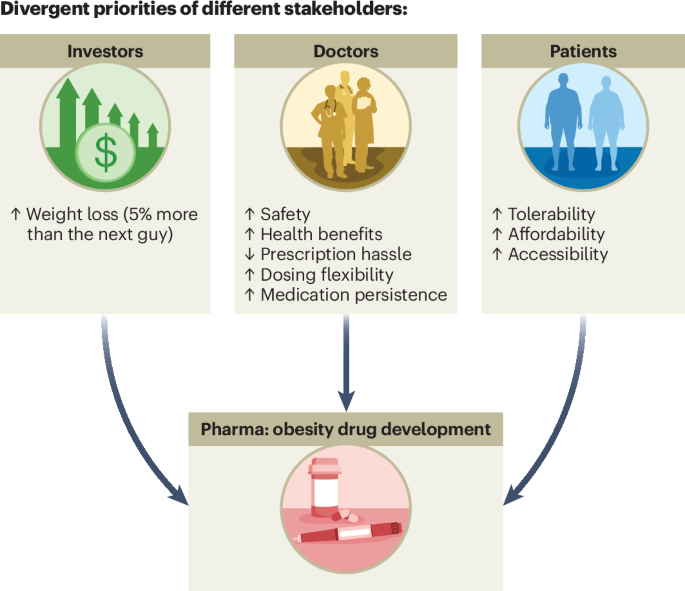
Shifting the goalposts in obesity drug development
Nature Medicine - AI SectionPromising2 min read

Why the Future of Weight-Loss Drugs Is Changing Focus

Key Takeaway:

Obesity drug development is shifting focus from maximum weight loss to long-term patient tolerability and how easily people can stay on their medication over time.

For years, the success of weight-loss drugs was measured solely by how many pounds a person could lose. Now, scientists are changing their approach. Researchers argue that future obesity drugs must focus on being easier for patients to tolerate over many years, with fewer side effects and better long-term safety. Two recent clinical trials have already started focusing on these goals, and more are on the way. For the average person, this means future treatments will be designed not just to help you lose weight quickly, but to help you safely and comfortably maintain a healthier weight for the rest of your life.

What this means for you

New weight-loss drug research is focusing more on how easy medications are to take long-term with fewer side effects. Consult your doctor before changing any current treatments.

Citation:

Nature Medicine - AI Section, 2026. Read article →

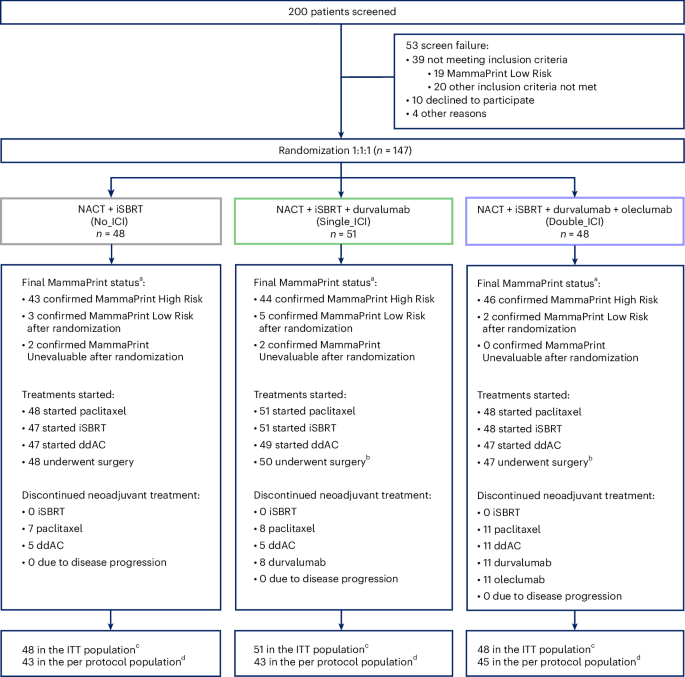
Neoadjuvant stereotactic body radiation therapy with durvalumab and oleclumab in ER+HER2− breast cancer: a randomized phase 2 trial
Nature Medicine - AI SectionPromising2 min read

Adding Immunotherapy to Radiation Boosts Breast Cancer Treatment Response

Key Takeaway:

Adding the immunotherapy drug durvalumab to targeted radiation therapy before surgery shows promising clinical responses for early-stage breast cancer patients, even those with hard-to-treat tumor types.

Researchers studied a new way to treat early-stage breast cancer before surgery. They tested a combination of highly targeted radiation therapy and immunotherapy, which is a treatment that helps the body's own immune system fight cancer. The study found that adding an immunotherapy drug called durvalumab led to encouraging tumor shrinkage and positive clinical responses. Remarkably, this combination worked well even in patients whose tumors lacked a specific protein usually needed for immunotherapy to work. This is important because it opens up new, highly effective treatment options for breast cancer patients who previously had limited therapy choices.

What this means for you

This early-stage study shows that combining a targeted radiation therapy with immunotherapy before surgery may help treat breast cancer, but patients should not change their current treatment plans based on these early results.

Citation:

Nature Medicine - AI Section, 2026. Read article →

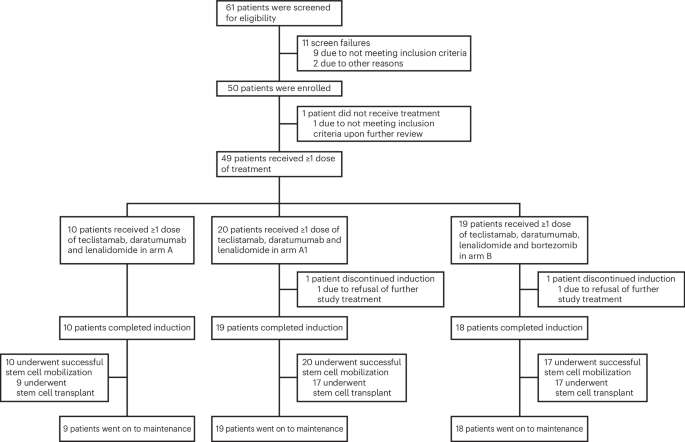
Teclistamab-based induction treatment in transplant-eligible, newly diagnosed multiple myeloma: a phase 2 trial
Nature Medicine - AI SectionPromising2 min read

New Drug Combo Shows Promise for Newly Diagnosed Bone Marrow Cancer

Key Takeaway:

An ongoing trial shows that adding the targeted drug teclistamab to initial myeloma treatment safely produces deep responses, potentially improving transplant outcomes within the next few years.

Researchers are studying a new treatment mix for people newly diagnosed with multiple myeloma, a type of bone marrow cancer, who are healthy enough for a stem cell transplant. The treatment uses a smart drug called teclistamab, which helps the body's own immune cells find and destroy cancer cells. When combined with other standard cancer drugs, this new mix shrank the cancer deeply and effectively. Importantly, it did not cause more severe side effects than other similar treatments. While this is exciting news that could lead to better transplant outcomes, the study is still in its early stages, and more testing is needed before it becomes a standard treatment.

What this means for you

This early-stage study shows a new drug combination is highly promising for newly diagnosed multiple myeloma. It is not yet widely available, and patients should not alter their current treatment plans.

Citation:

Nature Medicine - AI Section, 2026. Read article →

Safety Alert
ArXiv - AI in Healthcare (cs.AI + q-bio)Exploratory2 min read

New AI safety guardrails could prevent medical robot collisions

Key Takeaway:

A new artificial intelligence framework safely coordinates multiple robotic agents or devices, overcoming previous trade-offs between operational efficiency and strict safety guarantees.

When scientists train multiple artificial intelligence systems or robots to work together, they face a major challenge: the systems either perform well but risk making dangerous mistakes, or they are programmed so cautiously that they become slow and useless. Researchers have developed a new framework that solves this problem. By using a two-layered learning system, they created a method that allows AI agents to coordinate efficiently while strictly obeying safety rules. In computer tests, this method achieved nearly perfect safety rates and easily adapted to changing numbers of obstacles. While still in the early stages of research, this could eventually make cooperative medical robots and automated hospital equipment much safer.

What this means for you

Researchers have designed a safer way for multiple AI systems to work together without crashing or failing. This technology is in early development and not yet ready for hospital use.

Citation:

ArXiv, 2026. arXiv: 2606.24010 Read article →

Safety Alert
ArXiv - Quantitative BiologyPromising3 min read

New AI Tool Speeds Up Diagnosis of Genetic Birth Defects

Key Takeaway:

An AI-driven workflow called DeepBD improves the speed and accuracy of identifying genetic birth defects in infants by combining automated evidence gathering with advanced language models.

When babies are born with complex health issues, doctors often sequence their DNA to find the genetic cause. However, sorting through thousands of genetic variations to find the single mutation responsible is incredibly difficult and slow. Researchers have developed an AI system called DeepBD to solve this. Trained on data from over 18,000 infant cases, DeepBD acts like an expert assistant. It analyzes the baby's symptoms, reads medical literature, and ranks the most likely genetic culprits. In tests, it successfully identified the correct genetic cause much faster and more accurately than current standard tools, bringing us closer to rapid, personalized treatments for sick newborns.

What this means for you

Researchers created a smart AI tool to help doctors diagnose genetic birth defects faster. This technology is still in early testing and is not yet available for routine patient care.

Citation:

ArXiv, 2026. arXiv: 2606.24779 Read article →

Are Physicians Losing Skills Due To AI? What Is Cognitive Offloading?
The Medical FuturistExploratory2 min read

Are Doctors Losing Critical Skills by Relying on AI?

Key Takeaway:

As doctors delegate mental tasks to artificial intelligence, they must balance reduced burnout against the risk of losing critical clinical skills over time.

Artificial intelligence is taking over many tasks in hospitals, from sorting patients to helping with paperwork. This process is called cognitive offloading, which means using technology to do our thinking for us. While this helps busy doctors avoid burnout, experts worry that relying too much on AI might cause physicians to lose their own sharp clinical skills over time. It is important to study this trend so we can find a safe balance. For patients, this means ensuring that technology acts only as a helpful assistant, while your human doctor always remains the highly skilled, final decision-maker in your care.

What this means for you

While AI helps doctors manage paperwork and triage patients, patients should know that human physicians still make the final, critical decisions regarding their medical care.

Citation:

The Medical Futurist, 2026. Read article →

New to reading medical AI research? Learn how to interpret these studies →